ANSI Bushing
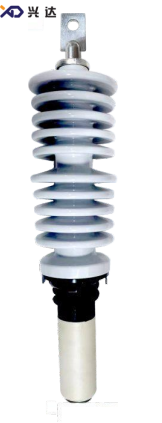
ANSI transformer bushing installation procedure and safety requirements
ANSI Bushing | Standard Specifications, Features, Installation and Safety Guidelines
Introduction
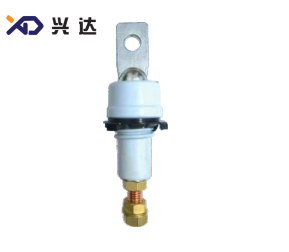
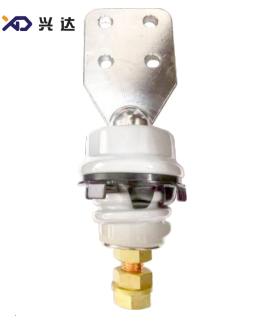
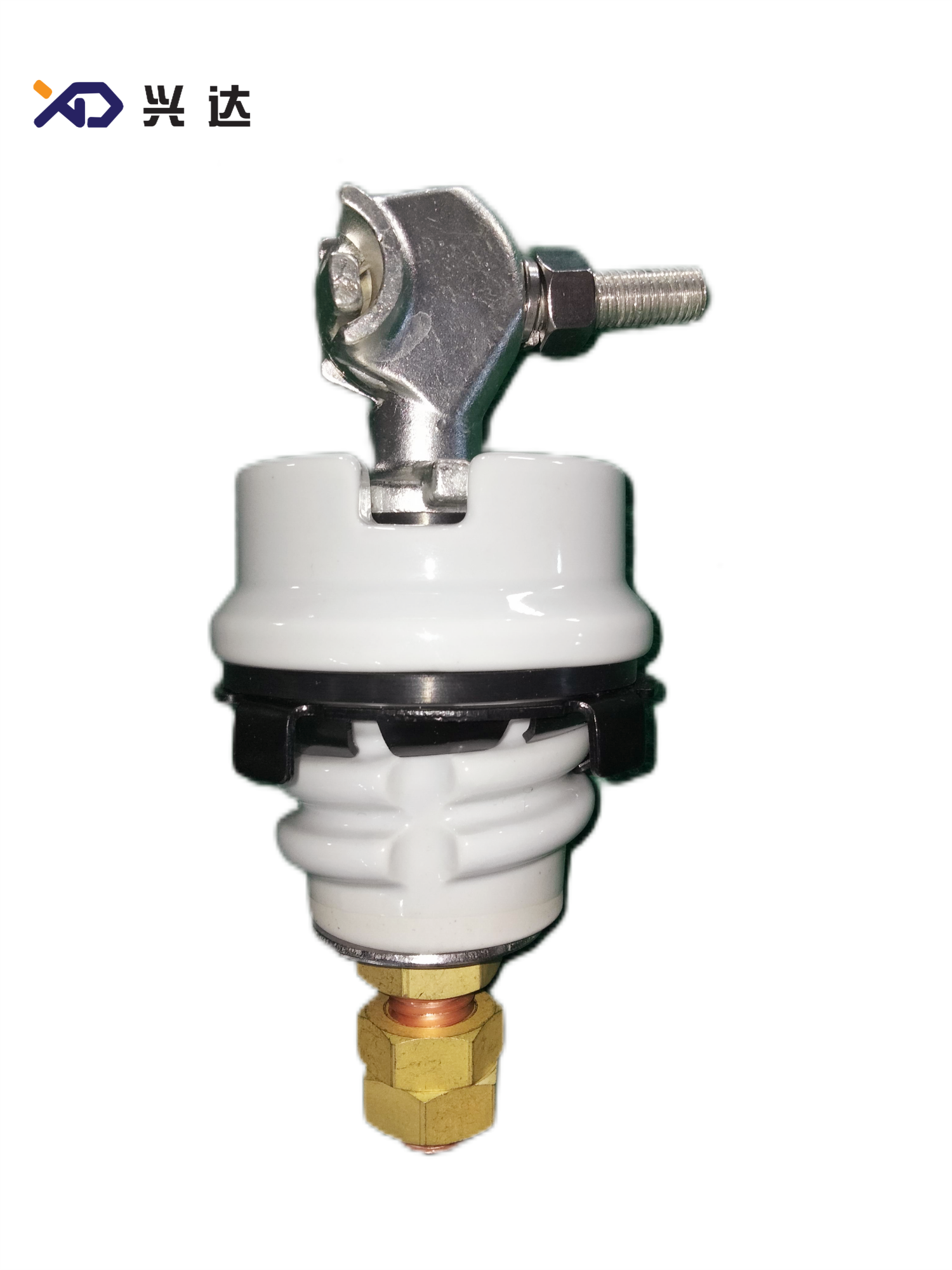
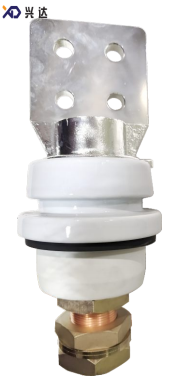
ANSI bushing is a standardized insulating component widely used in North American style power transformers, pole-mounted transformers, and distribution power equipment. Designed and manufactured according to ANSI industry standards, ANSI transformer bushings serve as critical insulation and conductive passage parts that allow electrical conductors to pass through grounded transformer tanks and enclosures safely. Compared with DIN standard bushings popular in European markets, ANSI bushings feature unique dimensional standards, voltage ratings, mechanical strength requirements, and installation structures that fully adapt to North American power grid operating environments.
In power distribution systems, every transformer requires reliable high-performance bushings to isolate live parts from grounded metal structures, prevent current leakage, and ensure stable power transmission. Low-quality or non-standard ANSI bushings may cause insulation failure, partial discharge, flashover, and even transformer shutdown accidents. Therefore, understanding ANSI bushing standard classifications, technical parameters, structural advantages, installation procedures, and safety requirements is essential for transformer manufacturers, electrical contractors, and power grid maintenance teams. This article provides complete industry knowledge about ANSI bushings with standardized data tables, professional feature analysis, and practical application guidance for Google SEO and technical reference.
Most conventional ANSI bushings adopt high-strength porcelain insulation materials combined with brass terminals and copper conductive rods. They are commonly matched with transformer iron cores, winding assemblies, and brass flag terminal accessories to form a complete transformer conductive system. Different from European DIN bushings, ANSI bushings have larger creepage distances, optimized outdoor pollution resistance, and standardized mounting sizes specifically designed for North American pole-mounted and pad-mounted distribution transformers.
Main Types of ANSI Bushing
ANSI transformer bushings can be classified according to voltage level, application environment, and insulation material. Each type has fixed standard parameters and targeted application scenarios in the power industry.
- Low Voltage ANSI Bushing: Mainly used for 1kV to 2.4kV transformer low-voltage side outlet, featuring compact structure, small creepage distance, and convenient installation. Widely applied in civil distribution transformers and small industrial power transformers.
- Medium Voltage ANSI Bushing: Covering 12kV, 15kV, 24kV, and 36kV voltage levels, this is the most widely used ANSI bushing type for outdoor pole-mounted transformers and urban distribution power grids.
- Porcelain Type ANSI Bushing: Traditional and mainstream type with excellent insulation performance, anti-aging ability, and strong weather resistance, suitable for long-term outdoor operation.
- Polymer ANSI Bushing: Adopts silicone rubber composite insulation, featuring lightweight, anti-fouling, and anti-explosion advantages, commonly used in high-pollution and high-altitude areas.
ANSI Bushing Standard Technical Specification Table
The following table lists universal industry standard parameters for mainstream ANSI transformer bushings, complying with ANSI C29.18 and ANSI C29.19 standards. All data are general industry values for selection, design, and installation reference.
Rated Voltage | Rated Current | Creepage Distance | Dry Arc Distance | Standard Compliance | Main Application |
|---|---|---|---|---|---|
2.4kV | 250A ~ 630A | 90mm | 60mm | ANSI C29.18 | Low voltage transformer outlet |
15kV | 250A ~ 630A | 280mm | 160mm | ANSI C29.19 | Pole-mounted distribution transformer |
24kV | 400A ~ 630A | 380mm | 220mm | ANSI C29.19 | Medium voltage outdoor transformer |
36kV | 400A ~ 630A | 520mm | 300mm | ANSI C29.20 | High voltage distribution substation transformer |
Core Advantages of ANSI Bushing
1. Standardized and Interchangeable Structure
All ANSI bushings are manufactured according to unified ANSI industry standards, with fixed mounting hole positions, outer diameter sizes, and fitting dimensions. This high standardization ensures complete interchangeability for maintenance and replacement. Transformer manufacturers can freely match ANSI bushings with conventional copper conductive rods, brass flag terminals, and transformer iron core assemblies without custom modification, greatly improving production efficiency and equipment compatibility.
2. Excellent Outdoor Weather Resistance
ANSI standard bushings are specially designed for North American outdoor power grid environments. The porcelain surface adopts high-glaze anti-fouling treatment, which effectively resists ultraviolet aging, rain erosion, dust accumulation, and salt fog corrosion. Compared with ordinary non-standard bushings, ANSI bushings maintain stable insulation performance under long-term outdoor exposure, reducing flashover and leakage risks in harsh weather conditions.
3. High Mechanical and Insulation Stability
Qualified ANSI bushings have high mechanical bending strength and impact resistance, which can withstand transformer internal vibration, external wind pressure, and accidental mechanical impact. The uniform insulation layer avoids partial discharge and local electric field concentration, ensuring long-term stable operation of transformers under rated voltage and overload conditions.
4. Complete Safety Protection Performance
ANSI bushing design strictly considers power grid safety standards. The reasonable creepage distance and arc distance effectively prevent surface flashover accidents. The sealed structure prevents transformer oil leakage and moisture penetration, protecting internal winding and iron core components from damp and damage.
ANSI Bushing Installation Procedure
Standard installation of ANSI bushings directly affects transformer insulation performance and service life. The general installation process follows unified industry operation specifications.
First, prepare the installation environment and inspect the ANSI bushing appearance. Check for porcelain cracks, glaze peeling, thread damage, and sealing ring defects. Confirm that the bushing voltage and current rating matches the transformer design parameters. Second, clean the transformer tank mounting hole to remove oil dirt, dust, and metal burrs to ensure a flat and sealed installation surface.
Third, install the sealing gasket and place the ANSI bushing in the correct position vertically. Keep the bushing balanced to avoid lateral stress and insulation damage. Fourth, install the fixing nuts evenly and tighten them in diagonal sequence to ensure uniform compression of the sealing ring and prevent oil leakage. Finally, install the internal copper conductive rod and external brass flag terminal, adjust the connection tightness, and complete insulation testing before putting the transformer into operation.
ANSI Bushing Safety Requirements
During installation, maintenance, and operation of ANSI bushings, standardized safety rules must be followed to avoid equipment failure and personal injury.
All installation and replacement work must be performed after transformer power-off, discharge, and grounding. Live operation on ANSI bushing components is strictly prohibited. Avoid violent knocking, extrusion, and tilting during installation to prevent porcelain breakage and hidden insulation defects. After installation, partial discharge testing, insulation resistance testing, and sealing performance testing must be completed to ensure compliance with ANSI safety standards.
In coastal, high-altitude, and heavily polluted areas, enhanced creepage ANSI bushings must be selected to adapt to harsh environments. Regular surface cleaning and insulation inspection are required to prevent pollution flashover accidents.
Difference Between ANSI Bushing and DIN Bushing
ANSI bushings and DIN bushings represent two mainstream global bushing standards, serving different regional power systems. ANSI bushings feature larger creepage distance, stronger outdoor anti-pollution ability, and standardized pole-mounted transformer sizes, mainly used in North America. DIN bushings focus on compact structure and precise mechanical tolerance, widely adopted in European and Asian power grids. Transformer manufacturers need to select matching bushing types according to project regional standards and technical requirements.
Common Application Scenarios of ANSI Bushing
- Outdoor pole-mounted distribution transformers for North American power grids
- Pad-mounted transformers and underground distribution transformer systems
- Industrial power distribution transformers and commercial building power supply equipment
- Medium and low voltage power transmission and distribution supporting equipment
- Complete transformer sets matched with ANSI standard iron core and terminal accessories
Conclusion
ANSI bushing is an indispensable standard insulating component for modern North American power transformers and distribution equipment. With standardized dimensions, reliable insulation performance, excellent weather resistance, and high mechanical stability, ANSI bushings ensure safe, stable, and long-term operation of various types of transformers. Understanding ANSI bushing specifications, installation standards, safety rules, and application characteristics helps electrical professionals select correct bushing models, improve transformer assembly quality, and reduce operational failure risks. As power grid standardization continues to improve, ANSI standard transformer bushings will remain core accessories for high-quality distribution transformer manufacturing and power system maintenance.
Categories
Contact Us
Contact: Tianjin Delda Trading Co., Ltd
WhatsApp: +86 13662056855
Tel:
E-mail: solomon20210701@tjxddq.com
Add: Unit‑101, Workshop 3, Bozhong Automobile Industrial Park, No.5 Xianghui Road, Intersection of Xianghui Road and Gaoying Road, Beizhakou Town, Jinnan District, Tianjin, China