ANSI Bushing
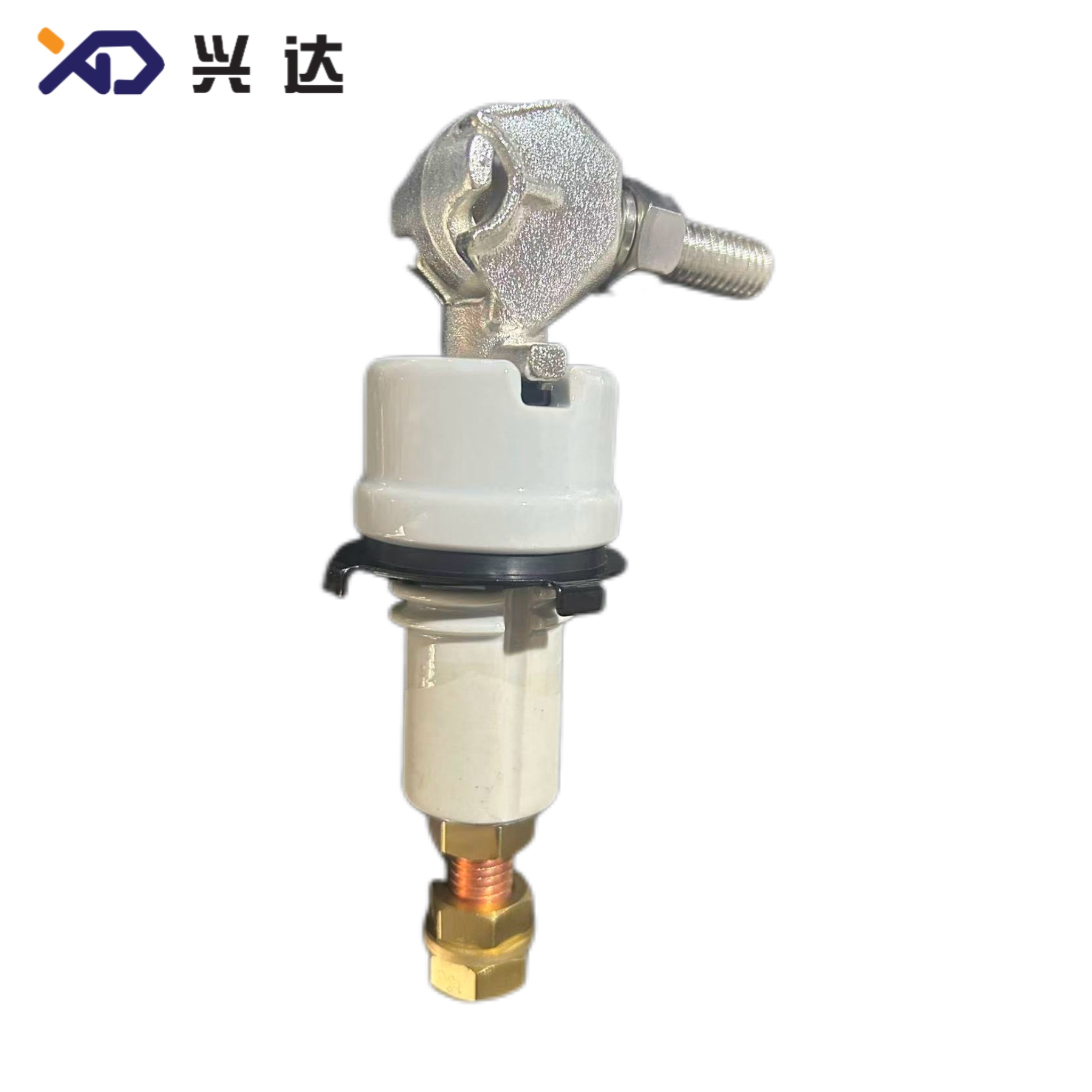
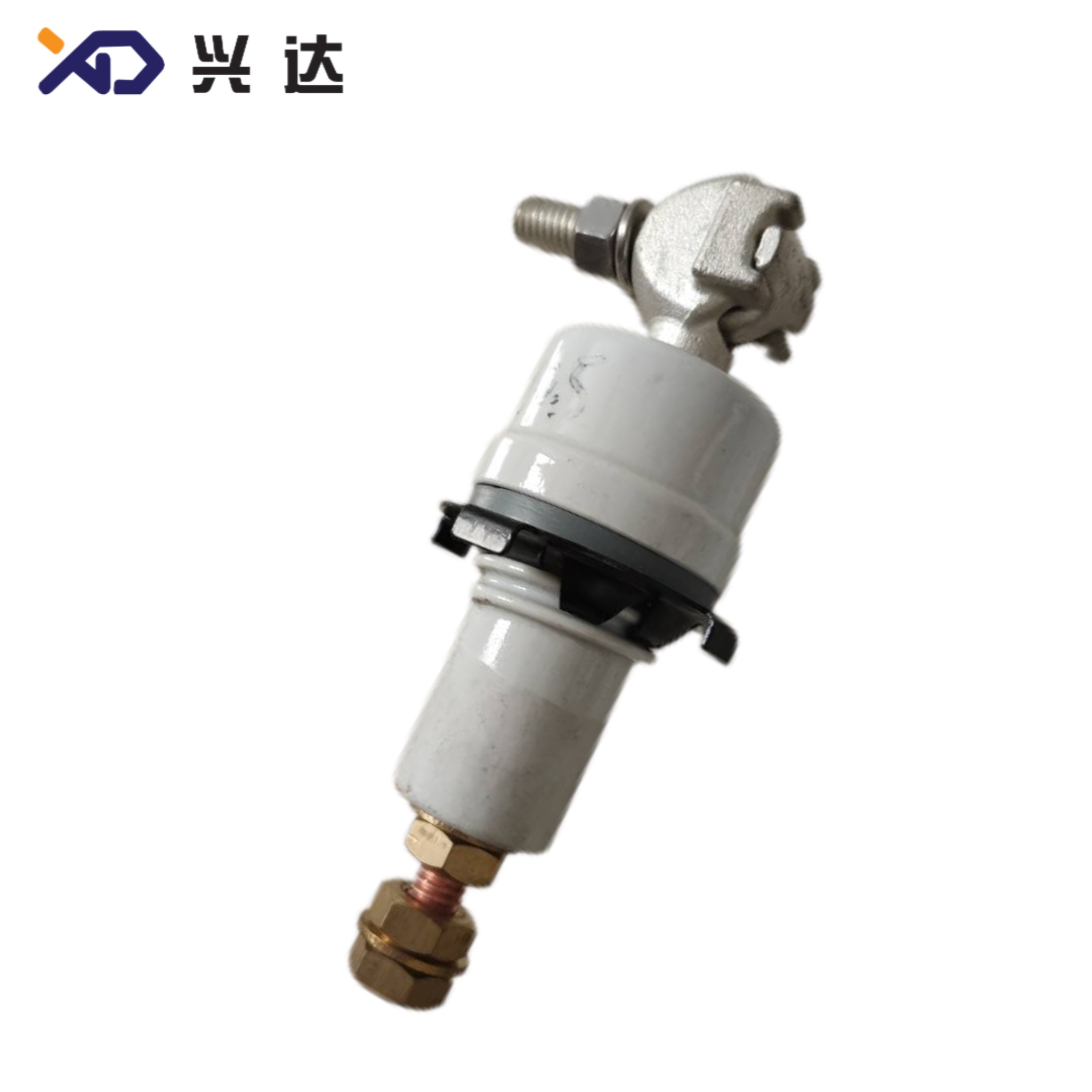
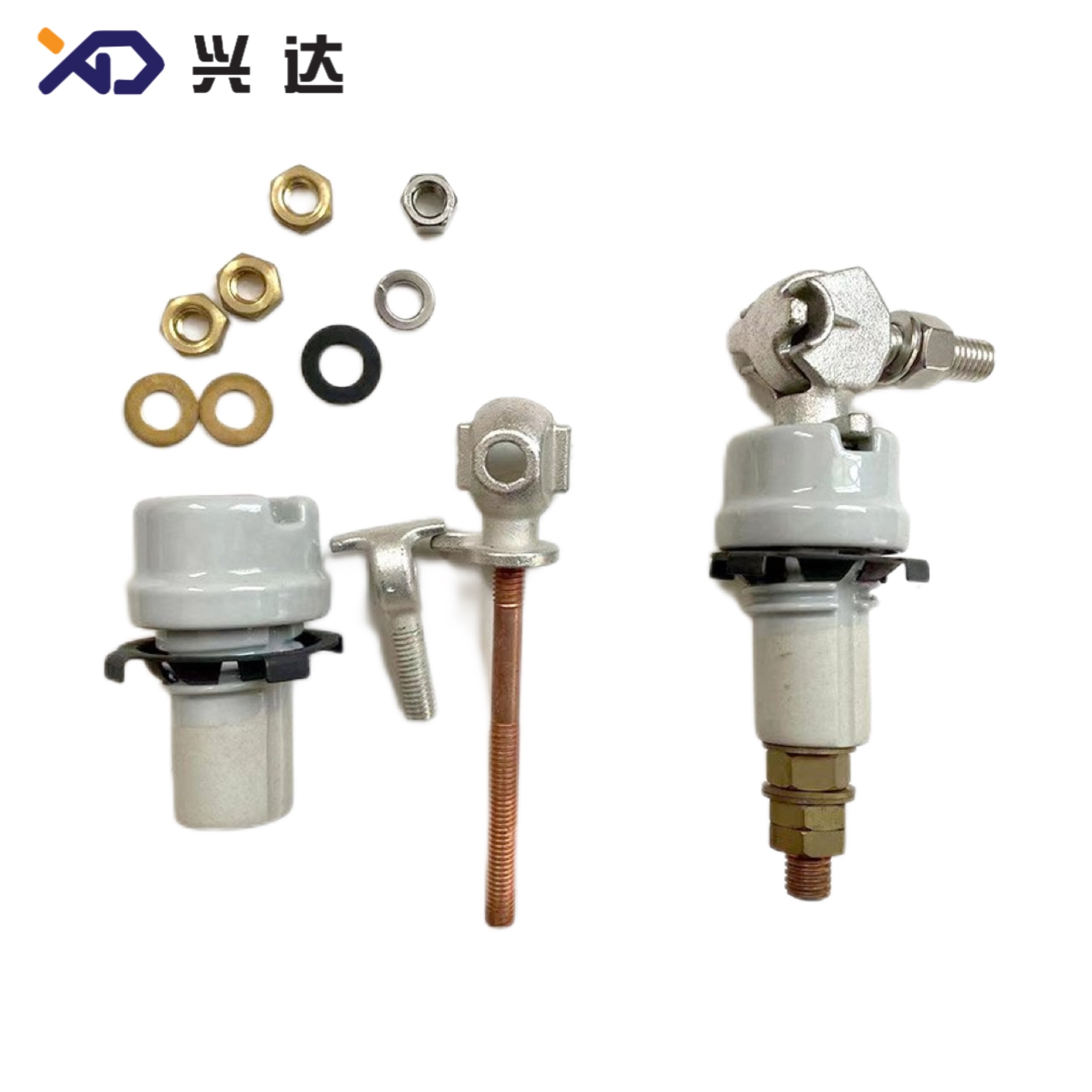
1.2KV-125A~250A ANSI Transformer Bushings (Tension‑tightening connector)
ANSI Transformer Bushings (1.2KV-125A~250A) are essential components used in modern power distribution and transformer systems. These bushings serve as insulated electrical interfaces that allow current to pass safely through a grounded barrier, such as a transformer tank, while maintaining reliable dielectric performance and mechanical stability. In many electrical networks, especially those handling medium-voltage applications, the role of a transformer bushing is often underestimated, even though it is one of the most critical parts for safe and efficient operation. When properly selected and installed, an ANSI Transformer Bushings (1.2KV-125A~250A) product can help ensure long-term operational reliability, stable electrical insulation, and consistent performance under demanding service conditions.
A transformer bushing is designed to provide an insulated path for conductors that must travel from the inside of the transformer to the outside environment. This function is not simply a matter of physical passage; it also involves managing electric field stress, preventing leakage currents, resisting contamination, and supporting mechanical loads. In the case of ANSI Transformer Bushings (1.2KV-125A~250A), the design must accommodate a voltage class of 1.2 kV and current ratings ranging from 125A to 250A. These values indicate that the bushing is intended for moderate power levels where dependable insulation and current-carrying capacity are both necessary. Because electrical systems continue to demand higher reliability and lower maintenance, the engineering of such bushings has become increasingly important.
One of the major advantages of ANSI Transformer Bushings (1.2KV-125A~250A) is their standardized design. ANSI-related specifications help create consistency in dimensions, testing requirements, and performance expectations. Standardization is valuable because it makes replacement, integration, and maintenance easier for operators and technicians. When a component follows recognized standards, it is generally simpler to match it with existing transformer configurations and electrical equipment. This compatibility reduces installation errors and helps minimize downtime during maintenance or upgrades. For utilities, industrial facilities, and electrical contractors, standardized bushings are especially beneficial because they simplify inventory planning and equipment replacement strategies.
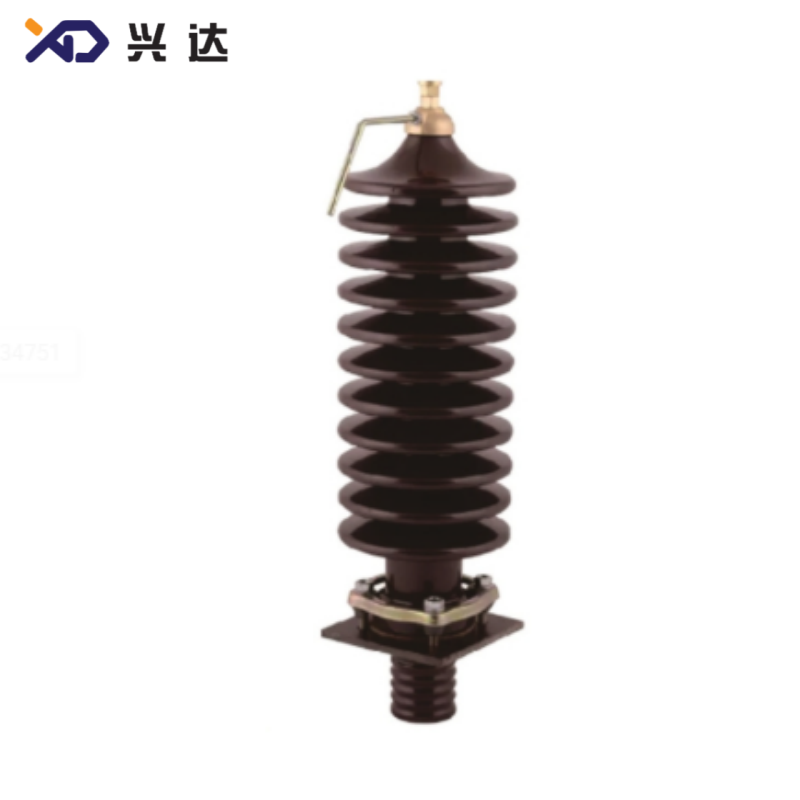
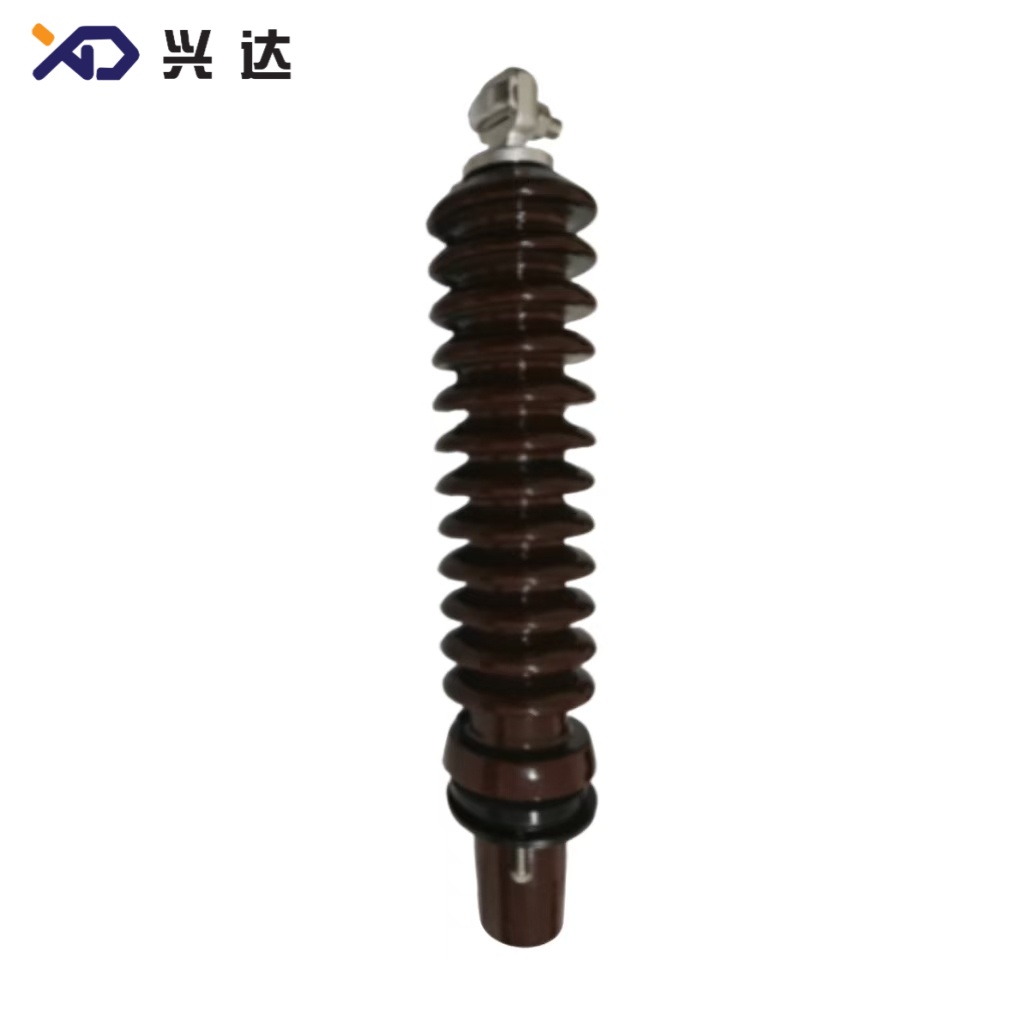
The construction of ANSI Transformer Bushings (1.2KV-125A~250A) typically involves high-quality insulating materials, conductive elements, sealing structures, and mounting hardware. The insulating body must withstand electrical stress without breakdown, while the conductor must support rated current without excessive heating. Depending on the application, bushing designs may use porcelain, epoxy resin, or other specialized insulating materials. Porcelain bushings are known for their durability and resistance to environmental exposure, while epoxy-based designs often offer compact size and strong dielectric characteristics. The selection of material depends on operating environment, mechanical demands, contamination levels, and cost considerations. In every case, the primary goal is to maintain safe isolation between energized conductors and the grounded transformer enclosure.
Electrical insulation is one of the most important performance factors for ANSI Transformer Bushings (1.2KV-125A~250A). During operation, the bushing must endure continuous voltage stress, switching transients, and occasional overvoltage events. If insulation performance is not sufficient, partial discharge, surface tracking, or complete dielectric failure may occur. Such failures can lead to transformer outages, equipment damage, and safety hazards. To reduce these risks, high-quality bushings are tested for dielectric strength, insulation resistance, and thermal endurance. These tests help verify that the bushing can operate safely under both normal and abnormal electrical conditions. In practical use, this means users can expect more dependable service and fewer unexpected failures.
Another critical aspect of ANSI Transformer Bushings (1.2KV-125A~250A) is current handling capability. While the voltage rating determines insulation requirements, the current rating determines how much load the bushing can safely carry. A bushing rated at 125A is suitable for lower-demand applications, while a 250A version is designed for higher current flow within the same voltage class. The conductor and terminal design must allow efficient current transfer with minimal resistance. Excess resistance can cause overheating, insulation aging, and reduced service life. Therefore, thermal performance is closely connected to electrical efficiency. Good bushing design ensures that heat generated by current flow is managed effectively, protecting both the bushing and the transformer system.
Mechanical strength is also essential for ANSI Transformer Bushings (1.2KV-125A~250A). During installation and service, the bushing must tolerate clamping forces, vibration, cable attachment stresses, and environmental mechanical loads. In outdoor installations, wind, thermal expansion, and physical contact with external conductors can all affect long-term reliability. The bushing structure must therefore be robust enough to maintain alignment and sealing integrity. A mechanically weak bushing may not fail immediately, but repeated stress can gradually compromise performance. For this reason, manufacturers often pay close attention to the design of terminals, flanges, seals, and mounting points. Stable mechanical construction contributes directly to electrical safety and service longevity.
Environmental resistance is another important area where ANSI Transformer Bushings (1.2KV-125A~250A) must perform well. Transforming equipment may operate indoors or outdoors, in clean utility spaces or in locations exposed to dust, moisture, pollution, salt, or temperature variation. Outdoor bushings must resist rain, ultraviolet radiation, condensation, and contamination buildup. Surface contamination can create conductive paths that encourage leakage current or flashover. To reduce these risks, bushing surfaces are often designed with sheds or ribs that increase creepage distance and improve contamination performance. In harsh environments, maintaining a clean and dry insulation surface is crucial. Proper environmental protection helps extend the lifespan of the transformer and reduces maintenance frequency.
Thermal behavior is another subject that cannot be ignored when discussing ANSI Transformer Bushings (1.2KV-125A~250A). Every energized component generates heat, and excess temperature can damage insulation over time. A bushing that operates within acceptable thermal limits will generally offer better stability and longer service life. Thermal aging is cumulative, meaning that even small temperature increases over long periods may shorten insulation life significantly. That is why proper current rating, material selection, and contact quality are so important. The bushing must be able to dissipate heat efficiently and avoid localized hot spots. Good thermal management supports operational safety and helps preserve the integrity of the entire transformer assembly.
Installation practices also have a direct impact on the performance of ANSI Transformer Bushings (1.2KV-125A~250A). Even a well-designed bushing can underperform if installed incorrectly. Proper torque settings, clean contact surfaces, correct gasket placement, and secure electrical connections are all necessary to ensure dependable operation. Technicians should verify that the bushing matches the transformer design, voltage class, and current requirement before installation. Attention should also be given to sealing surfaces and conductor alignment. Moisture ingress is a common cause of insulation degradation, so sealing quality is extremely important. Correct installation not only improves immediate performance but also reduces future maintenance needs.
Maintenance and inspection are equally important for preserving the performance of ANSI Transformer Bushings (1.2KV-125A~250A). Over time, operators should check for signs of cracking, contamination, discoloration, oil leakage, loose connections, or overheating. Regular inspections can detect early warning signs before they develop into serious failures. In systems where reliability is critical, preventive maintenance helps avoid unplanned outages and expensive repairs. Condition monitoring may include visual inspection, thermal imaging, electrical testing, and insulation measurement. By identifying problems early, facility managers can schedule repairs more efficiently and maintain system continuity. A proactive maintenance program is one of the best ways to maximize the value of transformer bushings.
In terms of application, ANSI Transformer Bushings (1.2KV-125A~250A) are widely used in distribution transformers, small industrial transformers, power conversion systems, and various electrical apparatus that require safe conductor passage through a grounded enclosure. Their relatively moderate voltage and current ratings make them suitable for a broad range of commercial and utility environments. They may be installed in systems supporting lighting networks, auxiliary power, control circuits, or industrial load distribution. Because electrical infrastructure varies significantly from one project to another, having a flexible range of bushing ratings is beneficial. The 125A to 250A range allows engineers to choose the right balance between capacity, size, and cost.
Reliability remains the defining feature of a well-made ANSI Transformer Bushings (1.2KV-125A~250A) component. In power systems, even small parts can have large consequences. A bushing failure may interrupt service, damage connected equipment, and create safety concerns for personnel. For that reason, users should prioritize products that demonstrate stable insulation performance, strong mechanical construction, and consistent quality control. Testing, design validation, and material selection all contribute to overall reliability. The better the bushing performs under real-world conditions, the more dependable the entire electrical system becomes.
As power systems continue to evolve, the importance of durable and standardized transformer accessories will only increase. ANSI Transformer Bushings (1.2KV-125A~250A) represent a practical solution for ensuring secure electrical interface, stable current transfer, and long-term insulation performance. Their value lies not only in meeting voltage and current requirements but also in offering compatibility, safety, and environmental resilience. Whether used in new installations or replacement projects, these bushings help support efficient transformer operation and reduce the risk of costly interruptions. For engineers, maintenance teams, and system designers, selecting the right bushing is a careful technical decision that contributes directly to power system integrity.
In summary, ANSI Transformer Bushings (1.2KV-125A~250A) are far more than simple connection parts. They are engineered insulation devices that combine electrical, thermal, and mechanical performance in a compact and dependable form. Their standardized nature supports easy integration, while their design features help protect systems from environmental and operational stress. With appropriate selection, installation, and maintenance, these bushings can deliver reliable service over many years. For any application requiring safe conductor passage through a transformer boundary, this type of bushing remains an important and practical component of modern electrical infrastructure.
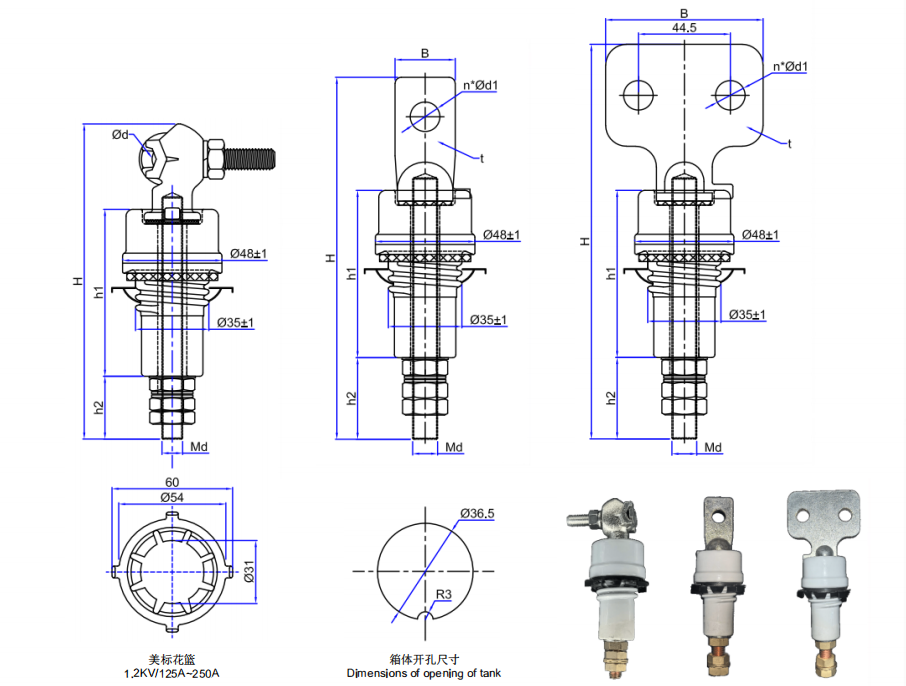
| 序号 (S/N) | 型号 (Model) | 尺寸(Dimensions) | 爬距 (Creep distance) | 代号 (Code) | |||||||||||||
| H | h1 | h2 | Md | φd | B | n*d1 | t | ||||||||||
| 1 | ANSI-1.2KV-125A-销子 | 150 | 81 | 29 | 3/8"-16UNC | 16 | 25 | 12XD.401.001 | |||||||||
| 2 | ANSI-1.2KV-125A-单孔 | 165 | 81 | 29 | 3/8"-16UNC | 29 | 1*14 | 6.35 | 25 | ||||||||
| 3 | ANSI-1.2KV-125A-双孔 | 181 | 81 | 29 | 3/8"-16UNC | 76.2 | 2*14 | 6.35 | 25 | 12XD.MBTG.055 | |||||||
| 4 | ANSI-1.2KV-125A-4孔 | 218 | 81 | 29 | 3/8"-16UNC | 88.9 | 4*14 | 6.35 | 25 | 12XD.MBTG.090 | |||||||
| 5 | ANSI-1.2KV-250A-销子 | 165 | B1 | 39 | 1/2"-13UNC | 21 | 25 | 12XD.401.003 | |||||||||
| 6 | ANSI-1.2KV-250A-单孔 | 175 | 81 | 39 | 1/2"-13UNC | 29 | 1*14 | 6.35 | 25 | 12XD.401.002-2 | |||||||
| 7 | ANSI-1.2KV-250A-双孔 | 191 | 81 | 39 | 1/2"-13UNC | 76.2 | 2*14 | 6.35 | 25 | 12XD.401.002 | |||||||
| 8 | ANSI-1.2KV-250A-4孔 | 228 | 81 | 39 | 1/2"-13UNC | 88.9 | 4*14 | 6.35 | 25 | 12XD.401.003-1 | |||||||
Categories
Contact Us
Contact: Tianjin Delda Trading Co., Ltd
WhatsApp: +86 13662056855
Tel:
E-mail: solomon20210701@tjxddq.com
Add: Unit‑101, Workshop 3, Bozhong Automobile Industrial Park, No.5 Xianghui Road, Intersection of Xianghui Road and Gaoying Road, Beizhakou Town, Jinnan District, Tianjin, China