ANSI Bushing
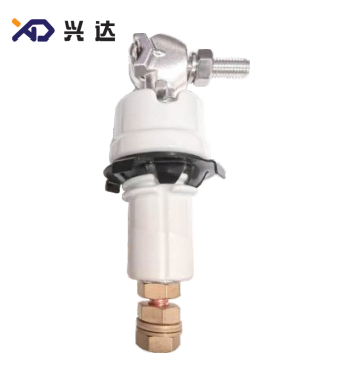
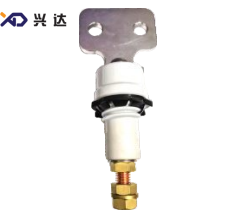
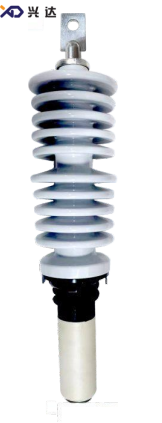
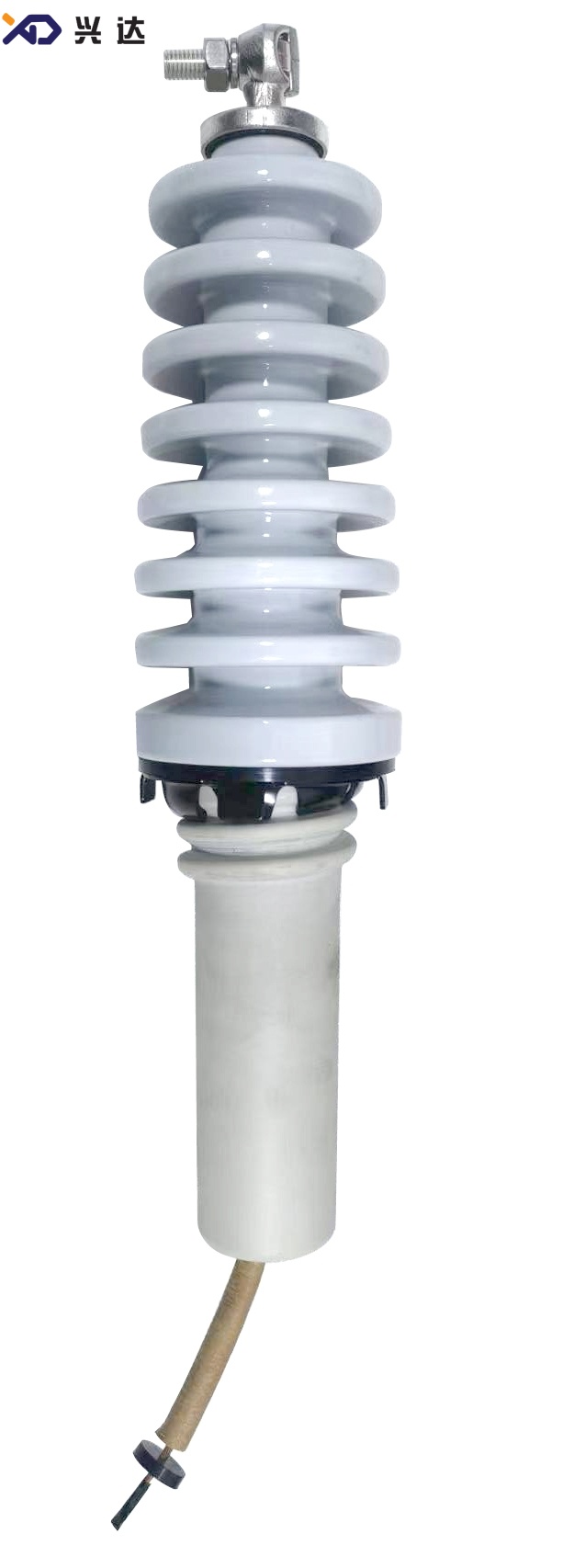
ANSI Bushing Standard IEEE Transformer Insulation Bushing
ANSI Bushing: Definition, Types, Technical Specifications, Advantages & Selection Guide
Introduction
What Is an ANSI Bushing? Working Principle & Applicable Standards
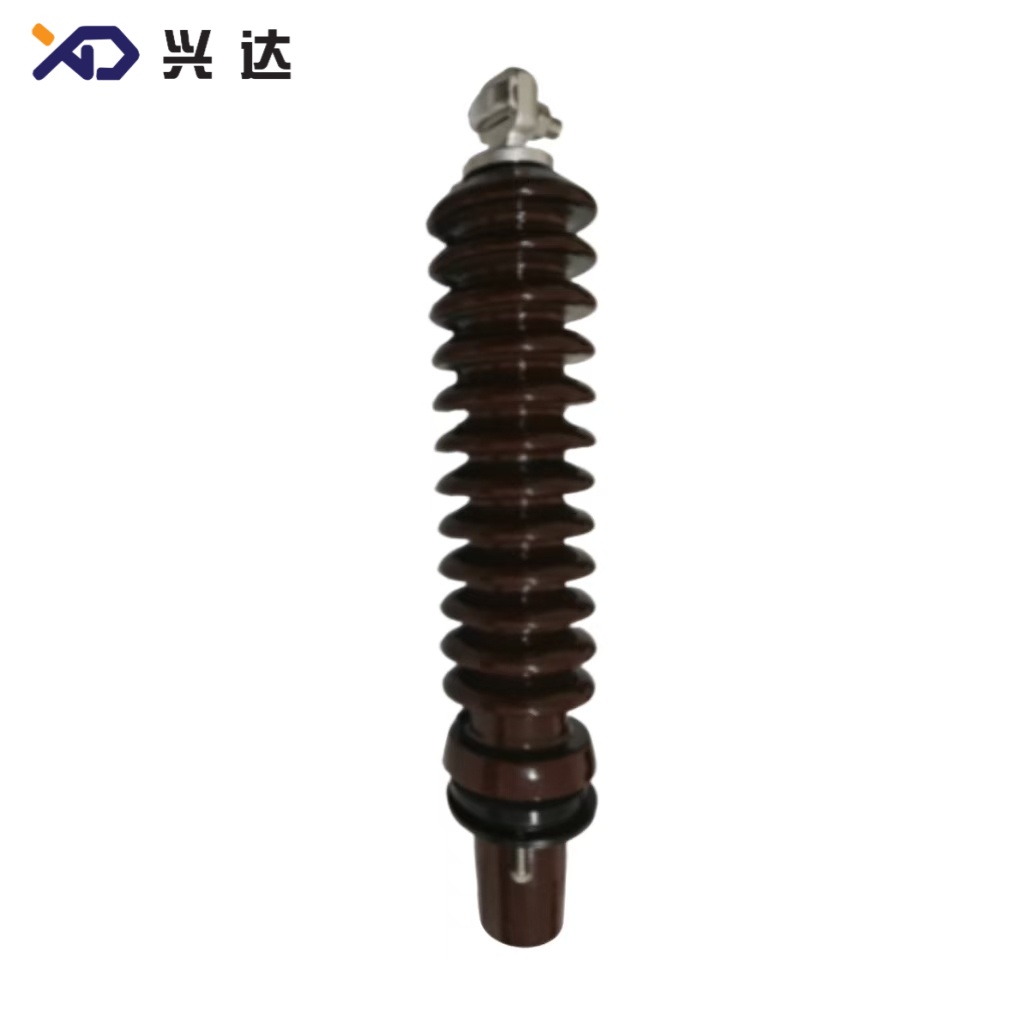
An ANSI bushing consists of three core sections: the external air-side insulating housing, the central current-carrying conductor, and the oil-side sealing flange mounted onto transformer tank openings. The sealing structure isolates transformer insulating oil from the external environment to prevent oil seepage. The outer insulator sheds extend creepage distance, resisting surface leakage current under wet, dusty or polluted outdoor environments.
Key Governing Standards
- IEEE C57.19.00: General requirements and test procedures for power apparatus bushings
- IEEE C57.19.01: Standard specifications for transformer bushings under ANSI framework
ANSI C29 series: Test criteria for porcelain and polymer insulatorsAll electrical tests, including power frequency withstand voltage, lightning impulse voltage, partial discharge, temperature rise and mechanical cantilever load tests, strictly follow the above standard protocols.
Core Working Mechanism
- The central copper conductor continuously transmits load current between transformer internal windings and external circuits.
- Insulating housing separates live conductor from grounded transformer tank to avoid short circuit.
- Multi-shed outer design increases leakage path length, suppressing surface tracking and flashover.
- Compression gaskets between flange and tank form an oil-tight seal to maintain insulating oil integrity inside oil-filled transformers.
Main Types of ANSI Bushings (Industry Standard Classification)
1. Low Voltage ANSI Bushing (1.2kV Class)
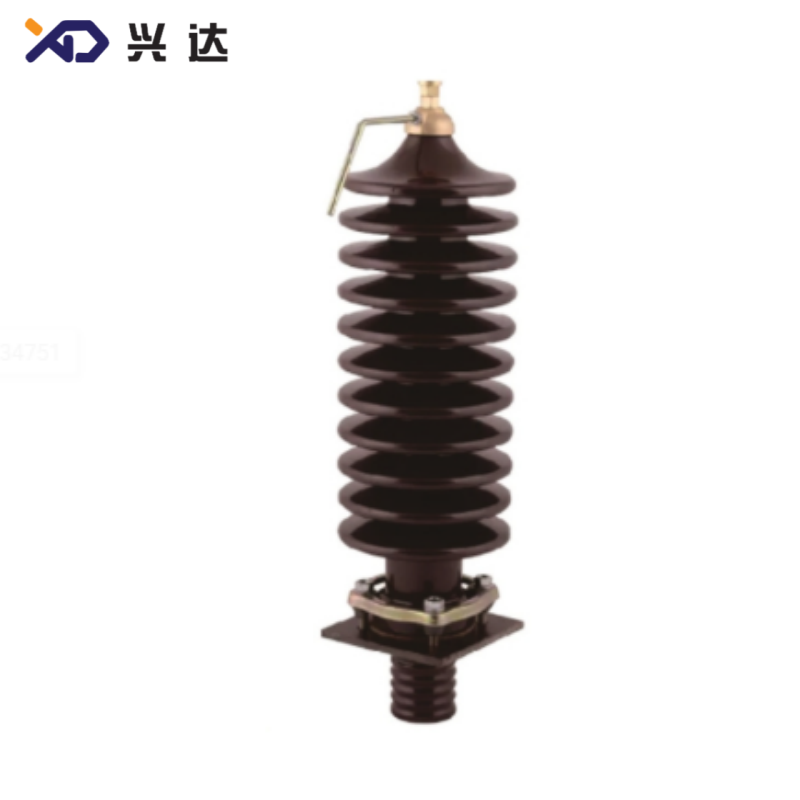
2. High Voltage Porcelain ANSI Bushing (15kV, 18kV, 25kV, 34kV)
High voltage ANSI porcelain bushings represent the largest product category for North American distribution networks. Equipped with multiple porcelain sheds to achieve standardized ANSI creepage distances. Terminals can be customized as eyebolt connectors or spade lugs. Suitable for both pole-mounted transformers and underground pad-mounted transformer units. Most models support direct flange mounting on transformer tank walls.
Universal Technical Specification Table for ANSI Bushings
| Parameter Item | Low Voltage Porcelain ANSI Bushing | High Voltage Porcelain ANSI Bushing |
|---|---|---|
| Standard Voltage Class | 1.2 kV | 15kV, 18kV, 25kV, 34kV |
| Rated Continuous Current | 125A ~ 3150A | 55A |
| Main Insulation Material | Wet-process glazed porcelain | High-alumina glazed porcelain |
| Outer Housing Material | Glazed ceramic | Glazed ceramic |
| Standard Terminal Type | Spade terminal / Eyebolt | Eyebolt / Spade lug |
| Operating Temperature Range | -40°C ~ +105°C | -40°C ~ +105°C |
| Minimum Standard Creepage Distance | 120 mm | 280 ~ 710 mm (ANSI standard) |
| Mounting Form | Flange side mounting | Flange tank mounting |
| Sealing Medium Compatibility | Mineral transformer oil, ester oil | Mineral transformer oil, ester oil |
| Main Application | Distribution transformer secondary side | Pad mount & pole-mounted transformer primary side |
Core Advantages of ANSI Standard Bushings
1. Unified Standardization & Interchangeability
2. Stable Electrical Performance for North American Grid Conditions
3. Multiple Terminal Options for Flexible Connection
4. Excellent Sealing Performance Reduces Transformer Oil Leakage
5. Diverse Material Choices Adapted to Various Environments
6. Complete Test Standards Ensure Long-Term Reliability
Every ANSI bushing type must pass a full set of IEEE acceptance tests, including partial discharge measurement, temperature rise test, cantilever mechanical load test and thermal cycling test. Products passing standard tests demonstrate low failure risk during decades of field operation.
Industrial Application Range of ANSI Bushings
- Pad-mounted distribution transformers for urban underground power networks
- Pole-mounted transformers used in rural and suburban 60Hz power grids
- Oil-immersed distribution transformers exported to North America, Central America and regions adopting ANSI specifications
- Medium voltage power transformers inside industrial factory substations
- Renewable energy step-up transformers for solar and wind power projects targeting US markets
- Mobile power transformers and temporary power distribution equipment following ANSI codes
- Special oil-filled electrical equipment requiring ANSI standard insulated through-wall terminals
ANSI Bushing Selection Guide
- Confirm Voltage Class and BIL RatingMatch nominal system voltage and required Basic Impulse Insulation Level according to local electrical codes. Distribution transformers commonly use 15kV or 25kV ANSI bushings; confirm whether pollution levels demand extended creepage distance.
- Determine Rated Continuous Current and Terminal StyleCalculate maximum load current and choose eyebolt, spade or draw-lead terminals. High-current secondary sides of distribution transformers usually select multi-hole spade terminal ANSI bushings.
- Select Insulation Housing Material Based on EnvironmentNormal inland environment: standard glazed porcelain ANSI bushing. Coastal salt spray, heavy industrial pollution: composite silicone polymer ANSI bushing. High voltage transmission transformers: condenser type OIP/RIP ANSI bushing.
- Verify Mounting Dimensions and Sealing RequirementsCheck flange diameter, bolt circle, mounting hole quantity and tank wall thickness. Confirm compatibility with mineral oil or environmentally friendly ester insulating oil to avoid gasket swelling.
- Check Mechanical Load LimitsEvaluate external cable pulling force and wind load to ensure the bushing can withstand specified cantilever load defined by ANSI/IEEE standards.
Routine Maintenance & Common Troubleshooting
Regular Maintenance Checklist
- Conduct visual inspection every 6 months: check insulator surface for cracks, contamination, tracking marks and oil leakage at flange joints.
- Clean accumulated dust and salt deposits on sheds periodically to maintain effective creepage distance.
- Inspect flange bolt torque; retighten bolts according to recommended torque values if loose.
- For condenser type ANSI bushings, perform power factor and partial discharge testing every 2–3 years.
Replace aging rubber gaskets during bushing removal or transformer overhaul to prevent oil leakage.
Typical Operational Issues
- Surface tracking or flashover: Caused by heavy pollution, insufficient cleaning or inadequate creepage distance.
- Oil seepage at flange: Loose mounting bolts, deformed flange or aging sealing gaskets.
- Partial discharge growth: Internal insulation voids, moisture ingress or mechanical damage during transportation.
- Porcelain insulator breakage: Impact damage during transport or excessive external cantilever load.
Safety reminder: Any disassembly work on ANSI bushings must be carried out after transformer power cut and oil pressure relief. Avoid heavy impact on porcelain housings during handling and installation.
Conclusion
Categories
Contact Us
Contact: Tianjin Delda Trading Co., Ltd
WhatsApp: +86 13662056855
Tel:
E-mail: solomon20210701@tjxddq.com
Add: Unit‑101, Workshop 3, Bozhong Automobile Industrial Park, No.5 Xianghui Road, Intersection of Xianghui Road and Gaoying Road, Beizhakou Town, Jinnan District, Tianjin, China