DIN Bushing
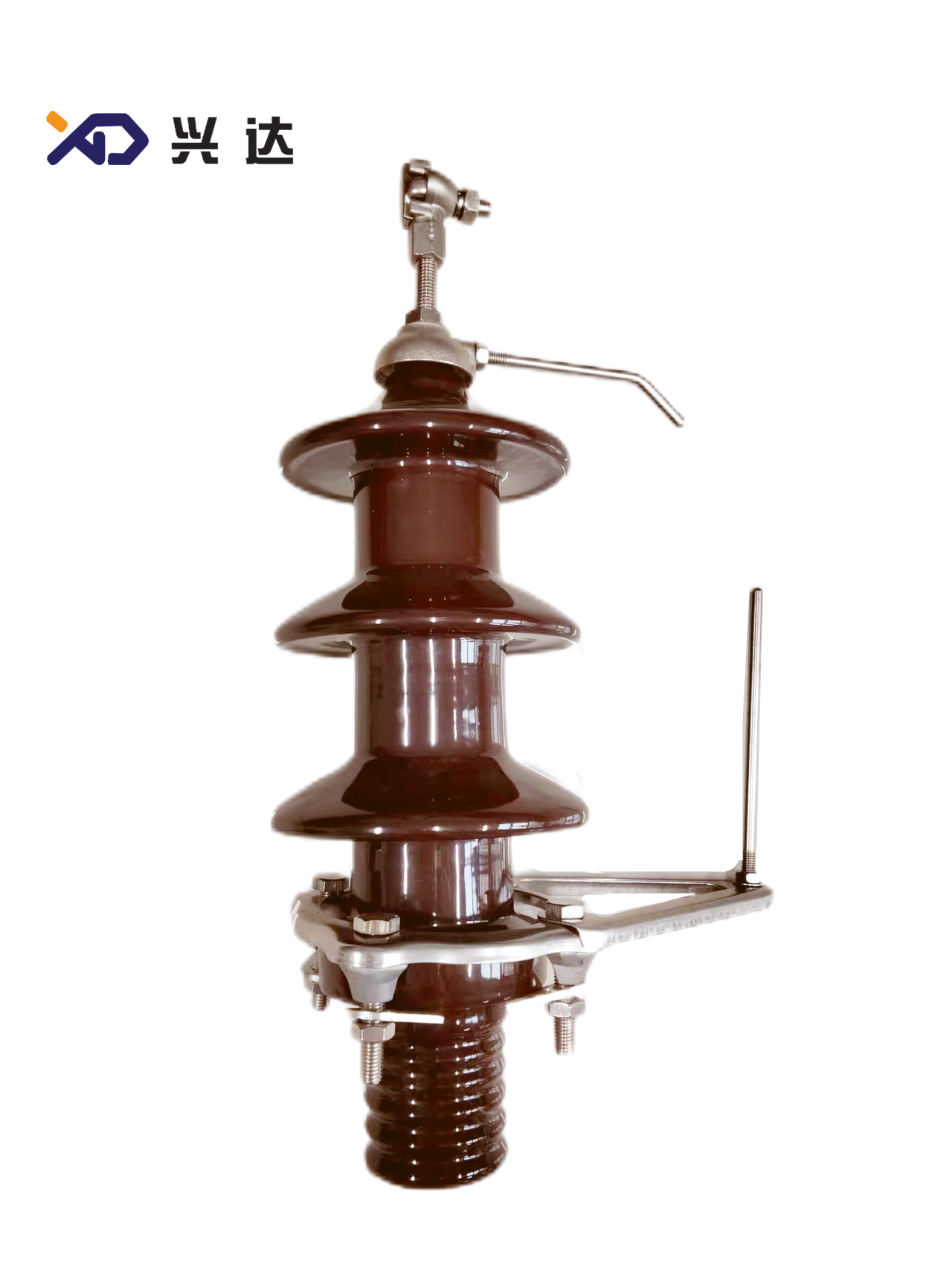
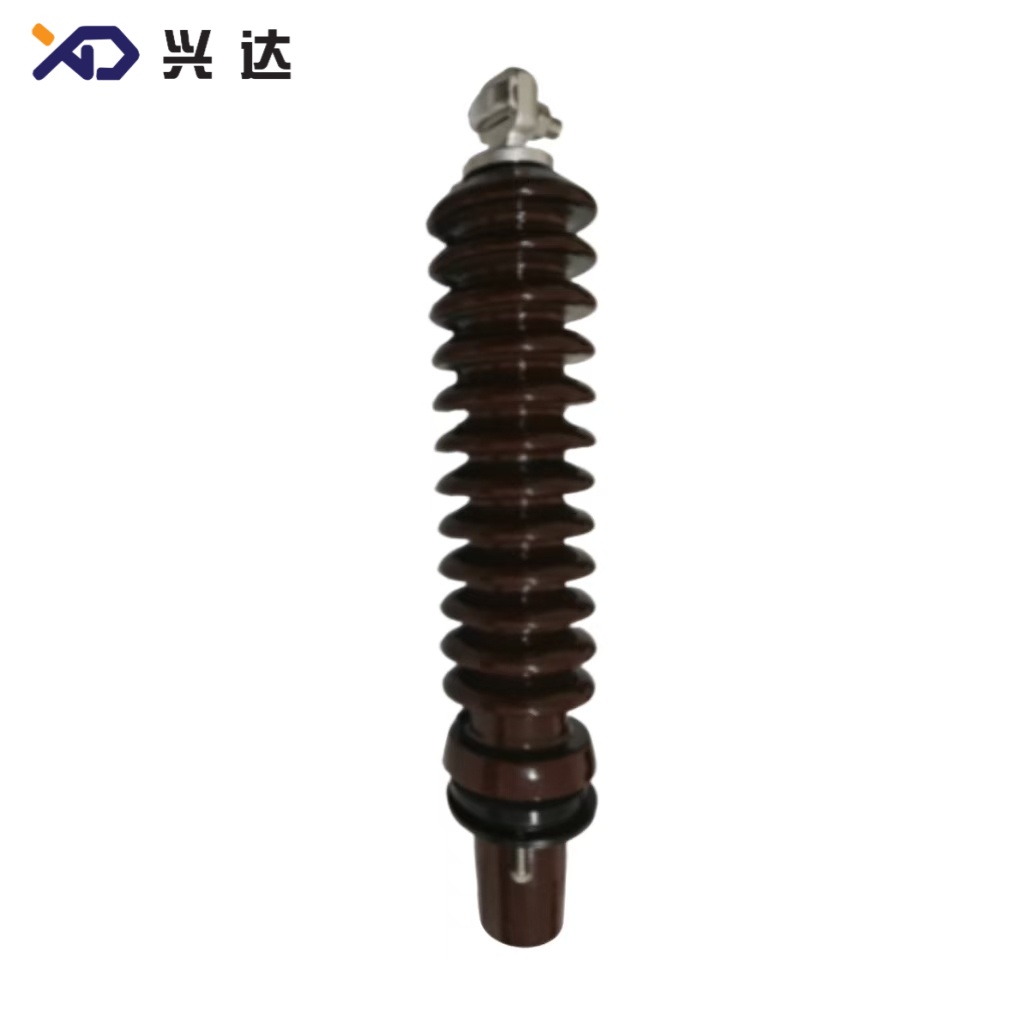
12‑36KV /250‑630A DIN Cable‑through Bushing for Oil‑Immersed Medium‑Voltage Transformers
12~36KV/250~630A DIN Cable-through Transformer Bushing: A Practical Guide to Design, Function, and Application
In modern medium-voltage power systems, reliability, compact structure, and safe insulation performance are all essential requirements. Among the many components that support the stable operation of transformers and switchgear, the 12~36KV/250~630A DIN Cable-through Transformer Bushing plays a critical role. Although it may appear to be a small interface component, its function is deeply connected to the safety, efficiency, and long-term durability of electrical installations.
This type of bushing is designed to provide a secure passage for power cables through transformer tanks or similar grounded enclosures while maintaining electrical insulation and mechanical stability. It is commonly used in applications where medium-voltage conductors must enter or exit equipment without compromising the insulation system. Because it must perform under demanding electrical and environmental conditions, its design requires careful attention to material selection, dimensional accuracy, thermal endurance, and compatibility with standardized interfaces.
Understanding the Core Function
A transformer bushing is essentially an insulating device that allows an energized conductor to pass through a grounded barrier. In a transformer, the conductor must move from the internal winding system to the external connection point. Without a proper bushing, the conductor would create a direct electrical path to ground, leading to failure or dangerous operating conditions.
The 12~36KV/250~630A DIN Cable-through Transformer Bushing is specifically intended for medium-voltage systems in the 12 kV to 36 kV range, with current ratings from 250 A to 630 A. This range covers many widely used distribution and industrial power applications. The DIN-based interface ensures dimensional consistency and easier integration with compatible equipment. Such standardization is especially valuable in projects where multiple electrical components must fit together precisely and function reliably over many years.
Voltage and Current Range Explained
The voltage rating of 12~36KV indicates that the bushing is suitable for medium-voltage circuits within this range. This makes it adaptable to a variety of utility, industrial, and infrastructure installations. Systems operating at 12 kV, 24 kV, or 36 kV often require robust insulation that can withstand not only the nominal voltage but also transient overvoltages caused by switching events or lightning disturbances.
The current rating of 250~630A reflects the bushing’s ability to carry substantial load currents safely. A lower current rating may be suitable for compact distribution systems, while the upper end of the range supports larger power transfer requirements. The wide current span makes this type of bushing versatile for different transformer capacities and load profiles.
Selecting the correct voltage and current rating is not only a matter of technical compliance. It also affects heat generation, partial discharge performance, contact stability, and the service life of the equipment. A bushing that is under-rated may experience excessive thermal stress, insulation degradation, or premature failure.
Why the DIN Standard Matters
The DIN standard provides a structured and widely recognized design reference for electrical components. In the case of a cable-through transformer bushing, using a DIN interface simplifies installation and replacement. Standardized dimensions reduce the risk of mismatch, improve mechanical fit, and support interchangeability across different systems that follow the same specification.
This is particularly important in maintenance environments. When a transformer needs servicing, technicians benefit from components that can be replaced without extensive modification. Standardization also helps reduce inventory complexity, since compatible bushings can often be used across multiple equipment models.
In addition, DIN compatibility supports better project planning. Engineers can design switchgear bays, transformer terminals, and cable terminations with greater confidence when the interface dimensions are known in advance. This helps save time during construction and reduces the likelihood of costly installation errors.
Structural Features and Materials
The performance of a 12~36KV/250~630A DIN Cable-through Transformer Bushing depends heavily on its structure and materials. A typical bushing includes an insulating body, a central conductive path, sealing elements, and mechanical mounting features.
1. Insulating Body
The insulating section is often made from high-performance materials such as epoxy resin or other advanced insulating compounds. These materials provide excellent dielectric strength and resistance to moisture, contamination, and mechanical impact. The shape of the insulation body is designed to control electric field distribution and reduce the risk of partial discharge.
2. Conductive Path
The internal conductor must carry current efficiently while maintaining secure electrical contact. Copper or copper-alloy components are often used because of their conductivity and reliability. The conductor design must ensure low resistance and stable thermal performance during continuous operation.
3. Sealing System
Since transformer bushings may operate in outdoor or semi-enclosed environments, effective sealing is essential. Moisture ingress can severely damage insulation performance. Good sealing protects internal components from water, dust, and other contaminants that could shorten the service life of the bushing.
4. Mounting Interface
The DIN mounting structure ensures that the bushing can be securely fixed to the transformer or associated enclosure. Mechanical stability is important because vibration, thermal expansion, and cable tension can all place stress on the connection point.
Electrical Performance Considerations
In medium-voltage applications, the electrical performance of a bushing must be carefully controlled. The most important factors include dielectric strength, partial discharge resistance, creepage distance, and impulse withstand capability.
Dielectric Strength
The insulation system must withstand the operating voltage without breakdown. For a bushing rated up to 36 kV, the design must provide adequate insulation margin to handle normal service conditions as well as abnormal events.
Partial Discharge Resistance
Partial discharge is a localized electrical phenomenon that can gradually damage insulation over time. High-quality bushings are engineered to minimize field concentration and eliminate internal voids that could trigger discharge activity.
Creepage Distance
Creepage distance is the path along the surface of the insulation between conductive parts. A sufficient creepage distance is especially important in polluted or humid environments, where surface leakage could lead to flashover.
Impulse Withstand
Power systems are exposed to transient overvoltages caused by switching operations and lightning. The bushing must be capable of withstanding these short-duration stresses without losing insulation integrity.
Mechanical and Thermal Performance
Electrical components in transformers are subject to mechanical and thermal stress. The 12~36KV/250~630A DIN Cable-through Transformer Bushing must endure repeated heating and cooling cycles without loosening, cracking, or deforming. Thermal expansion can affect contact pressure and sealing integrity, so the design must accommodate these changes.
Mechanical durability is equally important. During installation, cable connection, and maintenance, the bushing may experience torque, bending, or vibration. A robust construction ensures that these stresses do not compromise electrical performance. The interface must also support stable operation over long periods, even in demanding field conditions.
Typical Applications
This type of bushing is used in a broad range of medium-voltage installations, including:
- Distribution transformers
- Compact substations
- Industrial power systems
- Renewable energy installations
- Underground cable connection points
- Grid interface equipment
- Medium-voltage switchgear arrangements
In each of these applications, the bushing serves as a reliable transition point between internal transformer circuits and external power cables. Its ability to handle medium voltage and medium-to-high current levels makes it suitable for many utility and industrial power networks.
Installation and Maintenance
Correct installation is crucial for achieving full performance from a transformer bushing. Even a high-quality component can fail prematurely if installed improperly. Before installation, the mounting surface should be clean and free of damage. All contact surfaces must be checked for alignment and correct torque. Cable termination should be secure and consistent with the prescribed connection method.
Maintenance should focus on visual inspection, thermal condition, and insulation integrity. Signs of discoloration, contamination, cracking, or abnormal heating may indicate a developing problem. In some systems, periodic electrical testing may be used to evaluate insulation condition and detect early signs of degradation.
Because medium-voltage equipment operates with high fault consequences, proactive inspection is more effective than reactive repair. A well-maintained bushing can provide many years of dependable service and help prevent unplanned outages.
Advantages of the 12~36KV/250~630A DIN Cable-through Transformer Bushing
There are several practical advantages to using this type of bushing:
1. Wide voltage coverage
Its suitability for 12 kV to 36 kV systems provides flexibility across many network designs.
2. Current range versatility
With 250 A to 630 A capability, it can support different load requirements.
3. Standardized DIN interface
This improves compatibility and simplifies replacement.
4. Compact and practical design
Cable-through construction supports space-efficient transformer layouts.
5. Reliable insulation performance
Properly engineered bushings help maintain system safety and longevity.
6. Lower installation complexity
Standard interfaces and clear mounting structures reduce the chance of installation errors.
Selection Factors for Engineers
Choosing the right bushing involves more than matching voltage and current values. Engineers should also consider:
- System insulation coordination
- Environmental conditions
- Required creepage distance
- Cable size and termination style
- Mounting configuration
- Short-circuit withstand requirements
- Long-term maintenance expectations
A correct selection ensures not only electrical compatibility but also operational stability and lifecycle value. In many cases, the surrounding system design is just as important as the component specification itself.
Conclusion
The 12~36KV/250~630A DIN Cable-through Transformer Bushing is a vital component in medium-voltage power systems, providing a safe and efficient pathway for current to pass through transformer enclosures while preserving insulation integrity. Its value lies in the combination of standardized DIN compatibility, medium-voltage capability, flexible current rating, and dependable mechanical and electrical performance.
As power networks continue to demand greater reliability, compactness, and maintainability, this type of bushing remains an important solution for transformer connections and related applications. Whether used in utility infrastructure, industrial power distribution, or renewable energy systems, it contributes directly to safe operation and long service life.
By understanding its structure, performance requirements, and installation considerations, engineers and technicians can make better decisions and ensure that the overall electrical system operates efficiently and securely.
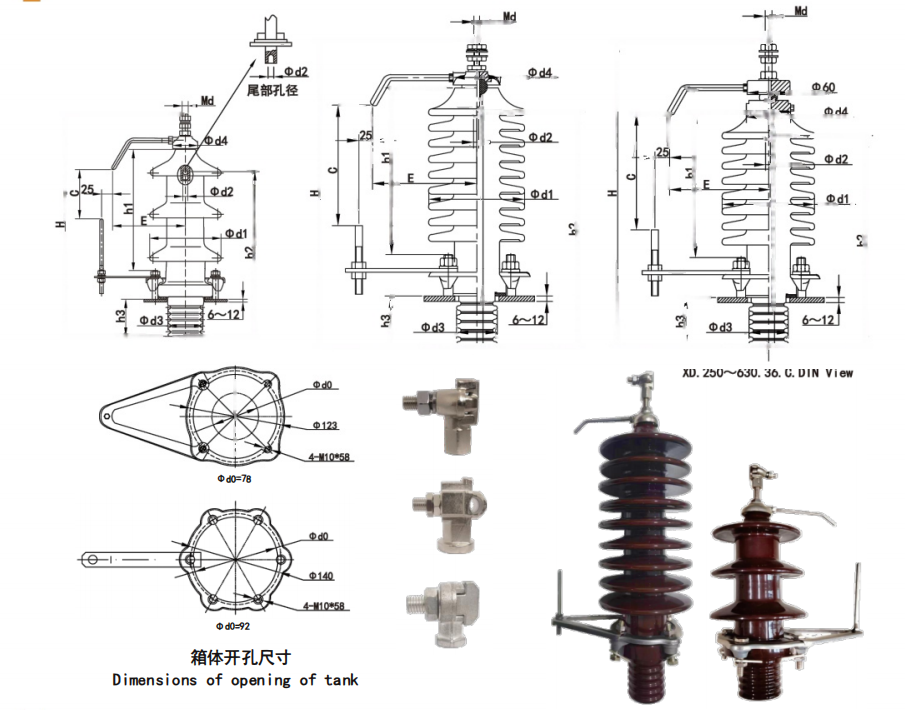
| 代号 ( Code) | 型号 Model | 尺寸(Dimensions) | 箱盖 开孔 opening | 干弧 aroing distance | 爬距 creep distance | 伞形 shield | 重量 welght (kg ) | ||||||||||||||
| H | h2 | h3 | Md | d1 | d2 | d3 | d4 | E | C | d0 | h1 | ||||||||||
| XD.0250.12.DIN | DIN-12/250 | 371 | 254 | 59 | M12x1.75 | 140 | 8 | 74 | 50 | 150 | 85 | 78 | 175 | 300 | 2单伞 | 5 | |||||
| XD.0630.12.DIN | DIN-12/630 | 403 | 254 | 59 | M20x2.5 | 150 | 12 | 88 | 60 | 180 | 85 | 92 | 175 | 310 | 2单伞 | 7.1 | |||||
| XD.0250.24.DIN | DIN-24/250 | 461 | 344 | 74 | M12x1.75 | 145 | 8 | 74 | 50 | 150 | 155 | 78 | 250 | 440 | 3单伞 | 6.8 | |||||
| XD.0630.24.DIN | DIM-24/630 | 493 | 344 | 74 | M20x2.5 | 160 | 12 | 88 | 60 | 180 | 155 | 92 | 250 | 460 | 3单伞 | 9.3 | |||||
| XD.0250.36.DIN | DIN-36/250 | 561 | 444 | 74 | M12x1.75 | 155 | 8 | 74 | 50 | 150 | 220 | 78 | 350 | 610 | 4单伞 | 7.8 | |||||
| XD.0630.36.DIN | DIN-36/630 | 618 | 469 | 90 | M20x2.5 | 180 | 12 | 88 | 60 | 200 | 220 | 92 | 355 | 670 | 4单伞 | 12 | |||||
| XD.0250.36.A.DIN | DIN-36/250 | 559 | 444 | 74 | M12x1.75 | 170 | 8 | 74 | 50 | 150 | 220 | 78 | 350 | 995 | 8伞 | 9.5 | |||||
| XD.0250.36.B.DIN | DIM-36/250 | 591 | 476 | 74 | M12x1.75 | 175 | 8 | 74 | 50 | 150 | 220 | 78 | 382 | 1116 | 9伞 | 12 | |||||
| XD.0250.36.C.DIN | DIN-36/250 | 711 | 540 | 140 | M16x2.0 | 190 | 8 | 74 | 70 | 150 | 200 | 78 | 392 | 1207 | 8伞 | 15 | |||||
| XD.0400.36.C.DIN | DIN-36/400 | 711 | 540 | 140 | M16×2.0 | 190 | 6.5 | 74 | 70 | 150 | 200 | 78 | 392 | 1207 | 8伞 | 15 | |||||
| XD.0630.36.C.DIN | DIN-36/630 | 711 | 540 | 140 | M20:x2.5 | 190 | 12 | 74 | 70 | 150 | 200 | 78 | 392 | 1207 | 8伞 | 15 | |||||
Categories
Contact Us
Contact: Tianjin Delda Trading Co., Ltd
WhatsApp: +86 13662056855
Tel:
E-mail: solomon20210701@tjxddq.com
Add: Unit‑101, Workshop 3, Bozhong Automobile Industrial Park, No.5 Xianghui Road, Intersection of Xianghui Road and Gaoying Road, Beizhakou Town, Jinnan District, Tianjin, China