DIN Bushing
Hollow‑core 12KV/250A DIN Cable‑through Bushing
12KV/250A DIN Cable‑through Bushing Technical Guide
Introduction
A 12KV/250A DIN cable‑through bushing is a standard‑compliant insulating component specially designed for oil‑immersed power transformers. Following DIN installation dimensional standards together with IEC‑EN 60137 specifications, this cable‑through type transformer bushing allows power cables to pass directly through the inner bore of the bushing body, eliminating additional intermediate connection terminals for certain transformer cabinet layouts. Widely adopted in European‑standard distribution transformers, renewable‑energy step‑up transformers and overseas power‑grid retrofit projects, the 12 kV 250 A DIN cable‑through bushing remains one of the most‑sought‑after low‑and‑medium‑voltage insulating parts for global transformer procurement engineers.
Unlike conventional terminal‑type DIN bushings which rely on external copper terminals for cable connection, the cable‑through structural design runs the cable conductor through the hollow centre of the bushing. This mechanical layout simplifies on‑site wiring procedures, shortens assembly time and reduces potential contact‑resistance risks caused by loose terminal bolting. Global buyers frequently search for 12KV/250A DIN cable‑through bushing, DIN cable‑through transformer bushing 12kV 250A, 12kV 250A hollow‑core DIN bushing when sourcing replacement units or specifying new‑build transformer bill‑of‑materials. This class of bushing is primarily applied to 12 kV distribution transformers with rated current at 250 Amperes, matching standard transformer tank opening dimensions defined in DIN 42531.
What is 12KV/250A DIN Cable‑through Bushing
The 12KV/250A DIN cable‑through bushing is a hollow‑core insulating bushing manufactured according to DIN mechanical mounting dimensions and EN 60137 insulator performance requirements. Its core feature is the central through‑hole, enabling power cable penetration straight through the bushing body from outside the transformer tank into the internal winding compartment.
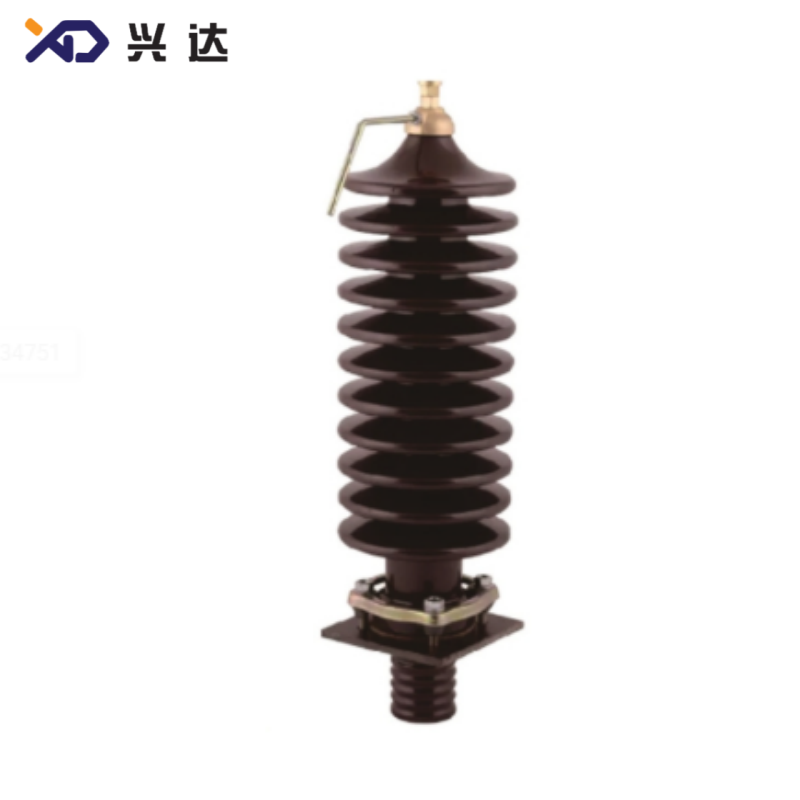
Main operating parameters define its application boundaries: rated voltage 12 kV, rated continuous current 250 A, designed for installation on oil‑filled transformer tanks. The main insulation body is normally high‑grade porcelain insulator with external anti‑pollution shed profiles. Metal accessories including mounting flange, fastening nuts and clamping fittings are made of corrosion‑resistant copper or alloy materials to resist transformer‑oil aging and outdoor atmospheric corrosion.
This bushing category belongs to the 12‑36 kV /250‑630 A DIN cable‑through bushing product family. The 250 A variant is the most common baseline specification for medium‑size 12 kV distribution transformers. It is extensively deployed across Europe, Southeast Asia, Middle‑East power‑grid construction and African transformer projects that adopt European DIN system standards. It is critical to distinguish cable‑through bushing from standard spade‑terminal DIN bushing: the hollow‑cable‑pass‑through structure changes tank‑wiring logic and cannot be directly interchanged with solid‑conductor terminal‑type bushings without mechanical modification of transformer tank openings.
Core Advantages of 12KV/250A DIN Cable‑through Bushing
- Simplified Field Cabling The hollow central bore permits direct cable running‑through. Engineers skip installing extra external connecting terminals, lowering total on‑site assembly workload and shortening transformer manufacturing cycle.
- Reduced Contact‑Resistance Failure Risk Fewer bolt‑joint connections minimize potential overheating points. For 250 A continuous‑current working conditions, stable electrical contact lowers local hot‑spot risk under full‑load operation.
- DIN‑Standardized Mounting Footprint Strictly follows DIN 42531 tank‑opening hole‑position dimensions. Standard flange layout supports drop‑in installation for DIN‑compliant 12 kV transformer tanks without custom machining for most standard cabinets.
- Reliable Porcelain Insulation Performance High‑quality porcelain insulator sheds deliver good anti‑pollution, anti‑aging and oil‑immersion‑resistant performance. Suitable for both indoor substation equipment and outdoor pole‑mounted distribution‑transformer operating environments.
- Wide Compatibility with Transformer Oil All metal and insulator materials are chemically compatible with mineral transformer oil. No swelling, degradation or contaminant release occurs during long‑term immersion inside oil‑filled transformer housings.
- Clear Technical Compliance Designed to satisfy EN 60137 insulator testing criteria. Units passing dielectric withstand test, partial‑discharge test and thermal‑cycle test can serve global markets requiring European‑standard power equipment components.
Technical Specification Table for 12KV/250A DIN Cable‑through Bushing
| Parameter Item | 12KV/250A DIN Cable‑through Bushing Value |
|---|---|
| Rated Voltage | 12 kV |
| Rated Continuous Current | 250 A |
| Applicable Standard | DIN 42531, EN 60137 |
| Insulator Material | Porcelain |
| Application Environment | Oil‑immersed transformer, indoor & outdoor |
| Tank Opening Mounting Standard | DIN standard flange hole layout |
| Arcing Distance | 175 mm |
| Creepage Distance | 300 mm |
| Main Structure Feature | Hollow cable‑through central bore |
| Matching Transformer Type | 12 kV distribution oil‑immersed transformer |
| Weight | 5 kg |
| Terminal Configuration | Cable‑penetration structure, no external spade terminal |
Key Installation Notes
- Tank Opening Verification Before installation, confirm the transformer tank opening matches DIN‑defined flange hole‑position dimensions. Non‑standard tank openings require mechanical re‑working; mismatched hole positions cause assembly failure and sealing leakage risk.
- Sealing Surface Protection Protect flange sealing surfaces during handling. Scratches or debris on gasket‑contact surfaces will lead to transformer‑oil leakage after assembly. Install qualified oil‑resistant rubber gaskets between bushing flange and transformer tank wall.
- Cable‑through Assembly Requirements When feeding power cable through the central bore, avoid sharp pulling that scratches the inner surface of the bushing insulator. Keep proper clearance between cable outer sheath and inner bore wall to prevent insulation abrasion under equipment vibration.
- Torque Control for Fastening Fittings Follow recommended torque values for all nuts and clamps. Excessive torque may crack porcelain insulator sheds; insufficient torque brings loose sealing and poor electrical contact under rated‑current load.
- Pre‑commissioning Electrical Check After full assembly, perform power‑frequency withstand‑voltage test and partial‑discharge inspection as per EN 60137. Confirm no oil leakage before transformer energization.
Main Application Scenarios
- 12 kV oil‑immersed distribution transformers following European DIN standards
- Distribution‑transformer replacement‑part maintenance projects
- Renewable‑energy box‑type substation transformers for European, Southeast‑Asia and Middle‑East markets
- Grid‑upgrade retrofit projects requiring DIN‑system cable‑through insulating sleeves
- Small‑and‑medium‑size industrial‑plant power‑supply transformers complying with IEC‑DIN specifications
Selection Guidance for Global Purchasers
When sourcing 12KV/250A DIN cable‑through bushing, buyers should verify several core dimensions besides voltage and current rating. First, confirm it is cable‑through hollow‑core construction instead of solid‑conductor spade‑terminal DIN bushing, as these two types are not interchangeable. Second, cross‑check flange mounting hole layout against transformer tank drawing to match DIN 42531 dimension requirements. Third, confirm creepage distance and arcing distance meet local grid anti‑pollution requirements; heavy‑pollution coastal or industrial zones sometimes request extended creepage‑distance variants.
Procurement teams shall request valid dielectric‑withstand test reports and material certificates. Avoid mixing ANSI‑standard bushing parts with DIN‑standard transformer cabinets, since flange benchmarks and structural concepts differ completely. If project current requirement rises above 250 A, users should upgrade to higher‑current models within the 12‑36 kV /250‑630 A DIN cable‑through bushing series.
Conclusion
The 12KV/250A DIN cable‑through bushing fills a special niche within medium‑voltage transformer‑insulator portfolios. Its hollow cable‑penetrating design optimizes transformer‑internal wiring workflows while keeping full DIN‑EN standard compliance. For international transformer manufacturers and maintenance contractors serving DIN‑standard markets, correct specification of this cable‑through‑type bushing improves assembly efficiency and long‑term operational reliability of 12 kV distribution transformers. Understanding structural distinctions between cable‑through bushing and conventional terminal‑style DIN bushing helps global power‑component buyers eliminate specification errors during part selection and procurement cycles.
Categories
Contact Us
Contact: Tianjin Delda Trading Co., Ltd
WhatsApp: +86 13662056855
Tel:
E-mail: solomon20210701@tjxddq.com
Add: Unit‑101, Workshop 3, Bozhong Automobile Industrial Park, No.5 Xianghui Road, Intersection of Xianghui Road and Gaoying Road, Beizhakou Town, Jinnan District, Tianjin, China