EN Bushing
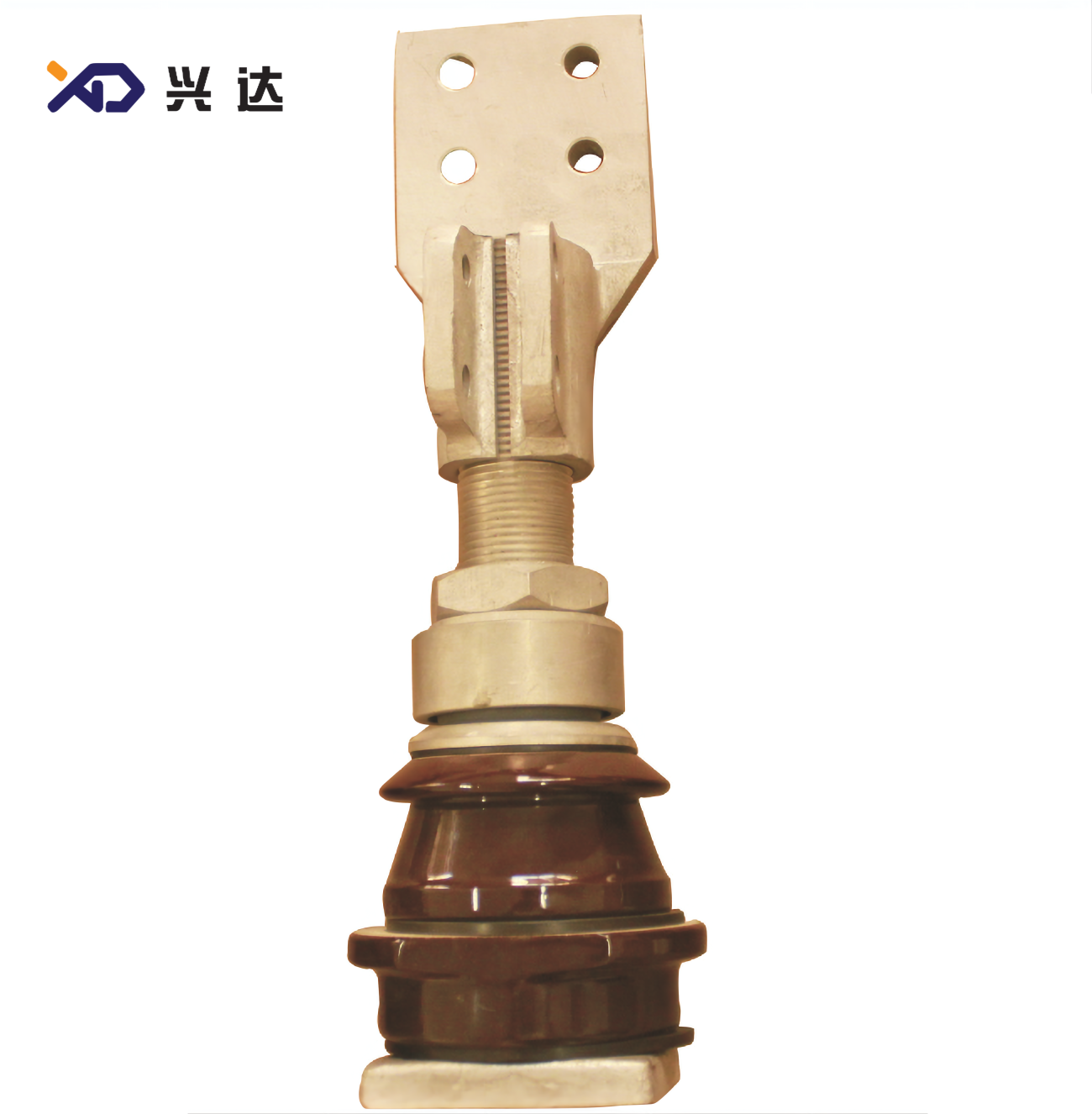
EN Bushing | Standard Metric Plain Sleeve Bearing for Industrial Machinery
EN Bushing: Complete Technical Guide for Industrial Applications
1. What Is an EN Bushing?
- EN 1982: Copper and copper alloys ingots and castings (bronze/brass bushing materials)
- EN ISO 3547: Plain bearings — wrapped bushes (metric dimensional series)
- EN 4535 series: Aerospace self-lubricating flanged EN bushings
- EN ISO 4379: Cylindrical plain bearings, solid bushes
Engineers worldwide select EN bushings for projects requiring consistent metric sizing, predictable mechanical performance, and cross-brand interchangeability. They are widely distinguished from DIN-only bushings, ANSI imperial bushings, or non-standard aftermarket sleeves, as full EN compliance mandates formal material certification and standardized tolerance control.
2. Core Types of EN Bushing
2.1 Straight Cylindrical EN Bushing
2.2 Flanged EN Bushing
2.3 Sintered Bronze EN Bushing
2.4 Multi-Layer Self-Lubricating EN Bushing
Composite EN bushing constructed with a low-carbon steel backing layer, sintered bronze intermediate layer and thin PTFE-lead-free self-lubricating surface layer. Operates without external grease or oil maintenance, suitable for dry-running conditions, food processing machinery and outdoor exposed equipment.
3. Main Advantages of Using EN Standard Bushings
- Standardized Metric InterchangeabilityAll EN-compliant bushings share unified bore, outer diameter and length tolerances. Components from different suppliers can be swapped without rework on housing or shaft machining. This reduces inventory complexity for OEM manufacturers and maintenance teams.
- Controlled Tolerance PerformanceEN specifications define strict limits on roundness, surface roughness and dimensional deviation. Consistent clearances between EN bushing inner bore and mating shaft minimize friction, noise and premature seizure.
- Broad Material Selection for Working ConditionsEN standards validate multiple alloy, composite and polymer material grades. Designers can select suitable EN bushing materials for high temperature, heavy static loads, dry operation or corrosive working environments.
- Cost-Effective Wear ProtectionAs sacrificial wear components, EN bushings protect costly shafts and machine frames. Replacing a worn EN bushing costs far less than repairing or remanufacturing hardened shafts or cast housings.
- Vibration and Noise ReductionPlain EN bushings deliver smoother motion than rolling bearings under shock and intermittent loads. They damp mechanical vibration and lower operational noise in conveyors, agricultural machinery and automation equipment.
- Compact Assembly FootprintEN sleeve bushings occupy less radial space than ball or roller bearings, making them ideal for compact machine designs, small gear units and hand-operated mechanical assemblies.
- Wide Motion CompatibilitySuitable for continuous rotation, reciprocating linear sliding, small-angle oscillation and intermittent cyclic movement. Many rolling bearing alternatives struggle with slow oscillating motion, while properly selected EN bushings resist edge loading and fatigue wear.
4. EN Bushing Common Material Performance Comparison Table
| EN Bushing Material Type | Standard Material Grade | Operating Temperature Range | Maximum Static Load (MPa) | Maximum Dynamic Load (MPa) | Maximum Sliding Speed (m/s) | Lubrication Requirement | Typical Applications |
|---|---|---|---|---|---|---|---|
| Solid Cast Bronze EN Bushing | CC495K (CuSn10Pb10, EN 1982) | -40 °C ~ +150 °C | 120 | 40 | 1.0 | Grease / Oil Lubrication | Gearboxes, hydraulic actuators, agricultural machinery |
| Sintered Bronze EN Bushing | SINT A51 Porous Bronze | -10 °C ~ +90 °C | 20 | 10 | 0.5 | Pre-impregnated Oil | Small motors, office automation, household machinery |
| Multi-Layer PTFE Composite EN Bushing | Steel-Bronze-PTFE Lead-Free | -200 °C ~ +260 °C | 140 | 30 | 2.5 | Maintenance-Free (Dry Run) | Food machinery, packaging lines, outdoor equipment |
| Graphite Embedded Bronze EN Bushing | CuSn8 with Solid Graphite Plugs | -40 °C ~ +250 °C | 90 | 25 | 0.8 | Minimal periodic lubrication | High-temperature ovens, metal forming equipment |
| Polymer (POM) EN Bushing | Modified Polyoxymethylene | -40 °C ~ +100 °C | 35 | 8 | 1.5 | Dry or water-lubricated | Light-load conveyor rollers, plastic machinery assemblies |
5. Reference EN Bushing Dimensional Series (Common Metric Sizes)
| Type | d (Inner Diameter) | D (Outer Diameter) | L (Available Length Options) | Common Form | Recommended Shaft Tolerance |
|---|---|---|---|---|---|
| EN Standard Small Series | 6 | 8 | 6, 8, 10 | Straight / Flanged | h7 |
| EN Standard Small Series | 8 | 10 | 8, 10, 12 | Straight / Flanged | h7 |
| EN Standard Medium Series | 12 | 14 | 10, 12, 15, 20 | Straight / Flanged | g6 / h7 |
| EN Standard Medium Series | 16 | 18 | 12, 16, 20, 25 | Straight / Flanged | g6 |
| EN Standard Medium Series | 20 | 23 | 15, 20, 25, 30 | Straight / Flanged | g6 |
| EN Standard Heavy Series | 25 | 29 | 20, 25, 30, 35, 40 | Straight / Flanged | f7 / g6 |
| EN Standard Heavy Series | 30 | 34 | 25, 30, 40, 50 | Straight / Flanged | f7 |
Important Note: Flanged EN bushings add a specified flange outer diameter and flange thickness parameter, defined separately within EN dimensional tables for each nominal size. Custom non-standard lengths and wall thicknesses can be manufactured while maintaining core EN tolerance rules.
6. Key Application Sectors for EN Bushings
- Factory Automation & Robotics: Linear guides, joint pivots, conveyor roller supports, gripper mechanisms
- Agricultural Machinery: Harvesters, tractor linkages, baler moving joints, seeders
- Automotive Industry: Chassis pivot points, gearbox auxiliary shafts, window regulator assemblies, engine auxiliary components
- Food & Beverage Processing: Stainless steel backed and lead-free self-lubricating EN bushings compliant with hygiene standards
- Textile Machinery: Loom moving frames, tension roller bearings
- **Hydraulic & Pneumatic Equipment: Cylinder rod guides, valve pivot sleeves, pump auxiliary bearings
- Packaging Machinery: Forming stations, folding mechanisms, intermittent rotary actuators
- **Construction Equipment: Mini-excavator linkages, lifting equipment pivot assemblies
**Aerospace Light Equipment: EN 4535 certified flanged self-lubricating bushings for control linkages
7. EN Bushing Selection Guidelines for Engineers
- Confirm motion type: Continuous rotation, oscillation, linear sliding or intermittent operation. Oscillating applications require careful PV value calculation.
- Calculate expected static and dynamic loads. Match load ratings against EN bushing material performance data with a minimum safety factor of 1.5.
- Measure maximum operating temperature of the assembly to eliminate materials with insufficient thermal stability.
- Define lubrication conditions: fully dry running, oil bath, periodic grease lubrication or water-contaminated environments. Choose self-lubricating composite EN bushings if maintenance access is limited.
- Verify shaft and housing machining tolerances. Incorrect interference during press-fit installation will deform the EN bushing bore and cause binding.
- Check chemical exposure: humidity, salt spray, coolant or acid vapours. Select corrosion-resistant bronze or coated steel-backed EN bushings for harsh environments.
Compute PV value (Pressure × Velocity). Ensure operating PV remains below the material’s rated PV limit specified under EN test standards.
8. Installation Best Practices for EN Bushings
- Use controlled press-fit tools; avoid hammer impact, which causes oval deformation of the EN bushing inner bore.
- Machine housing bores to recommended tolerance H7 for standard press-fit assembly.
- Apply chamfer on housing bore entry to guide the EN bushing and prevent edge damage during pressing.
- After installation, inspect inner bore geometry; if significant distortion occurs, adjust housing interference tolerance.
- For split or rolled EN wrapped bushings, align the manufacturing seam away from the primary load zone.
For lubricated EN bronze bushings, add grease grooves or oil holes for continuous lubricant supply in high-duty cycles.
9. Frequently Asked Questions About EN Bushings
Q1: What is the difference between EN bushing and ISO bushing?
Q2: Can EN bushings replace DIN standard bushings?
Q3: Are EN bushings available in custom sizes?
Q4: What causes early failure of EN bronze bushings?
Top root causes include insufficient clearance, lack of lubrication, overload exceeding material dynamic rating, contamination with abrasive dust, shaft surface roughness out of specification and bushing deformation from improper press-fit installation.
10. Closing Summary
Categories
Contact Us
Contact: Tianjin Delda Trading Co., Ltd
WhatsApp: +86 13662056855
Tel:
E-mail: solomon20210701@tjxddq.com
Add: Unit‑101, Workshop 3, Bozhong Automobile Industrial Park, No.5 Xianghui Road, Intersection of Xianghui Road and Gaoying Road, Beizhakou Town, Jinnan District, Tianjin, China