National Standard Bushing
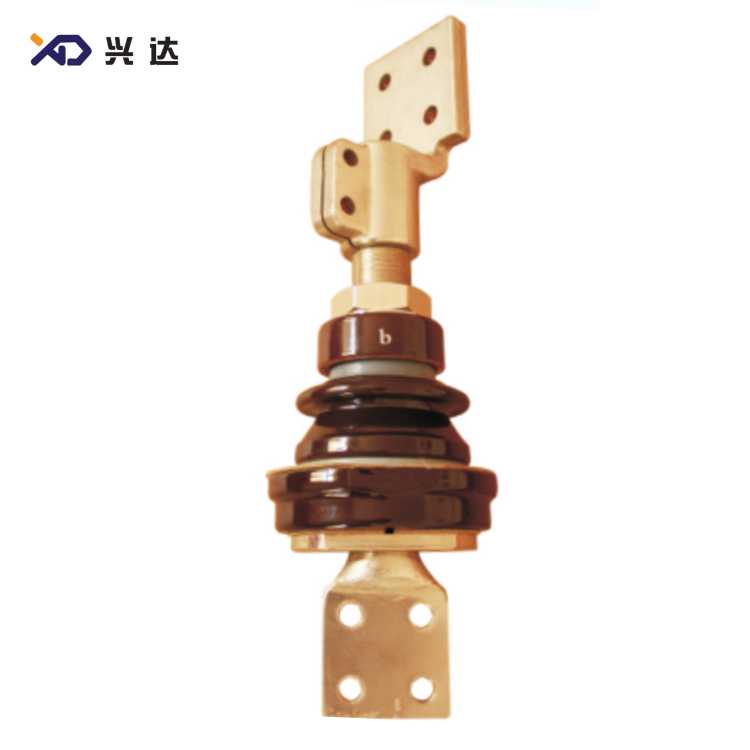
BF-1KV/300A-7000A National Standard Bushing (Rear Plate‑type Connection)
BF‑1KV/300A‑7000A National Standard Bushing (Rear Plate‑Type Connection)
Overview
Low‑voltage transformer insulation accessories form a fundamental part of oil‑immersed power‑distribution systems. Safe, durable and highly conductive bushings guarantee stable energy transfer between internal transformer windings and external power‑connection circuits. The BF‑1KV/300A‑7000A national‑standard bushing with rear plate‑type connection is a widely‑used low‑voltage feed‑through component specially designed for oil‑filled distribution transformers. It passes live current through the earthed transformer tank wall while providing reliable electrical insulation between energized conductors and the metal tank shell.
Unlike threaded‑terminal, cable‑type or flange‑top‑connection transformer bushings, this bushing series adopts a rear plate‑type connection structure at its lower end. Flat‑plate terminals with pre‑drilled mounting holes are welded or fixed to the bottom‑side conductor. Field technicians can fasten internal copper bus‑bars directly onto this plate terminal by using standard bolts, nuts and washers. This flat‑plate connection design delivers large‑area electrical contact, excellent current‑carrying capacity and strong mechanical stability, which makes it particularly suitable for transformers with high continuous‑current ratings ranging up to 7000 A.
Manufactured according to national low‑voltage transformer accessory standards, the BF‑1KV bushing family covers a broad current spectrum from 300 A to 7000 A. It is extensively deployed in industrial distribution transformers, mining power‑supply transformers, renewable‑energy step‑up transformers, and heavy‑duty oil‑immersed transformers for large‑scale power‑consumption workshops. For transformer original‑equipment manufacturers, electrical design engineers and maintenance contractors, the rear plate‑connection structure greatly simplifies internal bus‑bar wiring layout inside transformer tanks, shortens on‑site assembly time and lowers long‑term contact‑overheating risks under heavy‑load working conditions.
Definition of BF‑1KV National‑Standard Bushing (Rear Plate‑Type Connection)
The BF‑1KV/300A‑7000A rear plate‑type connection bushing is an oil‑immersed low‑voltage transformer bushing built to national technical specifications. Its main assembly consists of an insulating porcelain or epoxy‑resin shed body, a central high‑conductivity copper conductor rod, an upper‑side connection terminal, a rear‑mounted flat‑plate terminal with bolt holes, multi‑layer oil‑sealing rubber gaskets, and tank‑mounting fitting components.
The term “rear plate‑type connection” refers to the flat metal terminal plate fixed at the submerged bottom end of the central conductor. Multiple pre‑machined bolt holes are distributed on this plate surface, allowing direct bolt‑on connection between the bushing conductor and transformer‑internal bus‑bars without additional cable‑lug adaptors. This plate‑to‑bus‑bar joint provides a much larger conductive contact surface than single‑stud threaded terminals. Large contact areas reduce contact resistance significantly, which is critical for high‑current transformer operation.
Once installed, the middle insulator section of the bushing passes through the transformer tank wall. Rubber sealing gaskets are compressed between the bushing flange and the outer tank surface, preventing transformer mineral‑oil leakage and blocking moisture, dust and ambient air from entering the oil chamber. The outer insulating shed isolates the live copper conductor from the grounded steel tank wall, eliminating short‑circuit hazards and leakage‑current faults. The rear plate terminal remains fully submerged inside transformer oil, permanently connecting the bushing to internal winding conductors.
Core Advantages of BF‑1KV/300A‑7000A Rear Plate‑Type Connection Bushing
Superior High‑Current Load‑bearing Performance
The rear flat‑plate terminal creates a large‑area conductive joint between the bushing and internal bus‑bars. With wide contact surfaces, contact resistance is kept at a low and stable value even when continuous heavy‑duty current flows through the component. The BF‑1KV bushing series safely handles rated currents from 300 A all the way up to 7000 A. This high‑current capability makes it an ideal insulation choice for large‑capacity distribution transformers, avoiding local overheating problems frequently found on small‑stud threaded‑connection terminals under extreme full‑load conditions.
Reliable Mechanical Connection Stability
Multiple bolt holes are arranged symmetrically on the rear‑side plate terminal. After technicians fasten every mounting bolt to the specified torque value, the plate‑bus‑bar connection forms a vibration‑resistant, rigid joint. Compared to single‑thread‑rod terminals, plate‑type connections show far stronger resistance to mechanical loosening caused by long‑term transformer vibration, load‑current shocks and cyclic temperature changes. This mechanical robustness greatly reduces routine re‑tightening maintenance work inside oil‑immersed transformer tanks.
Flexible Internal‑Wiring Layout Inside Transformer Tanks
The rear plate‑connection structure offers multi‑directional connection possibilities for internal copper bus‑bars. Design engineers can arrange bus‑bar routing horizontally, vertically or at slight angles to match different internal‑tank layouts. Such wiring flexibility simplifies transformer‑internal mechanical design, shortens copper‑bus‑bar material consumption, and optimizes the overall compact layout inside limited transformer‑tank space.
Optional Insulation‑material Selection
For BF‑1KV‑series bushings, the oil‑immersed lower insulator section supports two mainstream material options: glazed ceramic porcelain or epoxy‑resin composite insulation. Epoxy‑resin‑based insulators deliver excellent mechanical impact resistance, compact outer dimensions and good anti‑pollution performance. Porcelain‑shed variants provide outstanding thermal‑shock resistance and long‑term ageing resistance in mineral transformer oil. Multiple colored pressure‑covers (red, yellow, green, black and other colors) can be selected for phase‑identification purposes, marked with labels a, b, c, o for phase‑recognition. This multi‑option feature helps manufacturers quickly match bushings to different transformer‑phase‑color requirements.
Customizable Sealing‑material Solutions
Standard sealing gaskets between the bushing flange and transformer tank are made of nitrile‑butadiene rubber or acrylate rubber. When transformers are installed in high‑temperature, chemically‑corrosive or harsh outdoor operating environments, fluorine‑rubber sealing elements can be adopted on request. Custom‑sealing material selection improves long‑term oil‑sealing reliability and extends the whole service life of bushing‑tank sealing assemblies.
Wide‑Range Current‑rating Coverage
This national‑standard BF‑1KV bushing product family includes complete current‑grade specifications: 300 A, 400 A, 600 A, 800 A, 1000 A, 1200 A, 1600 A, 2000 A, 3150 A, 3150 A, 4000 A, 5000 A, 6000 A, 7000 A. The full‑range current portfolio covers most low‑voltage high‑capacity oil‑immersed‑transformer projects.
Main Application Fields
- Oil‑immersed low‑voltage distribution transformers for urban, rural and industrial power‑supply networks
- Heavy‑capacity industrial transformers for mining facilities, metallurgical plants, large‑scale water‑treatment stations and heavy‑manufacturing workshops
- Auxiliary transformers for solar‑photovoltaic power plants, on‑shore wind‑farm stations and renewable‑energy power‑conversion stations
- Low‑voltage transformer retrofit projects, spare‑part‑replacement maintenance for old national‑standard oil‑immersed transformers
- Indoor and outdoor oil‑filled power‑supply equipment requiring high‑current rear‑plate internal‑connection terminals
Technical Specification Table (Reference Data)
| Code | Type‑Voltage / Current (KV/A) | H (mm) | h1 (mm) | h2 (mm) | h3 (mm) | Md (mm) | d0 (mm) | d1 (mm) | d2 (mm) | d3 (mm) | B (mm) | b (mm) | B1 (mm) | B2 (mm) | b1 (mm) | t1 (mm) | t2 (mm) | Weight (kg) |
|---|---|---|---|---|---|---|---|---|---|---|---|---|---|---|---|---|---|---|
| XD.DYTG.020 | BF‑1/300 | 203 | 128 | 34 | 33 | M12*1.75 | 30 | 50 | 65 | 55 | 25 | 25 | 4 | 0.7 | ||||
| XD.DYTG.021 | BF‑1/400 | 232 | 146 | 34 | 42 | M16*2.0 | 50 | 75 | 95 | 80 | 30 | 30 | 6 | 1.4 | ||||
| XD.DYTG.022 | BF‑1/600 | 242 | 164 | 34 | 42 | M20*2.5 | 60 | 75 | 95 | 80 | 38 | 30 | 8 | 1.7 | ||||
| XD.DYTG.023 | BF‑1/800 | 364 | 268 | 39 | 42 | M24*1.5 | 60 | 90 | 110 | 100 | 80 | 40 | 60 | 30 | 30 | 8 | 10 | 5.3 |
| XD.DYTG.024 | BF‑1/1000 | 364 | 268 | 39 | 42 | M30*1.5 | 60 | 90 | 110 | 100 | 80 | 40 | 70 | 30 | 45 | 8 | 11 | 5.5 |
| XD.DYTG.025 | BF‑1/1200 | 364 | 268 | 39 | 42 | M33*1.5 | 60 | 90 | 110 | 100 | 80 | 40 | 70 | 30 | 45 | 12 | 12 | 6.3 |
| XD.DYTG.026 | BF‑1/1600 | 470 | 318 | 39 | 105 | M38*2.0 | 70 | 100 | 115 | 110 | 100 | 50 | 85 | 80 | 45 | 14 | 13 | 10 |
| XD.DYTG.027 | BF‑1/2000 | 470 | 305 | 39 | 105 | M42*2.0 | 85 | 115 | 150 | 140 | 100 | 50 | 85 | 80 | 45 | 14 | 15 | 11 |
| XD.DYTG.028 | BF‑1/3150 | 465 | 305 | 39 | 105 | M48*2.0 | 85 | 115 | 150 | 140 | 95 | 50 | 85 | 80 | 45 | 16 | 14 | 12 |
| XD.DYTG.029 | BF‑1/3150 | 470 | 305 | 39 | 105 | M48*2.0 | 95 | 115 | 150 | 140 | 100 | 50 | 85 | 80 | 45 | 16 | 16 | 12.5 |
| XD.DYTG.030 | BF‑1/4000 | 532 | 356 | 44 | 105 | M52*2.0 | 95 | 130 | 170 | 150 | 120 | 60 | 85 | 80 | 45 | 18 | 18 | 21 |
| XD.DYTG.031 | BF‑1/5000 | 597 | 421 | 44 | 105 | M52*2.0 | 95 | 130 | 170 | 150 | 150 | 50 | 85 | 80 | 45 | 18 | 20 | 22 |
| XD.DYTG.032 | BF‑1/5000 | 597 | 421 | 44 | 105 | M56*2.0 | 95 | 130 | 170 | 150 | 150 | 50 | 85 | 80 | 45 | 18 | 20 | 23 |
| XD.DYTG.033 | BF‑1/6000 | 622 | 415 | 44 | 135 | M56*2.0 | 105 | 155 | 160 | 155 | 150 | 50 | 100 | 100 | 45 | 24 | 22 | 26 |
| XD.DYTG.034 | BF‑1/7000 | 622 | 415 | 44 | 135 | M65*2.0 | 105 | 155 | 160 | 155 | 150 | 50 | 100 | 100 | 45 | 26 | 24 | 28 |
Note: The above‑listed dimensions are general industry‑reference values. Exact drawings, tank‑opening dimensions, bolt‑hole layout of rear‑side plate terminals shall follow official national‑standard specifications and manufacturer technical drawings. Insulator‑material options and special fluorine‑rubber sealing gaskets can be customized on request. Three different rear‑plate‑terminal structural forms are available for different current ranges: 300A‑600A rear plate layout, 800A‑1200A rear plate layout, and 1600A‑7000A large‑size rear‑plate terminal layout.
Installation Guidelines
Before mounting a BF‑1KV rear‑plate‑connection bushing, technicians must confirm three core matching parameters: rated current value, tank‑opening diameter, and rear‑plate‑terminal hole layout which must fit internal bus‑bar bolt‑hole positions. Never install a bushing whose rated‑current value is lower than the transformer’s maximum continuous operating‑current requirement.
Clean the outer flange contact surface of the transformer tank opening, remove old gasket residue, metal burrs, rust spots and dust particles. Place a brand‑new, complete rubber sealing gasket evenly on the flange surface without twisting, folding or squeezing the gasket. Insert the bushing slowly from outside through the pre‑machined tank opening, then tighten all flange‑mounting bolts in diagonal cross‑sequence to the recommended torque value. Diagonal‑pattern bolt‑tightening guarantees uniform gasket compression around the full flange circumference and eliminates potential oil‑leakage gaps.
After the bushing body is securely fixed to the tank wall, workers must enter the transformer‑tank interior and fasten the internal copper bus‑bar onto the submerged rear plate‑type terminal. Put flat washers and spring lock‑washers between bolt heads, bus‑bar surface and rear plate, then tighten each bolt to specified torque. Excessively high torque may deform the copper rear‑plate terminal; insufficient torque will cause loose joints and dangerous contact‑overheating faults.
Once all internal bus‑bar connections are finished, carry out visual inspection of flange‑sealing condition, oil‑leakage tightness test and low‑voltage insulation‑resistance test before filling the tank with transformer mineral‑oil and energizing the transformer.
Operation & Maintenance Recommendations
Visual inspections of the outer‑side bushing insulator can be performed every 6‑12 months. Check insulator surfaces for dirt accumulation, glaze scratches, surface cracks and flash‑over traces. Clean polluted insulation sheds by dry lint‑free cloth or approved insulator‑cleaning detergent. Hard sharp cleaning‑tools are forbidden, as these may scratch and damage the protective insulation outer surface.
Since the rear plate‑type connection terminal is permanently submerged inside transformer oil, direct visual inspection of this joint is impossible without draining transformer oil. During major transformer overhaul maintenance cycles, drain the oil, open the tank and inspect rear‑plate bolt‑joints for signs of discoloration caused by historical overheating. Re‑torque all rear‑plate connecting bolts during overhaul sessions. Whenever oil leakage appears around the outer bushing‑flange sealing zone, cut off transformer power supply, drain oil, remove the bushing component, and replace aged sealing‑rubber gaskets.
Buyer Selection Checklist
When sourcing BF‑1KV/300A‑7000A national‑standard bushing with rear plate‑type connection, buyers should confirm these key parameters:
- Rated continuous‑current grade from 300 A‑7000 A matching transformer‑current requirements
- Outer‑tank‑opening mounting‑hole diameter
- Rear‑plate‑terminal bolt‑hole layout and plate dimensions
- Preferred insulator material: porcelain or epoxy‑resin
- Phase‑identification pressure‑cover color requirement (a, b, c, o marking)
- Sealing‑gasket material: standard nitrile‑butadiene rubber, acrylate rubber or custom fluorine‑rubber
- Full compatibility with mineral transformer‑oil immersion‑service conditions
Conclusion
The BF‑1KV/300A‑7000A national‑standard bushing (rear plate‑type connection) remains a mature, reliable, high‑current low‑voltage insulation feed‑through solution for oil‑immersed transformers. Its rear flat‑plate‑terminal connection design, wide‑ranging current specifications, multiple insulation‑material choices and flexible internal‑bus‑bar‑wiring advantages make this bushing series a very popular selection for new heavy‑duty transformer manufacturing, transformer‑capacity‑expansion renovation and aftermarket spare‑part‑replacement projects across global power‑distribution markets. Correct specification selection, standardized flange installation and periodic transformer‑overhaul inspection for submerged rear‑plate joints will maximize bushing service‑life and guarantee long‑term safe, stable operation for the complete oil‑immersed transformer system.
Categories
Contact Us
Contact: Tianjin Delda Trading Co., Ltd
WhatsApp: +86 13662056855
Tel:
E-mail: solomon20210701@tjxddq.com
Add: Unit‑101, Workshop 3, Bozhong Automobile Industrial Park, No.5 Xianghui Road, Intersection of Xianghui Road and Gaoying Road, Beizhakou Town, Jinnan District, Tianjin, China