Transformer Accessories
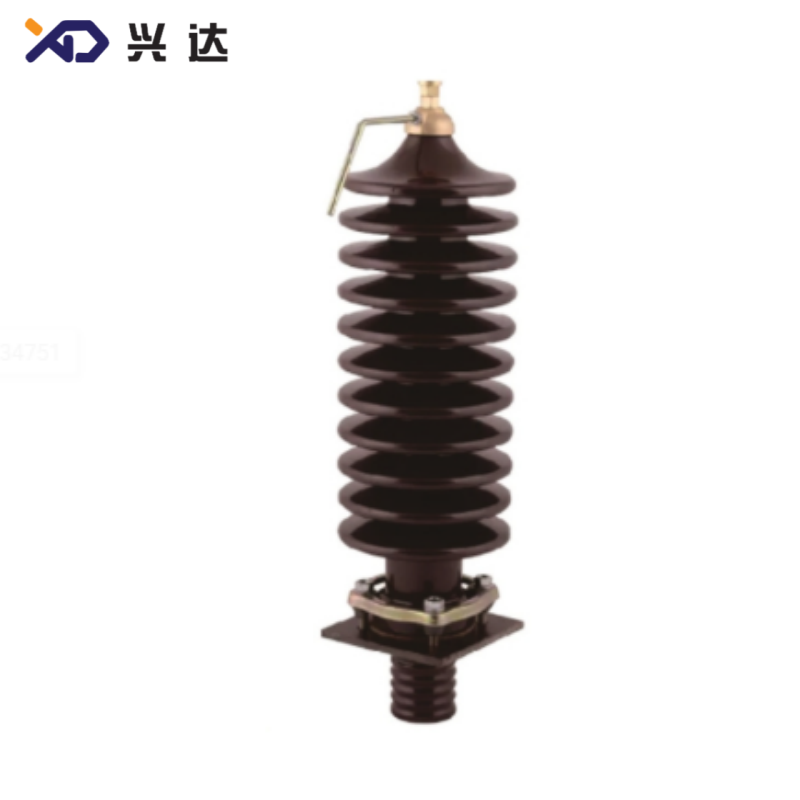
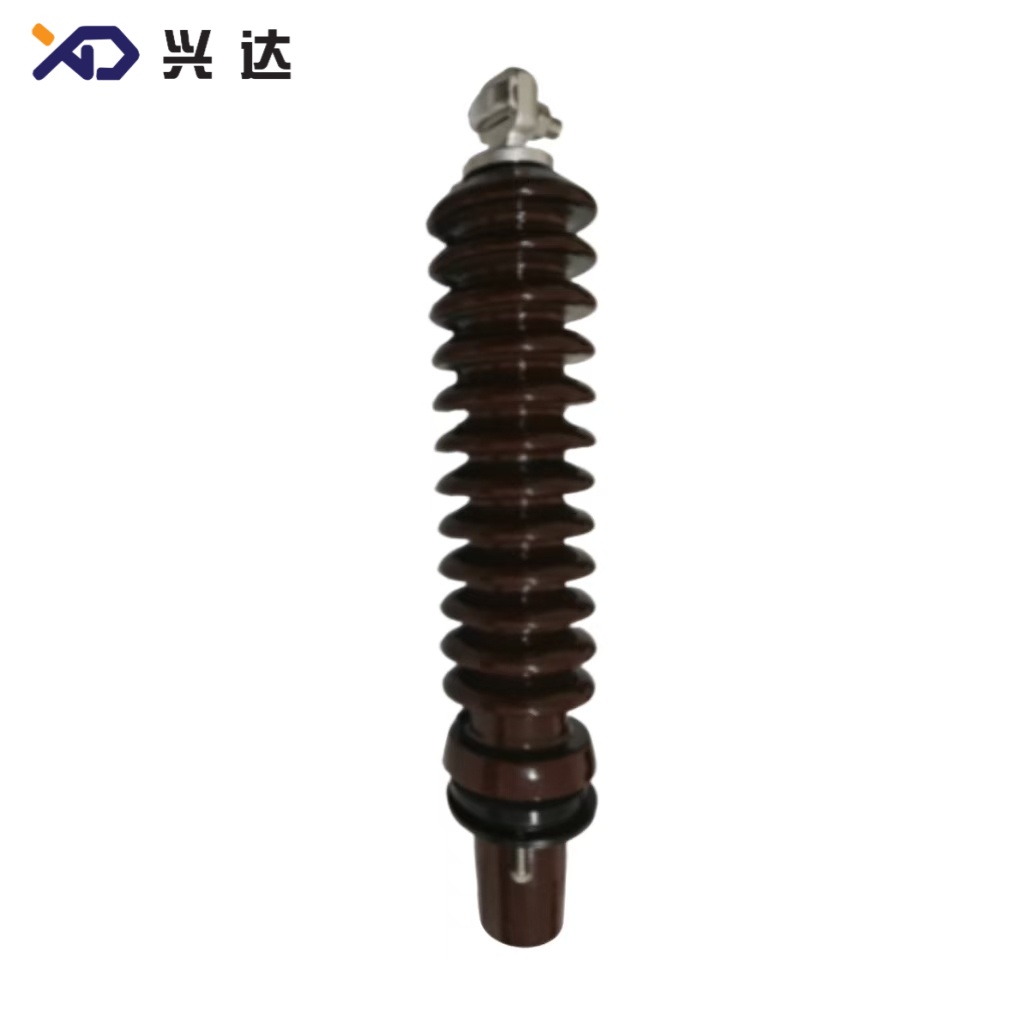
Transformer Protective Cover
Transformer Protective Cover
Core Functions
- Insulation & Anti-ShockIsolates live exposed parts to prevent accidental contact by personnel. Improves wet flashover and pollution flashover voltage, avoiding flashover and short circuits in rainy or polluted environments.
- External Damage ResistancePrevents phase-to-phase short circuits caused by small animals (birds, rats, snakes), branches, and foreign objects. Resists salt spray, acid rain, and chemical corrosion, and slows down connector oxidation.
- Phase IdentificationAvailable in yellow, green, red, and black for phase sequence verification on-site. Some models are equipped with observation windows, allowing oil level and connection status to be checked without removing the cover.
Main Materials & Technology
- HTV High-Temperature Vulcanized Silicone Rubber (Most Common)Molded via high-temperature vulcanization, with a thickness of 2–3 mm (usually 3 mm for high voltage).Wide temperature resistance: -60℃ to +180℃.Dielectric strength ≥ 20 kV/mm.Excellent UV resistance and hydrophobicity.Service life: 20–30 years.Snap-on structure, reusable and easy for maintenance.
- Heat-Shrinkable Protective CoverShrinks and fits tightly when heated, with good sealing performance but inconvenient for maintenance.Mainly used for temporary protection or small terminals.
- Composite Polymer MaterialBalances cost and performance, suitable for medium and low voltage applications.
Classification & Installation
- By Voltage LevelLow voltage (10 kV and below), medium voltage (35–110 kV), high & extra-high voltage (220 kV and above).
- By Application PartHigh-voltage bushing cover, low-voltage outlet cover, neutral point cover, arrester / fuse connector cover.
- InstallationCold-applied snap-on type (mainstream for silicone rubber).No hot work required; one person can complete installation quickly.Phase colors strictly follow:Phase A – Yellow, Phase B – Green, Phase C – Red, Neutral N – Black.
Categories
Contact Us
Contact: Tianjin Delda Trading Co., Ltd
WhatsApp: +86 13662056855
Tel:
E-mail: solomon20210701@tjxddq.com
Add: Unit‑101, Workshop 3, Bozhong Automobile Industrial Park, No.5 Xianghui Road, Intersection of Xianghui Road and Gaoying Road, Beizhakou Town, Jinnan District, Tianjin, China