Brazil bushing
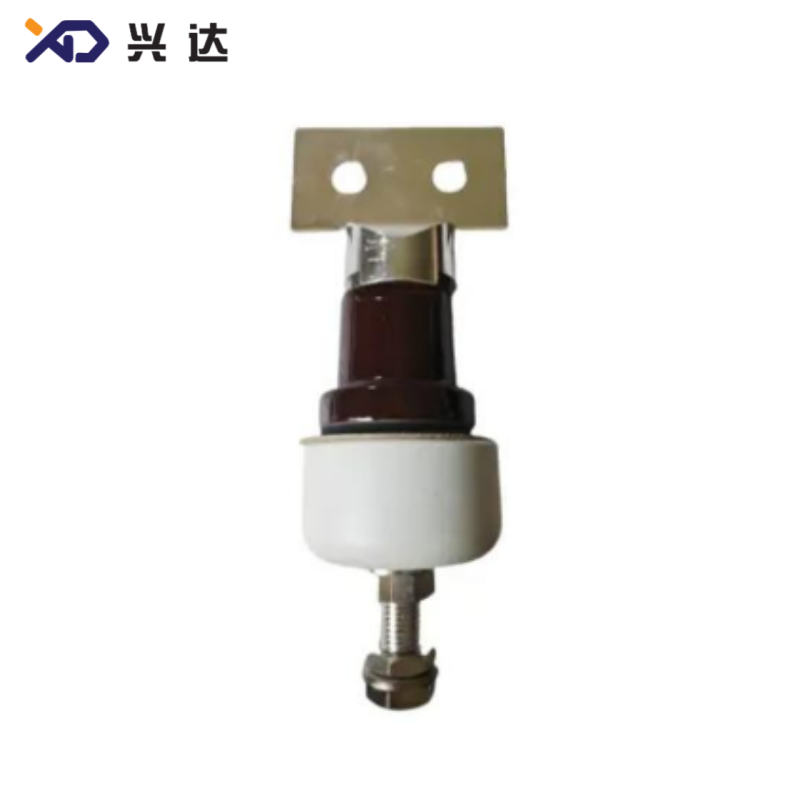
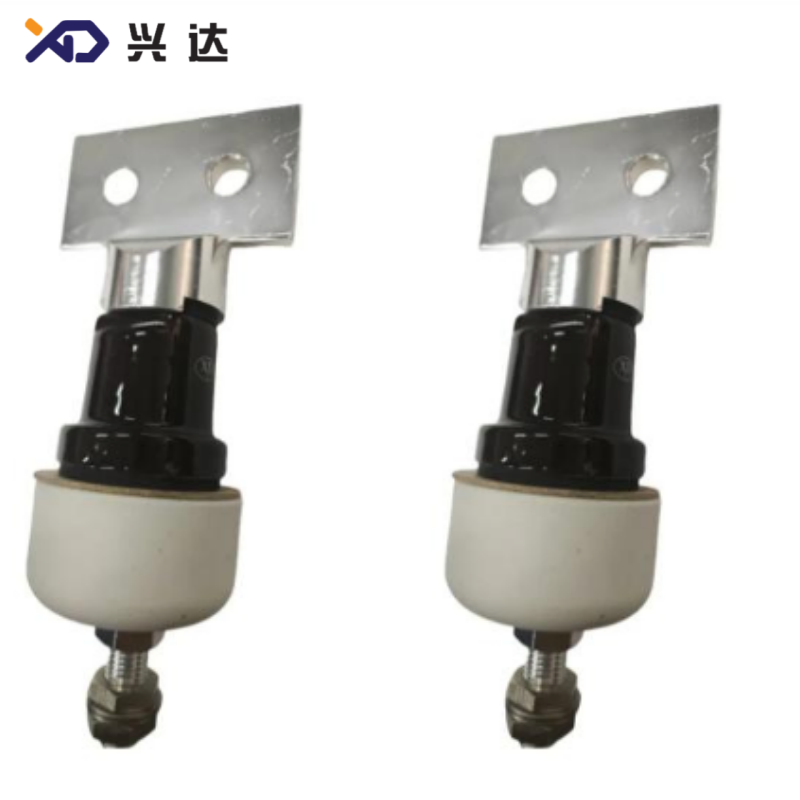
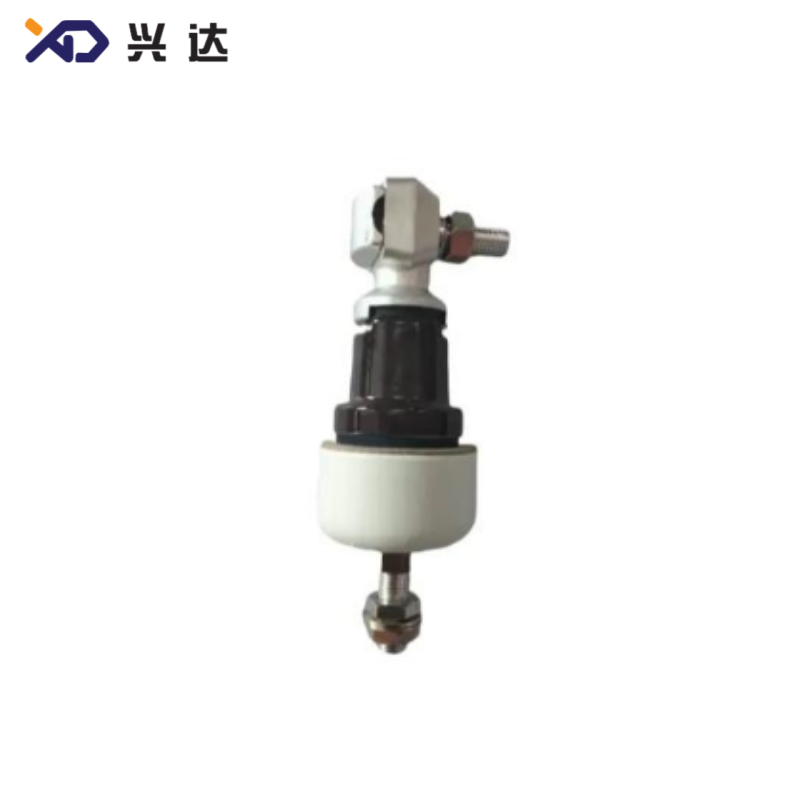
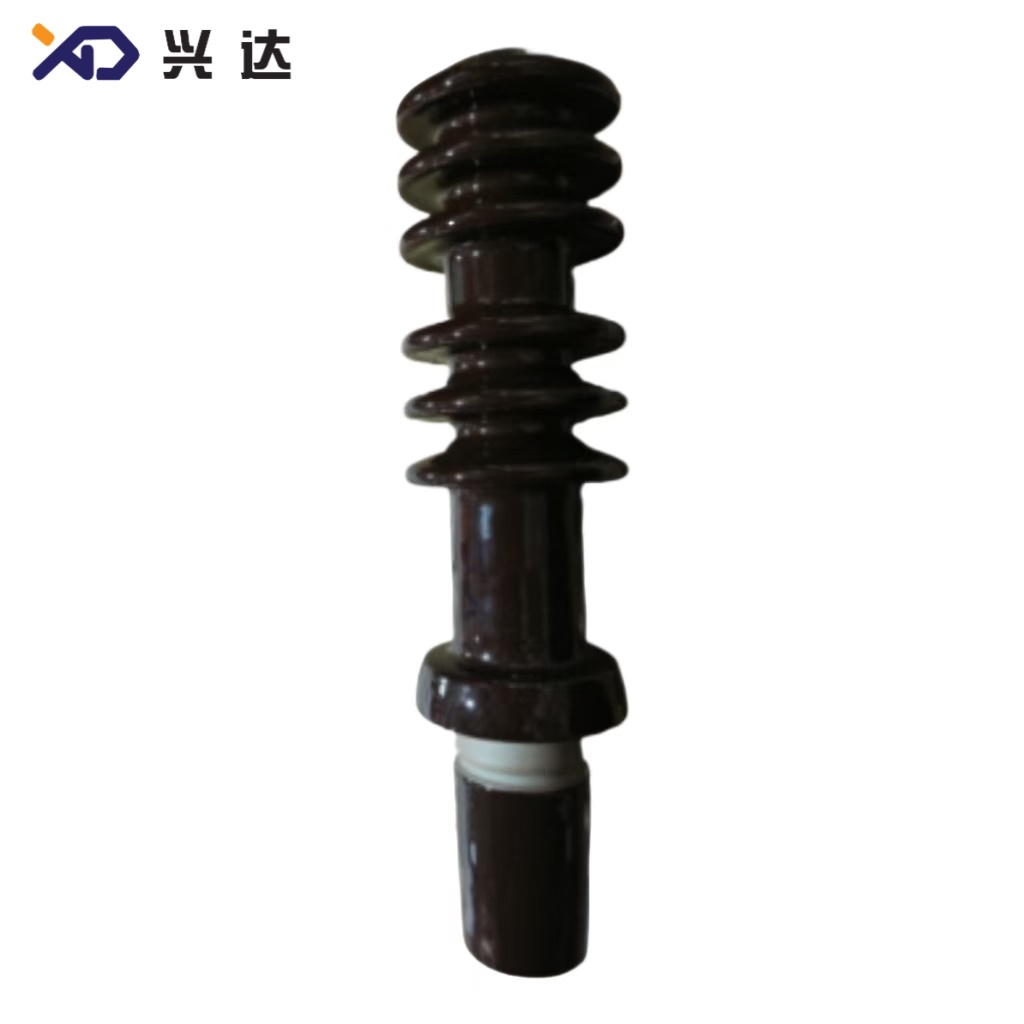
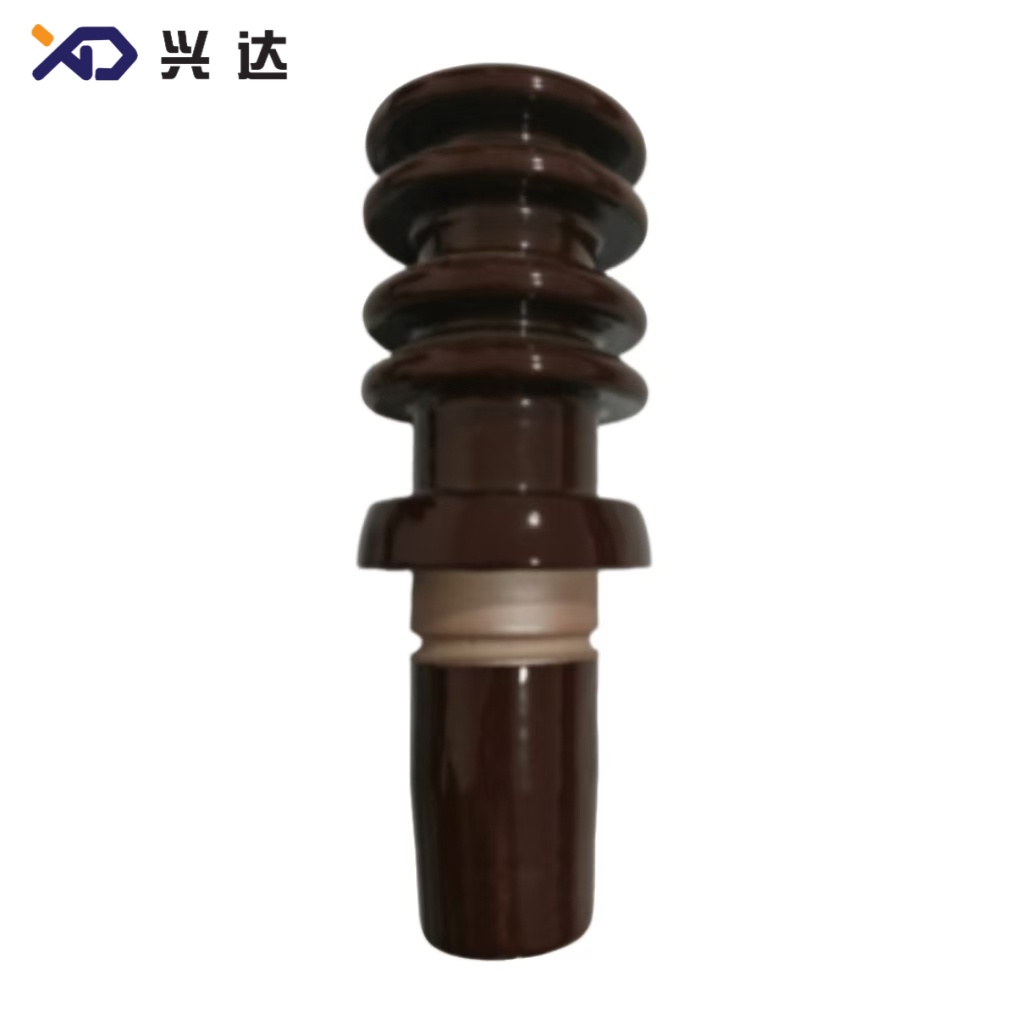
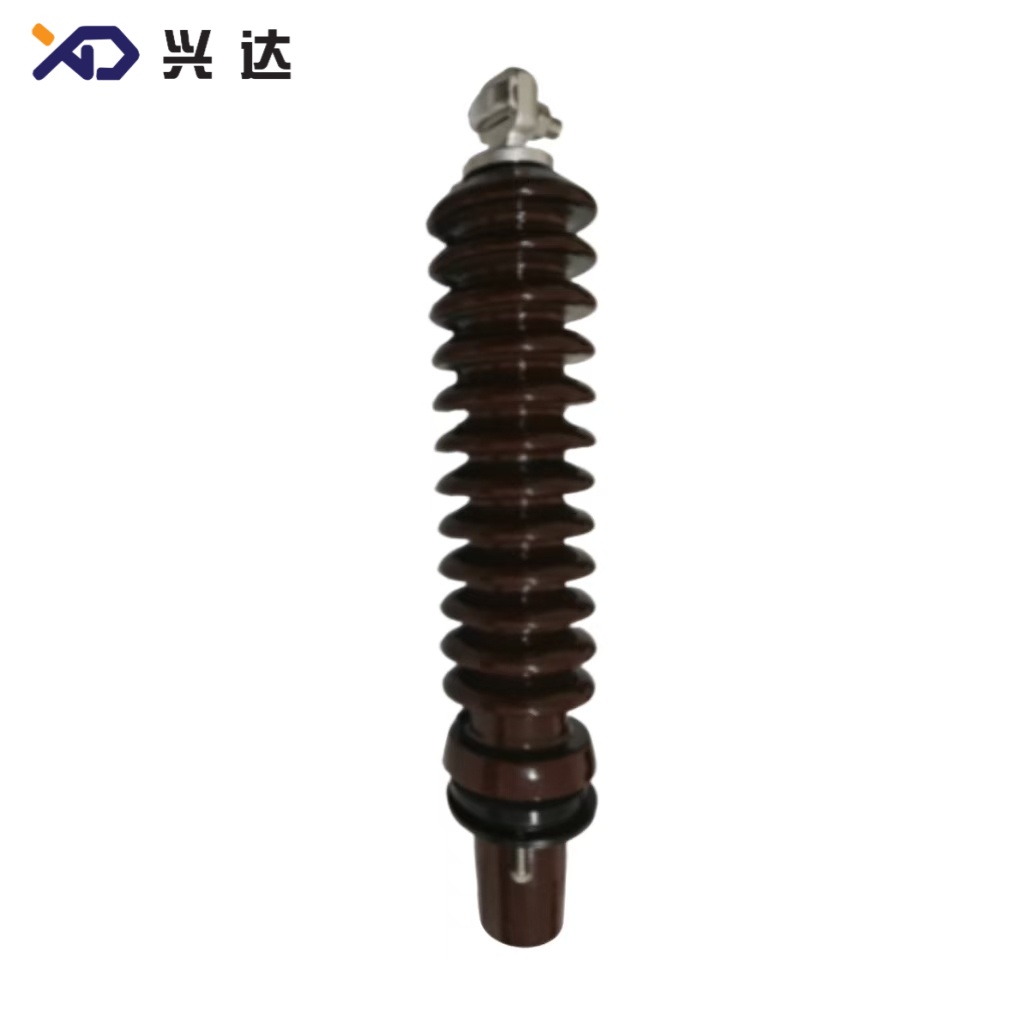
What You Need to Know Before Buying Brazil Low Voltage Transformer Bushing
1. Overview of Brazil Low Voltage Transformer Bushing Procurement
The procurement of Brazil low voltage transformer bushings is a professional and standardized purchasing work for power grid supporting equipment, which is different from the procurement of ordinary general-purpose electrical accessories. As a core insulating and sealing component of Brazilian oil-immersed distribution transformers, low voltage bushings directly affect the installation compliance, operational safety and service life of the entire transformer equipment, and are key inspection parts for Brazilian power grid project acceptance. Affected by Brazil’s unique tropical climate, coastal saline-alkali environment and strict local electrical industry access policies, the selection and procurement of low voltage transformer bushings have mandatory standard requirements in certification qualification, environmental adaptability, electrical parameters and structural matching.
In the actual procurement process, many purchasers face common risks such as inconsistent product standards, missing mandatory certifications, mismatched installation dimensions, and unadaptable environmental performance. Purchasing non-compliant or inferior bushings will not only lead to failure of grid project acceptance, but also cause frequent equipment failures such as insulation flashover, oil leakage and aging damage in subsequent outdoor operation, resulting in increased maintenance costs and potential power grid safety hazards. Therefore, before purchasing Brazil low voltage transformer bushings, purchasers must fully master local certification standards, product performance screening criteria, application environment matching rules and parameter selection specifications, so as to complete accurate, compliant and high-cost-effective equipment procurement, and ensure long-term stable operation of transformer equipment in Brazilian power scenarios.
2. Core Procurement Considerations & Key Selection Criteria
The purchase of qualified Brazil low voltage
transformer bushings needs to focus on five core dimensions: certification compliance, material and process quality, environmental adaptation performance, electrical parameter matching and structural installation compatibility, covering the whole process of standard verification, performance screening and on-site matching.
First, mandatory certification qualification is the primary threshold for procurement. All bushings used in Brazilian official power distribution projects must have valid INMETRO certification, which is an indispensable market access certificate for electrical equipment in Brazil. Meanwhile, products must comply with IEC 60137 international bushing safety standards and meet the technical specifications of Brazilian local low voltage power grid. Procurers must strictly check the authenticity and validity of certification documents, reject products with expired certificates, fake certifications or uncertified products, and avoid project acceptance risks caused by non-compliant qualifications.
Second, focus on product material and manufacturing process quality. High-quality Brazil low voltage bushings adopt high-purity epoxy resin composite material or modified high-strength porcelain insulation material, with integrated integral molding process, no internal pores, bubbles and crack defects. The surface is treated with professional hydrophobic, UV-resistant and anti-corrosion coating, which can adapt to long-term strong ultraviolet radiation and saline-alkali corrosion in Brazil. Inferior products often use low-purity raw materials and secondary molding process, with rough surface and poor compactness, which are prone to insulation aging and structural damage in harsh environments. In addition, the sealing accessories of qualified products are made of high-quality aging-resistant silicone rubber, with tight fitting and excellent sealing performance, effectively preventing transformer insulating oil leakage and moisture ingress.
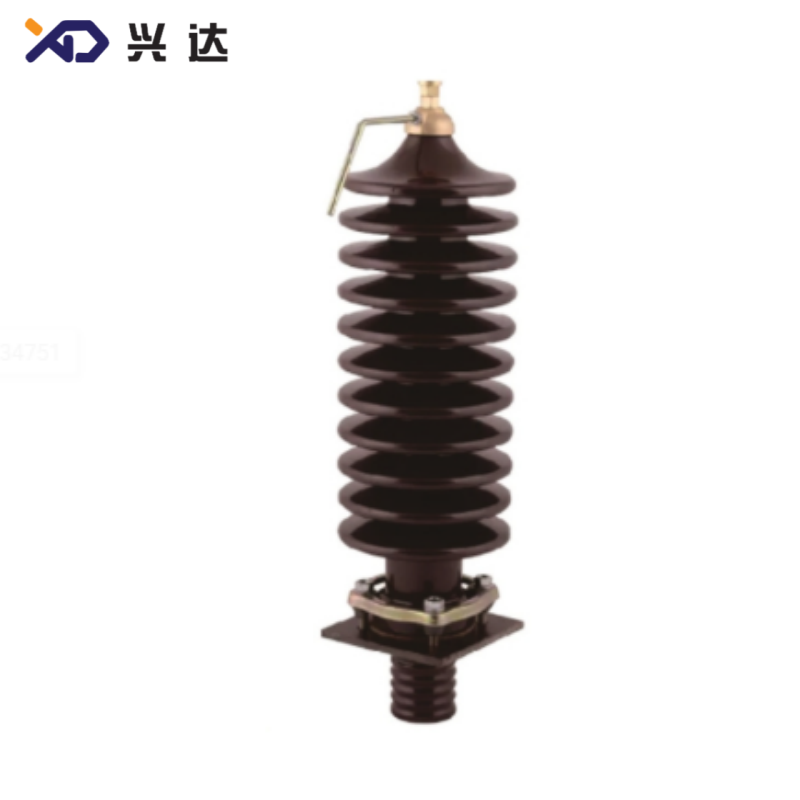
Third, select products based on actual application environment. Brazilian power scenarios are diverse, including tropical high-temperature rainforest areas, coastal high-humidity saline-alkali areas, and inland open high-ultraviolet areas. For coastal projects, priority should be given to bushings that have passed professional salt spray aging and high humidity resistance tests; for high-temperature and strong light areas, UV-resistant and high-temperature resistant products are required to avoid rapid performance attenuation of insulation materials; for rainy and humid areas, products with optimized multi-stage umbrella skirt structure and large creepage distance must be selected to prevent surface flashover and creepage discharge.
Fourth, ensure accurate matching of electrical and mechanical parameters. Procurement parameters must be strictly aligned with the supporting transformer model, including rated voltage, rated current, operating temperature range and partial discharge indicators. The mainstream rated voltage of Brazilian low voltage grid is ≤1.1kV, and the current range covers 250A to 3150A full series selection. It is necessary to avoid parameter mismatch caused by blind selection, which leads to insufficient load capacity or equipment incompatibility. At the same time, check the mechanical strength of the product to ensure it can resist vibration and impact during transformer operation and on-site installation without cracking and deformation.
Fifth, comprehensively evaluate lifecycle cost and after-sales service. Excellent procurement is not limited to low initial purchase cost, but focuses on long-term operational stability and low maintenance cost. Qualified certified bushings have a service life of more than 15 years in conventional outdoor environments, with low failure rate and minimal later maintenance. It is necessary to select formal manufacturers with complete qualification documents and perfect after-sales system to ensure product traceability and timely technical support and after-sales guarantee for subsequent installation and operation problems.
3. Standard Procurement Technical Parameter Reference Table
Procurement Inspection Item | Standard Requirement for Brazilian Market Procurement |
Mandatory Certification | Valid INMETRO Certification + IEC 60137 Standard Compliance |
Rated Voltage Adaptation | ≤1.1kV (Match Brazil Low Voltage Distribution Grid Standard) |
Rated Current Selection Range | 250A~3150A (Full Series Customizable) |
Environmental Adaptation Parameters | Operating temperature: -20℃~+85℃; Humidity resistance: ≤98% RH (Non-condensing) |
Core Performance Indicators | Partial discharge ≤10pC; Compliant with IEC routine withstand voltage test standard |
Material & Surface Process | High-purity insulation material; Hydrophobic, UV & salt spray resistant coating |
Structural Standard | Multi-stage anti-flashover umbrella skirt; Integrated anti-leakage sealing structure |
Lifecycle Standard | Service life ≥15 Years (Brazil conventional outdoor working conditions) |
4. Procurement FAQ (Frequently Asked Questions)
1. Is INMETRO certification mandatory for all exported Brazilian low voltage transformer bushings?
Yes. INMETRO certification is a compulsory market access qualification for electrical equipment entering the Brazilian power grid and formal engineering projects. Any low voltage transformer bushing without valid INMETRO certification cannot pass local customs clearance and power grid acceptance, and is prohibited from being used in Brazilian official power distribution facilities. Only products with complete and valid certification documents can meet project bidding and delivery standards.
2. How to avoid parameter mismatch during procurement?
First, confirm the rated voltage, rated current and installation size of the supporting transformer model in advance, and select matching bushing specifications strictly in accordance with Brazilian local grid technical requirements. Second, clarify the project environment type (coastal saline-alkali, inland high temperature, rainy and humid area) to customize corresponding environmental resistance performance parameters. Third, communicate with the manufacturer to confirm product standard compliance, and ask for factory test reports and parameter verification documents to ensure full parameter matching.
3. What procurement risks need to be avoided for long-term project operation?
The main risks include unqualified certification, inferior raw materials, insufficient environmental resistance and non-standard structural design. Purchasing uncertified products will lead to project rectification and re-purchase costs; low-quality materials will cause rapid insulation aging and frequent equipment failures in harsh Brazilian environments; non-standard sealing and umbrella skirt structures will lead to transformer oil leakage and flashover accidents. It is necessary to prioritize formal manufacturers with complete qualifications, standardized processes and mature Brazilian market matching experience to avoid later operational risks.
4. Do bushings need customized processing for special Brazilian regional environments?
Yes. For coastal high-salt-spray areas, it is necessary to customize enhanced salt spray corrosion resistance and hydrophobic treatment; for tropical high-temperature and strong ultraviolet areas, upgrade UV-resistant and high-temperature aging resistant materials; for high-altitude and rainy areas, appropriately increase creepage distance to strengthen anti-flashover performance. Professional customized processing can greatly improve the environmental adaptability and service life of the product, which is a key optimization point for high-quality procurement.
5. What documents need to be prepared for Brazilian bushing procurement and customs clearance?
Complete procurement and customs clearance documents include valid INMETRO certification certificate, IEC standard test report, factory quality inspection report, product parameter specification sheet, manufacturer qualification certificate and original shipping documents. Complete documents can ensure smooth customs clearance in Brazil and pass the final acceptance of power grid projects, avoiding delivery delays and project losses caused by incomplete documents.
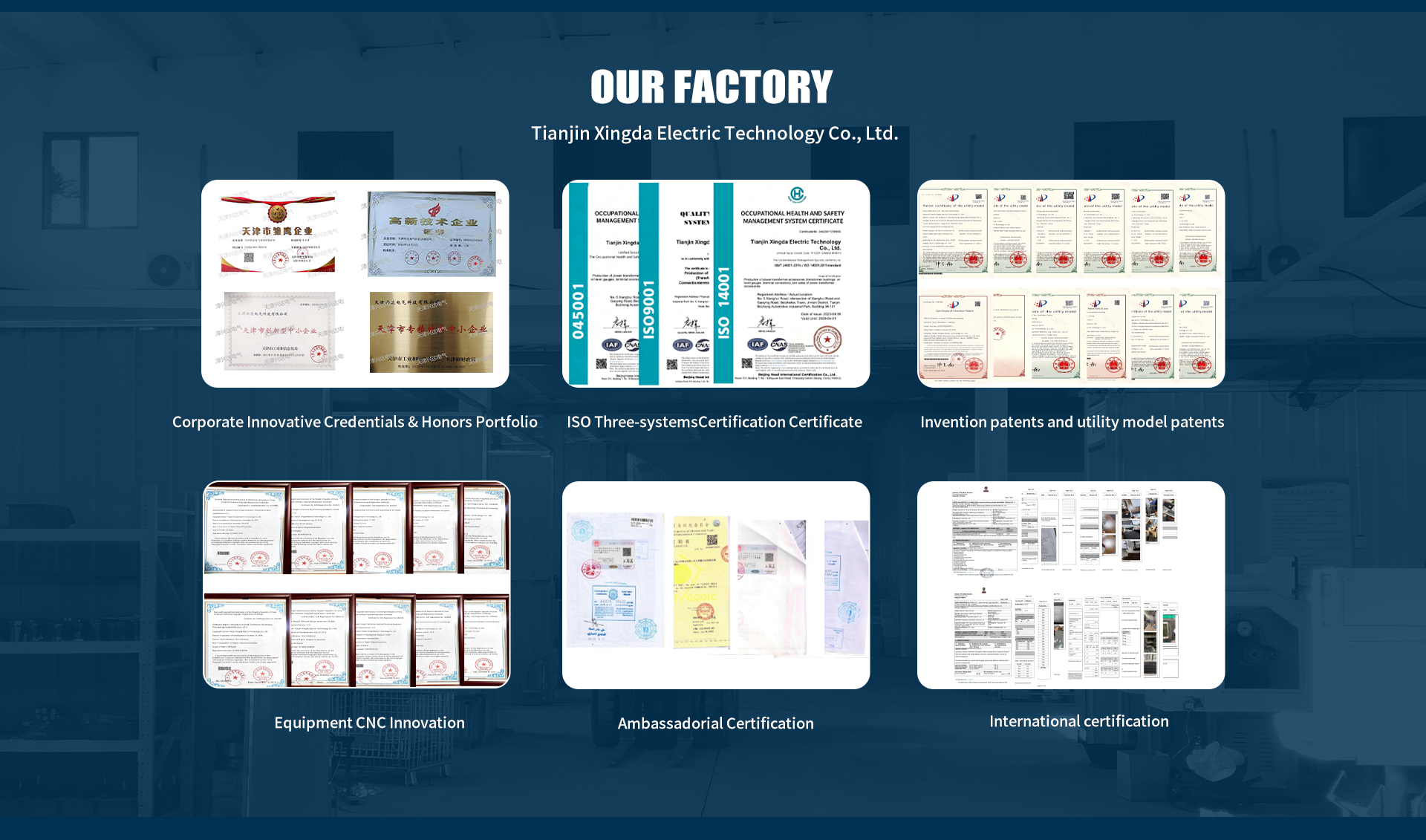
5.Certifications
Categories
Contact Us
Contact: Tianjin Delda Trading Co., Ltd
WhatsApp: +86 13662056855
Tel:
E-mail: solomon20210701@tjxddq.com
Add: Unit‑101, Workshop 3, Bozhong Automobile Industrial Park, No.5 Xianghui Road, Intersection of Xianghui Road and Gaoying Road, Beizhakou Town, Jinnan District, Tianjin, China