Brazil bushing
Certification Standards That Brazil Low Voltage Transformer Bushing Should Meet
Basic Introduction to Brazil Low Voltage Transformer Bushing Certification Standards
Certification standards are the core threshold for all low voltage transformer bushings to enter and operate stably in the Brazilian power market, serving as the fundamental technical and legal basis for product import, sales, engineering installation and long term grid operation supervision. Brazil has established a complete and rigorous localized power equipment certification system dominated by INMETRO certification and ABNT NBR industry standards, which is mandatory for all low voltage transformer bushings used in national power grids, municipal engineering projects, industrial supporting facilities and civilian power distribution systems. Unlike universal international standards, Brazilian certification rules are specially formulated in combination with the country’s unique tropical climate characteristics, power grid operation specifications and regional power equipment safety requirements, focusing on product environmental adaptability, electrical safety stability and long term operational reliability. Low voltage transformer bushings, as key insulating and conductive core components of distribution transformers, directly affect the safety level and operational stability of the entire low voltage power distribution network. Uncertified or non standard products are strictly prohibited from being imported, sold and put into operation in Brazil, which will not only lead to customs clearance failure and market access obstacles, but also easily cause equipment failure, power supply faults and even electrical safety accidents in actual operation. For overseas manufacturers, wholesale suppliers and Brazilian local engineering purchasers, fully understanding and complying with the complete certification standards of Brazil low voltage transformer bushings is the primary prerequisite for smooth market entry, stable batch supply and long term cooperative operation. Strict compliance with standardized certification specifications can effectively avoid product quality risks, customs clearance risks and engineering safety hidden dangers, while greatly improving product competitiveness and market recognition in the Brazilian power equipment market, and meeting the strict quality inspection requirements of Brazilian power grid enterprises and engineering supervision departments.
Product Profile, Certified Features, Core Advantages and Industry Application Scenarios
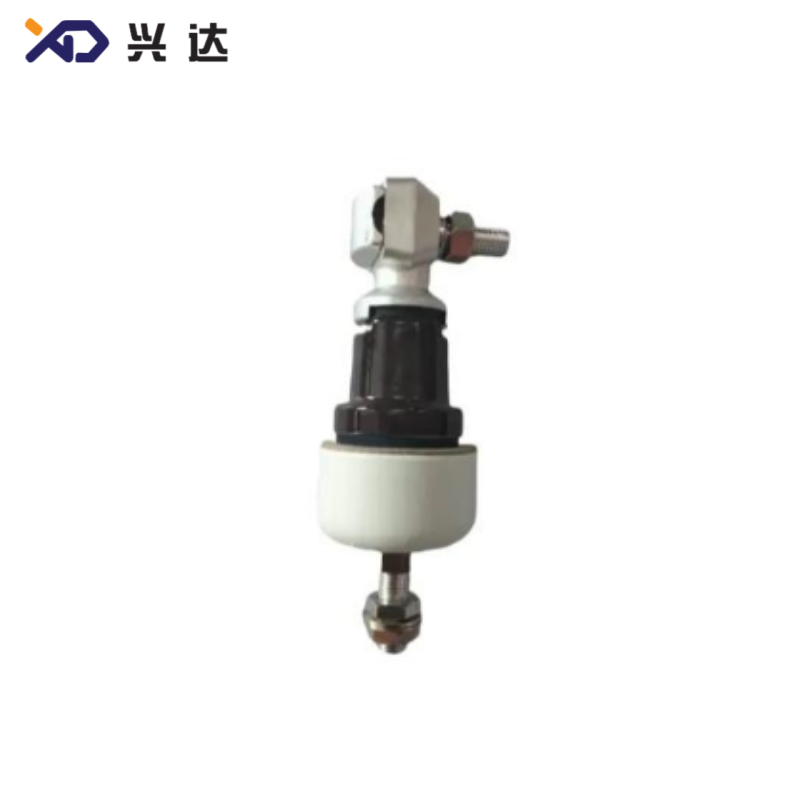
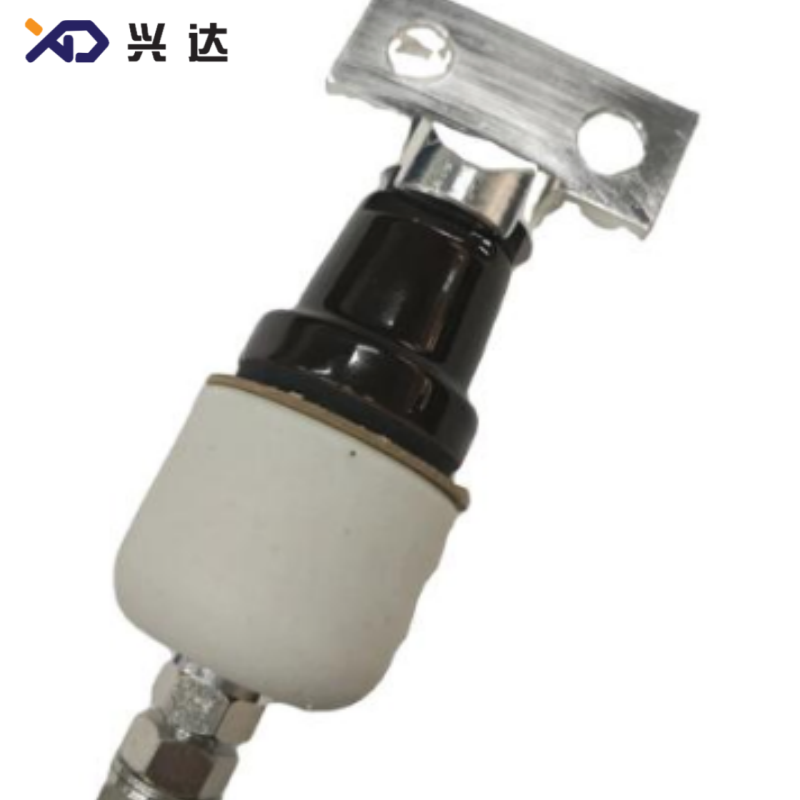
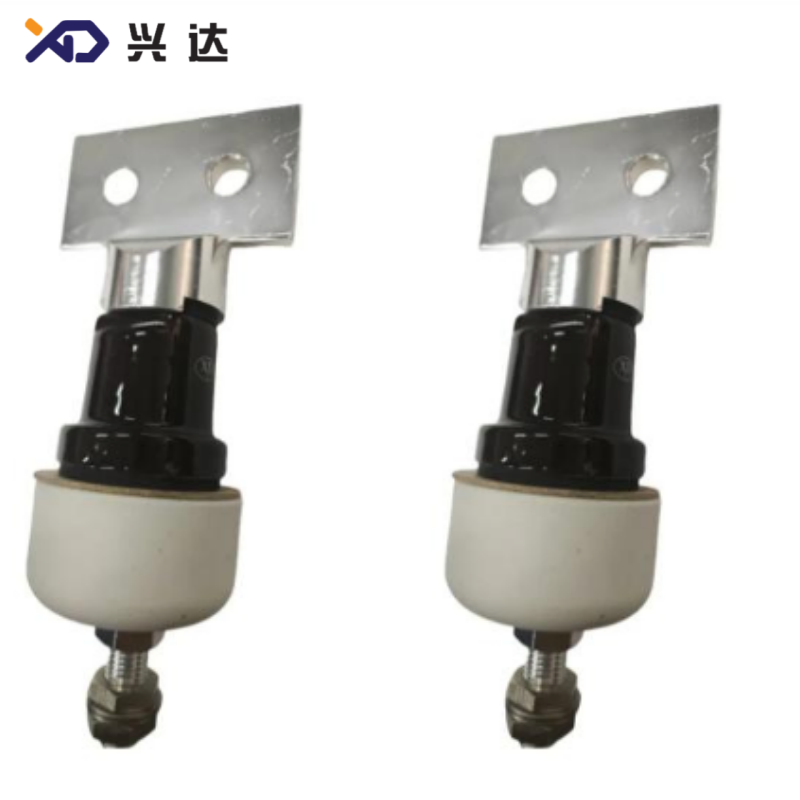
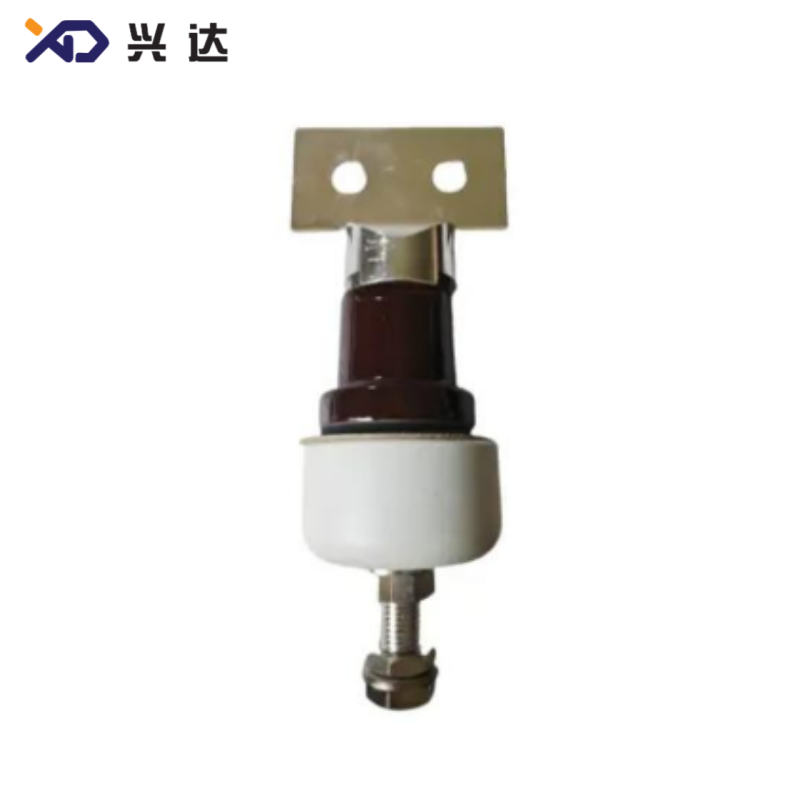
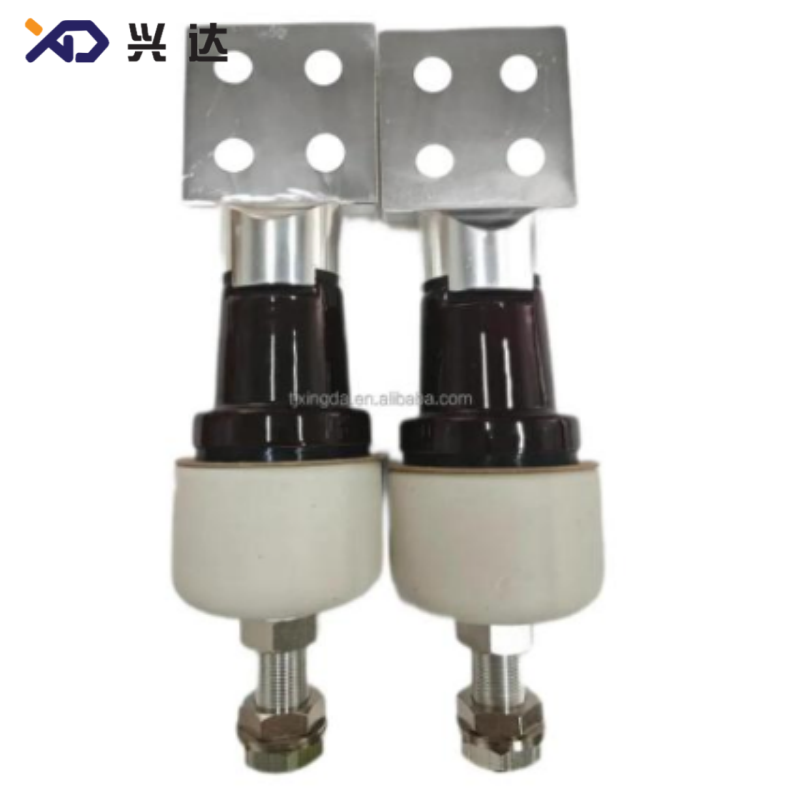
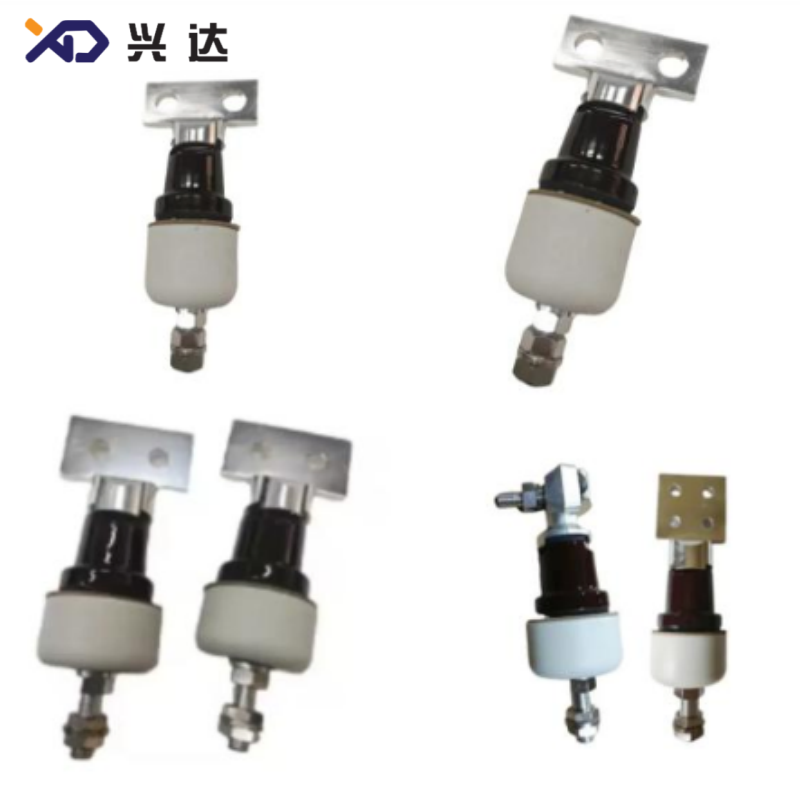
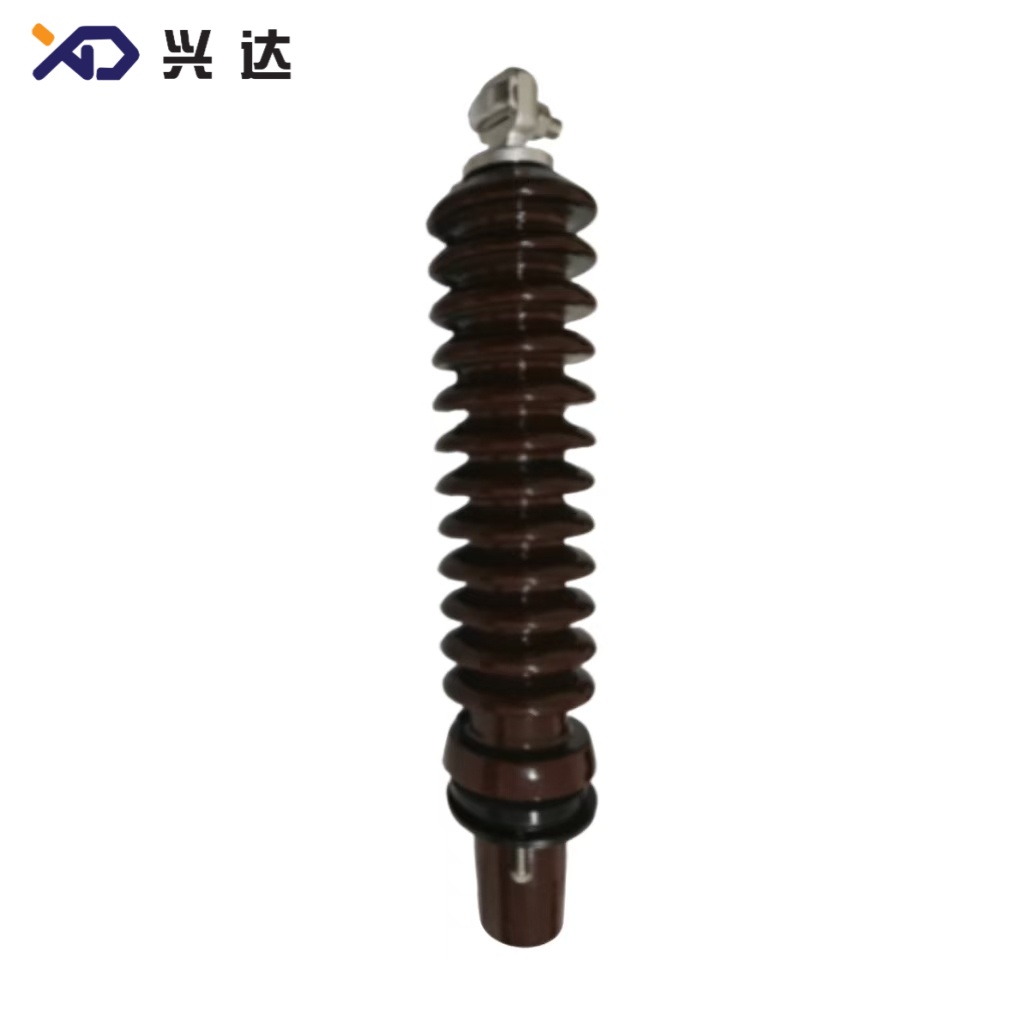
Qualified Brazil low voltage transformer bushings are professional power insulating accessories that fully comply with INMETRO mandatory certification, ABNT NBR localized standards and matching IEC international specifications, specially customized and optimized for Brazil low voltage distribution transformer operation conditions and tropical high temperature and high humidity climatic environments. This certified product series adopts high purity anti oxidation brass conductive materials and high density weather resistant glazed porcelain insulating structures, and all production processes and finished product performance tests strictly follow Brazilian official certification standards including ABNT NBR 5435 and ABNT NBR 6140, covering material inspection, structural design, electrical performance test, environmental aging test and sealing performance verification. The core certified features of standard compliant products focus on stable low resistance conductivity, excellent tropical weather insulation performance, anti aging and anti fouling structural stability and reliable multi layer sealing safety, which fully meet the special environmental resistance and electrical safety requirements of Brazilian power equipment certification. Certified low voltage transformer bushings have prominent market and application advantages compared with non standard uncertified products. They possess official market access qualifications, zero obstacles in Brazilian customs clearance and engineering acceptance, and can adapt to long term outdoor high humidity, strong ultraviolet and rainy weather operation without insulation failure or structural aging. In addition, certified products have extremely low operational failure rate and complete quality traceability system, effectively reducing later maintenance costs and equipment replacement risks for power enterprises. All certified products support batch wholesale, sample testing and personalized customization of special specifications, adapting to diversified procurement demands of Brazilian transformer manufacturers, power engineering contractors and grid operation units. These standard certified low voltage transformer bushings are widely applied in multiple core scenarios of Brazilian power infrastructure construction, including urban and rural low voltage power grid renovation, residential distribution transformer assembly, industrial park power distribution equipment matching, commercial building power supply system supporting, outdoor box type transformer station construction, rural electrification projects and daily maintenance and renewal of old power equipment. Adopting fully certified Brazil low voltage transformer bushings is the key to ensuring standardized construction, safe operation and stable power supply of Brazilian low voltage power distribution systems.
Parameter Item | Technical & Certification Specification |
|---|---|
Product Name | Brazil Standard Low Voltage Transformer Bushing |
Core Compliance Certification | INMETRO Certified, ABNT NBR Standard Compliant |
Referenced Industry Standards | ABNT NBR 5435, ABNT NBR 6140, IEC 60137 |
Applicable Voltage Level | Brazil Low Voltage Distribution Grid Standard |
Conductive Material | High Purity Anti Oxidation Brass Certified Material |
Insulation Material | Weather Resistant Glazed Porcelain Meeting Brazilian Standard |
Environmental Test Standard | Tropical High Humidity Anti Aging Certification Test |
Working Temperature Range | -45℃ to 45℃ Adaptable to Brazil Tropical Climate |
Safety Performance | Certified Insulation Resistance, Withstand Voltage Safety |
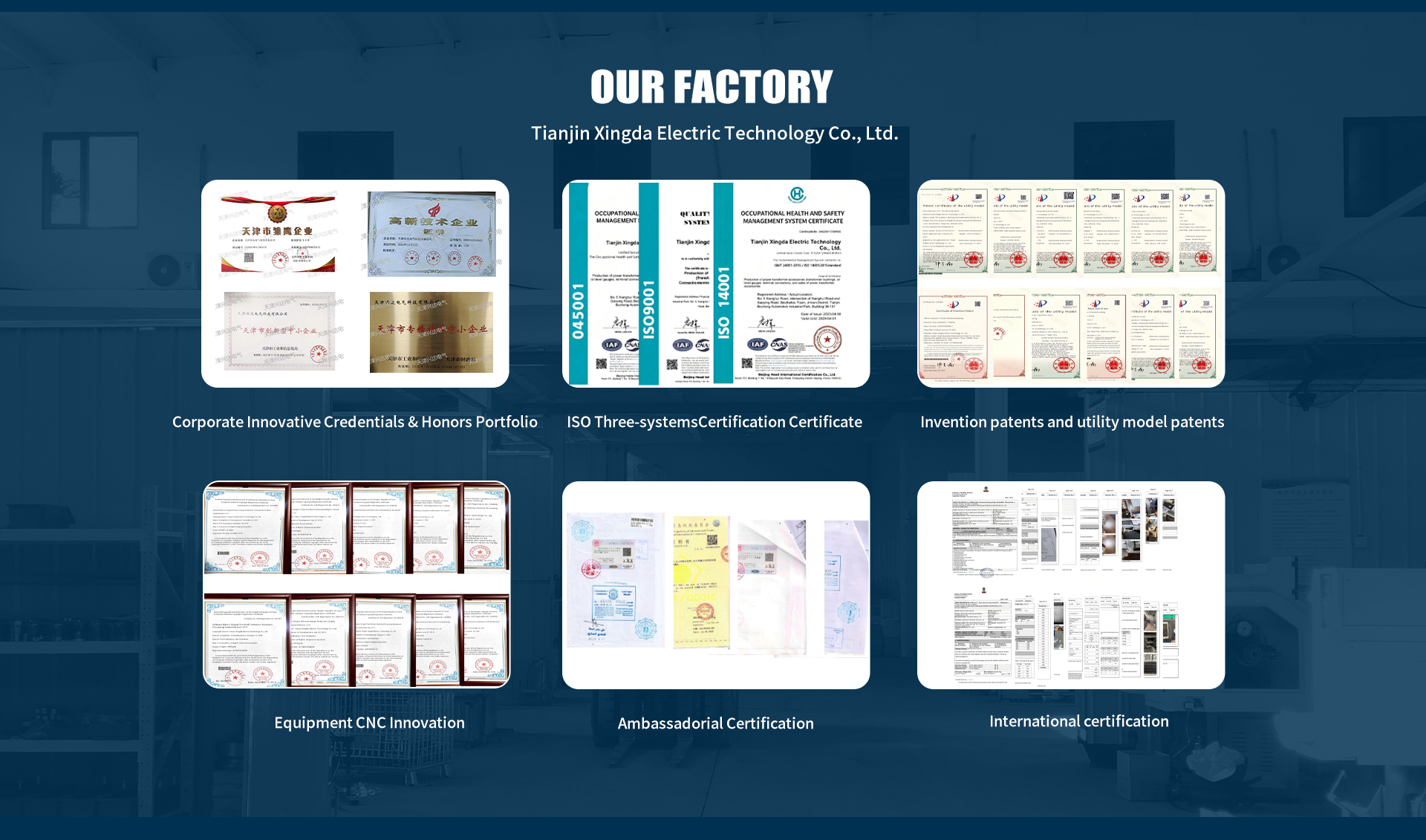
Quality System Certification | ISO9001 ISO14001 ISO45001 Certified Production |
Supply Mode | Factory Direct Wholesale Customization with Complete Certification Documents |
Market Adaptability | Fully Compliant for Brazil Local Grid Engineering Acceptance |
Frequently Asked Questions
1. Are certified Brazil low voltage transformer bushings more durable than ordinary products?Yes. All certified Brazil low voltage transformer bushings undergo strict tropical environment aging tests, insulation performance tests and structural stability tests in accordance with Brazilian official standards. Adopting standard certified raw materials and standardized production processes, the products have excellent anti aging, anti UV and moisture resistance capabilities, which can adapt to long term outdoor operation in Brazil’s high temperature and high humidity climate. Certified products feature stable electrical performance and long service life, effectively avoiding frequent aging damage and failure problems of non standard products, and fully meeting the durable operation requirements of Brazilian power grid projects.
2. What daily maintenance do certified Brazil low voltage transformer bushings require?Certified standard bushings have low daily maintenance costs and simple operation procedures. It is necessary to regularly clean surface dust and dirt to maintain the original insulation performance of the porcelain surface. Regularly check the sealing structure and conductive terminals to ensure no looseness, oxidation or oil leakage. Avoid long term overload operation of transformers to prevent excessive temperature from affecting structural stability. Conduct regular insulation performance testing in accordance with Brazilian power operation specifications to ensure the products always meet certified safety standards during operation.
3. What certifications are mandatory for exporting transformer bushings to Brazil?The most core mandatory certification is Brazil INMETRO certification, which is a necessary qualification for product customs clearance and market access. Meanwhile, products must comply with ABNT NBR 5435 and ABNT NBR 6140 local industry standards, and match IEC 60137 international bushing specifications. Products without complete certification documents will be refused entry and cannot be used for Brazilian power engineering projects.
4. Can certified low voltage transformer bushings adapt to all Brazilian regional environments?Standard certified products pass unified tropical climate adaptation tests, suitable for high humidity rainy areas, coastal corrosive areas and inland high temperature areas in Brazil. The certified anti fouling, waterproof and anti aging performance can cope with various complex local working environments, ensuring stable and safe operation in all regional low voltage power distribution systems.
5. Do certified products support customized specifications for Brazilian projects?Fully certified manufacturers support standardized customized services. All customized products will strictly follow Brazilian certification standards to complete production and testing, ensuring that customized products have complete certification qualifications and fully meet local engineering acceptance standards. Both small batch sample orders and large scale engineering bulk orders are supported to meet diverse project procurement needs.
Certification
Categories
Contact Us
Contact: Tianjin Delda Trading Co., Ltd
WhatsApp: +86 13662056855
Tel:
E-mail: solomon20210701@tjxddq.com
Add: Unit‑101, Workshop 3, Bozhong Automobile Industrial Park, No.5 Xianghui Road, Intersection of Xianghui Road and Gaoying Road, Beizhakou Town, Jinnan District, Tianjin, China