Brazil bushing
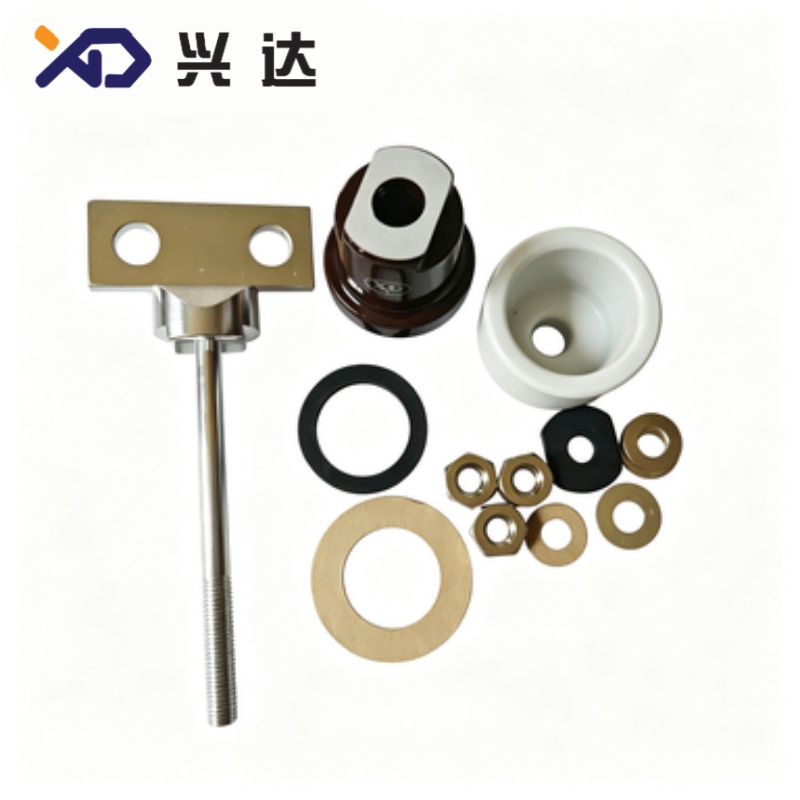
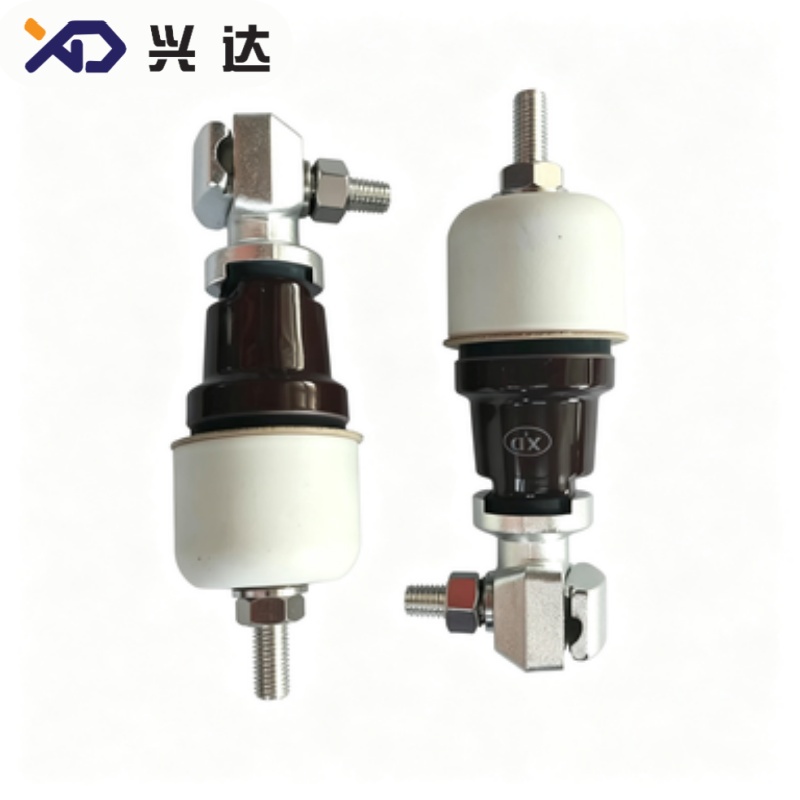
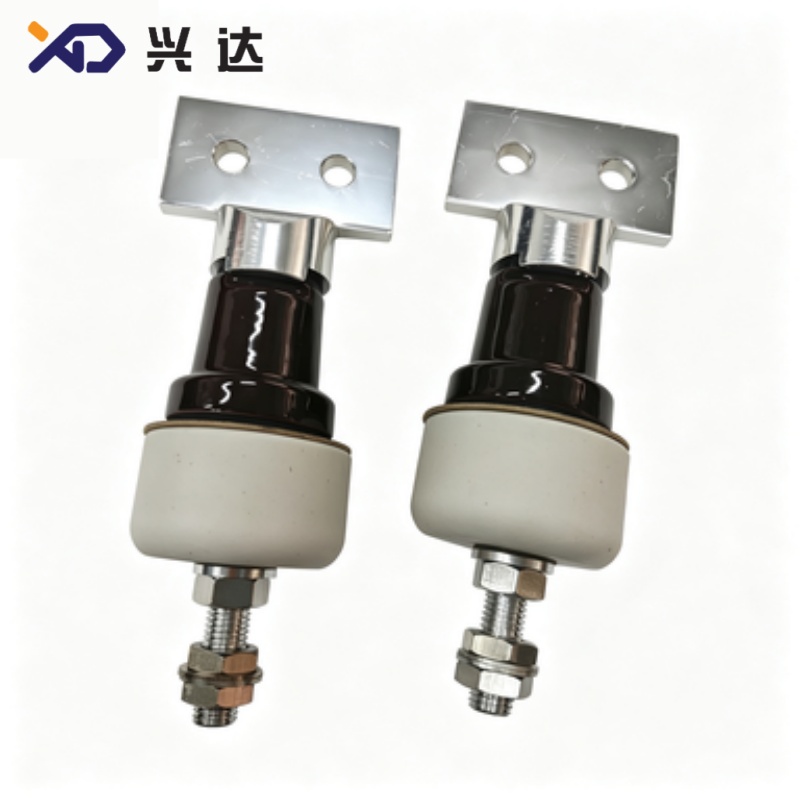
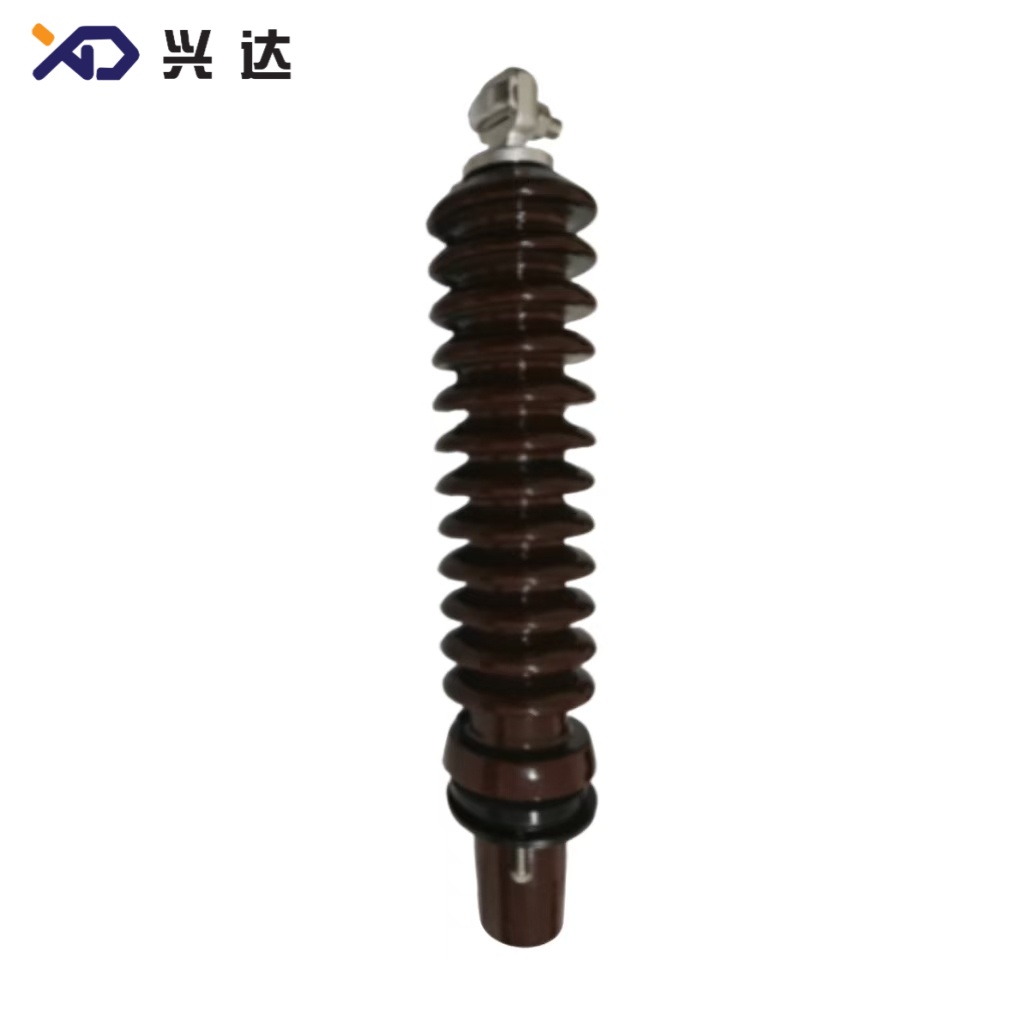
Brazil Bushing, Oil‑Immersed Transformer Porcelain Bushing for Distribution Transformer
Brazil Bushing: Complete Technical Guide for Transformer Porcelain Bushings
Introduction
Brazil bushing, also known as Brazilian‑standard transformer bushing, is a specialized porcelain‑insulated bushing widely adopted for oil‑immersed distribution transformers across South American power grids. This type of transformer bushing serves as the critical feed‑through component that connects internal transformer windings to external overhead cables or busbars, providing electrical insulation while carrying continuous load current out of the transformer tank.
The term “Brazil bushing” refers to a unified mechanical and electrical footprint designed to satisfy local utility requirements in Brazil and neighboring Latin‑American markets. Unlike generic DIN or ANSI bushings, Brazil‑pattern bushings feature unique flange dimensions, terminal layouts, porcelain shed profiles, sealing structures and mounting hole patterns that match regional transformer manufacturing norms. These components appear on both low‑voltage and medium‑voltage transformer terminals, covering distribution‑class voltage ratings for urban, rural and industrial power distribution networks.
Power system engineers, transformer assemblers, maintenance contractors and procurement specialists frequently search for Brazil bushing specifications, dimension tables, installation guidance and failure‑mode references. This article delivers industry‑only technical knowledge, universal specification tables, performance advantages, operating‑condition limits, common failure analysis and practical selection checklists, suitable for Google‑indexed industry blog posts, technical directory pages and product knowledge libraries. No specific manufacturer or commercial brand is promoted throughout this content.
What is a Brazil Bushing for Transformers
A Brazil bushing is an oil‑immersed transformer feed‑through insulator constructed primarily from high‑grade glazed porcelain, conductive metal rods, copper/aluminium terminal plates, compression gaskets and sealing hardware. Its core function is dual‑purpose:
- Carry rated continuous current from transformer internal coils outward to external connection hardware without excessive temperature rise.
- Maintain reliable dielectric isolation between live conductors and the earthed transformer steel tank wall.
Brazil‑standard bushings separate clearly into low‑voltage Brazil bushing and high‑voltage Brazil bushing variants. Low‑voltage Brazil bushing models are commonly applied on LV secondary sides of distribution transformers, while medium‑voltage Brazil bushings fit primary HV terminals. Most Brazil bushing units are designed for oil‑filled transformer tanks; part of the bushing body sits immersed inside mineral transformer oil, and the shed‑equipped porcelain section extends out into open‑air ambient conditions.
Key mechanical features that define authentic Brazil bushing geometry include dedicated multi‑hole terminal connection plates, standardized flange bolt‑hole layouts, matched gasket sealing surfaces and porcelain shed creepage profiles optimized for Latin‑American coastal and industrial pollution environments. Many replacement‑project engineers must verify Brazil bushing dimensional drawings instead of only referencing voltage‑current nameplate values, because cross‑regional standard mismatches will cause mounting‑fit or sealing‑leakage problems even under identical kV‑A ratings.
Core Structure of Brazil Transformer Bushing
Every Brazil bushing assembly consists of four major functional sections, each directly influencing field reliability.
- External Porcelain Insulator (Shed Section)Glazed brown porcelain forms the outer weather‑proof insulator. Stacked sheds increase total creepage distance, resisting surface flashover caused by dust, salt fog, bird droppings and humidity. Porcelain material provides high mechanical stiffness and strong ultraviolet resistance for long‑term outdoor service.
- Mounting Flange & Sealing InterfaceThe flange is the metal‑porcelain transition part that fastens the bushing onto transformer tank openings. Composite rubber gaskets install between flange and tank wall to block transformer‑oil leakage and stop moisture ingress into tank interiors. Improper gasket compression is one of the top root causes of Brazil bushing on‑site failures.
- Current‑Carrying Conductor CoreCentral metal stud or copper rod forms the conductive path. Cross‑section dimension strictly corresponds to rated continuous current. Higher‑ampere Brazil bushing versions adopt larger‑diameter conductors to limit Joule heating during full‑load and short‑circuit events.
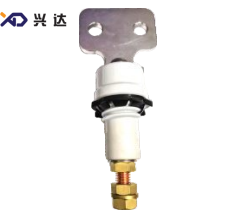
- Terminal Connection HardwareTop‑end terminal plates or threaded studs provide connection points for external cables and bus bars. Brazil‑pattern terminal plates use fixed hole‑spacing patterns that differentiate them from DIN‑style bushing terminals. Mismatched terminal hole layout will block direct cable‑lug installation in field‑replacement scenarios.
General Technical Specifications of Brazil Bushing
The following table summarizes widely‑accepted general‑range parameters for industry‑standard Brazil bushing. These values reflect typical distribution‑transformer‑grade Brazil bushing performance ranges, for reference during specification review and component selection.
| Parameter | Typical Value Range for Brazil Bushing | Remarks |
|---|---|---|
| Rated Voltage | 1.0 kV ~ 36.2 kV | Covers LV secondary and MV primary distribution transformer terminals |
| Rated Continuous Current | 160 A up to 4500 A | Low‑voltage Brazil bushing supports higher‑current ratings |
| Main Insulation Material | High‑glaze Electrical Porcelain | Anti‑tracking, UV‑stable for outdoor exposure |
| Applicable Equipment | Oil‑immersed distribution transformers | Not designed for dry‑type transformers without modification |
| Ambient Operating Temperature | -45 °C to +45 °C | Full operational temperature window for tropical & subtropical climate zones |
| Maximum Working Altitude | ≤1000 m above sea level; reinforced type ≤2500 m | Altitude derating is required for sites above 1000 m |
| Allowed Mounting Angle | Vertical or inclined ≤30° from vertical | Excessive tilt accelerates gasket‑seal aging and oil leakage risk |
| Pollution Adaptation | Standard for light‑medium pollution; anti‑fouling variant for heavy salt‑coastal areas | Creepage distance must match site pollution class |
| Short‑time Thermal Withstand Current | Matched to transformer short‑circuit requirements | Thermal capacity defined per relevant power‑equipment standards |
| Main Color of Porcelain Body | Dark Brown Glaze | Standard visual specification for Brazil‑market transformer accessories |
Main Advantages of Brazil‑Standard Transformer Bushings
Engineers and transformer OEMs select Brazil bushing solutions for distinct practical benefits adapted to Latin‑American grid operating environments.
1. Region‑matched Mechanical Interchangeability
Brazil bushing follows unified mechanical footprint conventions. When performing transformer repair or spare‑part replacement, correct Brazil‑pattern bushings directly fit existing tank cut‑outs, flange bolt holes and terminal lug layouts without on‑site tank‑plate modification work. This characteristic lowers field‑service labour cost and shortens transformer outage duration during maintenance events.
2. Strong Outdoor Environmental Adaptability
Glazed porcelain housing delivers excellent resistance against ultraviolet radiation, heavy rainfall, high humidity and coastal salt contamination, which are common across large territories inside Brazil. Reasonably‑designed shed geometry extends creepage distance and reduces probability of surface flashover under polluted‑surface wet‑conditions. Anti‑pollution enhanced Brazil bushing variants further serve coastal industrial zones.
3. Stable Thermal‑electric Performance Under Rated Load
Properly‑sized Brazil bushing conductor cores maintain controlled temperature rise under continuous rated‑current operation. When short‑circuit faults occur inside power networks, the bushing structure can withstand specified short‑time thermal and dynamic current stress without mechanical fracture or permanent insulation damage.
4. Cost‑effective Maintenance Cycle
Compared with complex composite‑material high‑voltage bushings, porcelain‑based Brazil bushing structures have relatively simple internal construction. Under normal operating conditions and basic visual inspection routines, service‑life cycles can reach many years. Spare‑part stocking for transformer fleets becomes easier because of widely‑shared dimension standards within the regional market.
5. Reliable Oil‑sealing Structure
Well‑engineered flange‑gasket assemblies of Brazil bushing block transformer‑oil leakage. When installation torque values are strictly followed, the gasket‑based sealing interface effectively prevents both oil outflow and atmospheric moisture penetration into transformer oil tanks. Moisture ingress is a major threat to transformer insulation systems, so sealing integrity directly decides overall transformer service‑life performance.
Critical Operating Conditions for Brazil Bushing
All Brazil bushing performance indexes are defined under reference‑standard operating conditions. Deviations from these reference conditions require technical derating or enhanced‑specification component selection.
- Altitude derating: At altitudes higher than 1000 m, air dielectric strength drops. For sites above 1000 m, users must apply insulation‑level derating or choose high‑altitude reinforced‑type Brazil bushing products.
- Pollution level matching: Standard‑type Brazil bushing applies to light‑pollution inland regions. For seashore, chemical‑plant surrounding and heavy‑industrial‑pollution sites, anti‑fouling long‑creepage‑distance Brazil bushing shall be selected. Otherwise surface leakage current and flashover risk will rise sharply during wet‑weather periods.
- Mounting‑angle constraint: Installation inclination cannot exceed 30 degrees relative to vertical orientation. Larger inclination angles will create uneven gasket‑surface pressure, accelerating seal aging and oil‑leakage failure probability.
- Temperature limitation: Long‑term ambient temperature beyond -45 °C ~ +45 °C scope calls for special thermal‑cycle evaluation. Tropical high‑temperature sites also need attention to bushing temperature‑rise margin under transformer overload scenarios.
Common Failure Modes of Brazil Bushing
Understanding typical Brazil bushing failure modes assists field technicians to implement predictive maintenance and avoid unexpected transformer outages.
Oil Leakage at Flange or Gasket Positions
Oil leakage ranks among the most frequent Brazil bushing faults. Root causes include aging rubber gaskets, uneven bolt‑tightening torque, damaged sealing surfaces, over‑torqued installation bolts or mechanical shock during transportation and assembly. Even minor oil seepage deserves attention: sustained leakage opens pathways for moisture to enter transformer tank interiors and degrades main‑transformer insulation performance.
Moisture‑induced Insulation Degradation
When micro‑cracks appear on porcelain bodies or gasket sealing fails, humid outside air and water vapour penetrate inward. Moisture contaminates transformer oil and weakens dielectric strength. Long‑term moisture invasion will trigger partial‑discharge phenomena inside insulation structures, gradually eroding insulation materials and eventually producing catastrophic breakdown faults.
Surface Flashover and Pollution Tracking
Salt dust, industrial deposits and bird waste accumulate on porcelain shed surfaces. When dew or rain wets contaminated layers, surface leakage current increases, which may lead to surface flashover. Repeated flashover events will leave carbonized tracking paths on porcelain surfaces and permanently degrade bushing insulation capability. This failure mode occurs more often for standard‑spec Brazil bushing installed in coastal high‑pollution locations.
Over‑heating at Connection Terminals
Excessive contact resistance on Brazil bushing top terminals comes from loose bolt connections, improper terminal‑plate contact surface treatment or galvanic corrosion between dissimilar metals. High contact resistance creates Joule over‑heating under load current. Temperature rise further oxidizes contact surfaces and forms a vicious cycle; severe cases produce terminal burning‑loss and transformer forced shutdowns.
Mechanical Damage
Transportation collision, improper handling, seismic vibration or excessive cantilever force from connected cables may generate invisible micro‑cracks on porcelain insulators. Hidden porcelain cracks do not immediately cause failure, yet they expand gradually under temperature cycling and oil‑pressure changes, leading to sudden oil‑leakage or insulation breakdown in service.
Brazil Bushing Selection Checklist
When specifying or replacing Brazil bushing for distribution transformers, verify these key technical items one‑by‑one to prevent specification mismatch:
- Confirm rated voltage and highest equipment voltage Um according to transformer primary‑secondary winding voltage class.
- Match rated continuous current to transformer maximum operating current, reserve reasonable overload margin.
- Check complete mechanical dimension set: flange outer diameter, flange bolt hole circle diameter, bolt‑hole quantity, terminal plate hole layout, overall bushing length, oil‑immersed insertion depth. Only voltage‑current parameters are not sufficient for replacement procurement.
- Evaluate site environment: altitude, pollution severity, coastal salt‑fog level, ambient‑temperature range. Decide whether anti‑fouling or high‑altitude reinforced Brazil bushing is required.
- Verify mechanical performance indicators: cantilever withstand load, short‑time thermal withstand current matching transformer short‑circuit parameters.
- Confirm installation‑angle requirement; ensure field‑mounting inclination does not exceed 30° relative to vertical.
- Cross‑reference applicable acceptance‑test standards for regional power‑utility projects.
Installation & Maintenance Best Practices for Brazil Bushing
Correct installation and regular maintenance greatly extend Brazil bushing service life and reduce transformer‑failure risks.
Installation Guidelines
- Inspect every Brazil bushing unit before installation. Check porcelain surfaces for cracks, chipping, glaze damage; examine gaskets and metal components for deformation or corrosion. Reject any visibly‑damaged unit.
- Keep flange sealing surfaces of transformer tank and bushing clean, flat and free of metal burrs, debris or old‑gasket residues.
- Apply new matched‑material compression gaskets. Re‑using aged gaskets is forbidden.
- Tighten flange bolts following uniform cross‑torque sequence, strictly comply with recommended torque values. Under‑torque causes oil leakage; over‑torque risks porcelain‑body cracking.
- After completing bushing installation, perform static oil‑leakage inspection before energizing transformers.
- Control external cable pulling‑force; avoid transmitting excessive cantilever mechanical stress onto Brazil bushing terminals.
Routine Maintenance Suggestions
- Periodic visual inspection: Check for oil traces around flange‑gasket areas, porcelain shed contamination level, porcelain crack signs, terminal‑connection‑point over‑heating discoloration.
- For heavily‑polluted site conditions, schedule regular porcelain‑surface cleaning to reduce flashover risk.
- During transformer overhaul cycles, replace ageing sealing gaskets even if no visible leakage appears.
- Measure connection‑terminal temperature rise under load conditions (thermal‑imaging inspection is preferred). Abnormal hot‑spots indicate bad contact conditions that need timely correction.
- Store spare Brazil bushing products in dry sheltered warehouses; avoid long‑term outdoor stock‑pile exposure.
Conclusion
Brazil bushing occupies an irreplaceable position in Latin‑American oil‑immersed distribution‑transformer systems. As the critical insulation‑conduction interface between transformer internal windings and external power networks, its performance directly influences transformer operational safety and grid reliability.
When selecting Brazil bushing, buyers must pay attention not merely to voltage and current ratings, but also to mechanical dimensional compatibility, site environmental parameters, gasket‑sealing system configuration and installation‑process specifications. Understanding common failure modes and adopting standardized installation‑maintenance workflows will effectively reduce avoidable transformer‑outage incidents.
As regional power‑grid construction continues developing, correct specification, quality control and proper application of Brazil‑standard transformer bushings remain essential topics for transformer designers, OEM purchasing teams and power‑grid maintenance‑engineering departments.
(Word count: 1482)
Meta‑tag suggestions for Google SEO:
- Title tag: Brazil Bushing | Complete Technical Guide for Transformer Brazilian‑Standard Bushings
- Meta description: Learn about Brazil bushing structure, specifications, advantages, failure modes and installation tips for oil‑immersed distribution transformers. Industry‑only technical reference.
- Target keywords: Brazil bushing, Brazilian transformer bushing, transformer porcelain bushing Brazil standard, LV Brazil bushing, MV Brazil bushing, oil‑immersed transformer bushing for South America
Would you like to adjust the article length, add more comparison tables, or refine keyword density for better Google indexing? This is a typical SEO‑oriented industry blog task, and work task mode can help you polish title‑tags, H‑sub‑headings, image‑alt text and export‑ready markdown content.
Categories
Contact Us
Contact: Tianjin Delda Trading Co., Ltd
WhatsApp: +86 13662056855
Tel:
E-mail: solomon20210701@tjxddq.com
Add: Unit‑101, Workshop 3, Bozhong Automobile Industrial Park, No.5 Xianghui Road, Intersection of Xianghui Road and Gaoying Road, Beizhakou Town, Jinnan District, Tianjin, China