Brazil bushing


brazil bushing Reliable Manufacturers, Suppliers and Factory Listings User Approved
Brazilian Bushing: Complete Guide to NBR‑Standard Transformer Bushing
What Is a Brazilian Bushing (NBR Transformer Bushing)
Brazilian bushing, also known as NBR‑standard transformer bushing, is a type of oil‑immersed transformer bushing developed to meet Brazilian ABNT‑NBR national electrical standards for distribution and power transformers widely deployed across Brazil and South‑American power grids. These bushings create a safe insulated conductive path that passes high‑current conductors through the grounded metal wall of an oil‑filled transformer tank, separating live electrical parts from the earthed tank enclosure while allowing continuous power transfer between transformer internal windings and external overhead or cable connections.
Two primary product families define the Brazilian bushing series: low‑voltage Brazilian bushings covering 1.3 kV rated voltage with continuous current ratings ranging from 160 A up to 800 A; and medium‑voltage Brazilian bushings for 15 kV, 24.2 kV and 36.2 kV systems, most commonly rated for 160 A continuous service. The low‑voltage group follows NBR 16856, the Brazilian specification for 1.2 kV liquid‑immersed transformer bushings with currents 160 A‑8000 A. The medium‑voltage variant complies with NBR 5435, the key ABNT standard for 15 kV / 24.2 kV / 36.2 kV oil‑immersed transformer bushings up to 160 A.
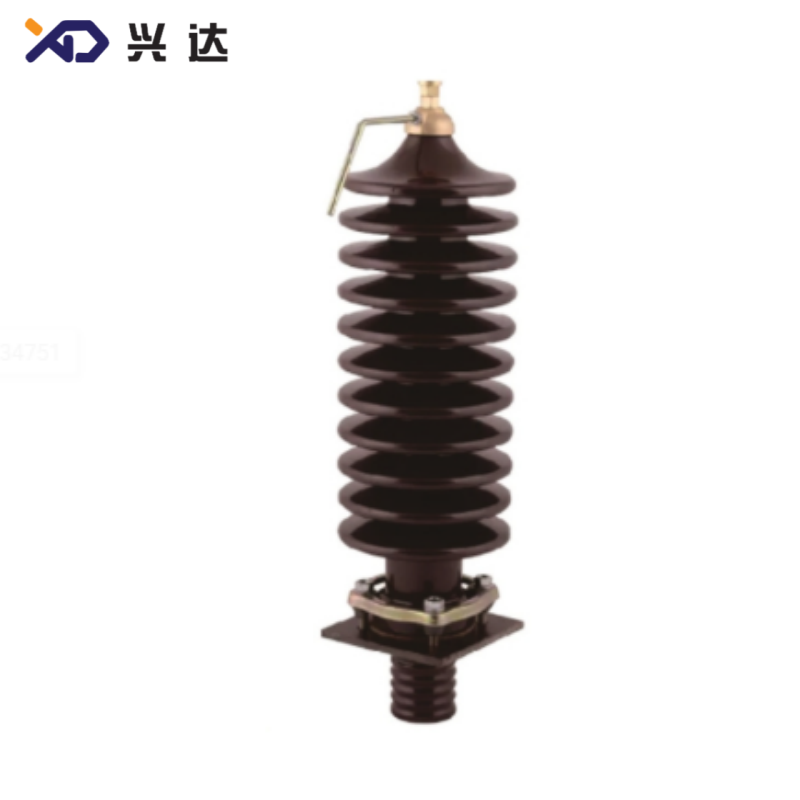
Unlike generic IEC or DIN‑style transformer bushings, Brazilian‑NBR bushings feature unique flange mounting dimensions, tank opening cut‑out sizes, terminal connection layouts, porcelain shed profiles and standardized creepage distance values tailored for Brazil’s diverse operating environments, including coastal salt‑polluted zones, inland industrial areas and high‑altitude distribution networks. Most models are non‑condenser type solid porcelain bushings with vitrified brown or white porcelain insulators, copper‑alloy current‑carrying studs, tin‑plated connection terminals and NBR nitrile‑rubber sealing gaskets to prevent transformer mineral oil leakage at the tank‑bushing joint interface.
Core Functions of Brazilian NBR‑Standard Bushing
Electrical Insulation: Provides robust dielectric isolation between energized copper conductor and the grounded transformer tank wall, preventing phase‑to‑earth flash‑overs and internal short‑circuit faults inside oil‑filled distribution transformers.
Continuous Current Conduction: Transfers rated load current from transformer windings to external network connections without excessive temperature rise; the cross‑section of central conductive rod is strictly sized according to NBR standards for each current class (160 A, 400 A, 800 A etc.)Made-in-Ch....
Hermetic Tank Sealing: The integrated NBR rubber gasket assembly between bushing flange and transformer tank maintains oil‑tight sealing, blocking moisture ingress and insulating‑oil weeping, a very common root‑cause of transformer premature degradation in field installations.
Mechanical Load Resistance: Designed to withstand cantilever mechanical stress from cable terminations, vibration during transformer transportation, thermal cycling, and minor seismic events, while keeping dimensional interchangeability for maintenance spare‑part replacement.
Outdoor Environmental Withstand: Specified creepage distance and porcelain shed geometry resist surface contamination, salt fog, UV solar radiation, rain and pollution deposits for long‑term outdoor distribution‑transformer service in Brazilian climate conditions.
Main Advantages of Brazilian‑NBR Transformer Bushings
Full NBR‑Standard Compliance: Every critical dimension, electrical test requirement, thermal limit and mounting interface aligns with official ABNT NBR specifications, guaranteeing mechanical interchangeability for original‑equipment transformers operating in Brazil’s power distribution infrastructure.
Field‑Proven Porcelain Insulation: High‑grade glazed alumina porcelain insulator body offers excellent UV‑resistance, tracking‑resistance, and ageing stability, delivering multi‑decade service life for outdoor distribution‑transformer installations, compared to epoxy‑only alternatives with lower outdoor UV durability.
Modular Design for Wide Ratings: The product portfolio covers low‑voltage 1.3 kV (160 A‑800 A) and medium‑voltage 15‑36.2 kV (160 A) ranges, supporting single‑phase and three‑phase distribution‑transformer designs of different power capacities.
Standardized Tank‑Opening Dimensions: Pre‑defined tank cut‑out hole sizes, flange bolt patterns and mounting‑hole layouts remove engineering guesswork for transformer designers, reducing production errors and on‑site installation complications.
Robust Sealing System: NBR nitrile rubber gaskets compatible with mineral transformer oil deliver stable compression sealing over wide operating temperature ranges; special HNBR elastomer options are available for vegetable‑ester dielectric oil applications if required.
Cost‑Effective Maintenance & Spare‑Parts: Since Brazilian bushings follow national standard dimensions, spare‑part sourcing and field replacement are straightforward for utility maintenance teams across South‑American markets.
Typical Operating Conditions for Brazilian Bushing
These bushings are designed for oil‑immersed distribution transformers under these standard service conditions:
Ambient operating temperature range: ‑45 °C up to +45 °C
Standard installation altitude: ≤ 1000 m above sea‑level; reinforced anti‑pollution variants can operate up to 2500 m altitude with adjusted creepage distance
Installation inclination angle: maximum 30° from vertical axis
Service environment: outdoor distribution substations, pole‑mounted transformers; anti‑pollution extended‑creepage models are specified for coastal salt‑fog and heavy‑industrial pollution zones
Rated power frequency: 50 Hz / 60 Hz, matching Brazilian national grid frequency.
Note: When installing bushings at altitudes higher than 1000 m, engineers must select upgraded creepage‑distance versions to compensate reduced air dielectric strength at high elevation locations.
Technical Specification Tables for Brazilian NBR‑Standard Bushing
Table 1: Low‑Voltage Brazilian Bushing (1.3 kV, 160 A‑800 A) Dimensional & Rating Data
This table compiles key dimension parameters extracted from standard technical drawings for the 1.3 kV low‑voltage NBR‑Brazilian bushing series, where dimensions are expressed in millimetres.
表格
| Model Code | Rated Voltage | Rated Current(A) | Total Height H | h1 | h2 | Thread Size ød | ød2 | ød3 | Mounting Hole Pattern n‑ød1 | Creepage Distance(mm) |
|---|---|---|---|---|---|---|---|---|---|---|
| 15XD,DY160,BX,B | 1.3 kV | 160 | 179 | - | 79 | M10×1.5 | 51 | 49 | ‑ | 50 |
| 15XD,DY400,BX,A | 1.3 kV | 400 | 225 | 130 | 95 | M16×2.0 | 65 | ‑ | ‑ | 65 |
| 15XD,DY400,BX,B | 1.3 kV | 400 | ‑ | 140 | ‑ | M16×2.0 | ‑ | ‑ | 2×Ø14 | ‑ |
| 15XD,DY800,BX,B | 1.3 kV | 800 | 394 | ‑ | ‑ | M24×1.5 | ‑ | ‑ | 4×Ø14 | 68 |
Notes for Table 1:
Md represents the thread dimension for lower internal transformer‑side connection terminal.
n‑ød1stands for quantity × diameter of flange mounting bolt holes on transformer tank flange plate.B = width dimension of upper external connection flange block; standard drawing reference value for B = 44.5 mm for the common 160 A variant.
Table 2: Medium‑Voltage Brazilian Bushing (15 kV‑36.2 kV /160 A) Specifications
Medium‑voltage Brazilian bushings follow ABNT NBR 5435 for 15 kV, 24.2 kV and 36.2 kV rated‑voltage classes, with primary continuous current rating of 160 A. Dimensions shown are in millimetres. Tank opening diameter for this series is standard Ø64 mm.
表格
| Model Code | Rated Voltage Class | Rated Current(A) | Total Height H | h1 | h2 | Tank Opening Diameter | Number of Porcelain Sheds | Nominal Creepage Distance(mm) |
|---|---|---|---|---|---|---|---|---|
| 15XD.GY15.T1 | 15 kV | 160 | 220 | ‑ | ‑ | Ø64 | 4 | 280 |
| 15XD.GY24.2.T1 | 24.2 kV | 160 | ‑ | 110 | 110 | Ø64 | 6 | ‑ |
| 15XD.GY36.2.T1 | 36.2 kV | 160 | ‑ | 172 | 105 | Ø64 | ‑ | ‑ |
Key Parameter Definitions for Bushing Selection
When specifying Brazilian NBR‑standard bushings for new transformer design or spare‑part replacement, engineers need to evaluate these critical parameters:
Rated Voltage: Must match transformer winding rated voltage. Low‑voltage Brazilian bushings are for secondary‑side 1.3 kV circuits; medium‑voltage models apply for primary‑side 15 kV / 24.2 kV / 36.2 kV distribution‑transformer inputs. Never select a lower‑voltage‑class bushing for higher‑voltage service.
Rated Continuous Current: Determined by maximum transformer secondary or primary load current plus recommended 10‑20 % thermal safety margin. Available low‑voltage current grades: 160 A, 400 A, 800 A. The medium‑voltage series is standardized for 160 A nominal rating as per NBR 5435 requirements.
Creepage Distance: The surface leakage path length over porcelain insulator exterior. This parameter is critical for pollution‑resistance. Higher creepage values are mandatory for coastal salt‑spray locations and heavy‑industrial contamination environments. For sites over 1000 m altitude, choose upgraded creepage specifications.
Mechanical Dimensions: Overall height H, h1 (air‑side height), h2 (oil‑immersed portion height), tank‑opening cut‑out diameter, flange bolt‑hole layout, upper‑terminal thread specification and lower internal‑connection thread Md must match transformer tank mechanical drawings to guarantee fit‑up. Mismatched mounting dimensions are a frequent cause of project delays and oil‑leak field failures.
Material Compatibility: Standard NBR rubber gaskets suit conventional mineral transformer oil. For transformers filled with biodegradable vegetable‑ester dielectric fluids, specify HNBR or fluorocarbon FKM sealing materials to avoid gasket swelling and premature seal degradation.
Porcelain Shed Count: Medium‑voltage Brazilian bushings use multi‑shed glazed porcelain insulators. Shed quantity directly correlates with total external creepage distance and pollution‑withstand performance.
Installation & Maintenance Best‑Practice for Brazilian‑NBR Bushings
Pre‑Installation Inspection: Before mounting, visually examine porcelain insulator body for cracks, chips, glaze damage; inspect metal terminals for corrosion and verify gasket surface is free of dirt, scratches or ageing degradation. Damaged bushings must never be fitted onto energized transformers.
Gasket Installation: Place new NBR / HNBR gasket evenly between bushing flange and transformer tank surface. Do not reuse old compressed gaskets. Apply even torque across all flange bolts; uneven bolt torque is one major cause of transformer‑oil slow leakage at bushing joints.
Torque Control on Conductive Terminals: Apply manufacturer‑recommended torque values for upper external cable‑connection nuts and lower internal transformer‑winding connection terminals. Over‑torque may strip copper threads; insufficient torque will create high‑resistance contact points leading to dangerous thermal overheating under load.
Avoid Excessive Mechanical Cantilever Load: External cable connections should not impose excessive sideways bending stress to bushing upper terminals. Heavy cable weight needs separate mechanical support clamps to prevent permanent bushing insulator fracture.
Periodic Routine Maintenance: During transformer scheduled inspection cycles, check for oil traces around bushing flange and gasket area (signs of seal leakage). Inspect porcelain exterior surface for heavy dust, salt or industrial contaminant build‑up; clean polluted insulator surfaces to preserve effective creepage performance. Check terminal connection hardware for signs of thermal discoloration or corrosion.
De‑energized Replacement Only: All bushing removal and replacement work must be performed on fully de‑energized, grounded transformers. Live‑work bushing replacement is not permitted for this product family.
Common Application Scenarios for Brazilian‑NBR‑Standard Bushings
Pole‑mounted single‑phase & three‑phase oil‑immersed distribution transformers across Brazilian national power grid
Pad‑mounted distribution transformers for residential, commercial and industrial power supply
Utility‑grade distribution‑transformer OEM production for Brazil and export markets in Latin‑America following NBR technical requirements
Transformer spare‑parts inventory and field‑repair replacement for ageing installed transformer fleets
Small‑scale industrial oil‑filled transformers conforming to Brazilian electrical equipment regulatory standards
Difference Between Brazilian NBR‑Bushing and IEC / DIN‑Style Transformer Bushing
Many transformer designers compare Brazilian‑NBR bushings against widely‑used IEC‑60137 or DIN‑standard transformer bushings. The key distinctions are summarized:
表格
| Comparison Item | Brazilian NBR‑Standard Bushing | IEC / DIN‑Standard Transformer Bushing |
|---|---|---|
| Governing Standard | ABNT NBR 16856 (LV); ABNT NBR 5435 (MV) | IEC 60137, DIN 42531 / DIN 42533 |
| Primary Target Market | Brazil and Latin‑American NBR‑compliant markets | Global European, Asian, Middle‑East markets |
| Mounting Flange & Tank‑Opening Dimensions | Unique NBR‑defined hole patterns and cut‑out sizes | DIN‑standardized flange dimensions, not interchangeable with NBR |
| Typical LV Ratings | 1.3 kV /160‑800 A | 1‑3.6 kV / 250 A‑3150 A |
| Typical MV Ratings | 15 kV, 24.2 kV, 36.2 kV / 160 A | 12 kV, 24 kV, 36 kV wide current range |
| Porcelain Shed Geometry | Shed profile optimized for Brazilian pollution‑class requirements | Generic European‑market pollution‑class design |
| Terminal Thread Specifications | NBR‑standard metric thread series | DIN‑specific metric thread sizes |
Critical note: Physical interchangeability does not exist between Brazilian‑NBR bushings and DIN / IEC‑style bushings, even when nominal voltage and current ratings appear numerically similar. Always cross‑reference complete dimension drawings before substitution.
Troubleshooting Common Field Failures for Brazilian‑NBR‑Bushings
Oil Leakage at Flange Joint: Root causes: old reused gasket, uneven bolt torque, gasket mechanical damage during installation. Remedy: replace gasket completely; apply symmetrical cross‑pattern bolt tightening to achieve uniform compression.
External Surface Flash‑over Events: Root causes: insufficient creepage distance for site pollution severity; heavy contamination deposits accumulated on porcelain surface; operation above rated altitude without upgraded design. Remedy: select higher‑creepage anti‑pollution variant; schedule periodic insulator cleaning for heavily contaminated locations.
Terminal Over‑heating under Load: Root causes: insufficient terminal tightening torque; corroded connection contact surfaces; selecting bushing current rating lower than actual operating load. Remedy: de‑energize equipment, clean contact surfaces and retorque terminals; verify current‑rating selection includes adequate thermal safety margin.
Porcelain Insulator Cracking: Root causes: mechanical impact during transport or installation; excessive cantilever side‑load from connected cables; thermal shock. Remedy: handle bushing assemblies with care; install separate cable support hardware to eliminate sideways stress on bushing upper terminals.
Conclusion
Brazilian NBR‑standard bushings are mission‑critical components for oil‑immersed distribution‑transformer systems built for Brazilian and broader Latin‑American electrical markets. The product portfolio spans low‑voltage 1.3 kV (160 A‑800 A) and medium‑voltage 15 kV‑36.2 kV (160 A) variants, with strictly standardized dimensions, creepage‑distance values, and material requirements defined by ABNT NBR national standards. Correct specification requires careful matching of rated voltage, continuous current rating, creepage‑distance for site pollution and altitude conditions, plus full mechanical dimensional verification for transformer tank‑mounting interfaces. Proper installation torque control, correct gasket material selection, and scheduled periodic maintenance are essential steps to maximize service life and prevent costly transformer outages caused by bushing‑related faults.

Categories
Contact Us
Contact: Tianjin Delda Trading Co., Ltd
WhatsApp: +86 13662056855
Tel:
E-mail: solomon20210701@tjxddq.com
Add: Unit‑101, Workshop 3, Bozhong Automobile Industrial Park, No.5 Xianghui Road, Intersection of Xianghui Road and Gaoying Road, Beizhakou Town, Jinnan District, Tianjin, China