Butterfly Valves
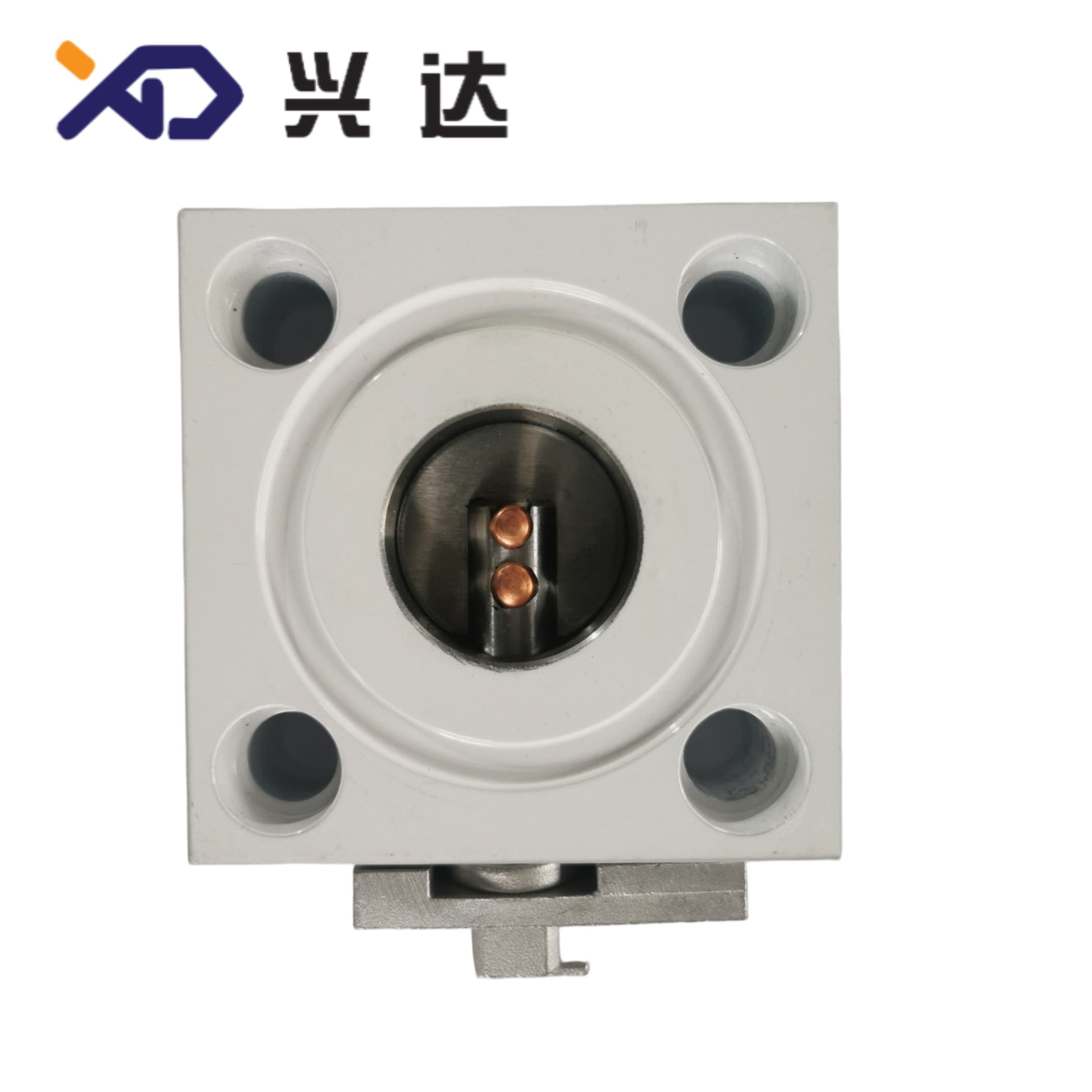
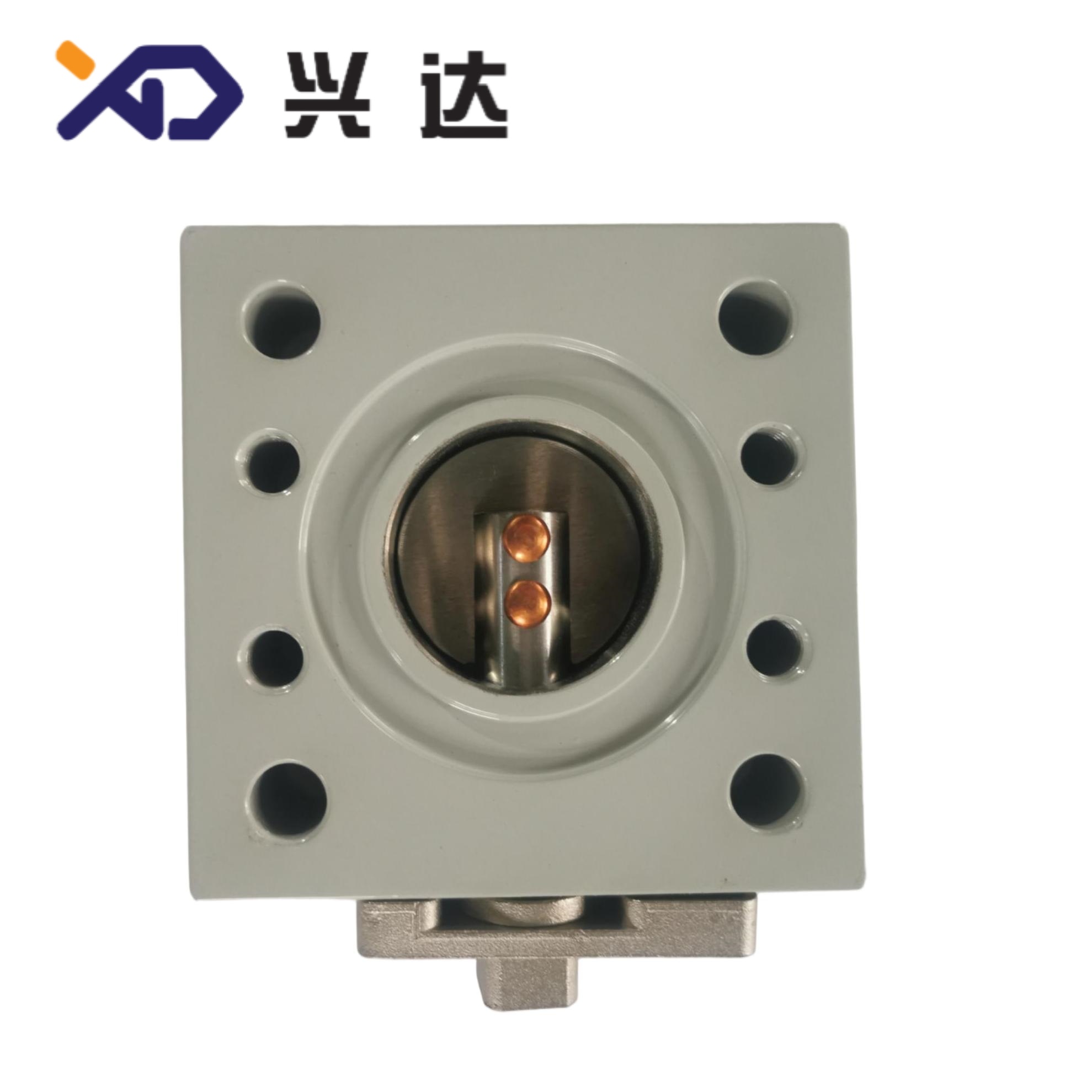
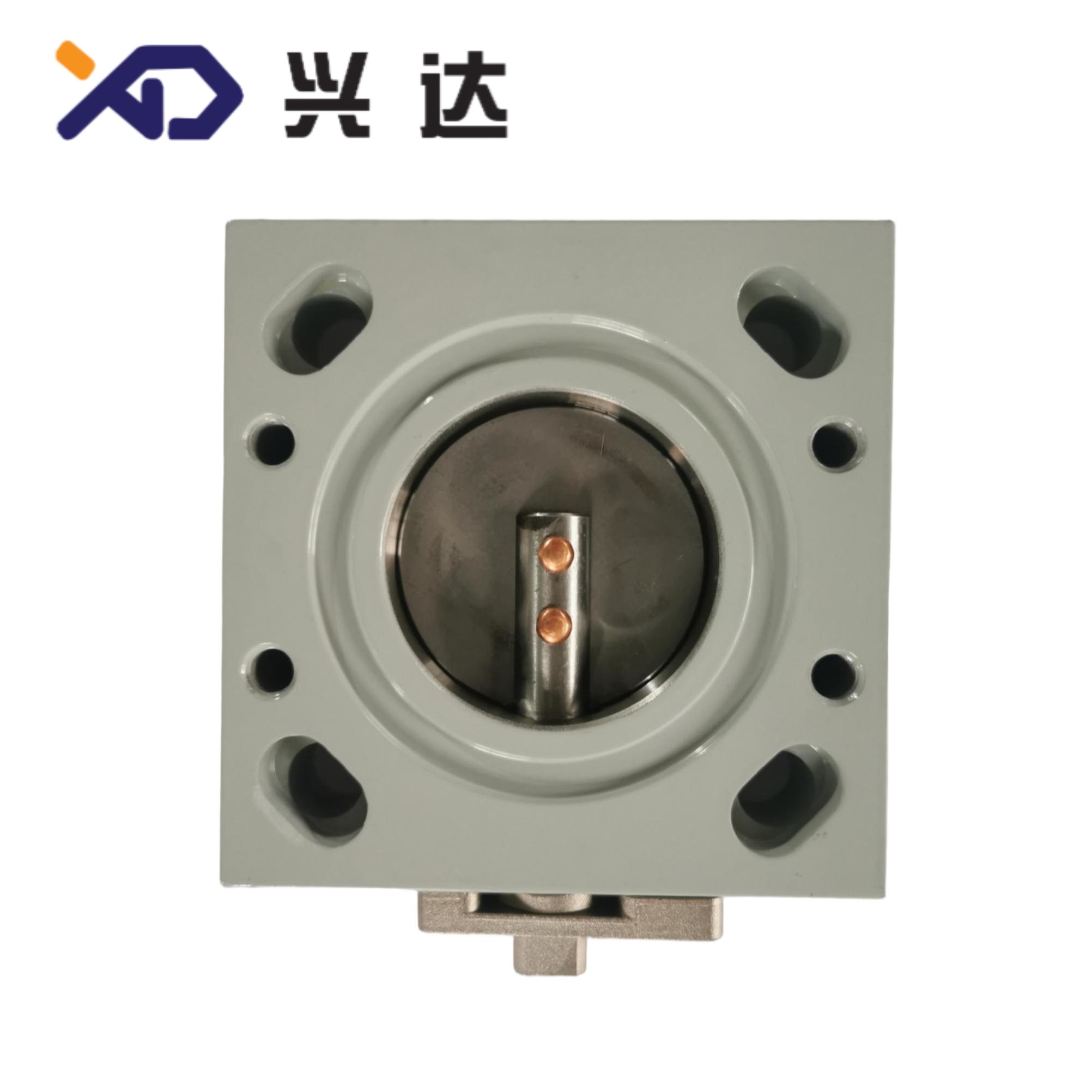
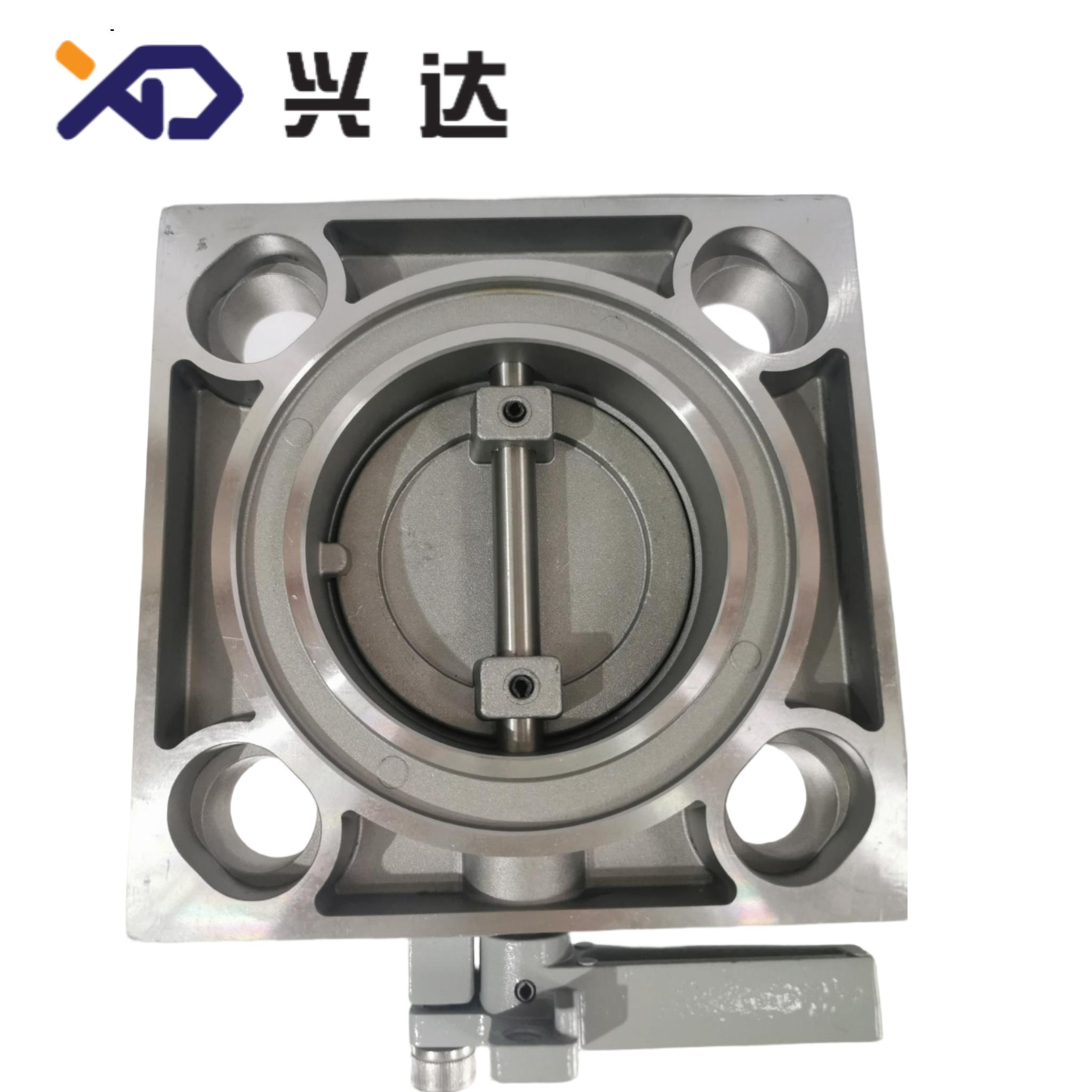
Butterfly Valve | Quarter Turn Flow Control Valve for Pipeline Systems
Butterfly Valve: Complete Industry Guide – Definition, Types, Specifications, Selection & Applications
What is a Butterfly Valve?
A butterfly valve, a transformer accessory, is a quarter-turn rotary flow control device widely used to isolate, throttle, or regulate fluid flow within industrial piping systems. Its core operating element is a circular disc mounted on a central stem. Rotating the disc 90 degrees swings the plate parallel to the flow path for full opening or perpendicular to flow to achieve shut-off. The rotating disc resembles butterfly wings, hence the name butterfly valve.
As a short-pattern valve design, the butterfly valve occupies far less installation space compared to gate valves, globe valves and plug valves. It supports both on-off isolation and continuous flow modulation, making it highly versatile across water treatment, HVAC, power generation, chemical processing, marine and oil & gas industries. Butterfly valves handle liquids, gases, slurries and low-viscosity vapors under variable pressure and temperature operating conditions.
Basic Structure & Working Principle
Core Components
Valve Body: Main housing connecting to pipeline flanges; available in wafer, lug or double flange configurations.
Butterfly Disc: Circular rotating plate controlling flow passage.
Valve Stem: Torque transmission shaft connecting actuator to disc.
Seat / Seal Ring: Provides sealing contact between disc and body; classified as resilient soft seal or metal hard seal.
Stem Packing: Secondary sealing preventing medium leakage along the stem.
Actuator: Operating unit including manual lever, worm gear, pneumatic actuator, electric actuator or hydraulic actuator.
Operating Principle
The butterfly valve operates on a quarter-turn mechanism. At 0°, the disc fully blocks the pipeline (closed position). Rotating the stem clockwise or counterclockwise up to 90° gradually opens the bore. Intermediate angles between 15° and 75° enable accurate flow regulation. Soft-seated butterfly valves achieve bubble-tight shutoff (Class VI leakage standard), while metal-seated offset butterfly valves deliver reliable sealing under high temperature and pressure.
Main Categories of Butterfly Valves
Butterfly valves can be classified by structural offset design, sealing type, end connection and actuator mode.
1. Classification by Offset Structure
| Type | Structure Feature | Working Temperature | Pressure Class | Typical Application |
|---|---|---|---|---|
| Concentric Butterfly Valve | Disc shaft aligned with sealing surface center; soft seat contact | -20 ℃ ~ 120 ℃ | PN6 / PN10 / PN16; ANSI 150 | Water supply, HVAC, wastewater, general industrial water |
| Double Offset Butterfly Valve | Two offset dimensions reduce continuous friction between disc and seat | -40 ℃ ~ 200 ℃ | PN10 ~ PN40; ANSI 150 / 300 | Water treatment, district heating, mild chemical media |
| Triple Offset Butterfly Valve | Three offset geometry; metal-to-metal sealing, non-contact opening motion | -196 ℃ ~ 600 ℃ | PN16 ~ PN100; ANSI 150 / 300 / 600 | Steam, high-temperature oil, petrochemical, power plant pipelines |
2. Classification by Sealing Type
Resilient Seated Butterfly Valve (Soft Seal)Equipped with elastomer or PTFE seat materials such as EPDM, NBR, HNBR, FKM. Offers zero leakage performance, low operating torque, and cost advantages. Limited to moderate temperature ranges and incompatible with strong solvents.
Metal Seated Butterfly Valve (Hard Seal)Adopts metal laminated sealing structure. Resists high temperature, abrasion and aggressive media. Suitable for steam, flue gas and high-temperature process pipelines. Leakage level complies with Class IV / Class V standards.
3. Classification by End Connection Style
| Connection Type | Installation Description | Advantages | Limitations |
|---|---|---|---|
| Wafer Butterfly Valve | Sandwiched between two pipe flanges using long through bolts | Ultra-compact, lightweight, lowest cost | Cannot serve dead-end service; pipeline must be fully disassembled for removal |
| Lug Butterfly Valve | Threaded lugs integrated on valve body; bolts fasten independently to each flange | Supports dead-end service; single-side pipe removal for maintenance | Higher cost and weight than wafer type |
| Double Flanged Butterfly Valve | Integral flanges on both valve ends matching pipe flanges | High structural rigidity, stable alignment, suitable for large diameters | Longest face-to-face dimension, heavier weight, higher material cost |
4. Classification by Actuation Method
Manual butterfly valve: Hand lever or worm gear operator for low-frequency operation
Pneumatic butterfly valve: Double-acting or spring return pneumatic actuator; fast open/close, explosion-proof optional
Electric butterfly valve: Motorized actuator with on/off or modulating signal (4–20mA) for automatic control systems
Hydraulic butterfly valve: High torque output for extra-large diameter butterfly valves
Key Advantages & Limitations of Butterfly Valves
Main Advantages
Compact short-body design reduces overall piping footprint, ideal for confined installation spaces
Lightweight construction lowers structural load on pipe supports
Fast quarter-turn operation shortens opening and closing cycle times
Wide available nominal diameter range from DN40 up to DN3000
Capable of both shut-off and throttling flow control
Simple internal structure, fewer wearing parts, convenient on-site maintenance
Competitive total cost compared with large-bore gate valves and ball valves
Limitations
Disc remains inside flow path when fully open, creating permanent pressure drop
Soft-seated versions have upper temperature limits restricted by elastomer materials
Traditional concentric butterfly valves generate higher operating torque under high differential pressure
Not recommended for pipelines carrying highly abrasive solid particles without protective lining
Common Body, Disc & Seat Material Options
Material selection depends on medium corrosivity, operating temperature and pressure.
| Component | Material Choices | Applicable Service Conditions |
|---|---|---|
| Valve Body | Ductile Iron QT450, Cast Iron HT250, WCB Carbon Steel, CF8 (304), CF8M (316), Duplex Stainless Steel | Ductile iron: clean water; WCB: general process media; stainless steel: corrosive liquid/gas |
| Butterfly Disc | Ductile Iron, Stainless Steel SS304 / SS316, Coated Metal, Alloy Overlay | Standard water, seawater, chemical fluids |
| Soft Seat | EPDM, NBR, HNBR, FKM(Viton), PTFE | EPDM: water; NBR: oil; FKM: hydrocarbons and high temperature; PTFE: strong chemicals |
| Hard Seal | Stainless Steel + Graphite, Stellite Alloy Overlay | High temperature steam, flue gas, abrasive media |
Standard Technical Parameter Overview
| Parameter | General Specification Range |
|---|---|
| Nominal Size | DN40 ~ DN3000 (1.5 inch ~ 120 inch) |
| Pressure Rating | PN6, PN10, PN16, PN25, PN40, PN63, PN100; ANSI Class 125, 150, 300, 600 |
| Operating Temperature | Soft seal: -20 ℃ ~ +120 ℃; Metal seal: -196 ℃ ~ +600 ℃ |
| Leakage Standard | Soft seal: ANSI/FCI 70-2 Class VI; Metal seal: Class IV / Class V |
| Top Mount Flange | ISO 5211 standard for interchangeable actuator mounting |
| Face-to-Face Dimensions | EN 558, ASME B16.10, ISO 5752 |
| Testing Standard | ISO 5208, API 598 |
| Main Design Standards | API 609, EN 593, AWWA C504, BS 5155, ISO 10631 |
Industrial Applications of Butterfly Valves
Butterfly valves are deployed across a broad spectrum of process sectors:
Water & Wastewater Treatment: Raw water pipelines, purified water distribution, sewage pumping stations, desalination plants
HVAC & Building Services: Chilled water circuits, cooling tower circulation, air conditioning flow regulation, fire protection piping
Power Generation: Circulating cooling water, auxiliary steam systems, flue gas control
Chemical & Petrochemical: Mild corrosive liquids, process gas, solvent transfer pipelines
Marine & Offshore: Ballast water systems, seawater cooling, ship utility fluid circuits
Mining & Metallurgy: Slurry transportation, process cooling water, ventilation duct isolation
Food & Beverage: Clean process water, liquid ingredient transfer (stainless steel sanitary butterfly valves)
Butterfly Valve Selection Checklist
Proper valve specification avoids premature failure and operational issues. Engineers should evaluate these criteria during selection:
Nominal diameter matching pipeline size
Design pressure and maximum differential pressure
Minimum and maximum medium temperature
Medium composition: corrosiveness, abrasion, viscosity
Required function: full isolation, throttling regulation or both
Allowable leakage class
End connection type: wafer, lug or double flange
Suitable body, disc and seat material combination
Actuator type: manual, pneumatic or electric; control signal requirements
Compliance with regional project standards (EN, API, AWWA, ISO)
Frequently Asked Questions
Q: What is the difference between wafer butterfly valve and lug butterfly valve?
A: Wafer butterfly valves are clamped between two flanges with long through bolts and cannot operate as end-of-line valves. Lug butterfly valves have threaded body inserts allowing independent bolting to each flange, supporting dead-end service and single-side pipe disassembly for maintenance.
Q: Can butterfly valves be used for throttling flow?
A: Yes. Both concentric and offset butterfly valves deliver stable throttling performance between 15° and 75° opening angles. For precise continuous modulation, users often select electric modulating butterfly valves.
Q: What is a triple offset butterfly valve used for?
A: Triple offset metal-seated butterfly valves eliminate seat friction during opening and closing. They are the preferred solution for high-temperature steam, hot oil and high-pressure process pipelines where soft elastomer seats cannot survive operating conditions.
Q: Are resilient seated butterfly valves bubble tight?
A: High-quality resilient seated butterfly valves achieve Class VI zero bubble leakage when tested per ANSI/FCI 70-2 standards, suitable for applications requiring complete fluid isolation.
Categories
Contact Us
Contact: Tianjin Delda Trading Co., Ltd
WhatsApp: +86 13662056855
Tel:
E-mail: solomon20210701@tjxddq.com
Add: Unit‑101, Workshop 3, Bozhong Automobile Industrial Park, No.5 Xianghui Road, Intersection of Xianghui Road and Gaoying Road, Beizhakou Town, Jinnan District, Tianjin, China