Epoxy Resin Bushing
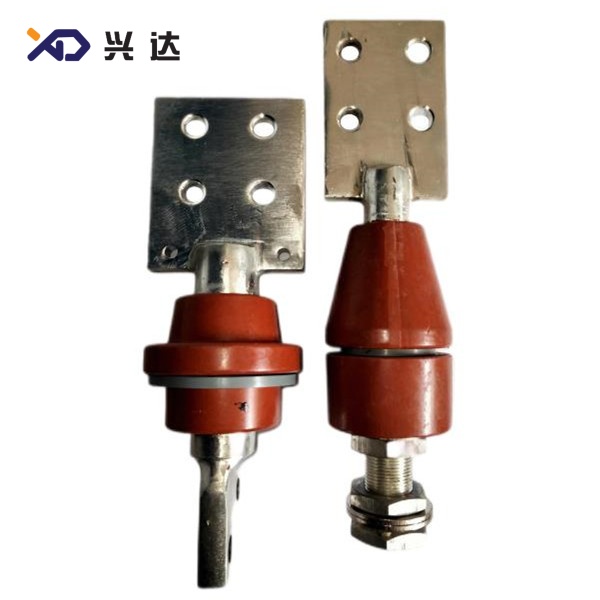
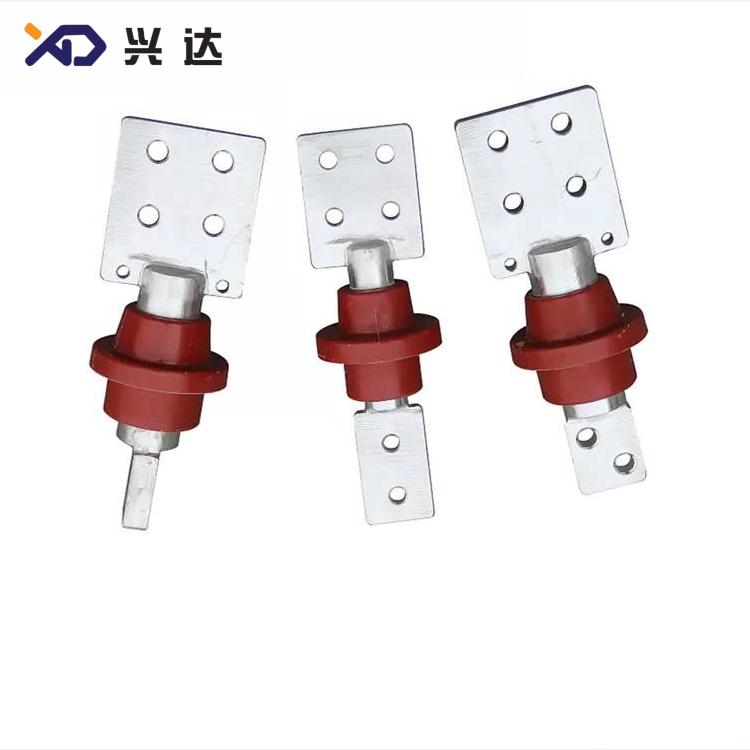
Epoxy Resin Bushing | Dry Type Cast Insulation Bushing for MV Power System
Epoxy Resin Bushing: Complete Technical Guide for Medium & High Voltage Power Systems
Table of Contents
What Is an Epoxy Resin Bushing?
Core Structure & Working Principle
Main Types of Epoxy Resin Bushings
Key Technical Specifications (Reference Table)
Core Advantages of Epoxy Resin Bushing
Epoxy Resin Bushing vs Traditional Porcelain Bushing (Comparison Table)
Global Application Scenarios
Critical Selection Criteria for Engineering Projects
Industry Standards & Routine Testing Requirements
Installation & Preventive Maintenance Guidelines
Frequently Asked Questions
Conclusion
1. What Is an Epoxy Resin Bushing?
An epoxy resin bushing is a solid insulated electrical component manufactured through vacuum casting or APG (Atmospheric Pressure Gelation) molding with modified epoxy resin composite materials. It enables energized conductors to penetrate grounded metal enclosures, transformer tanks or switchgear cabinets while maintaining stable dielectric isolation between live circuits and earthed structures.
Unlike oil-filled bushing solutions, epoxy resin bushings belong to dry-type solid insulation equipment. The whole component integrates conductive metal inserts and epoxy insulation body in one solid structure without internal oil chambers, gas cavities or paper insulation layers. This design eliminates leakage risks and greatly simplifies equipment layout for modern compact power distribution hardware.
Epoxy resin bushings cover low voltage, medium voltage and partial high voltage classes, and have become the mainstream penetration insulator for new-generation switchgear, distribution transformers, ring main units and renewable energy power equipment worldwide.
2. Core Structure & Working Principle
Basic Composition
Central conductive core: Copper or aluminum conductor for load current transmission
Epoxy resin insulation body: Modified cycloaliphatic or bisphenol A epoxy filled with inorganic filler, providing dielectric strength and mechanical support
Mounting flange: Integrated or embedded metal fitting for fixed installation on equipment housing
External shed structure (optional): Molded insulating sheds to extend creepage distance for anti-pollution performance
Working Principle
When power equipment operates, alternating current flows through the central conductor. The solid epoxy resin forms a continuous insulating barrier to block leakage current between live parts and grounded cabinet shells. Reasonable shed geometry and uniform internal material distribution optimize electric field distribution, restrain partial discharge, and prevent surface flashover under humid, contaminated operating conditions.
Vacuum casting technology removes internal micro voids inside epoxy insulation, avoiding local electric field concentration which is the primary cause of long-term insulation aging.
3. Main Types of Epoxy Resin Bushings
Epoxy resin bushings are classified by installation environment, function and voltage grade.
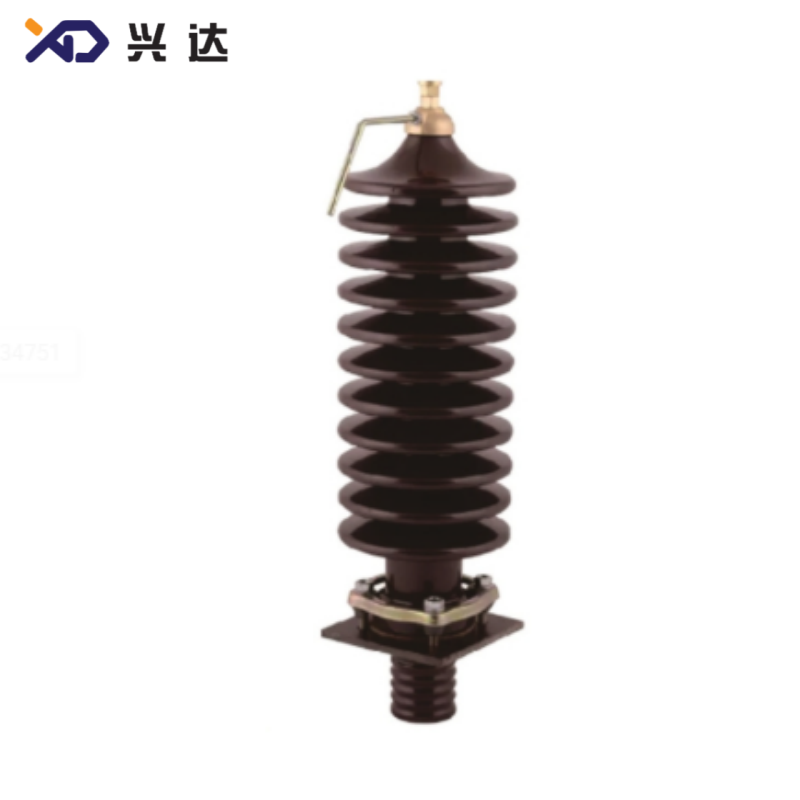
Indoor Epoxy Wall Bushing: Designed for inside switchgear, clean and dry operating conditions, compact outline without large external sheds
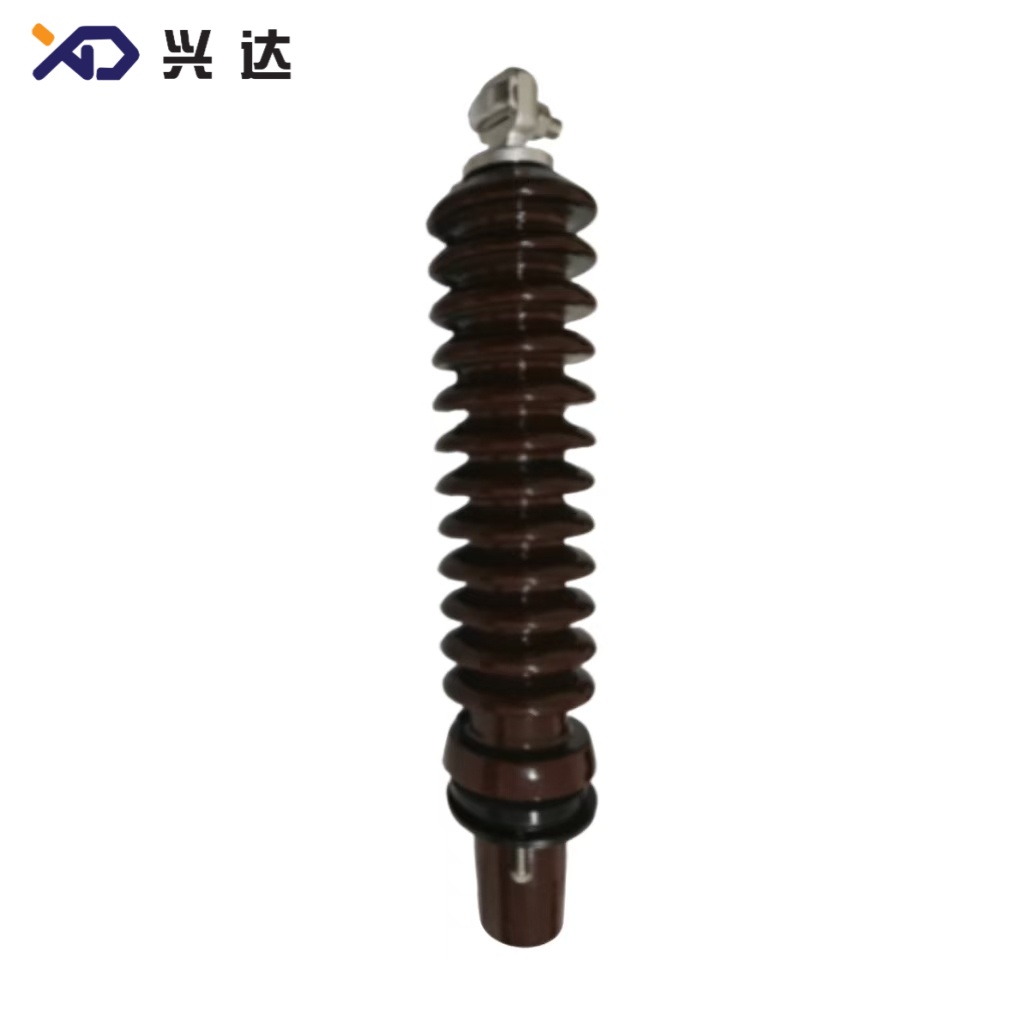
Indoor-Outdoor Epoxy Resin Bushing: One side installed inside cabinet, the other exposed to atmosphere; equipped with anti-pollution sheds
Transformer Epoxy Resin Bushing: Specialized for distribution transformer tank penetration, matched with transformer sealing structures
Through-Type Epoxy Bushing: Hollow structure for cable passing applications
Standoff & Integrated Bushing: Combined insulation and supporting function for busbar connection
4. Key Technical Specifications (Reference Table)
Note: All parameters represent industry standard general values; exact dimensions shall refer to official type test documents.
| Parameter Item | Standard Reference Value | Remarks |
|---|---|---|
| Rated Voltage Class | 12kV / 24kV / 36kV | Custom voltage available upon technical negotiation |
| Rated Current | 630A, 1250A, 2000A, 3150A | Depends on internal conductor cross-section |
| Power Frequency Withstand Voltage | 42kV (12kV grade); 65kV (24kV grade); 95kV (36kV grade) | 1 min dry withstand test |
| Lightning Impulse Withstand Voltage (BIL) | 75kV / 125kV / 170kV | Peak impulse voltage |
| Partial Discharge Level | ≤10 pC under 1.5× rated voltage | Void-free casting required |
| Maximum Continuous Operating Temperature | -40°C ~ +105°C | Standard insulation class F |
| Water Absorption Rate | <0.1% | Excellent moisture resistance |
| Flammability Grade | UL94 V-0 | Self-extinguishing performance |
| Standard Pollution Degree | PD II / PD III | Outdoor type supports PD IV with optimized shed design |
| Compliance Standards | IEC 60137, IEC 60270, IEC 60660 | Global common testing standards |
5. Core Advantages of Epoxy Resin Bushing
Outstanding Mechanical SafetyEpoxy composite material features high tensile strength and impact resistance. Unlike porcelain insulators, epoxy resin bushings will not produce sharp fragments when subjected to collision or thermal shock, significantly reducing equipment damage and safety hazards.
Low Partial Discharge PerformanceAdvanced vacuum casting eliminates internal bubbles and defects. Stable low partial discharge characteristic slows insulation aging and extends service cycle under continuous high voltage load.
Compact Structure & Light WeightEpoxy resin bushings are 30%–55% lighter than equivalent porcelain bushings. Smaller occupied space supports the miniaturization trend of medium voltage switchgear and solid insulated equipment.
Strong Environmental AdaptabilityResistant to moisture, weak acid, salt mist and chemical dust. UV-stabilized epoxy formulations are applicable for coastal, industrial and outdoor installation scenarios. Hydrophobic surface inhibits contamination accumulation and surface leakage current.
Maintenance-Free Dry-Type DesignNo insulating oil, no risk of oil leakage, fire hazards or oil pollution. No regular oil filtering or oil replacement work required, cutting long-term operation costs.
Flexible Custom MoldingEpoxy materials can be molded into diversified outlines, shed shapes, flange sizes and conductor structures to match customized equipment designs.
6. Epoxy Resin Bushing vs Traditional Porcelain Bushing
| Comparison Item | Epoxy Resin Bushing | Glazed Porcelain Bushing |
|---|---|---|
| Anti-Shock Performance | High toughness, no sharp fragmentation risk | Brittle, easy to crack under impact; broken pieces may cause short circuit |
| Weight | Lightweight | Heavy weight, higher requirement on equipment supporting structure |
| Partial Discharge Stability | Low PD; solid homogeneous insulation | Higher risk of internal defects; glaze damage reduces insulation performance |
| Pollution Resistance | Hydrophobic surface; longer cleaning cycle | Glaze surface easily accumulates conductive dirt |
| Installation Tolerance | Moderate tolerance on tightening torque | Strict torque control; over-tightening easily causes cracking |
| Service Life (Industrial Environment) | 25–30 years | 15–20 years |
| Structure Customization | Highly flexible molding | Limited shape adjustment |
| Leakage & Fire Risk | Dry type, zero oil leakage risk | Oil-type porcelain bushing has oil leakage risk |
| Vibration Resistance | Suitable for railway, wind power vibration environment | Prone to crack under long-term continuous vibration |
7. Global Application Scenarios
Epoxy resin bushings are widely adopted across all segments of power generation, transmission, distribution and industrial power consumption:
Medium voltage switchgear, vacuum circuit breakers and ring main units
Cast resin distribution transformers and oil type distribution transformers
Renewable energy stations: Wind turbine box transformers, solar power inverter cabinets
Railway traction power supply substations and urban rail power equipment
Mining electrical equipment, petrochemical industrial high voltage power systems
Data center medium voltage power distribution equipment
Marine power distribution facilities and offshore power equipment
8. Critical Selection Criteria for Engineering Projects
Rated Voltage & Current MatchingConfirm system nominal voltage, short-time overload current and short-circuit withstand capacity to avoid overheating or insulation overload.
Operating Environment ClassificationIndoor or outdoor installation; pollution degree, altitude, salt mist concentration decide shed type and epoxy material formulation. UV-resistant cycloaliphatic epoxy is preferred for long-term outdoor exposure.
Mechanical Load ConditionsEvaluate vibration level, mounting angle, short-circuit electromagnetic force and installation torque limit.
Electrical Performance RequirementsClarify partial discharge threshold, BIL level and power frequency withstand voltage according to grid specification requirements.
Dimensional Interface ConsistencyCheck flange hole layout, mounting thickness, conductor connection mode and cabinet reserved opening size.
Standard CertificationVerify type test reports complying with IEC, IEEE or local national electrical standards before procurement.
9. Industry Standards & Routine Testing Requirements
International mainstream standards governing epoxy resin bushing design and testing:
IEC 60137: Insulated bushings for alternating voltages above 1000 V
IEC 60270: Partial discharge measurement
IEC 60660: Insulators for indoor use in switchgear and controlgear
IEC 60068: Environmental testing (temperature cycling, damp heat test)
Mandatory routine tests for qualified epoxy resin bushings:
Visual and dimensional inspection
Power frequency dry withstand voltage test
Partial discharge detection
Resistance test of conductive connections
Mechanical tightness test of embedded fittings
Type tests for new product designs include thermal cycling test, thermal shock test, pollution withstand test and lightning impulse voltage test.
10. Installation & Preventive Maintenance Guidelines
Installation Suggestions
Complete visual inspection before installation; reject any bushing with surface cracks, chipping or epoxy peeling
Clean flange contact surfaces to remove dust, metal scraps and residual impurities
Apply uniform tightening torque to mounting bolts; avoid unbalanced stress leading to internal insulation damage
Install waterproof sealing gaskets between bushing flange and equipment housing for outdoor or humid locations
Avoid direct hard impact on epoxy body during hoisting and assembly
Maintenance Recommendations
Indoor equipment: Visual inspection every 24 months
Outdoor, coastal and heavy pollution sites: Inspection every 12 months
Inspection focus: Surface contamination, crack generation, seal aging, connection terminal overheating
Clean dirt on epoxy surface with dry soft cloth; avoid corrosive chemical cleaning agents
Conduct partial discharge or thermal imaging inspection during regular equipment overhaul
11. Frequently Asked Questions
Q1: Can epoxy resin bushings work continuously outdoors?
A: Standard bisphenol A epoxy may suffer slow surface chalking under long-term strong UV radiation. Cycloaliphatic UV-stabilized epoxy resin bushings are recommended for permanent outdoor applications.
Q2: Are epoxy resin bushings fire-resistant?
A: Qualified industrial epoxy resin bushings reach UL94 V-0 self-extinguishing grade. They will not sustain combustion and will not drip burning material.
Q3: Can epoxy resin bushings replace old porcelain bushings directly?
A: Direct replacement is feasible if voltage class, current rating and mounting dimensions match. Engineers shall verify electric field environment and pollution condition simultaneously.
Q4: What causes partial discharge failure of epoxy resin bushings?
A: The main triggers include poor casting with internal voids, mechanical damage during installation, long-term surface contamination and excessive operating temperature.
12. Conclusion
Epoxy resin bushings represent a mature, reliable dry-type insulation solution for modern power systems. With excellent electrical performance, high mechanical safety, lightweight structure and low maintenance demand, they gradually replace traditional oil-filled bushings and porcelain bushings in medium voltage distribution equipment worldwide.
As power equipment continues developing toward compact design, environmental protection and safety standards upgrading, epoxy solid cast insulation components will maintain steady growth in power grid, renewable energy, industrial and transportation power projects. Proper specification selection, standardized installation and periodic simple inspection guarantee long-term stable operation of epoxy resin bushings in all complex operating environments.
Categories
Contact Us
Contact: Tianjin Delda Trading Co., Ltd
WhatsApp: +86 13662056855
Tel:
E-mail: solomon20210701@tjxddq.com
Add: Unit‑101, Workshop 3, Bozhong Automobile Industrial Park, No.5 Xianghui Road, Intersection of Xianghui Road and Gaoying Road, Beizhakou Town, Jinnan District, Tianjin, China