Oil Level Indicator
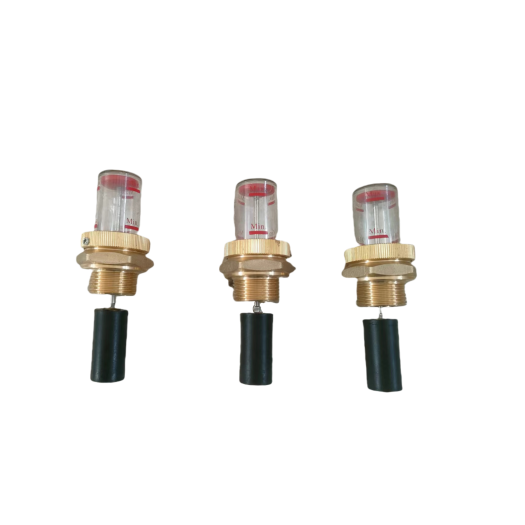
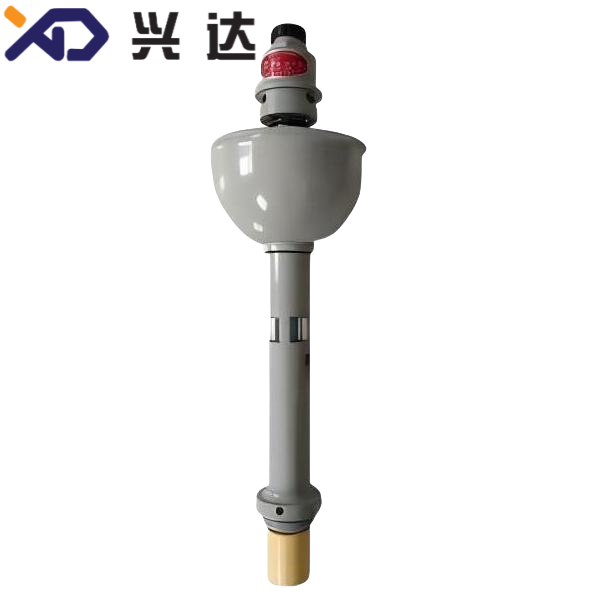
Transformer Oil Level Gauge Guide: Types, Working Principle, Specifications and Applications
1. Basic Overview of Transformer Oil Level Gauge
The transformer oil level gauge is a fundamental auxiliary monitoring component for all oil-immersed power and distribution transformers, serving as the most intuitive visual device to reflect the internal insulating oil capacity and operating status of transformer equipment. Insulating oil is the core medium for transformer heat dissipation, electrical insulation, and arc suppression, and its liquid level height directly determines the safety stability and service life of the entire power equipment. Operating in outdoor open-air environments all year round, transformers are affected by seasonal temperature differences, weather erosion, and load changes, resulting in regular thermal expansion and contraction of insulating oil. A qualified oil level gauge can accurately capture liquid level changes, help maintenance personnel grasp the real-time operating state of the transformer, and effectively avoid equipment faults such as oil shortage, oil overflow, and internal insulation failure caused by abnormal oil levels. As an essential part of transformer daily inspection and quality monitoring, standard-configured oil level gauges have become a mandatory supporting component for medium and low-voltage distribution transformers, high-voltage main transformers and new energy supporting transformer equipment in global power systems.
2. Product Types, Working Principle, Features, Advantages and Application Scenarios
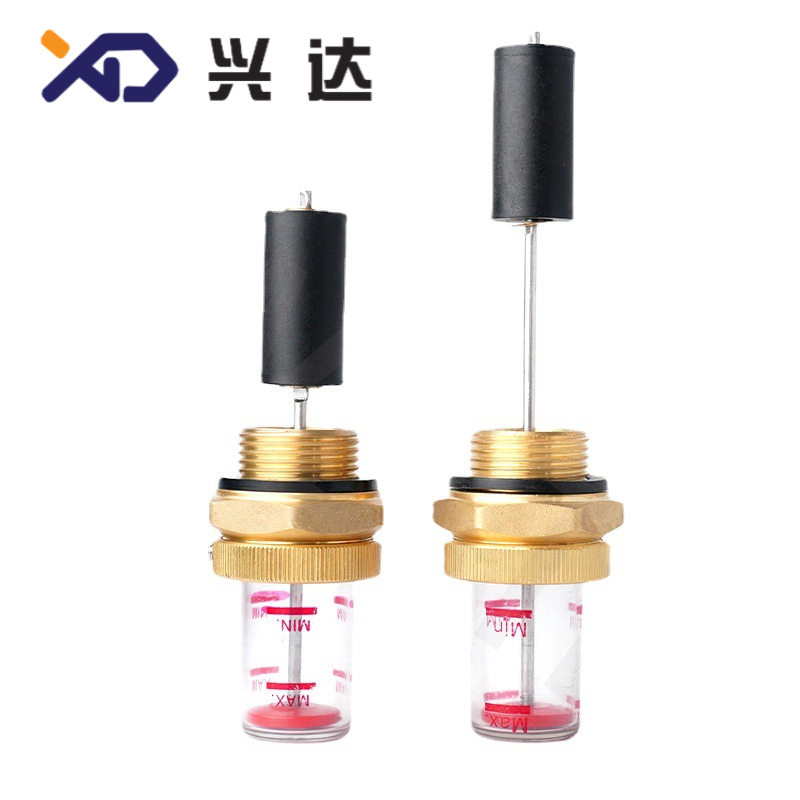
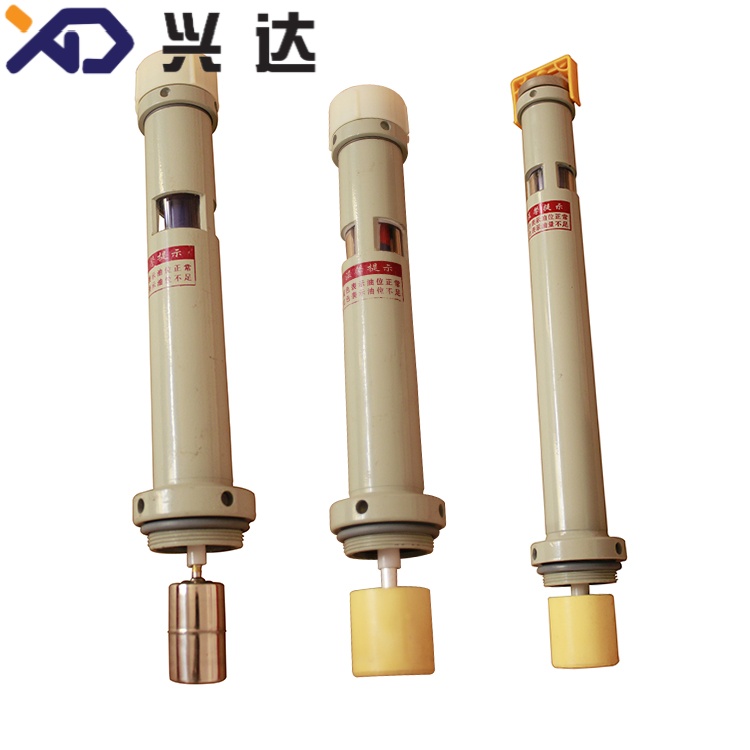
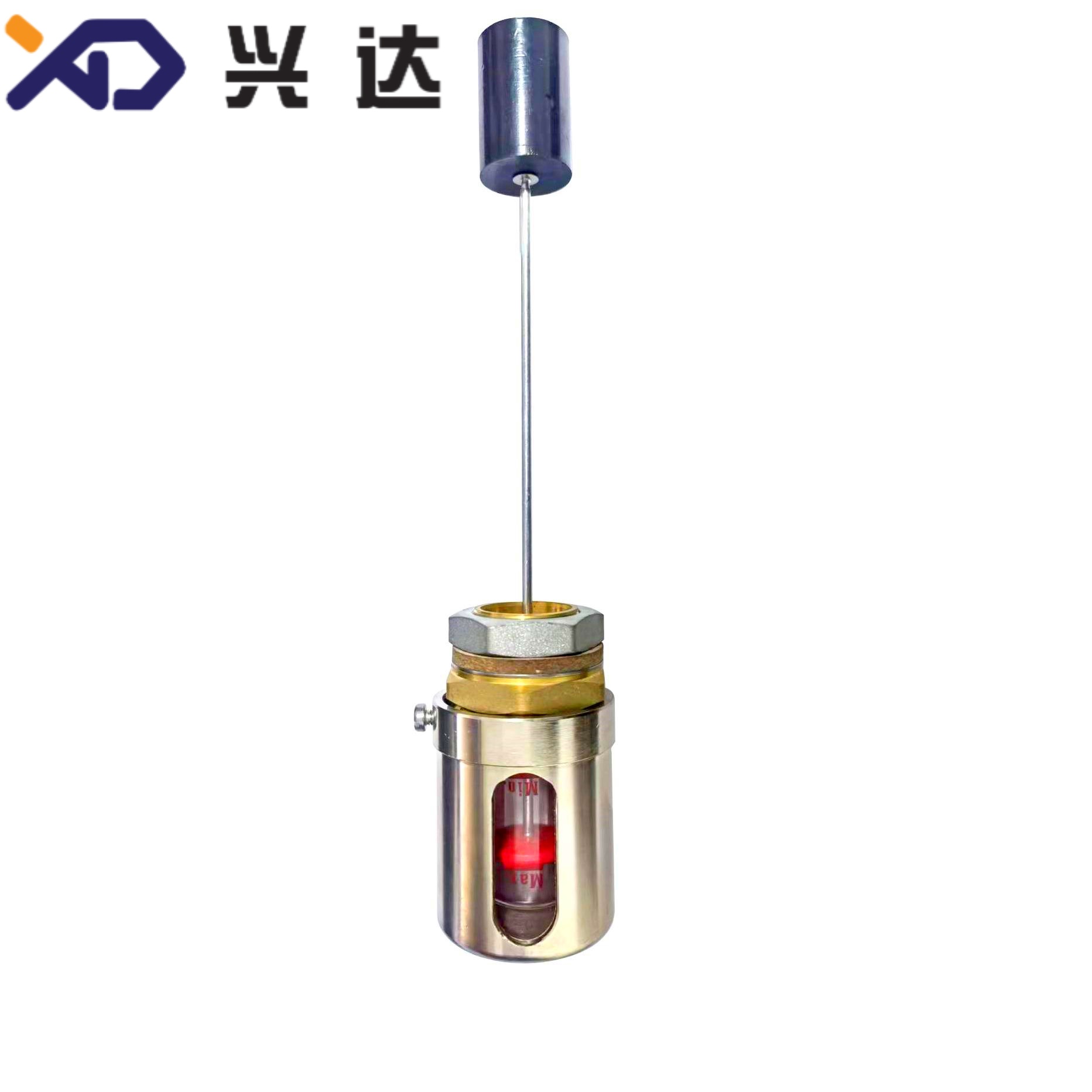
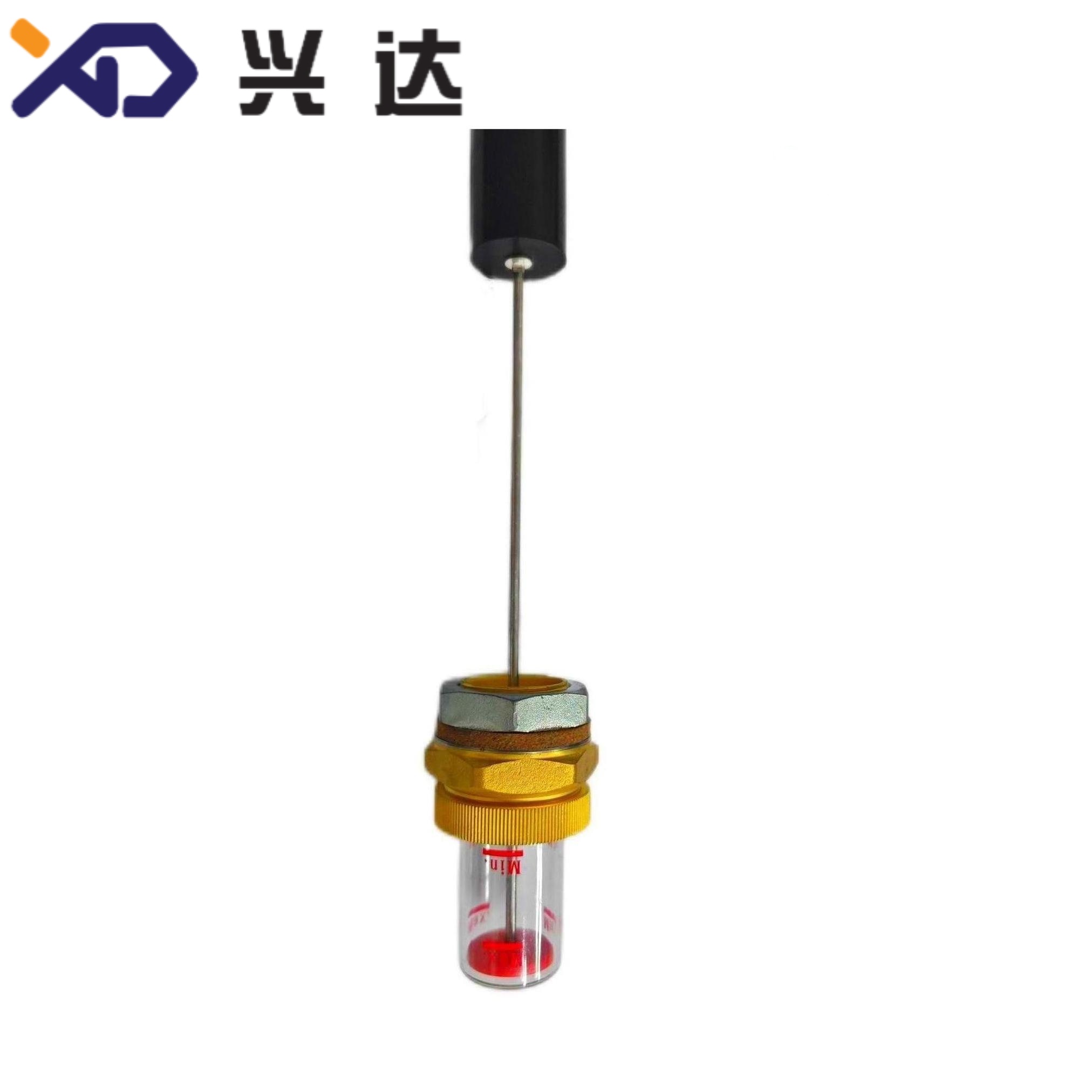
Transformer oil level gauges can be divided into multiple types according to structural forms and working principles, mainly including pointer-type oil level gauges, tubular floating ball oil level gauges, and temperature-compensated visual oil level gauges. Different types of oil level gauges are designed for different transformer capacities, installation environments and monitoring accuracy requirements, covering low-capacity distribution transformers to large-scale substation main transformers. The core working principle of mainstream floating ball oil level gauges relies on mechanical buoyancy induction: the built-in high-sensitivity floating ball floats on the surface of the transformer insulating oil, and the up and down floating displacement of the floating ball drives the linkage mechanism to synchronously display the liquid level height through external scales or pointers, realizing real-time non-contact liquid level monitoring. The upgraded temperature-compensated model adds standard temperature calibration scales, which can eliminate reading errors caused by thermal expansion and cold contraction of insulating oil, realizing temperature-adaptive accurate judgment.
In terms of core product features, all series of oil level gauges adopt fully enclosed industrial structural design, matched with high-strength anti-aging shell materials and multi-layer sealing structures. The tubular visual model is equipped with high-transparency UV-resistant observation tubes, with clear and durable scales and no blind spots for observation; the pointer model features sensitive induction and stable transmission, not easy to jam or fail. All products strictly comply with IEC international protection standards, with excellent dustproof, waterproof, anti-corrosion and anti-aging performance, adapting to harsh outdoor working conditions. In terms of competitive advantages, compared with ordinary traditional oil level gauges on the market, our products have higher measurement accuracy, stronger environmental adaptability and lower later maintenance cost. Supported by 35 authorized invention patents and complete factory testing equipment, each product passes strict air tightness test, high and low temperature aging test and simulation working condition test before delivery, with stable and reliable quality. Relying on superior port logistics advantages, we provide global customers with one-stop customized matching services, covering different installation sizes, scale languages and protection grades.
In terms of application scenarios, transformer oil level gauges are widely used in outdoor pole-mounted distribution transformers, box-type substation transformers, urban and rural power grid high-voltage main transformers, wind power and photovoltaic new energy supporting transformers, industrial and mining special transformers, and railway power supply transformer equipment. They adapt to various complex environments such as urban conventional power distribution areas, suburban industrial zones, coastal high-humidity salt spray areas, desert dusty areas and alpine low-temperature freezing areas, and are widely recognized and applied in power grid operation enterprises, electrical engineering contractors and power equipment supporting industries at home and abroad.
3. Product Technical Parameter List
Parameter Item | Technical Specification |
Product Type | Tube Type / Pointer Type / Temperature Compensation Type |
Operating Temperature Range | -40℃ ~ +70℃ |
Measurement Accuracy | ±2.5% Full Scale |
Protection Grade | IP67 Dust-tight & Waterproof |
Main Material | Aluminum Alloy Shell + UV-resistant Polycarbonate Tube |
Sealing Method | Multi-layer Silicone Gasket + Integral Potting Sealing |
Anti-corrosion Grade | C4 Industrial Anti-corrosion Standard |
Applicable Transformer Capacity | 10kVA ~ 25000kVA Oil-immersed Transformers |
Design Service Life | ≥10 Years (Normal Outdoor Working Environment) |
4. FAQ (Frequently Asked Questions)
1. What are the main types of transformer oil level gauges?The mainstream types include tubular floating ball oil level gauges, pointer-type oil level gauges and temperature-compensated oil level gauges. Tubular types feature intuitive observation and low cost for conventional distribution transformers; pointer types apply to large-scale main transformers with high stability requirements; temperature-compensated types are specially optimized for severe temperature-changing outdoor scenarios to avoid reading misjudgment.
2. How does a standard transformer oil level gauge work?It adopts mechanical buoyancy induction principle. The internal floating ball rises and falls with the change of transformer oil level, and drives the linkage transmission structure to synchronously display the liquid level height through external scales or pointers, realizing real-time, continuous and accurate monitoring of internal insulating oil capacity without manual auxiliary operation.
3. Are these oil level gauges suitable for extreme outdoor environments?Yes. All products reach IP67 high protection grade, with professional anti-corrosion, anti-UV and dustproof and waterproof performance. They can stably operate in high temperature, low temperature, coastal salt spray, desert dust and other extreme environments, adapting to all-weather outdoor power equipment operation requirements.
4. What is the daily maintenance method for oil level gauges?The product features low maintenance. Regularly check whether the shell is damaged, the scale is clear and the sealing part is free of oil leakage. Wipe surface dust and stains with a dry soft cloth regularly, avoid high-pressure water flushing. Check the aging degree of sealing gaskets annually and replace vulnerable parts in time to ensure long-term stable operation.
5. Can we provide customized oil level gauges?Absolutely. We support customized flange size, installation structure, scale language, temperature calibration range and appearance specifications, which can match international standard transformers of different models and meet personalized supporting needs of global engineering projects.
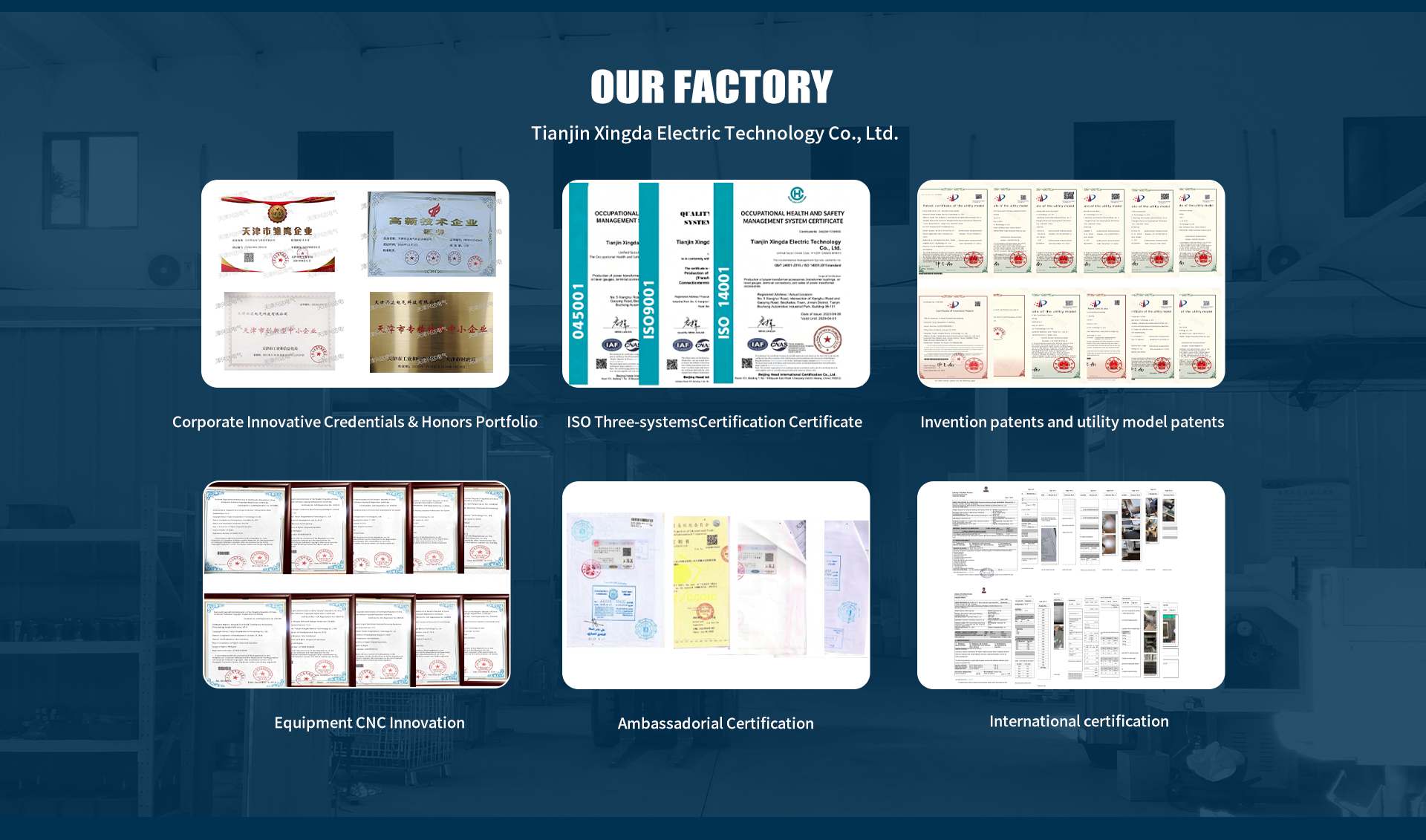
5. Certifications
Categories
Contact Us
Contact: Tianjin Delda Trading Co., Ltd
WhatsApp: +86 13662056855
Tel:
E-mail: solomon20210701@tjxddq.com
Add: Unit‑101, Workshop 3, Bozhong Automobile Industrial Park, No.5 Xianghui Road, Intersection of Xianghui Road and Gaoying Road, Beizhakou Town, Jinnan District, Tianjin, China