Radiator
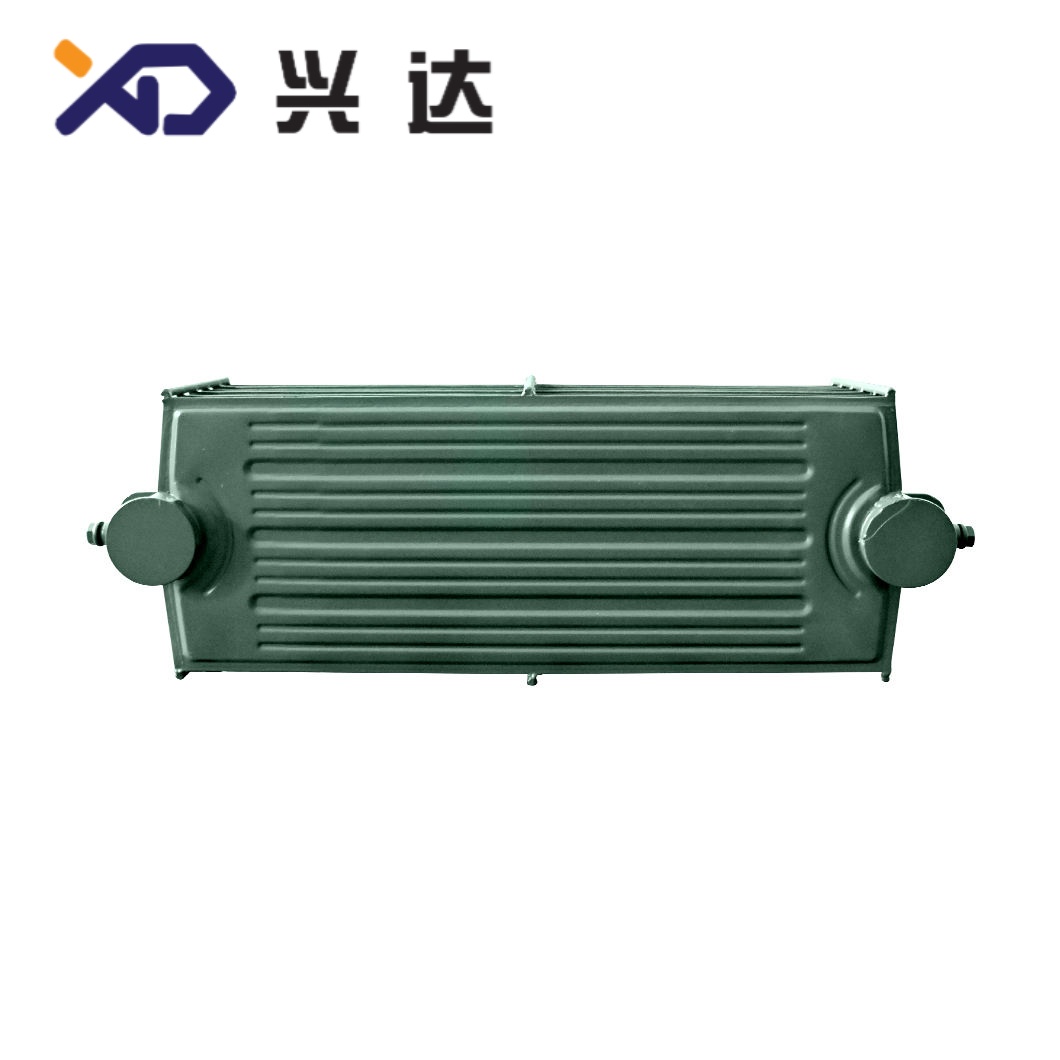
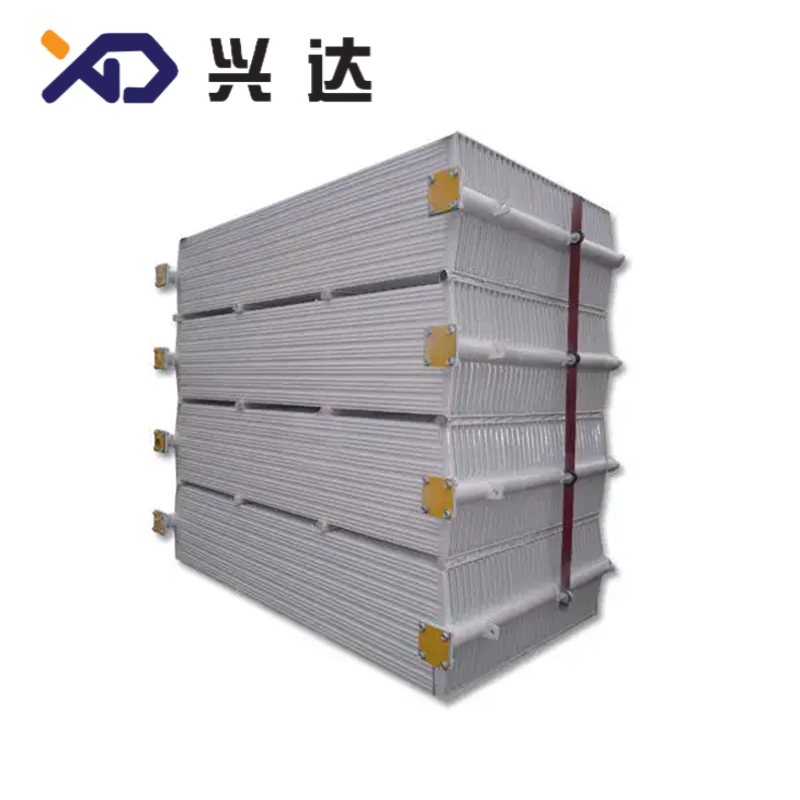
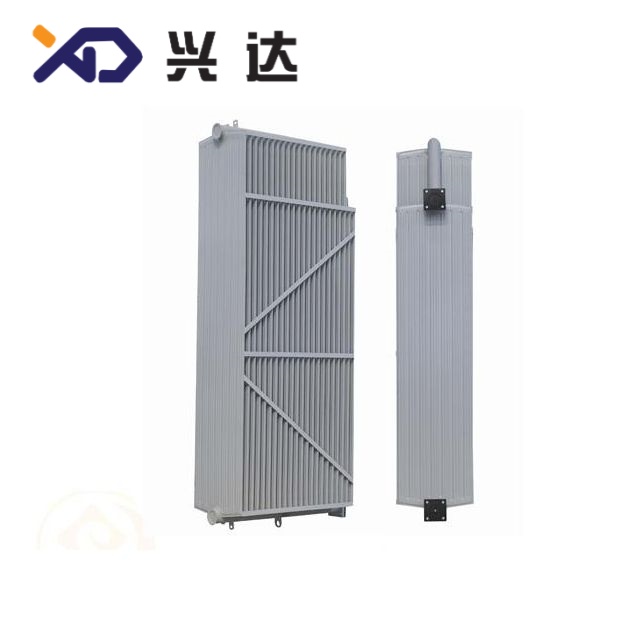
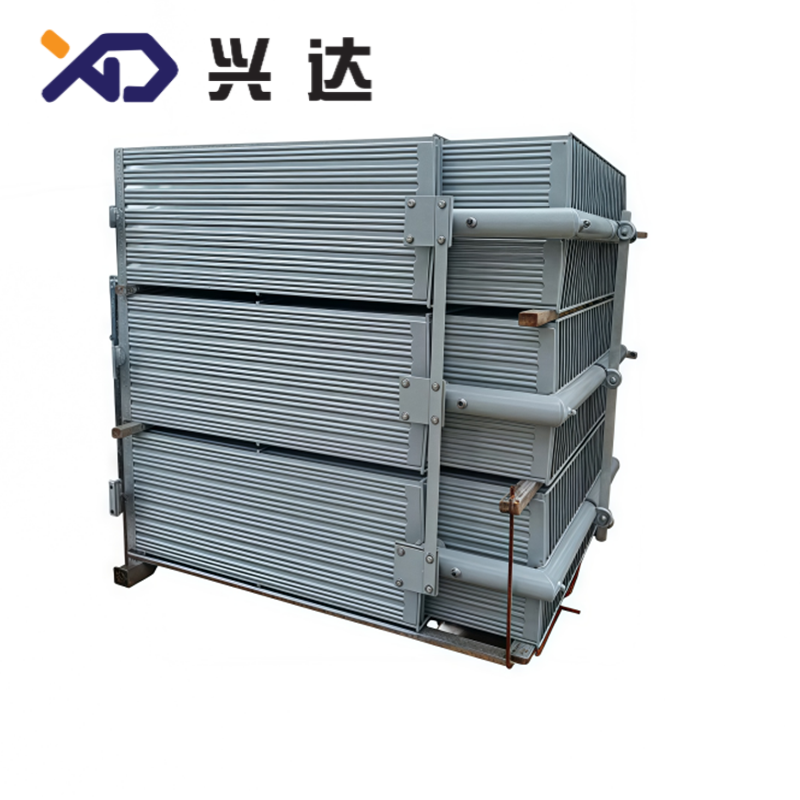
Transformer Radiator for Oil Immersed Transformer Cooling System
Transformer Radiator: Definition, Types, Technical Specifications, Benefits & Selection Guide
Introduction of Radiator
A transformer radiator is a core passive heat exchanger component specially manufactured for oil-immersed transformers. It forms the main cooling system together with the transformer tank, dissipating heat carried by hot insulating oil into ambient air to control internal operating temperature. During transformer operation, core loss and winding copper loss continuously generate thermal energy. Without effective heat dissipation, oil temperature will rise sharply, accelerating aging of cellulose insulation, shortening transformer service life and even triggering permanent equipment breakdown.
Radiators create a continuous thermosiphon circulation loop. Hot low-density insulating oil flows upward from the transformer tank into the radiator upper header; heat transfers through metal panels to surrounding air as oil flows downward; cooled dense oil returns to the transformer bottom for repeated circulation. This natural convection setup supports ONAN cooling mode. When matched with auxiliary cooling fans, the radiator system upgrades to ONAF mode to achieve higher heat dissipation capacity for heavy load conditions.
Globally adopted in power distribution substations, renewable energy power plants, industrial manufacturing facilities, mining power systems and railway traction stations, transformer radiators follow international standards including IEC 60076 and relevant industrial welding & pressure test specifications. Multiple structural types, material options and mounting dimensions are available to match distribution transformers, medium voltage transformers and large power transformers of different capacities. This guide covers universal industry knowledge, classification, technical parameters, core advantages, application scenarios, selection criteria and routine maintenance of transformer radiators.
What Is a Transformer Radiator? Working effection
Transformer radiators are composed of upper oil header, lower oil header and multiple parallel cooling fin panels. All internal channels allow free flow of transformer insulating oil. The whole assembly is connected to transformer tank flanges via isolation valves. Operators can isolate individual radiators for inspection, cleaning or replacement without fully draining transformer oil.
Two primary heat transfer mechanisms work simultaneously:
Conduction: Heat transfers from hot oil to radiator steel panel walls.
Convection & Radiation: Heat transfers from outer panel surfaces to open air.
Two mainstream cooling operation modes supported by radiators:
ONAN (Oil Natural Air Natural): Pure natural circulation, no auxiliary fans. Suitable for small and medium distribution transformers with stable base load.
ONAF (Oil Natural Air Forced): External axial fans blow air across radiator surfaces to boost heat exchange efficiency. Suitable for medium & large transformers facing fluctuating heavy loads or high ambient temperature environments.
For extra high-capacity power transformers, radiators can cooperate with oil circulation pumps to realize OFAF cooling solutions.
Main Types of Transformer Radiators (Industry Standard Classification)
1. Corrugated Fin Radiator (Integrated Corrugated Tank Type)
Corrugated fin radiators adopt folded cold-rolled steel plates to form narrow oil channels. Many small distribution transformers integrate corrugated cooling walls directly into the transformer tank without separate detachable radiator modules.
Key features: Compact layout, lightweight structure, fewer welding seams.
Limitation: Limited total heat dissipation area, not suitable for transformers above 2500kVA in most cases.
Typical size series: 310mm, 480mm, 520mm, 535mm width panels.
2. Panel Type Detachable Radiator (PC / PG Type Radiator)
Panel radiator is the most widely used external transformer radiator in global power projects. Multiple independent cooling panels are welded between upper and lower collecting pipes. Units are mounted separately on transformer tanks via flanges and isolating valves.
Key features: Modular design, flexible quantity configuration, easy disassembly, transportation and maintenance.
Material base: Cold rolled carbon steel sheet; surface treatment options include epoxy painting, sand blasting, hot dip galvanizing.
Application: Distribution transformers, medium voltage industrial transformers, substation main transformers.
3. Tubular Fin Radiator
Tubular radiators use seamless steel tubes with external welded cooling fins. Compared with panel radiators, tubular structures feature stronger mechanical rigidity and anti-vibration performance.
Key features: Low risk of blockage, stable performance under dusty industrial environments.
Application: Mining equipment transformers, mobile power transformers, harsh outdoor sites.
4. Aluminum Alloy Lightweight Radiator
Manufactured with high thermal conductivity aluminum alloy. Mainly used for special lightweight transformers, containerized substations and urban compact power equipment.
Key features: Greatly reduced weight, good anti-corrosion performance.
Limitation: Higher material cost compared with carbon steel radiators.
Universal Technical Specification Table for Transformer Radiators
| Parameter Item | Corrugated Fin Radiator | Carbon Steel Panel Radiator (PC/PG) | Tubular Fin Radiator | Aluminum Alloy Radiator |
|---|---|---|---|---|
| Base Material | Cold rolled steel plate (1.0~1.6mm) | Cold rolled carbon steel | Seamless steel tube + steel fins | Aluminum alloy extrusion plate |
| Standard Panel Width (mm) | 310, 480, 520, 535 | 480, 520, 535 | Customized | Customized |
| Header Center Distance (mm) | 500 ~ 2200 | 1000 ~ 4000 | 1200 ~ 3600 | 800 ~ 3000 |
| Design Working Pressure | ≤0.05 MPa | ≤0.1 MPa | ≤0.12 MPa | ≤0.08 MPa |
| Hydraulic Test Pressure | 0.15 MPa | 0.2 MPa | 0.25 MPa | 0.16 MPa |
| Operating Temperature Range | -40°C ~ +105°C | -40°C ~ +105°C | -40°C ~ +110°C | -40°C ~ +100°C |
| Common Surface Treatment | Epoxy anti-rust paint | Sandblasting + epoxy paint / Hot dip galvanizing | Anti-rust primer + topcoat | Oxidation treatment / coating |
| Cooling Mode Matching | ONAN | ONAN / ONAF | ONAN / ONAF | ONAN |
| Main Application Transformer Capacity | ≤2500 kVA | 500 kVA ~ 100 MVA | 1000 kVA ~ 60 MVA | ≤20 MVA lightweight transformers |
| Oil Medium Compatibility | Mineral transformer oil, ester oil | Mineral transformer oil, synthetic insulating oil | Mineral transformer oil | Mineral transformer oil |
Core Advantages of Transformer Radiators
1. Extend Transformer Insulation Service Life
Transformer paper insulation aging rate accelerates exponentially as temperature rises. Reliable radiators stabilize top oil temperature and winding hot spot temperature within rated limits. Long-term stable operation effectively slows insulation degradation and delays transformer replacement cycles.
2. High Operational Reliability with Low Failure Risk
Standard carbon steel panel radiators have no moving mechanical parts under ONAN cooling mode. The risk of sudden breakdown is extremely low compared with pure forced cooling systems that rely fully on pumps and fans. Suitable for unattended substations and remote power facilities where maintenance access is limited.
3. Flexible Modular Configuration
Detachable panel radiators allow users to adjust the number of panels according to actual heat load. When upgrading transformer capacity, additional radiator panels can be installed without replacing the whole cooling system. Isolation valves enable single radiator maintenance without draining transformer oil, cutting downtime significantly.
4. Adaptable to Diverse Environmental Conditions
With optional anti-corrosion surface treatments, radiators can run stably in coastal high-humidity salt fog areas, desert high-temperature regions, freezing cold plateau zones and heavily dust-polluted industrial parks. Hot-dip galvanized finishes provide long-term rust protection for outdoor permanent installations.
5. Economical Lifecycle Cost
Carbon steel radiators feature reasonable initial procurement cost. Daily maintenance only requires regular surface cleaning. No continuous energy consumption during ONAN operation, helping power operators reduce long-term auxiliary power expenditure.
Industrial Application Range of Transformer Radiators
Power distribution transformers for urban and rural power grids
Oil immersed transformers inside containerized compact substations
Step-up / step-down transformers for solar photovoltaic and wind power stations
Industrial transformers for steel plants, chemical factories, water treatment facilities
Traction transformers used in railway and urban metro power supply systems
Mining explosion-proof oil immersed transformers
Backup power generation unit supporting transformers
Practical Selection Guide for Transformer Radiators
Confirm Transformer Rated Capacity & Cooling ModeSmall distribution transformers often adopt integrated corrugated radiators for ONAN cooling. Medium and large transformers usually select detachable PC/PG panel radiators. If heavy overload is expected, reserve installation space for cooling fans to realize ONAF mode.
Determine Installation DimensionsConfirm header center distance, flange diameter, bolt standard and reserved installation space around transformer tanks. Ensure sufficient clearance between radiator panels to guarantee smooth air circulation. Blocked airflow will directly reduce heat dissipation efficiency.
Select Suitable Material & Surface ProtectionInland ordinary environment: Standard sandblasting + epoxy paint. Coastal salt spray or high humidity environment: Choose hot-dip galvanized radiators. Vibration-intensive sites such as mines can prioritize tubular fin radiators.
Match Insulating Oil TypeMost standard radiators suit mineral transformer oil. For transformers filled with synthetic ester environmental friendly oil, verify sealing material compatibility to avoid swelling and oil leakage.
Routine Maintenance & Troubleshooting Guidelines
Regular Maintenance Checklist
Conduct visual inspection every 3–6 months: Check panel surfaces for rust, dents, welding seam oil leakage.
Clean accumulated dust, leaves and debris from radiator fins periodically. Dust covering panels forms thermal insulation layers and reduces cooling performance.
Inspect flange gaskets and isolation valves for slow oil seepage; replace aging sealing components timely.
For ONAF systems with cooling fans, test fan startup and running status along with radiator inspection.
After heavy rain or sandstorm weather, carry out extra surface cleaning as required.
Common Problems & Causes
Transformer oil temperature keeps rising: Possible causes include blocked radiator surface, insufficient panel quantity, poor natural airflow around equipment, internal oil channel sediment blockage.
Oil leakage at welding joints: Mechanical impact during transportation, welding defects, long-term thermal cycle stress.
Surface rust formation: Damaged outer coating, long-term exposure to humid corrosive atmosphere.
Important safety note: Any disassembly work on radiators must close isolation valves and implement pressure relief procedures. Do not loosen flanges while the system remains under oil pressure.
Conclusion
As indispensable cooling equipment for oil immersed transformers, radiators directly determine transformer operating temperature stability and long-term operational safety. Different types of corrugated, panel, tubular and aluminum radiators cover the demands from small distribution transformers to large power transformers worldwide. Reasonable type selection, standardized installation and regular maintenance can maximize cooling efficiency and extend the whole transformer lifecycle.
With the fast development of new energy power systems, demand for high anti-corrosion, compact and high-efficiency transformer radiators continues to grow. Optimized fin structure design and advanced anti-corrosion coating technology will further improve radiator thermal performance and environmental adaptability, supporting safe operation of power grids in increasingly complex working conditions.
Categories
Contact Us
Contact: Tianjin Delda Trading Co., Ltd
WhatsApp: +86 13662056855
Tel:
E-mail: solomon20210701@tjxddq.com
Add: Unit‑101, Workshop 3, Bozhong Automobile Industrial Park, No.5 Xianghui Road, Intersection of Xianghui Road and Gaoying Road, Beizhakou Town, Jinnan District, Tianjin, China