ANSI Bushing
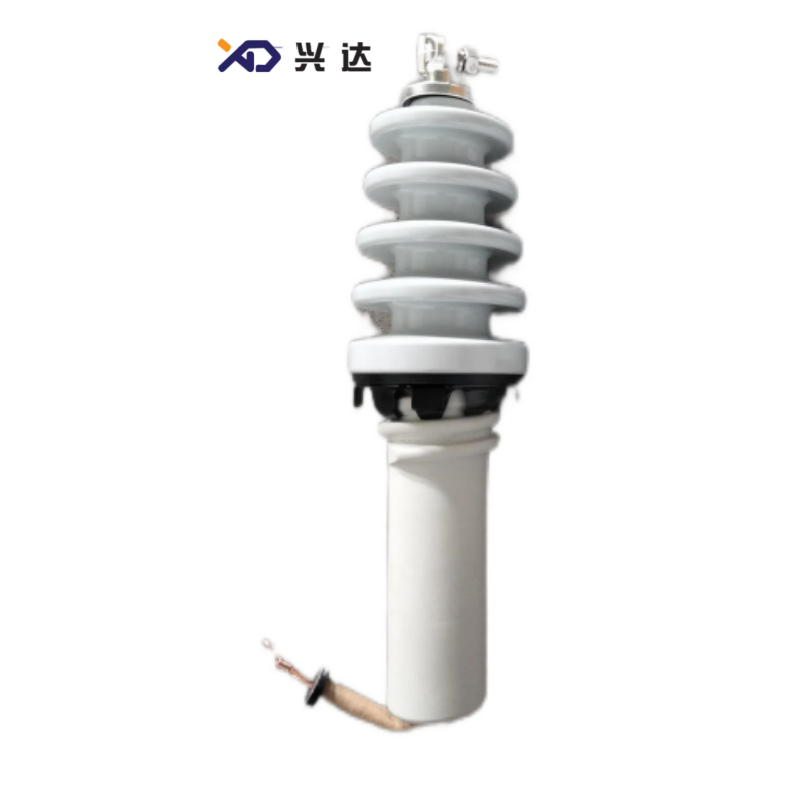
American Standard Transformer Bushings: Complete Guide to ANSI and IEEE Transformer Bushings
American Standard Transformer Bushings: Complete Guide to ANSI and IEEE Transformer Bushings
Introduction to American Standard Transformer Bushings
An American standard transformer bushing is an insulated electrical component designed to provide a safe and controlled passage for an energized conductor through the grounded tank or enclosure of a transformer. Transformer bushings are essential components in power transformers, distribution transformers, regulating transformers, autotransformers, and other high-voltage electrical equipment.
In North American transformer applications, the term American standard transformer bushing is commonly associated with bushing designs, ratings, dimensions, electrical characteristics, testing practices, and application requirements developed around ANSI and IEEE standards. Depending on the transformer type and voltage level, applicable requirements may include standards in the IEEE C57.19 series together with the transformer standards in the IEEE C57.12 series.
IEEE C57.19.00-2023 provides general requirements and test procedures for power apparatus bushings, including bushings used with liquid-immersed transformers and reactors at applicable insulation levels. IEEE C57.19.02-2023 addresses non-condenser bushings for liquid-immersed distribution transformers within its defined scope.
The phrase ANSI transformer bushing should therefore not be understood as describing one single physical bushing design. Instead, it generally refers to products intended to satisfy applicable North American electrical, mechanical, dimensional, environmental, and testing requirements.
Transformer bushings perform several important functions:
- Provide electrical insulation between an energized conductor and the transformer tank.
- Transfer electrical current between internal transformer windings and external power-system conductors.
- Maintain dielectric strength under normal operating voltage.
- Withstand lightning impulse and switching impulse stresses where applicable.
- Provide mechanical support for the external conductor connection.
- Maintain sealing between the transformer interior and the external environment.
- Resist thermal, mechanical, electrical, and environmental stresses during service.
- Support reliable transformer operation over a long operating life.
For these reasons, selecting the correct American standard transformer bushing requires more than simply matching the nominal voltage. Engineers normally consider voltage class, BIL, continuous current, insulation system, creepage distance, mounting arrangement, conductor configuration, terminal design, transformer oil compatibility, ambient conditions, altitude, temperature rise, mechanical loading, and applicable standards.
1. What Is an American Standard Transformer Bushing?
An American standard transformer bushing is a transformer bushing designed for electrical equipment used in systems following North American engineering practices, particularly those associated with ANSI/IEEE requirements.
A transformer bushing creates an insulated interface between the transformer winding or internal conductor and the external electrical network.
Without a bushing, an energized conductor passing through a grounded transformer tank would create a direct electrical path to ground. The bushing solves this problem by combining an electrical conductor with an insulating structure and appropriate mechanical and sealing components.
A simplified transformer bushing arrangement can be described as:
External terminal → upper conductor connection → insulating body → mounting flange → transformer tank → internal conductor → transformer winding
The bushing must maintain electrical insulation throughout this complete path.
A typical American standard transformer bushing may include:
| Component | Main Function |
|---|---|
| Central conductor | Carries electrical current through the bushing |
| Insulating body | Provides electrical insulation |
| Porcelain or composite insulator | Provides external insulation and environmental protection |
| Condenser core, where applicable | Controls electric-field distribution |
| Mounting flange | Secures the bushing to the transformer tank |
| Sealing gasket | Prevents oil and moisture leakage |
| Terminal | Provides external electrical connection |
| Internal connection | Connects the bushing to the transformer winding |
| Test tap, where applicable | Provides access for capacitance and power-factor testing |
| Oil or solid insulation system | Provides internal dielectric insulation |
| Grading layers, where applicable | Controls electric-field concentration |
The exact construction varies significantly according to voltage level, current rating, transformer type, and insulation technology.
2. American Standard Transformer Bushing Terminology
When searching for transformer bushings for the North American market, several related keywords may appear.
Common terminology includes:
- American standard transformer bushing
- ANSI transformer bushing
- IEEE transformer bushing
- American transformer bushing
- power transformer bushing
- distribution transformer bushing
- high voltage transformer bushing
- medium voltage transformer bushing
- oil immersed transformer bushing
- condenser transformer bushing
- non-condenser transformer bushing
- porcelain transformer bushing
- composite transformer bushing
- OIP transformer bushing
- oil impregnated paper bushing
- resin impregnated paper bushing
- RIP transformer bushing
- transformer bushing insulator
- transformer bushing terminal
- transformer bushing conductor
- transformer bushing replacement
- transformer bushing specification
- transformer bushing dimensions
- transformer bushing BIL
- transformer bushing current rating
These terms overlap, but they are not necessarily interchangeable.
For example, ANSI transformer bushing describes an application or standards context, while OIP transformer bushing describes an insulation technology. Likewise, porcelain transformer bushing describes the external insulating material, while condenser bushing describes an electric-field control construction.
3. Why Transformer Bushings Are Important
The transformer bushing is one of the critical interfaces between a transformer and the external power system.
A transformer may contain sophisticated magnetic cores, windings, tap changers, insulation systems, and cooling systems, but all electrical energy entering or leaving the transformer must pass through appropriate terminals and bushings.
A properly designed transformer bushing must simultaneously satisfy electrical, thermal, mechanical, and environmental requirements.
Electrical requirements
The bushing must withstand:
- Continuous operating voltage
- Temporary overvoltage conditions
- Lightning impulse stresses
- Switching impulse stresses where applicable
- Power-frequency withstand voltage
- Partial discharge requirements
- Electric-field stress
- Leakage current requirements
Thermal requirements
The bushing must safely carry its rated continuous current while controlling temperature rise.
Higher current ratings generally require careful attention to:
- Conductor cross-section
- Contact resistance
- Terminal construction
- Internal heat transfer
- External heat dissipation
- Connection design
- Thermal expansion
Mechanical requirements
The bushing must withstand:
- Conductor weight
- Terminal loading
- Wind loading for outdoor applications
- Installation forces
- Short-circuit mechanical forces
- Thermal expansion
- Transformer vibration
- Seismic requirements where applicable
Environmental requirements
Outdoor bushings may be exposed to:
- Rain
- Snow
- Ice
- Humidity
- Salt contamination
- Industrial pollution
- Ultraviolet radiation
- Temperature cycling
- Wind
- Dust
Consequently, the external insulating structure is an important part of overall bushing performance.
4. American Transformer Bushing Standards
The term "American standard" is broad. Transformer bushing requirements are normally determined by the specific equipment class and applicable standard.
The IEEE C57.19 family is particularly important for power apparatus bushings.
IEEE C57.19.00-2023 specifies general requirements and test procedures for applicable power apparatus bushings. IEEE identifies it as an active standard covering bushings with basic impulse insulation levels above 110 kV for use as components of liquid-immersed transformers and reactors.
IEEE C57.19.02-2023 specifically covers electrical, mechanical, dimensional, and related requirements for non-condenser bushings used in liquid-immersed distribution transformers, within the defined scope and BIL range.
IEEE C57.19.01 concerns performance characteristics and dimensions for power transformer and reactor bushings at applicable higher insulation levels. IEEE's current standards information identifies the 2017 edition and also shows an active revision project.
For high-current applications, IEEE C57.19.04 addresses high-current power transformer bushings with rated continuous current above 5000 A in bus enclosures, including applications involving liquid-filled transformers such as generator step-up transformers. IEEE also lists a revision project for this standard.
The transformer itself may also be governed by an applicable IEEE C57.12 standard. For example, IEEE C57.12.00-2021 specifies general electrical and mechanical requirements for liquid-immersed distribution, power, and regulating transformers.
For comparison, IEC 60137:2017 provides characteristics and tests for insulated bushings for alternating voltages above 1000 V and applies to bushings used with electrical apparatus, including transformers and switchgear.
Important note about standards
A product described as an American standard transformer bushing should not automatically be assumed to satisfy every ANSI or IEEE requirement.
The actual compliance requirement depends on:
- Transformer type
- Voltage class
- BIL
- Current rating
- Bushing construction
- Installation environment
- Applicable standard edition
- Customer specification
- Utility specification
- Applicable national or local requirements
Always verify the exact standard and edition required by the project.
5. Main Types of American Standard Transformer Bushings
American standard transformer bushings can be classified in several ways.
5.1 Non-Condenser Transformer Bushings
A non-condenser bushing generally uses a relatively simple insulation structure.
Typical applications include:
- Distribution transformers
- Medium-voltage transformers
- Lower-voltage power transformer connections
- Certain auxiliary transformer applications
IEEE C57.19.02-2023 specifically addresses non-condenser bushings for defined liquid-immersed distribution transformer applications.
Advantages may include:
- Simple construction
- Relatively straightforward installation
- Lower complexity
- Easy inspection
- Suitable for many distribution applications
- Broad availability of standard configurations
However, as voltage and insulation requirements increase, field control becomes more important and condenser-type designs may be preferred.
6. Condenser Transformer Bushings
A condenser bushing uses a capacitively graded insulation system to control the electric field along the insulation structure.
Instead of allowing the electric field to concentrate at one location, conductive grading layers are embedded within the insulation.
The resulting capacitance network distributes electrical stress more uniformly.
Common condenser bushing technologies include:
- OIP — Oil Impregnated Paper
- RIP — Resin Impregnated Paper
- RBP — Resin Bonded Paper
- Other specialized graded insulation systems
Condenser bushings are commonly associated with higher voltage applications where electric-field management is essential.
Basic principle
A simplified condenser bushing can be represented as:
Conductor → insulating layers → grading layers → grounded flange
The grading layers form a series of capacitive elements.
This arrangement reduces localized electric-field concentration and helps achieve controlled dielectric performance.
7. OIP Transformer Bushings
OIP, or Oil Impregnated Paper, is a well-established transformer bushing insulation technology.
In an OIP bushing, paper insulation is impregnated with insulating oil.
Typical components include:
- Central conductor
- Paper insulation
- Capacitive grading layers
- Insulating oil
- Porcelain or composite external insulation
- Metal flange
- Terminal assembly
- Test tap, where applicable
OIP bushings have been widely used in high-voltage transformer applications.
Potential characteristics include:
- Mature insulation technology
- Good dielectric performance
- Established field experience
- Suitable for high-voltage applications
- Compatible with many oil-filled transformer systems
However, OIP bushings require careful attention to oil sealing, moisture control, temperature, aging, and maintenance.
8. RIP Transformer Bushings
RIP means Resin Impregnated Paper.
RIP technology uses paper insulation impregnated with resin rather than relying on an oil-filled insulation system.
Potential characteristics include:
- Oil-free internal insulation
- Stable solid insulation system
- Reduced dependence on internal insulating oil
- Good mechanical stability
- Suitability for various high-voltage applications
RIP bushings can be attractive where an oil-free bushing construction is preferred.
The final selection still depends on the transformer design, environmental conditions, voltage level, current rating, required testing, and project specifications.
9. Porcelain Transformer Bushings
Porcelain has traditionally been one of the most widely used external insulating materials for transformer bushings.
Porcelain provides:
- High dielectric strength
- Weather resistance
- Mechanical strength
- Good surface insulation
- Long-established manufacturing technology
Typical porcelain bushing construction includes an internal conductor and insulating porcelain body with a mounting flange and external terminal.
Porcelain remains common in distribution and power transformer applications.
10. Composite Transformer Bushings
Composite bushings combine an insulating core with an external polymeric housing.
Common external materials include silicone rubber and other engineered polymer systems.
Potential advantages include:
- Lower weight
- Good contamination performance
- Hydrophobic surface characteristics
- Easier handling
- Good resistance to certain environmental conditions
Composite bushings are increasingly used in applications where reduced weight and environmental performance are important.
However, material selection should consider:
- UV exposure
- Pollution
- Temperature
- Aging
- Mechanical loads
- Surface tracking
- Installation environment
11. Main Construction of an American Standard Transformer Bushing
A typical transformer bushing may consist of several integrated components.
| Component | Description | Main Purpose |
|---|---|---|
| Conductor | Copper or aluminum conductive element | Current transmission |
| Insulation | Paper, resin, porcelain, composite, or other dielectric system | Electrical isolation |
| Grading layers | Conductive foil or equivalent layers | Electric-field control |
| Flange | Metal mounting interface | Mechanical fixation and grounding |
| Terminal | External connection interface | Electrical connection |
| Test tap | Controlled capacitance access point | Diagnostic testing |
| Gasket | Sealing component | Prevents leakage and moisture entry |
| Shield | Internal field-control component | Reduces electrical stress |
| Hardware | Bolts, nuts, washers, clamps | Mechanical assembly |
| External shed | Porcelain or polymer structure | Outdoor insulation and creepage |
The design varies according to bushing technology.
12. Transformer Bushing Conductor
The conductor is one of the most important internal components.
Its main function is to carry electrical current through the insulating structure while maintaining acceptable temperature rise and mechanical integrity.
Common conductor materials include:
- Copper
- Aluminum
- Copper alloys for specialized components
Conductor design depends on:
- Rated current
- Short-circuit current
- Electrical conductivity
- Thermal performance
- Connection method
- Mechanical strength
- Manufacturing requirements
A high-current transformer bushing requires careful conductor design because current-related losses generate heat.
For high-current power transformer bushings, IEEE C57.19.04 specifically addresses applications exceeding 5000 A in bus enclosures.
13. Transformer Bushing Terminal
The terminal connects the transformer bushing to the external power system.
Common terminal configurations include:
- Stud terminals
- Pad terminals
- Threaded terminals
- Clamp-type terminals
- Cable connection terminals
- Flexible lead connections
- Special high-current connections
The terminal must be compatible with:
- External conductor size
- Current rating
- Connection hardware
- Installation space
- Electrical clearance
- Mechanical loading
Incorrect terminal selection can result in overheating, loose connections, increased contact resistance, or mechanical damage.
14. Transformer Bushing Mounting Flange
The mounting flange is used to secure the bushing to the transformer tank.
It also provides an important electrical interface because the flange is normally connected to the grounded transformer enclosure.
Important flange parameters include:
- Bolt-hole pattern
- Bolt-hole diameter
- Flange diameter
- Mounting surface
- Overall height
- Tank cutout
- Sealing arrangement
- Grounding arrangement
For replacement applications, flange compatibility is particularly important.
A bushing with the correct electrical rating but incorrect mounting dimensions may not be suitable for direct replacement.
15. Transformer Bushing Test Tap
Many condenser bushings include a test tap.
The test tap can provide access to the capacitance system for diagnostic measurements.
Depending on the bushing design and applicable procedure, testing may involve:
- Capacitance
- Power factor or dissipation factor
- Insulation condition
- Dielectric condition
- Trend monitoring
The test tap must be correctly capped and grounded during normal operation according to the manufacturer's instructions and applicable safety procedures.
An improperly handled test tap can create serious electrical hazards.
16. American Transformer Bushing Voltage Rating
Voltage rating is one of the first parameters to determine when selecting a transformer bushing.
Typical voltage-related specifications include:
- Rated voltage
- Maximum system voltage
- Highest voltage for equipment
- Rated phase-to-ground voltage
- Power-frequency withstand voltage
- Lightning impulse withstand level
- Switching impulse withstand level where applicable
The bushing rating must be coordinated with the transformer winding and power-system insulation level.
A higher nominal voltage does not automatically mean the bushing is suitable for a particular transformer.
17. BIL of American Standard Transformer Bushings
BIL, or Basic Impulse Insulation Level, is a key parameter in North American transformer engineering.
BIL indicates the specified insulation withstand capability against standardized impulse stresses.
When selecting an American standard transformer bushing, the BIL must be coordinated with:
- Transformer winding insulation
- System voltage
- Lightning protection
- Surge arrester application
- Transformer insulation coordination
- External clearances
- Internal transformer insulation
A mismatch between transformer insulation and bushing BIL can compromise the overall insulation coordination of the system.
18. Typical Transformer Bushing Specification Table
The following table is a general engineering reference rather than a universal standard dimensional table.
| Parameter | Typical Specification Category |
|---|---|
| Product type | Transformer bushing |
| Standard system | ANSI / IEEE / project specification |
| Application | Distribution or power transformer |
| Frequency | 60 Hz typical in North American applications |
| Rated voltage | Project dependent |
| BIL | Project dependent |
| Continuous current | Project dependent |
| Insulation technology | Porcelain, OIP, RIP, composite, etc. |
| Installation | Indoor or outdoor |
| Mounting | Flange mounted |
| Conductor | Copper or aluminum |
| Terminal | Stud, pad, clamp, or customized |
| Test tap | Optional or required depending on design |
| External insulation | Porcelain or polymer |
| Internal insulation | Paper, resin, oil, or solid dielectric |
| Creepage distance | Application dependent |
| Dry arcing distance | Application dependent |
| Temperature rise | Standard and project dependent |
| Altitude | Project dependent |
| Seismic requirement | Where applicable |
| Pollution level | Application dependent |
| Enclosure connection | Transformer tank |
| Grounding | Through mounting arrangement |
| Testing | Routine/type/design tests as applicable |
19. Transformer Bushing Current Rating
Current rating determines how much continuous current the bushing can carry under specified conditions.
Common current rating categories may include:
- 200 A
- 400 A
- 600 A
- 800 A
- 1200 A
- 1600 A
- 2000 A
- 3000 A
- 4000 A
- 5000 A
- Above 5000 A for specialized applications
These values are examples of commonly encountered rating categories and should not be treated as a universal standardized list.
High-current applications require special thermal and mechanical design.
IEEE C57.19.04 addresses high-current power transformer bushings with rated continuous current above 5000 A in bus enclosures.
20. Relationship Between Current Rating and Temperature
When current flows through a conductor, electrical losses produce heat.
The approximate resistive loss can be expressed as:
P = I²R
where:
- P = electrical loss
- I = current
- R = conductor resistance
This relationship demonstrates why current rating is a critical bushing parameter.
If current increases, resistive heating increases approximately with the square of current when resistance is treated as constant.
For example, increasing current from 1000 A to 2000 A can dramatically increase conductor losses.
Therefore, high-current transformer bushings require careful consideration of:
- Conductor cross-section
- Contact resistance
- Current distribution
- Heat dissipation
- Terminal design
- Internal conductor geometry
- Connection method
21. Transformer Bushing Insulation Materials
The insulation system determines much of the bushing's electrical and thermal behavior.
Common materials include:
Porcelain
Traditional and mechanically strong.
Paper
Used in OIP and other established insulation technologies.
Resin
Used in resin-impregnated insulation systems.
Silicone rubber
Commonly used as an external composite housing material.
Epoxy resin
Used in certain solid dielectric and lower-voltage bushing designs.
Oil
Used as part of certain liquid-insulated bushing systems.
Each material has different characteristics related to:
- Dielectric strength
- Thermal behavior
- Moisture sensitivity
- Mechanical strength
- Aging
- Environmental resistance
- Manufacturing requirements
22. Creepage Distance
Creepage distance is the shortest distance along the surface of an insulating material between conductive parts.
For outdoor transformer bushings, creepage distance is especially important because contamination and moisture can create conductive paths across the insulator surface.
Factors influencing required creepage include:
- System voltage
- Insulation level
- Pollution environment
- Outdoor exposure
- Material characteristics
- Surface profile
- Applicable standard
- Project specification
A bushing used in a clean indoor environment may have different requirements from one installed in a coastal or industrial environment.
23. Arcing Distance
Arcing distance refers broadly to the shortest air path through which an electrical discharge could occur between conductive points.
Transformer bushing design must maintain adequate electrical clearance to prevent:
- Flashover
- Internal discharge
- Surface discharge
- External arcing
Arcing distance and creepage distance are different concepts.
A good transformer bushing specification should therefore consider both.
24. Outdoor Transformer Bushings
Outdoor transformer bushings are exposed to atmospheric conditions.
Typical outdoor environments include:
- Substations
- Utility poles
- Power plants
- Industrial facilities
- Renewable energy substations
- Grid interconnection facilities
Outdoor transformer bushing designs normally require appropriate:
- Creepage distance
- Weather sheds
- Surface insulation
- UV resistance
- Mechanical strength
- Rain performance
- Pollution performance
Porcelain and composite materials are commonly used for external insulation.
25. Indoor Transformer Bushings
Indoor transformer bushings are installed inside controlled or semi-controlled environments.
Because environmental contamination may be lower, the external insulation arrangement may differ from outdoor designs.
However, indoor bushings still need appropriate:
- Electrical clearances
- Insulation coordination
- Mechanical support
- Temperature performance
- Connection configuration
- Safety clearances
The term "indoor" should never be interpreted as meaning that insulation requirements can simply be ignored.
26. Transformer Bushing Applications
American standard transformer bushings are used in many transformer categories.
| Transformer Application | Typical Bushing Role |
|---|---|
| Distribution transformer | Medium-voltage connection |
| Power transformer | High-voltage winding connection |
| Generator step-up transformer | High-current/high-voltage connection |
| Regulating transformer | Electrical interface |
| Autotransformer | Winding terminal connection |
| Substation transformer | Grid connection |
| Industrial transformer | Facility power interface |
| Renewable-energy transformer | Grid interconnection |
| Traction transformer | Specialized power connection |
| Furnace transformer | High-current connection |
| Rectifier transformer | Specialized connection |
| Grounding transformer | Neutral connection |
The actual bushing design must always be matched to the transformer application.
27. Distribution Transformer Bushings
Distribution transformer bushings are commonly designed for medium-voltage applications.
Typical considerations include:
- Compact construction
- Suitable current rating
- Appropriate BIL
- Outdoor insulation
- Easy installation
- Mechanical robustness
- Reliable sealing
- Cost-effective construction
IEEE C57.19.02-2023 specifically addresses non-condenser bushings for defined liquid-immersed distribution transformer applications.
For overhead-type distribution transformers, IEEE C57.12.20-2023 covers certain electrical, dimensional, mechanical, and safety characteristics for liquid-immersed, self-cooled transformers up to 500 kVA and defined voltage limits.
28. Power Transformer Bushings
Power transformer bushings generally have more demanding insulation and mechanical requirements than many distribution transformer bushings.
Applications may include:
- Transmission substations
- Generator step-up transformers
- Interconnection transformers
- Large industrial transformers
- Utility power transformers
Depending on voltage level, condenser bushing technology may be used to control electric-field distribution.
29. Neutral Transformer Bushings
A transformer neutral bushing provides an insulated passage for the transformer neutral connection.
Neutral bushings may be exposed to different electrical stresses from phase bushings.
However, the appropriate design still depends on:
- System grounding
- Neutral voltage
- Fault current
- Transformer winding configuration
- Insulation coordination
- Grounding resistor or reactor arrangements
- Applicable standards
The neutral bushing should therefore be specified based on actual system conditions rather than simply copying the phase bushing specification.
30. Tap-Changer Transformer Bushing Considerations
Transformers equipped with tap changers may have specialized winding connections.
The bushing itself is not necessarily part of the tap changer, but the complete transformer electrical design must coordinate:
- Bushing voltage rating
- Winding voltage
- Tap range
- Current rating
- Internal lead routing
- Insulation coordination
The bushing and tap changer should be treated as coordinated components of the transformer electrical system.
31. American Standard Transformer Bushing Dimensions
Dimensions are essential when designing or replacing a transformer bushing.
Common dimensional parameters include:
| Dimension | Description |
|---|---|
| Overall height | Total bushing length |
| Above-tank height | External portion above transformer tank |
| Below-tank length | Internal portion inside transformer |
| Flange diameter | Mounting flange size |
| Bolt circle diameter | Mounting-hole center diameter |
| Bolt-hole quantity | Number of mounting holes |
| Bolt-hole diameter | Mounting hardware size |
| Tank cutout | Required tank opening |
| Terminal height | External terminal position |
| Conductor diameter | Internal conductor size |
| Shed diameter | External insulation diameter |
| Creepage length | Surface insulation distance |
| Arcing distance | Air insulation distance |
| Terminal thread | Connection interface |
| Centerline dimensions | Mechanical positioning |
For replacement projects, dimensional drawings are essential.
32. Transformer Bushing Replacement
Replacing an existing transformer bushing requires both electrical and mechanical compatibility.
A replacement bushing should be checked for:
Electrical compatibility
- Voltage
- BIL
- Current
- Frequency
- Insulation level
- Power-frequency withstand
- Impulse withstand
Mechanical compatibility
- Flange
- Bolt circle
- Tank opening
- Overall dimensions
- Internal conductor length
- External terminal location
Environmental compatibility
- Indoor/outdoor
- Altitude
- Pollution
- Temperature
- Seismic requirements
Transformer compatibility
- Oil system
- Internal lead arrangement
- Winding connection
- Available installation space
- Grounding arrangement
A bushing should never be selected solely because its voltage and current ratings appear similar.
33. Transformer Bushing Installation
Proper installation is essential for transformer bushing reliability.
A typical installation process may include:
- Verify the bushing model.
- Check the nameplate and technical documentation.
- Confirm transformer compatibility.
- Inspect the bushing for shipping damage.
- Clean the mounting surface.
- Check the gasket.
- Position the bushing correctly.
- Install mounting hardware.
- Tighten bolts according to the specified procedure.
- Connect the internal conductor.
- Connect the external terminal.
- Connect grounding components where required.
- Verify oil sealing.
- Inspect clearances.
- Perform required electrical checks.
- Complete commissioning documentation.
Actual installation procedures must follow the applicable manufacturer's instructions and project safety procedures.
34. Transformer Bushing Sealing
Sealing is particularly important for oil-filled transformers.
A properly sealed bushing prevents:
- Transformer oil leakage
- Moisture entry
- Air ingress
- Contamination
- Insulation degradation
Common sealing materials may include:
- Nitrile rubber
- EPDM
- Fluoroelastomers
- Other engineered gasket materials
The gasket material must be compatible with the transformer insulating liquid, temperature range, pressure conditions, and aging requirements.
35. Transformer Bushing Testing
Testing is a major part of transformer bushing quality assurance.
Depending on the bushing type and applicable standard, testing can include:
- Power-frequency withstand test
- Lightning impulse test
- Switching impulse test
- Partial discharge test
- Capacitance measurement
- Dissipation factor or power factor measurement
- Temperature-rise testing
- Mechanical testing
- Leakage testing
- Dimensional inspection
- Routine production tests
- Type tests
- Design tests
IEEE C57.19.00 provides general requirements and test procedures for applicable power apparatus bushings.
IEC 60137:2017 similarly specifies characteristics and tests for insulated bushings above 1000 V in its defined scope.
36. Capacitance Testing
Condenser bushings contain internal capacitance created by their grading structure.
The capacitance can be measured as part of condition assessment.
An increase or change in capacitance may indicate possible internal changes, depending on the bushing construction and measurement conditions.
Trending is often more informative than relying on a single measurement.
Important factors include:
- Historical test values
- Temperature
- Test equipment
- Test voltage
- Bushing design
- Measurement procedure
- Environmental conditions
37. Power Factor and Dissipation Factor
Power factor and dissipation factor measurements are commonly associated with insulation condition assessment.
These measurements can help identify:
- Moisture
- Contamination
- Insulation aging
- Internal dielectric deterioration
- Changes in insulation characteristics
For condenser bushings, the measurement may be performed through the test tap according to the applicable procedure.
Results should be evaluated against:
- Previous measurements
- Factory values
- Manufacturer recommendations
- Applicable standards
- Engineering acceptance criteria
38. Partial Discharge Testing
Partial discharge is a localized electrical discharge that does not completely bridge the insulation system.
Partial discharge testing can help detect:
- Voids
- Defects
- Contamination
- Poor impregnation
- Local electric-field concentration
- Manufacturing defects
For high-voltage transformer bushings, partial discharge performance is an important quality parameter.
39. Lightning Impulse Performance
Transformer bushings must withstand impulse stresses associated with lightning and system transients.
Lightning impulse testing is an important part of insulation verification for applicable high-voltage bushings.
The test helps evaluate whether the bushing insulation can tolerate rapid high-voltage impulses without breakdown.
Bushing impulse performance must be coordinated with the transformer insulation system.
40. Switching Impulse Performance
At higher system voltages, switching operations can generate significant transient stresses.
Switching impulse performance may therefore become important in high-voltage applications.
The required test and insulation level depend on:
- System voltage
- Equipment class
- Applicable standard
- Transformer insulation coordination
- Project specification
41. Transformer Bushing Temperature Rise
Temperature rise is influenced by:
- Current
- Conductor resistance
- Contact resistance
- Ambient temperature
- Heat dissipation
- Internal oil circulation
- External cooling
- Terminal construction
The bushing must operate within the thermal limits of its insulation system and associated components.
Poor external connections can create local hot spots even when the bushing itself is properly designed.
42. Transformer Bushing Mechanical Strength
Transformer bushings must withstand mechanical forces during:
- Transportation
- Installation
- Normal service
- Conductor connection
- Wind loading
- Short-circuit events
- Seismic events where specified
Mechanical design considerations include:
- Insulator strength
- Flange strength
- Conductor support
- Terminal strength
- Fastener strength
- Internal connection strength
High-current bushings may experience particularly significant electromagnetic forces during short circuits.
43. Transformer Bushing Environmental Performance
Environmental conditions can have a significant influence on bushing service life.
Important factors include:
Temperature
Extreme temperatures can influence insulation, seals, oil viscosity, and mechanical expansion.
Humidity
Moisture is a major concern for electrical insulation.
Pollution
Industrial or coastal contamination can reduce surface insulation performance.
Altitude
Higher altitude can affect external air insulation.
UV exposure
Polymeric materials require suitable resistance to long-term ultraviolet exposure.
Ice
Ice accumulation can affect mechanical and electrical performance.
44. High-Altitude Transformer Bushings
At high altitude, air density decreases.
Reduced air density can influence external insulation performance and electrical clearances.
Therefore, altitude should be included in the bushing specification when the transformer is installed significantly above sea level.
IEC 60137:2017 includes altitude-related provisions within its technical scope, demonstrating that altitude is an important consideration for bushing insulation design.
45. Pollution and Transformer Bushings
Pollution can accumulate on the external insulating surface.
When the surface becomes wet, contamination can form a conductive layer.
This may result in:
- Leakage current
- Dry-band arcing
- Surface tracking
- Flashover
Appropriate creepage distance and shed design can help manage these risks.
Composite insulators may offer additional hydrophobic properties depending on the material and design.
46. Transformer Bushing Nameplate Information
A transformer bushing nameplate or technical datasheet may include:
| Parameter | Example Information |
|---|---|
| Manufacturer | Project-specific |
| Bushing type | OIP, RIP, porcelain, composite, etc. |
| Serial number | Unique identification |
| Rated voltage | Project-specific |
| Rated current | Project-specific |
| BIL | Project-specific |
| Frequency | 60 Hz or project-specific |
| Capacitance | Applicable condenser bushing value |
| Power factor | Factory test value where specified |
| Test tap | Yes/No |
| Weight | Product-specific |
| Manufacturing date | Product-specific |
| Standard | Applicable standard |
| Installation position | Indoor/outdoor |
| Insulating medium | Product-specific |
47. American Standard Transformer Bushing Specification Sheet
The following template can be used for purchasing, engineering, or website product-category information.
| Specification | Required Data |
|---|---|
| Bushing type | __________________ |
| Application | __________________ |
| Transformer type | __________________ |
| System voltage | __________________ |
| Rated voltage | __________________ |
| BIL | __________________ |
| Rated current | __________________ |
| Frequency | __________________ |
| Insulation technology | __________________ |
| Internal insulation | __________________ |
| External insulation | __________________ |
| Conductor material | __________________ |
| Terminal type | __________________ |
| Mounting flange | __________________ |
| Bolt circle | __________________ |
| Tank cutout | __________________ |
| Overall height | __________________ |
| Creepage distance | __________________ |
| Arcing distance | __________________ |
| Test tap | __________________ |
| Capacitance | __________________ |
| Power factor | __________________ |
| Ambient temperature | __________________ |
| Altitude | __________________ |
| Pollution condition | __________________ |
| Seismic requirement | __________________ |
| Applicable standard | __________________ |
| Routine testing | __________________ |
| Type testing | __________________ |
| Special requirements | __________________ |
48. Typical American Standard Transformer Bushing Selection Table
| Selection Factor | Why It Matters |
|---|---|
| Voltage | Determines insulation requirements |
| BIL | Determines impulse withstand requirement |
| Current | Determines thermal and conductor requirements |
| Frequency | Influences electrical characteristics |
| Bushing type | Determines insulation architecture |
| Transformer oil | Determines internal compatibility |
| Installation environment | Determines external insulation requirements |
| Altitude | Influences air insulation |
| Pollution | Influences creepage requirement |
| Terminal | Determines connection compatibility |
| Flange | Determines mechanical installation |
| Test tap | Supports condition monitoring |
| Seismic load | Determines mechanical requirements |
| Short-circuit duty | Influences mechanical design |
| Temperature | Influences insulation and sealing |
| Standards | Defines testing and performance requirements |
49. Advantages of American Standard Transformer Bushings
A properly specified American standard transformer bushing can provide several practical benefits.
49.1 Standardized Engineering Approach
ANSI/IEEE-based specifications provide a structured framework for defining transformer and bushing performance.
49.2 Electrical Reliability
Proper insulation coordination helps maintain reliable electrical separation between energized conductors and grounded structures.
49.3 Mechanical Compatibility
Standardized dimensional and performance requirements can simplify transformer engineering and equipment integration.
49.4 Maintenance Compatibility
Test taps and diagnostic features can support condition monitoring for applicable condenser bushings.
49.5 Wide Application Range
American standard transformer bushings are available for distribution, power, industrial, utility, and specialized transformer applications.
49.6 Multiple Insulation Technologies
Engineers can select from:
- Porcelain
- OIP
- RIP
- Composite
- Solid dielectric
- Other specialized technologies
50. American Standard vs IEC Transformer Bushings
American standard and IEC transformer bushings may serve similar electrical functions but can be specified according to different standards and design conventions.
| Feature | American / IEEE Approach | IEC Approach |
|---|---|---|
| Common terminology | ANSI / IEEE | IEC |
| Major bushing standard family | IEEE C57.19 series | IEC 60137 |
| Frequency | Commonly 60 Hz in North America | 50 or 60 Hz depending on system |
| Transformer standards | IEEE C57 series | IEC 60076 series |
| BIL terminology | Widely used | Insulation level terminology differs |
| Dimensions | Project/standard dependent | Project/standard dependent |
| Testing | IEEE requirements | IEC requirements |
| Application | North American systems | International systems |
IEC 60137:2017 covers insulated bushings for AC systems above 1000 V and includes applications in transformers and switchgear.
Neither system should automatically be treated as interchangeable. A project should identify the governing standard before ordering.
51. Key Differences Between Distribution and Power Transformer Bushings
| Item | Distribution Transformer Bushing | Power Transformer Bushing |
|---|---|---|
| Typical voltage | Lower/medium voltage | Medium/high/extra-high voltage |
| Construction | Often non-condenser | Frequently condenser at higher voltage |
| Size | Generally smaller | Generally larger |
| Current | Low to medium | Medium to very high |
| Testing | Application dependent | More extensive at higher voltage |
| Diagnostic features | May be limited | Often more comprehensive |
| Mechanical loading | Moderate | Potentially high |
| Insulation coordination | Important | Highly critical |
| Installation | Often simpler | More complex |
| Maintenance | Generally simpler | More detailed |
52. Transformer Bushing Failure Modes
Transformer bushing failures can occur for multiple reasons.
Potential failure mechanisms include:
- Moisture ingress
- Insulation aging
- Oil leakage
- Internal partial discharge
- Thermal overheating
- Loose connections
- External contamination
- Mechanical damage
- Incorrect installation
- Excessive mechanical loading
- Electrical overvoltage
- Poor sealing
- Manufacturing defects
Failure prevention therefore requires both correct product selection and proper maintenance.
53. Common Transformer Bushing Problems
Oil leakage
Possible causes include:
- Damaged gasket
- Aging seal
- Loose flange
- Cracked housing
- Thermal cycling
- Improper installation
Overheating
Possible causes include:
- Excessive current
- High contact resistance
- Loose terminal
- Poor conductor connection
- Inadequate cooling
- Incorrect current rating
Insulation deterioration
Possible causes include:
- Moisture
- Thermal aging
- Electrical stress
- Partial discharge
- Contamination
- Internal defects
Surface flashover
Possible causes include:
- Pollution
- Moisture
- Insufficient creepage
- Damaged insulator
- Electrical overvoltage
54. Transformer Bushing Maintenance
Maintenance practices depend on bushing type and transformer application.
Potential maintenance activities include:
- Visual inspection
- Oil leakage inspection
- Terminal inspection
- Temperature monitoring
- Capacitance measurement
- Power-factor measurement
- Partial discharge monitoring
- Infrared inspection
- Cleaning
- Gasket inspection
- Test tap inspection
- Connection torque verification
Maintenance should follow the applicable transformer and bushing maintenance program.
55. Visual Inspection Checklist
A basic visual inspection can include:
| Inspection Item | Check |
|---|---|
| Porcelain | Cracks or damage |
| Composite housing | Surface damage |
| Sheds | Contamination or erosion |
| Terminal | Corrosion or overheating |
| Flange | Leakage or corrosion |
| Gasket | Oil leakage |
| Test tap | Cap condition |
| Ground connection | Secure connection |
| Hardware | Loose or damaged |
| External surface | Contamination |
| Oil level | Applicable systems |
| Nameplate | Legibility |
Visual inspection does not replace electrical diagnostic testing.
56. Transformer Bushing Infrared Inspection
Infrared thermography can help identify abnormal temperature patterns.
Potential indications include:
- Loose terminal connection
- High contact resistance
- Unbalanced current
- Localized overheating
- Connection degradation
Thermal inspection should be performed under suitable load conditions and interpreted by qualified personnel.
57. Transformer Bushing Quality Control
Quality control begins with raw materials and continues through final testing.
Important quality-control stages may include:
- Incoming material inspection
- Conductor dimensional inspection
- Insulation material inspection
- Grading-layer inspection
- Resin or oil impregnation control
- Mechanical assembly inspection
- Sealing inspection
- Dimensional inspection
- Electrical testing
- Final visual inspection
- Documentation review
- Packaging inspection
For high-voltage products, manufacturing consistency is particularly important because small internal defects can significantly affect dielectric performance.
58. Raw Material Considerations
Important raw materials may include:
- Electrical-grade copper
- Aluminum
- Transformer-grade paper
- Resin
- Porcelain
- Silicone rubber
- Stainless steel
- Carbon steel
- Brass
- Sealing materials
- Insulating oil
Material selection must account for:
- Electrical conductivity
- Dielectric strength
- Mechanical properties
- Thermal stability
- Chemical compatibility
- Long-term aging
59. Transformer Bushing Manufacturing Process
A simplified manufacturing process may include:
Step 1: Conductor preparation
The conductor is manufactured to the specified dimensions.
Step 2: Insulation preparation
Paper, resin, porcelain, polymer, or other insulating materials are prepared.
Step 3: Grading structure
For condenser bushings, conductive grading layers are accurately positioned.
Step 4: Impregnation
The insulation may be impregnated with oil or resin depending on the bushing technology.
Step 5: Insulator assembly
The external porcelain or composite housing is assembled.
Step 6: Flange installation
The mounting structure is fitted.
Step 7: Terminal installation
The external terminal and internal connection are completed.
Step 8: Sealing
Gaskets and sealing components are installed.
Step 9: Electrical testing
Applicable routine and other required tests are conducted.
Step 10: Final inspection
Dimensions, appearance, nameplate information, and documentation are verified.
60. Why Electric Field Control Matters
At high voltage, electric fields are not uniformly distributed simply because the conductor is surrounded by insulation.
Sharp edges, abrupt geometry changes, and material interfaces can concentrate electric fields.
Excessive local electric-field stress can contribute to:
- Partial discharge
- Surface discharge
- Insulation aging
- Internal breakdown
- Flashover
Condenser bushing designs address this issue through controlled capacitive grading.
61. Capacitance-Graded Bushing Principle
A simplified capacitance-grading structure consists of multiple conductive layers embedded in the insulation.
The layers create a series of capacitances.
Ideally, the voltage is distributed progressively from the high-voltage conductor toward the grounded flange.
This produces a more controlled electric-field distribution.
The performance depends on:
- Layer geometry
- Insulation thickness
- Layer spacing
- Material properties
- Manufacturing accuracy
- Conductor geometry
- Grounding configuration
This is one reason condenser bushing manufacturing requires precise process control.
62. Transformer Bushing Application in Substations
Substation transformers commonly use bushings to connect internal transformer windings to:
- Busbars
- Overhead lines
- Cables
- GIS interfaces
- Disconnect switches
- Surge arresters
- Other substation equipment
The bushing is therefore part of a larger insulation-coordination system.
Its design must be compatible with the surrounding equipment.
63. Transformer Bushing and Surge Arresters
Surge arresters are commonly used to protect transformer insulation from transient overvoltages.
The relationship between a bushing and surge arrester is important because:
- Surge arresters limit voltage stress.
- Bushings must withstand specified impulse levels.
- Transformer winding insulation must coordinate with the bushing.
- Physical arrangement influences protection effectiveness.
The surge arrester and bushing should therefore be considered together during transformer insulation coordination.
64. Transformer Bushing and Transformer Oil
For oil-immersed transformers, the internal end of the bushing may operate in transformer insulating liquid.
Compatibility between the bushing insulation system and transformer oil is important.
Considerations include:
- Oil type
- Temperature
- Moisture
- Chemical compatibility
- Sealing
- Oil pressure
- Aging
An oil-filled bushing must maintain its internal dielectric system over the intended service life.
65. Transformer Bushing Storage
Proper storage is important before installation.
General considerations may include:
- Dry storage
- Protection from rain
- Protection from dust
- Controlled temperature
- Protection from impact
- Proper orientation where required
- Protection of terminals
- Protection of porcelain or composite surfaces
- Preservation of sealing components
The manufacturer's storage instructions should take priority.
66. Transformer Bushing Transportation
Bushings can be vulnerable to mechanical damage during transportation.
Transportation precautions may include:
- Proper packaging
- Shock protection
- Moisture protection
- Secure mounting
- Appropriate lifting points
- Protection of porcelain
- Protection of terminals
- Prevention of uncontrolled movement
Large transformer bushings may require specialized transportation supports.
67. Transformer Bushing Selection Checklist
Before purchasing an American standard transformer bushing, confirm:
Electrical
Rated voltage
BIL
Current rating
Frequency
Insulation level
Power-frequency withstand
Impulse withstand
Mechanical
Flange diameter
Bolt pattern
Tank cutout
Overall dimensions
Internal conductor length
Terminal configuration
Environmental
Outdoor/indoor
Ambient temperature
Altitude
Pollution level
UV exposure
Ice/wind loading
Seismic requirements
Technical
Bushing technology
Insulation material
Test tap
Capacitance
Power factor
Sealing arrangement
Transformer oil compatibility
Documentation
Datasheet
Dimensional drawing
Test report
Nameplate data
Installation instructions
Applicable standards
Quality documentation
68. American Standard Transformer Bushing Datasheet Template
Product Information
Product Name: American Standard Transformer Bushing
Application: Distribution / Power Transformer
Standard: Applicable ANSI/IEEE or project specification
Frequency: 60 Hz typical
Installation: Indoor / Outdoor
Electrical Data
| Item | Specification |
|---|---|
| Rated Voltage | Project-specific |
| Maximum System Voltage | Project-specific |
| BIL | Project-specific |
| Rated Current | Project-specific |
| Power Frequency | 60 Hz typical |
| Power-Frequency Withstand | Standard/project-specific |
| Lightning Impulse | Standard/project-specific |
| Switching Impulse | Where applicable |
| Partial Discharge | Standard/project-specific |
| Capacitance | For applicable condenser bushings |
| Power Factor | For applicable condenser bushings |
Mechanical Data
| Item | Specification |
|---|---|
| Overall Height | Project-specific |
| Flange Diameter | Project-specific |
| Bolt Circle | Project-specific |
| Tank Cutout | Project-specific |
| Terminal Type | Project-specific |
| Conductor Material | Copper/Aluminum |
| Weight | Product-specific |
| Mounting Position | Vertical/Other |
| Internal Connection | Project-specific |
Insulation Data
| Item | Options |
|---|---|
| External Insulation | Porcelain / Composite |
| Internal Insulation | OIP / RIP / Solid / Other |
| Insulating Medium | Oil / Resin / Solid |
| Grading System | Applicable condenser design |
| Test Tap | Optional / Required |
| Creepage | Project-specific |
| Arcing Distance | Project-specific |
69. Common SEO Keywords for American Standard Transformer Bushings
For technical websites, category pages, blogs, and industry pages, the following keywords may be naturally incorporated:
Primary keywords
- American standard transformer bushing
- ANSI transformer bushing
- IEEE transformer bushing
- American transformer bushing
- transformer bushing
- power transformer bushing
- distribution transformer bushing
Secondary keywords
- high voltage transformer bushing
- medium voltage transformer bushing
- transformer bushing insulator
- transformer bushing terminal
- transformer bushing conductor
- transformer bushing manufacturer
- transformer bushing supplier
- transformer bushing specification
- transformer bushing dimensions
- transformer bushing BIL
- transformer bushing current rating
- transformer bushing voltage rating
Technology keywords
- OIP transformer bushing
- RIP transformer bushing
- condenser transformer bushing
- non-condenser transformer bushing
- porcelain transformer bushing
- composite transformer bushing
- oil impregnated paper bushing
- resin impregnated paper bushing
Application keywords
- distribution transformer bushing
- power transformer bushing
- substation transformer bushing
- generator transformer bushing
- GSU transformer bushing
- oil immersed transformer bushing
- high current transformer bushing
Keywords should be integrated naturally rather than repeated unnaturally.
70. Long-Tail SEO Keyword Ideas
Long-tail keywords can target users with more specific engineering requirements.
Examples include:
- American standard transformer bushing specifications
- ANSI transformer bushing dimensions
- IEEE transformer bushing standard
- American transformer bushing voltage rating
- American standard transformer bushing BIL
- transformer bushing current rating table
- high voltage transformer bushing specification
- transformer bushing replacement dimensions
- OIP transformer bushing specification
- RIP transformer bushing specification
- condenser transformer bushing application
- non-condenser transformer bushing
- transformer bushing test procedure
- transformer bushing capacitance test
- transformer bushing power factor test
- transformer bushing installation procedure
- transformer bushing maintenance guide
- transformer bushing failure causes
- transformer bushing technical data
- transformer bushing selection guide
71. Frequently Asked Questions
What is an American standard transformer bushing?
An American standard transformer bushing is an insulated transformer terminal designed for applications using applicable North American ANSI/IEEE engineering and testing requirements.
What is an ANSI transformer bushing?
An ANSI transformer bushing generally refers to a transformer bushing designed or specified according to applicable American standards and project requirements. The exact standard depends on the transformer and bushing application.
What is an IEEE transformer bushing?
An IEEE transformer bushing is a bushing specified according to applicable IEEE requirements. The IEEE C57.19 family contains important standards for power apparatus bushings.
What is BIL in a transformer bushing?
BIL means Basic Impulse Insulation Level. It describes a specified impulse withstand level used in insulation coordination.
What is an OIP transformer bushing?
OIP means Oil Impregnated Paper. The bushing uses paper insulation impregnated with insulating oil.
What is an RIP transformer bushing?
RIP means Resin Impregnated Paper. Resin is used to impregnate the paper insulation, creating a solid insulation system.
What is a condenser bushing?
A condenser bushing uses capacitive grading layers to control electric-field distribution through the insulation system.
What is a non-condenser bushing?
A non-condenser bushing does not use a capacitive grading system in the same manner as a condenser bushing. It is commonly used for lower-voltage applications within its applicable standard scope.
What materials are used for transformer bushings?
Common materials include copper, aluminum, porcelain, paper, resin, silicone rubber, steel, brass, and specialized sealing materials.
What is the function of a transformer bushing?
Its main function is to provide an insulated path for an energized conductor through a grounded transformer enclosure.
Why does a transformer need bushings?
Bushings allow electrical conductors to pass through the grounded transformer tank without creating an electrical short circuit to the enclosure.
What is a transformer bushing test tap?
A test tap is an electrical access point provided on applicable condenser bushings for capacitance and insulation diagnostic measurements.
What is transformer bushing creepage distance?
Creepage distance is the shortest distance along the surface of an insulating material between conductive parts.
How is transformer bushing current rating selected?
The current rating should be selected based on transformer winding current, continuous operating conditions, thermal requirements, short-circuit considerations, and applicable standards.
Can an IEC transformer bushing replace an ANSI transformer bushing?
Not automatically. Electrical ratings, BIL, dimensions, testing requirements, terminal design, and applicable standards must all be compared.
What information is required to select a replacement transformer bushing?
Important information includes voltage, BIL, current, dimensions, flange pattern, tank cutout, terminal configuration, internal conductor dimensions, insulation technology, installation environment, and applicable standard.
72. American Standard Transformer Bushing vs Generic Transformer Bushing
The phrase "generic transformer bushing" may describe a component based mainly on basic electrical parameters.
An American standard transformer bushing specification normally requires a more complete definition.
| Parameter | Generic Description | American Standard Project Specification |
|---|---|---|
| Voltage | Basic rating | Defined voltage/system requirements |
| Current | Basic rating | Defined continuous current |
| Insulation | General | Standard-specific |
| BIL | May be omitted | Usually specified where applicable |
| Dimensions | General | Detailed |
| Testing | Basic | Standard/project specific |
| Terminal | General | Defined connection |
| Flange | General | Defined mounting interface |
| Environment | Often omitted | Application dependent |
| Documentation | Basic | Detailed engineering documentation |
73. Engineering Considerations for Procurement
Purchasers should avoid selecting a transformer bushing based only on product photographs or nominal voltage.
A proper procurement specification should identify:
- Transformer model or application
- Winding voltage
- System voltage
- BIL
- Continuous current
- Frequency
- Transformer insulating liquid
- Bushing insulation technology
- Mounting arrangement
- Terminal arrangement
- Installation environment
- Applicable standards
- Testing requirements
- Documentation requirements
This approach reduces the risk of dimensional or electrical incompatibility.
74. Transformer Bushing Documentation Package
A complete technical package may contain:
- Product datasheet
- General arrangement drawing
- Dimensional drawing
- Terminal drawing
- Installation instructions
- Electrical test report
- Routine test report
- Type-test documentation where required
- Material information
- Nameplate drawing
- Maintenance instructions
- Storage instructions
- Packing information
For large power transformer projects, documentation control can be as important as the physical product.
75. Transformer Bushing Design Optimization
Modern bushing design focuses on several competing objectives.
Electrical optimization
Improve electric-field distribution and dielectric reliability.
Thermal optimization
Reduce conductor losses and control temperature rise.
Mechanical optimization
Maintain strength while reducing unnecessary mass.
Environmental optimization
Improve performance under contamination, humidity, temperature, and UV exposure.
Manufacturing optimization
Improve dimensional consistency and reduce defects.
Maintenance optimization
Enable condition monitoring and facilitate inspection.
76. High-Current Transformer Bushing Design
High-current applications require particular attention to:
- Conductor size
- Electrical resistance
- Contact resistance
- Terminal design
- Magnetic field effects
- Thermal dissipation
- Mechanical strength
- Short-circuit forces
For example, a generator step-up transformer can require very high current at the lower-voltage side.
IEEE C57.19.04 specifically addresses high-current power transformer bushings above 5000 A in bus enclosures.
77. Transformer Bushing Reliability Factors
Long-term reliability depends on multiple factors.
| Reliability Factor | Influence |
|---|---|
| Insulation quality | Dielectric reliability |
| Moisture control | Prevents insulation degradation |
| Sealing | Prevents oil leakage and moisture entry |
| Temperature | Influences aging |
| Current | Influences thermal stress |
| Electrical field | Influences dielectric aging |
| Mechanical loading | Influences structural integrity |
| Pollution | Influences surface flashover risk |
| Installation | Influences mechanical/electrical performance |
| Maintenance | Supports early fault detection |
No single parameter determines bushing service life.
78. Transformer Bushing Service Life
The expected service life of a transformer bushing depends on:
- Insulation technology
- Temperature
- Electrical loading
- Moisture
- Manufacturing quality
- Environmental exposure
- Mechanical conditions
- Maintenance
- Transformer operating conditions
Thermal aging is particularly important because insulation materials generally age faster at elevated temperatures.
A bushing operating continuously near its thermal limits may experience accelerated aging compared with one operating under less severe conditions.
79. Importance of Correct Installation Torque
Mounting and terminal hardware must be installed according to specified procedures.
Insufficient torque can lead to:
- Loose connections
- Increased contact resistance
- Leakage
- Mechanical movement
Excessive torque can damage:
- Porcelain
- Composite components
- Flanges
- Gaskets
- Threads
Therefore, installation torque should be controlled rather than estimated.
80. Transformer Bushing Safety
Transformer bushings operate at potentially lethal voltage levels.
Safety procedures should address:
- Electrical isolation
- Grounding
- Lockout/tagout
- Stored electrical energy
- Transformer oil hazards
- Lifting hazards
- Breakable porcelain
- High-voltage testing
- Test tap grounding
- Arc-flash risk
Only qualified personnel should perform installation, testing, inspection, and maintenance.
81. How to Choose the Right American Standard Transformer Bushing
A practical selection sequence is:
Step 1: Identify the transformer
Determine:
- Transformer type
- Power rating
- Winding configuration
- Oil type
- Installation environment
Step 2: Identify electrical requirements
Determine:
- Voltage
- Current
- Frequency
- BIL
- Insulation level
Step 3: Select bushing technology
Consider:
- Non-condenser
- OIP
- RIP
- Composite
- Porcelain
- Other applicable technology
Step 4: Verify dimensions
Check:
- Flange
- Bolt pattern
- Tank cutout
- Height
- Internal conductor
- Terminal position
Step 5: Verify environment
Check:
- Outdoor/indoor
- Altitude
- Pollution
- Temperature
- UV
- Wind
- Ice
- Seismic conditions
Step 6: Verify testing
Confirm:
- Routine tests
- Type tests
- Design tests
- Special tests
Step 7: Verify documentation
Request:
- Datasheet
- Drawings
- Test reports
- Installation instructions
- Applicable standards
82. Transformer Bushing Technical Comparison
| Technology | Main Insulation | Typical Application | General Characteristics |
|---|---|---|---|
| Porcelain non-condenser | Porcelain/solid dielectric system | Distribution | Simple, robust |
| OIP condenser | Oil + paper | High voltage | Mature technology |
| RIP condenser | Resin + paper | High voltage | Oil-free internal insulation |
| Composite | Solid core + polymer | Various voltage classes | Lightweight, weather-oriented |
| Epoxy/solid dielectric | Solid insulation | Lower/medium voltage applications | Compact construction |
Actual application limits depend on the specific design and applicable standard.
83. American Standard Transformer Bushing Industry Trends
Several trends influence modern transformer bushing engineering.
Increased grid voltage
Higher system voltages require improved electric-field control and insulation coordination.
Higher transformer capacity
Larger transformers can require higher-current bushings.
Condition monitoring
Utilities increasingly use diagnostic measurements to monitor insulation condition.
Reduced weight
Composite technologies can reduce handling and structural requirements.
Oil-free insulation
RIP and other solid insulation systems can reduce reliance on internal bushing oil.
Digital diagnostics
Modern monitoring systems can support continuous or periodic condition assessment.
Renewable energy
Solar and wind grid connections require reliable transformer interfaces for substations and step-up transformers.
84. Transformer Bushing for Renewable Energy Applications
Renewable energy facilities often use transformers to increase voltage before connection to the grid.
Transformer bushings in these applications must accommodate:
- Variable loading
- Outdoor exposure
- High reliability requirements
- Grid interconnection requirements
- Transformer-specific voltage and current ratings
Applications may include:
- Solar farms
- Wind farms
- Battery energy storage systems
- Hybrid renewable plants
- Grid substations
The bushing remains an essential electrical interface between the transformer and the grid.
85. Transformer Bushing for Industrial Applications
Industrial transformers can be installed in:
- Steel plants
- Chemical plants
- Manufacturing facilities
- Mining operations
- Data centers
- Oil and gas facilities
- Transportation systems
Industrial environments can have elevated pollution, temperature, vibration, or chemical exposure.
Therefore, transformer bushing selection should consider the actual site conditions rather than relying solely on standard indoor/outdoor classification.
86. Transformer Bushing for Generator Step-Up Transformers
A generator step-up transformer connects a power generator to a higher-voltage transmission network.
GSU transformers can involve:
- High voltage
- High current
- High short-circuit forces
- Continuous operation
- Critical grid availability requirements
Bushing selection must therefore consider both electrical insulation and thermal/mechanical performance.
IEEE C57.19.04 explicitly identifies generator step-up transformers among applications for high-current power transformer bushings covered by its scope.
87. American Standard Transformer Bushing Quality Checklist
Before acceptance, the following areas can be reviewed:
| Category | Inspection |
|---|---|
| Identification | Model and serial number |
| Voltage | Matches specification |
| Current | Matches specification |
| BIL | Matches transformer insulation level |
| Dimensions | Match approved drawing |
| Flange | Correct bolt pattern |
| Terminal | Correct connection |
| Insulation | No visible damage |
| Sealing | No leakage |
| Test tap | Correct condition |
| Surface | Clean and undamaged |
| Documentation | Complete |
| Testing | Required tests passed |
| Packaging | Suitable for transportation |
| Installation | Instructions provided |
88. Frequently Used Technical Abbreviations
| Abbreviation | Meaning |
|---|---|
| ANSI | American National Standards Institute |
| IEEE | Institute of Electrical and Electronics Engineers |
| IEC | International Electrotechnical Commission |
| BIL | Basic Impulse Insulation Level |
| OIP | Oil Impregnated Paper |
| RIP | Resin Impregnated Paper |
| GIS | Gas-Insulated Switchgear |
| GSU | Generator Step-Up |
| PD | Partial Discharge |
| PF | Power Factor |
| DF | Dissipation Factor |
| AC | Alternating Current |
| DC | Direct Current |
| HV | High Voltage |
| MV | Medium Voltage |
| LV | Low Voltage |
89. Recommended Website Page Structure for SEO
A website category page targeting the keyword American Standard Transformer Bushing can use the following structure:
H1
American Standard Transformer Bushing
H2
What Is an American Standard Transformer Bushing?
H2
ANSI and IEEE Transformer Bushing Standards
H2
Types of American Standard Transformer Bushings
H3
Non-Condenser Transformer Bushings
H3
OIP Transformer Bushings
H3
RIP Transformer Bushings
H3
Porcelain Transformer Bushings
H3
Composite Transformer Bushings
H2
Transformer Bushing Specifications
H2
Transformer Bushing Voltage and BIL
H2
Transformer Bushing Current Ratings
H2
Transformer Bushing Dimensions
H2
Transformer Bushing Materials
H2
Transformer Bushing Testing
H2
Transformer Bushing Installation
H2
Transformer Bushing Maintenance
H2
Transformer Bushing Replacement
H2
American Standard Transformer Bushing FAQ
This structure provides clear semantic relationships between primary and secondary keywords while remaining useful to engineering readers.
90. Meta Title Suggestions
Option 1
American Standard Transformer Bushing | ANSI & IEEE Guide
Option 2
American Standard Transformer Bushings: Types, Ratings & Specifications
Option 3
ANSI Transformer Bushing Guide | Voltage, BIL, Current & Dimensions
Option 4
American Transformer Bushing | IEEE Standards and Technical Guide
Option 5
Transformer Bushing Specifications | American Standard ANSI/IEEE Guide
91. Meta Description
American standard transformer bushing guide covering ANSI and IEEE requirements, transformer bushing types, OIP and RIP insulation, BIL, current ratings, dimensions, materials, testing, installation, maintenance, and selection.
92. SEO-Friendly Short Product Description
An American standard transformer bushing is a high-voltage insulated component used to connect transformer windings with external electrical circuits while maintaining electrical insulation between energized conductors and the grounded transformer tank. Depending on the application, transformer bushings may use porcelain, composite, OIP, RIP, or other insulation technologies. Key specifications include rated voltage, BIL, continuous current, insulation level, creepage distance, arcing distance, terminal configuration, mounting dimensions, and applicable ANSI/IEEE requirements.
93. Extended Category Page Description
American standard transformer bushings are designed for transformer applications requiring reliable electrical insulation, mechanical support, and conductor connection. Common applications include distribution transformers, power transformers, substation transformers, generator step-up transformers, industrial transformers, and other liquid-immersed electrical equipment.
Transformer bushing selection involves more than voltage and current. Engineers must consider BIL, insulation technology, creepage distance, arcing distance, terminal configuration, flange dimensions, transformer oil compatibility, altitude, pollution, temperature, seismic conditions, and applicable IEEE standards.
Available bushing technologies may include non-condenser bushings, condenser bushings, OIP bushings, RIP bushings, porcelain bushings, and composite transformer bushings. The appropriate construction depends on transformer voltage class, current rating, insulation coordination, environmental conditions, and project specifications.
94. Technical Summary Table
| Parameter | Key Point |
|---|---|
| Product | American standard transformer bushing |
| Main function | Insulated conductor passage |
| Common standards | ANSI/IEEE and applicable project standards |
| Major IEEE family | C57.19 |
| Transformer interface | Grounded transformer tank |
| Common insulation | Porcelain, OIP, RIP, composite |
| Voltage | Application dependent |
| BIL | Application dependent |
| Current | Application dependent |
| Frequency | 60 Hz common in North American systems |
| Installation | Indoor or outdoor |
| Terminal | Stud, pad, clamp, cable, or special |
| Mounting | Flange |
| Diagnostics | Capacitance/power factor/test tap where applicable |
| Main environmental concerns | Moisture, pollution, temperature, altitude |
| Main electrical concerns | Voltage, BIL, field distribution, PD |
| Main thermal concern | Current-related heating |
| Main mechanical concern | Terminal and short-circuit forces |
| Main maintenance tasks | Inspection and electrical diagnostics |
95. Conclusion
The American standard transformer bushing is a critical component in transformer insulation and electrical connection systems. It provides a controlled, insulated passage for electrical conductors through the grounded transformer enclosure while supporting the electrical, thermal, mechanical, and environmental requirements of the power system.
For North American applications, the term American standard transformer bushing generally relates to applicable ANSI/IEEE engineering practices rather than one universal bushing model. The appropriate requirements depend on the transformer type, voltage level, BIL, current rating, bushing construction, installation environment, and project specification.
The IEEE C57.19 series provides important bushing-related requirements. IEEE C57.19.00-2023 defines general requirements and test procedures for applicable power apparatus bushings, while IEEE C57.19.02-2023 addresses non-condenser bushings used in defined liquid-immersed distribution transformer applications.
For high-current transformer applications, IEEE C57.19.04 provides requirements for power transformer bushings above 5000 A in bus enclosures. The broader transformer design may also fall under applicable IEEE C57.12 requirements, including IEEE C57.12.00-2021 for liquid-immersed distribution, power, and regulating transformers.
International projects may instead use IEC 60137, which specifies characteristics and tests for insulated bushings above 1000 V within its defined scope.
When selecting an American standard transformer bushing, engineers should evaluate the complete specification rather than focusing on one parameter. Voltage, BIL, current, insulation technology, dimensions, terminal design, flange configuration, creepage distance, environmental conditions, testing, and transformer compatibility should all be considered together.
A properly specified transformer bushing contributes to reliable transformer operation, effective insulation coordination, safe electrical connection, and long-term equipment performance.
For SEO and technical-content purposes, the core concepts associated with this topic include American standard transformer bushing, ANSI transformer bushing, IEEE transformer bushing, power transformer bushing, distribution transformer bushing, high voltage transformer bushing, OIP transformer bushing, RIP transformer bushing, condenser transformer bushing, transformer bushing specifications, transformer bushing BIL, transformer bushing current rating, transformer bushing dimensions, transformer bushing testing, transformer bushing installation, and transformer bushing maintenance.
These keywords can be distributed naturally across product pages, category pages, industry guides, technical blogs, FAQ pages, and transformer component reference pages to create a comprehensive topical structure around American-standard transformer bushings.
Lily
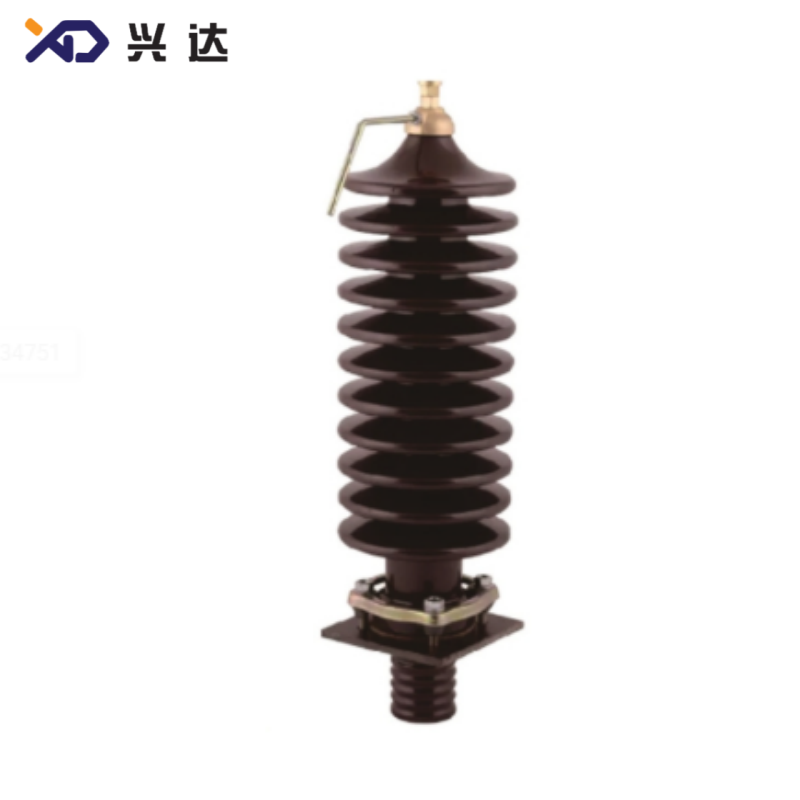
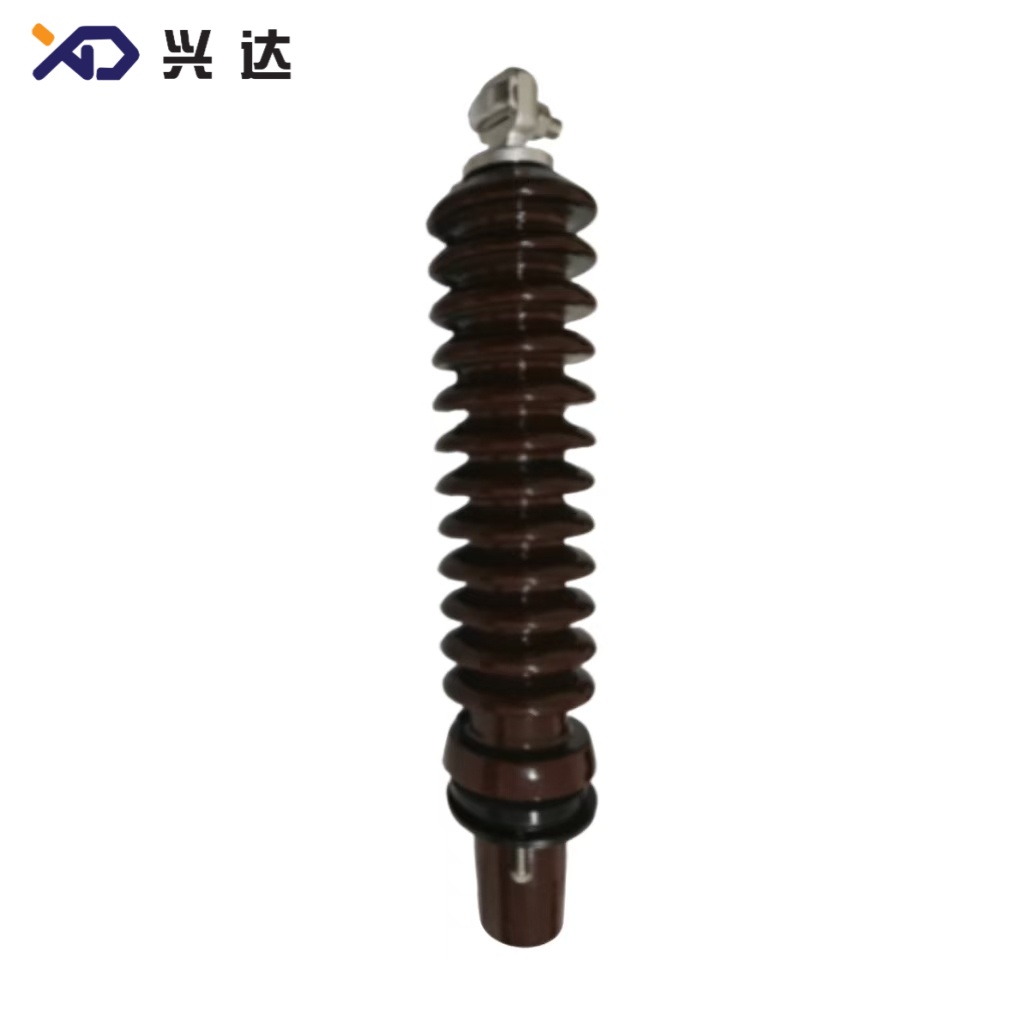
Categories
Contact Us
Contact: Tianjin Delda Trading Co., Ltd
WhatsApp: +86 13662056855
Tel:
E-mail: solomon20210701@tjxddq.com
Add: Unit‑101, Workshop 3, Bozhong Automobile Industrial Park, No.5 Xianghui Road, Intersection of Xianghui Road and Gaoying Road, Beizhakou Town, Jinnan District, Tianjin, China