DIN Bushing
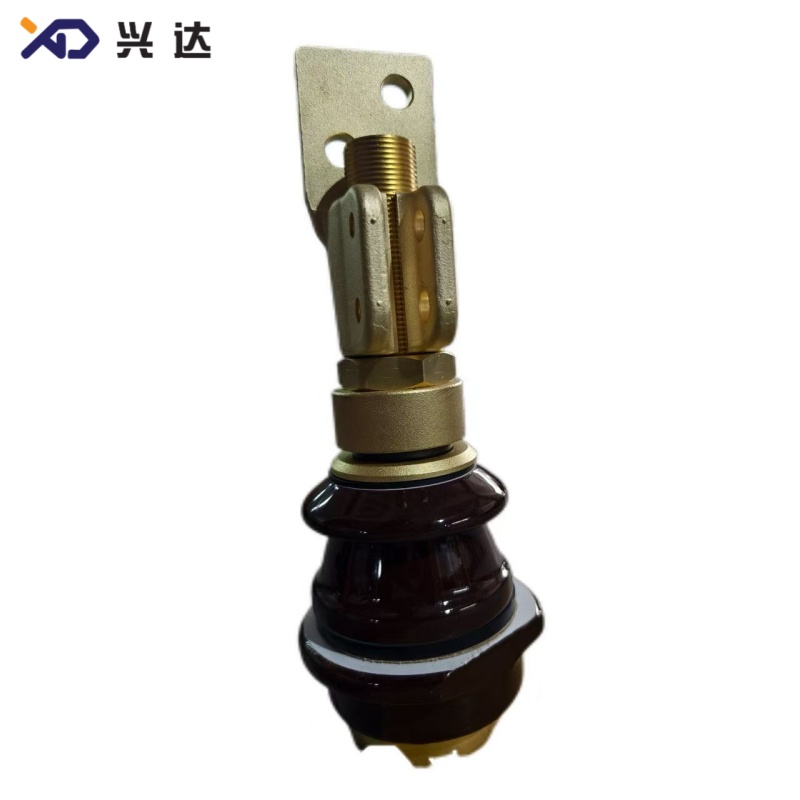
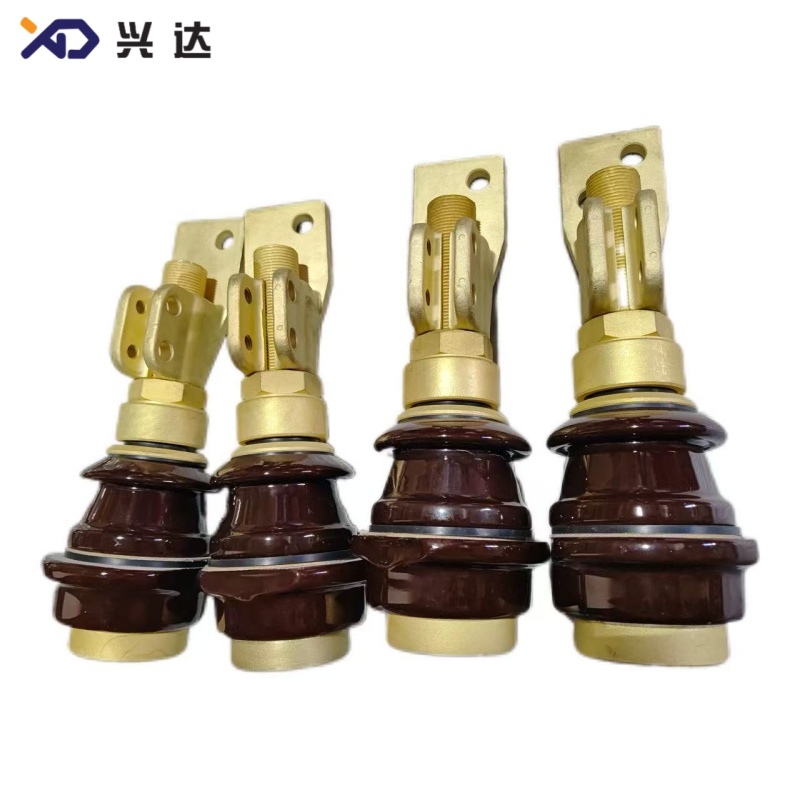
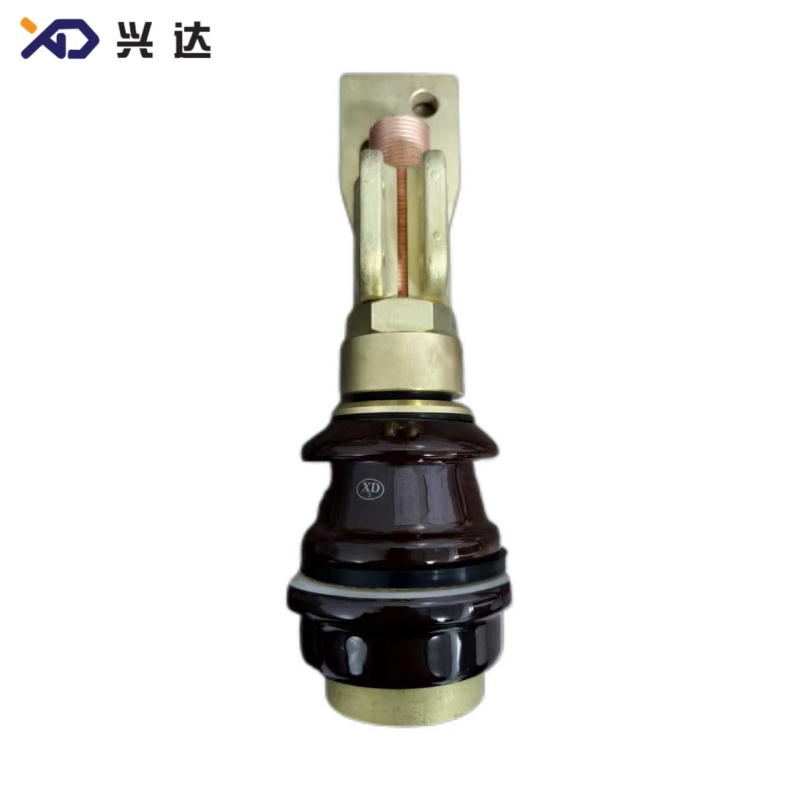
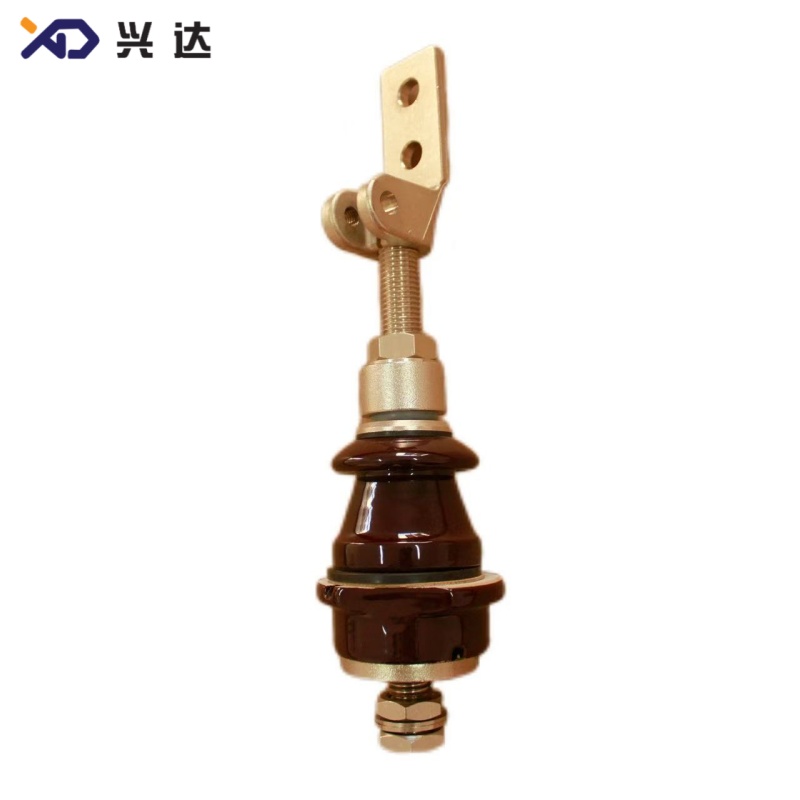
15kV 24kV 35.5kV DIN Transformer Bushing Dimension Drawing Download Resource
DIN vs ANSI High Voltage Transformer Bushing: Complete Engineering, Dimensional & Application Comparison Guide
Table of Contents
- Core Background: Geographic & Standard Philosophy Split Between DIN and ANSI Bushings
- Full Side-by-Side DIN vs ANSI Technical Comparison Table
- Key Dimensional & Structural Design Differences Explained
- Dielectric Testing & Compliance Standard Gap Between DIN and ANSI
- Material Adaptation Difference for Pollution & Extreme Climate
- Matching Transformer Type & Global Market Application Split
- Retrofit Compatibility & Cross-Border Project Selection Rules
- Final Decision Framework for Engineers Choosing DIN or ANSI Bushing
1. Core Background: Geographic & Standard Philosophy Split Between DIN and ANSI Bushings
The division between DIN standard bushings and ANSI standard HV bushings is not merely regional preference, but two entirely separate engineering systems built around metric and imperial measurement frameworks, governing every dimension, mounting structure and test threshold of transformer insulating components. DIN bushings originate from German Deutsches Institut für Normung metric specifications, designed for European Union, Middle Eastern, Southeast Asian and African power grids where metric mechanical design and IEC dielectric testing are mandatory tender requirements. ANSI bushings follow American National Standards Institute imperial inch-based rules, exclusively specified for North American (USA, Canada) and Latin American distribution transformer projects aligned with IEEE power equipment standards.
For transformer OEMs undertaking cross-continental export orders, confusing DIN and ANSI bushing specifications leads to costly compatibility failures: mismatched flange bolt hole patterns cannot be repaired with custom gaskets, requiring full component reordering and delaying project energization schedules by weeks. This guide systematically compares every critical engineering dimension, performance standard and application scenario to eliminate selection errors for electrical engineers, procurement managers and transformer manufacturing technicians.
DIN bushing design philosophy prioritizes universal interchangeability via fixed unified metric flange layouts, standardized M-series metric terminal threads and uniform-height insulating sheds for simplified mass production and aftermarket replacement. ANSI bushing design follows North American grid historical heavy-load mechanical requirements, adopting alternating tall-short shed profiles, variable 4-hole inch flanges and imperial UNC/UNF screw terminals optimized for large single-phase transformers used in North American residential distribution networks.
All DIN medium voltage bushings from 15kV to 35.5kV comply with DIN 42530 series dimensional rules plus IEC 60137 dielectric testing; ANSI bushings follow ANSI C57.19.00 and IEEE C57.19.01 without mandatory alignment with IEC testing criteria.
2. Full Side-by-Side DIN vs ANSI Technical Comparison Table
表格
| Comparison Dimension | DIN Standard High Voltage Transformer Bushing | ANSI Standard HV Transformer Bushing |
|---|---|---|
| Core Measurement System | Full metric (mm, kV, Ampere, Nm torque) | Imperial inch-based dimensional layout |
| Mounting Flange Structure | Fixed uniform 6-hole metric bolt circle per DIN 42530 | Variable 4-hole flat inch flange without unified bolt spacing |
| Outer Insulating Shed Profile | Consistent equal-height shed design calibrated to DIN creepage rules | Alternating tall and short staggered shed structure |
| Primary Target Global Markets | EU, MENA, Southeast Asia, Africa | USA, Canada, Latin America |
| Single-Phase Transformer Tank Compatibility | Compact slim penetration optimized for small single-phase tank cutouts | Larger tank turret opening required for deep bottom shield structure |
| Central Terminal Thread Standard | Metric M12/M16/M20/M24/M30 DIN standard threads | Imperial UNC/UNF inch screw threads |
| Governing Core Technical Documents | DIN 42530 / 42531 / 42532 + IEC 60137 | ANSI C57.19.00, IEEE C57.19.01 |
| Sealing Gasket Specifications | Standardized metric nitrile rubber gaskets fixed by DIN rules | Custom inch-dimension rubber seals without universal sizing |
| Pollution Adaptation Options | Multiple standardized extended creepage DIN variants for Pollution Class I–IV | Fixed standard creepage values designed for inland low-pollution North American grids |
| Internal Conductor Structure | Solid rigid copper/brass stem with bolted tank-side connections | Draw-lead flexible cable internal routing design |
| Standard Voltage Class Range | 15kV, 24kV, 35.5kV medium voltage primary grades | 15kV, 25kV, 34.5kV North American standard voltage grades |
| Mandatory Partial Discharge Limit | <10pC at full rated operating voltage (DIN + IEC rule) | No unified national partial discharge threshold across ANSI standards |
| Retrofit Interchangeability | Cross-brand universal replacement within DIN series | Limited interchangeability, brand-specific flange variants common |
3. Key Dimensional & Structural Design Differences Explained
The most obvious incompatible structural gap lies in mounting flange design: all DIN 15–35.5kV bushings adopt a standardized 6-hole metric bolt circle with fixed hole spacing regulated by DIN 42530, allowing any compliant DIN bushing to mount onto any DIN-designed transformer tank turret without modification. ANSI bushings use a variable 4-hole flat flange with inch-based bolt spacing that differs across voltage classes and manufacturers, meaning cross-brand ANSI bushing replacement often requires tank turret machining rework.
Insulating shed structure creates visible performance divergence in polluted outdoor environments: DIN uniform equal-height sheds deliver consistent surface creepage distance across the entire bushing housing, simplifying extended creepage modification for coastal salt fog zones. ANSI alternating tall-short shed profiles are engineered for North American inland dry climates but accumulate uneven pollution buildup in high-salinity coastal areas, raising surface flashover risk without customized oversized shed upgrades.
Internal conductive stem layout separates installation workflows: DIN bushings feature solid rigid metric threaded stems for straightforward overhead cable lug connection during transformer factory assembly. ANSI draw-lead flexible internal cable routing requires additional terminal crimping steps, extending production cycle time for mass transformer manufacturing.
Terminal thread incompatibility is a frequent cross-border project pitfall: DIN M-series metric threads cannot mate with ANSI UNC/UNF inch cable lugs, requiring separate sets of connection hardware for DIN and ANSI transformer production lines.
4. Dielectric Testing & Compliance Standard Gap Between DIN and ANSI
DIN bushing testing follows dual mandatory standards: DIN mechanical dimensional verification plus IEC 60137 unified dielectric test protocols, including standardized power frequency dry/wet withstand voltage, full-wave lightning impulse BIL surge testing, strict <10pC partial discharge limits and long-duration temperature rise tests at 120% rated current. All test data formats are unified for global tender documentation submission, accepted by utility clients across all metric-standard countries.
ANSI bushing testing adheres to ANSI/IEEE internal power equipment standards without mandatory IEC alignment. Partial discharge testing thresholds are not uniformly regulated across ANSI bushing voltage classes, and test report formats vary widely between manufacturers, creating extra third-party certification costs when exporting ANSI transformers to DIN-standard European markets.
Salt fog pollution aging testing is standardized for all DIN extended creepage bushing variants per DIN pollution classification rules, while ANSI standards only mandate basic dry withstand testing without universal salt spray aging requirements for coastal deployment.
5. Material Adaptation Difference for Pollution & Extreme Climate
DIN bushing product lines uniformly support both porcelain and silicone composite insulating materials with identical metric mounting dimensions, allowing engineers to select composite anti-pollution DIN bushings for coastal, mining or high-altitude sites as direct retrofit replacements for existing porcelain DIN units. Composite DIN bushings deliver permanent hydrophobic silicone surface self-cleaning performance to resist salt fog and industrial chemical contamination.
ANSI bushing product portfolios prioritize porcelain insulation as the primary standard material; composite silicone ANSI bushings are niche custom variants with modified flange dimensions, eliminating direct one-to-one retrofit replacement for existing ANSI porcelain bushing installations. ANSI porcelain bushings lack standardized extended creepage shed options for heavy pollution zones, requiring oversized custom bushing models with enlarged tank turret cutouts.
For extreme temperature operation, DIN bushings carry a unified -40°C to +120°C operating range across all voltage and current grades, while ANSI bushing temperature limits vary by manufacturer without national standardized climate operation benchmarks.
6. Matching Transformer Type & Global Market Application Split
DIN standard bushings are optimized for compact single-phase oil immersed distribution transformers widely used across European rural, agricultural and light industrial grids, plus small three-phase distribution transformers for solar, wind and hydropower auxiliary power stations. All transformer OEMs exporting equipment to EU, Middle East, Southeast Asia and African tender projects specify DIN 42530 series bushings as mandatory bill-of-materials components.
ANSI bushings are exclusively designed for large-capacity single-phase residential distribution transformers deployed across the United States, Canada and Latin America’s overhead residential power grids. North American utility tender documents mandate ANSI/IEEE standard bushings with zero allowance for DIN metric alternative components.
7. Retrofit Compatibility & Cross-Border Project Selection Rules
- Projects targeting EU, MENA, Southeast Asia, Africa power grid tenders: Select DIN standard 15kV/24kV/35.5kV bushings, prioritize composite silicone variants for coastal/mining pollution sites
- Projects for USA, Canada, Latin American distribution grids: Specify ANSI C57.19.00 standard bushings with matching imperial inch flange and UNC terminal threads
- Cross-continental dual export transformer production lines: Maintain separate DIN and ANSI bushing inventory pools with independent metric/imperial cable connection hardware
- Existing DIN transformer tank retrofit upgrades: Directly swap porcelain DIN bushings for composite anti-pollution DIN variants without tank machining
- Existing ANSI transformer tank maintenance replacement: Cannot install DIN bushings without full turret flange rework due to incompatible hole pattern
8. Final Decision Framework for Engineers Choosing DIN or ANSI Bushing
Select DIN standard HV bushings if the project targets metric-standard global markets, requires cross-brand interchangeable spare parts, involves coastal/mining heavy pollution environments, or demands unified IEC dielectric test certification for tender compliance. Choose ANSI standard bushings exclusively for North American and Latin American grid projects complying with IEEE/ANSI power equipment specifications. Never mix DIN and ANSI bushing components on a single transformer production line to eliminate costly dimensional incompatibility failures.
Categories
Contact Us
Contact: Tianjin Delda Trading Co., Ltd
WhatsApp: +86 13662056855
Tel:
E-mail: solomon20210701@tjxddq.com
Add: Unit‑101, Workshop 3, Bozhong Automobile Industrial Park, No.5 Xianghui Road, Intersection of Xianghui Road and Gaoying Road, Beizhakou Town, Jinnan District, Tianjin, China