DIN Bushing
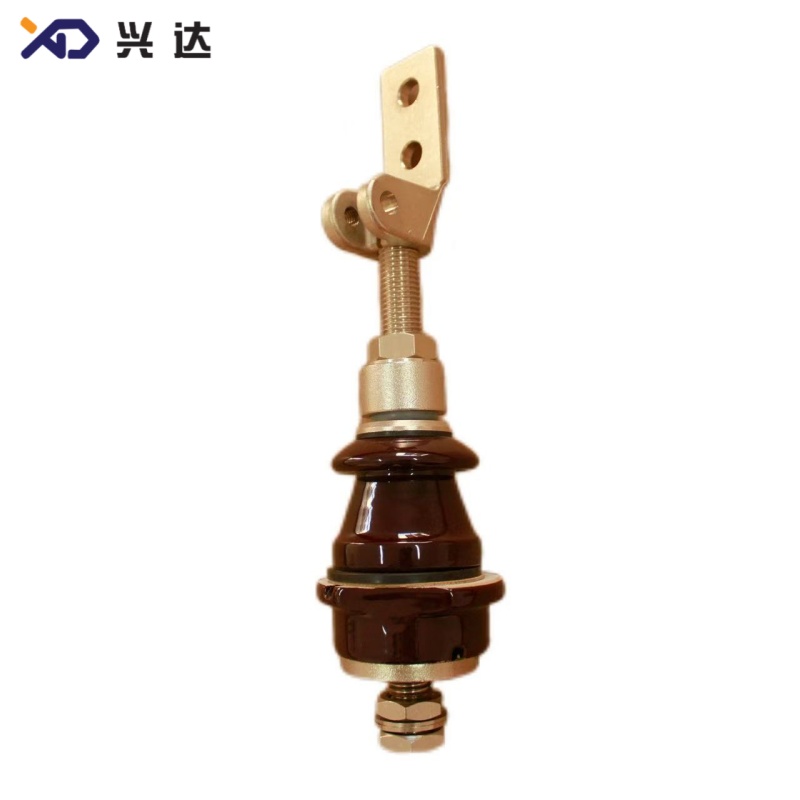
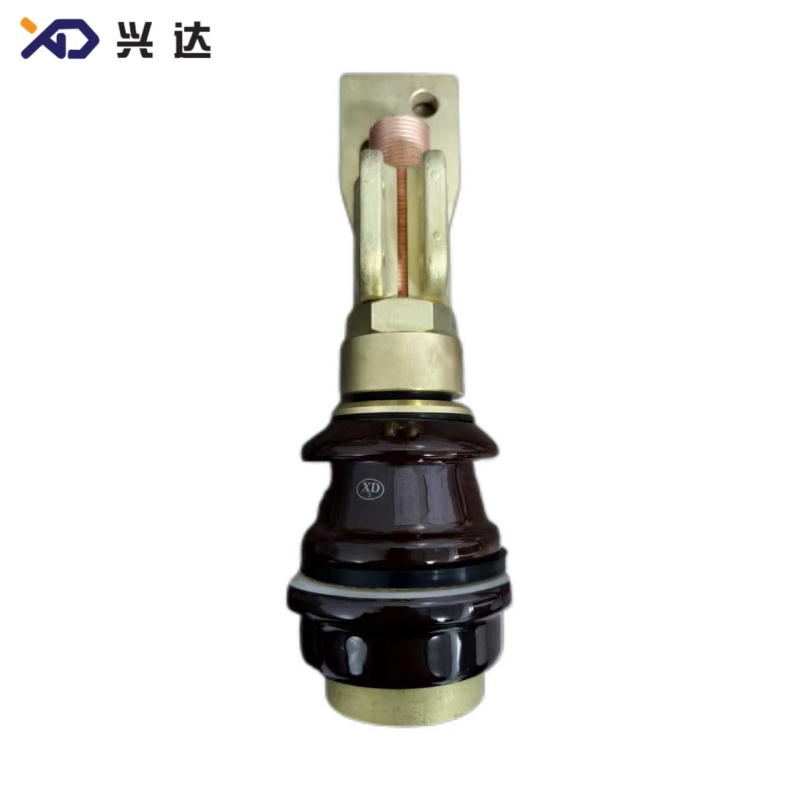
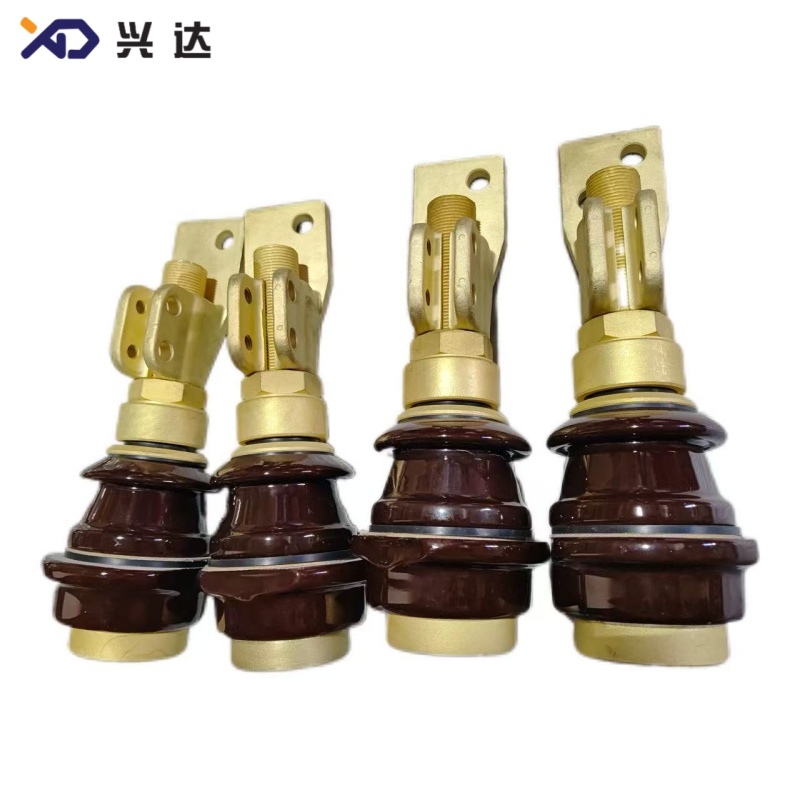
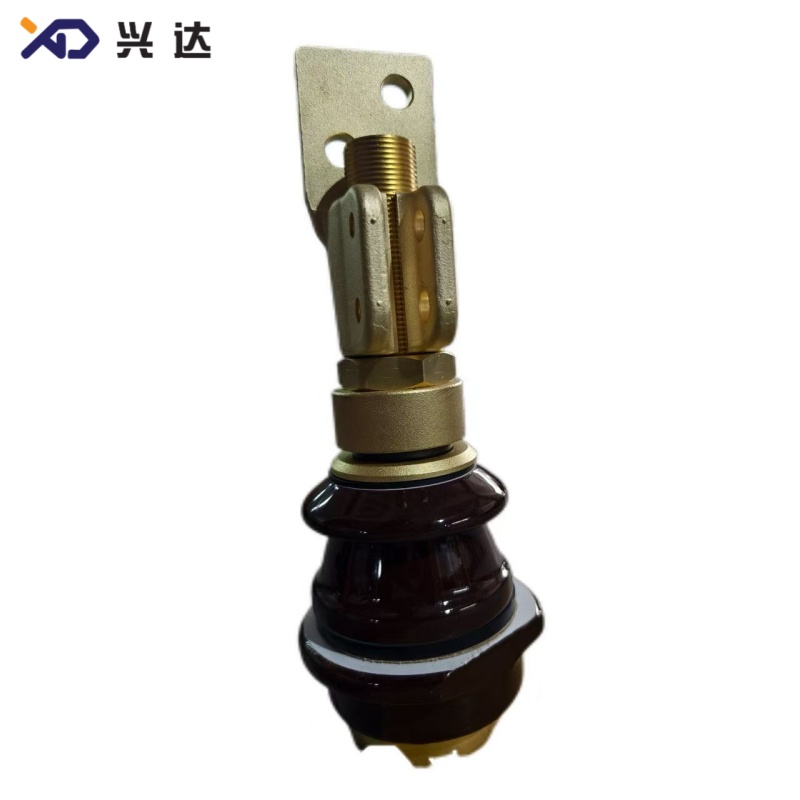
Anti-Pollution Outdoor DIN Standard HV Bushing Complete Solution Guide for Coastal Distribution Projects (For Industry Solution & Case Blog Page)
Anti-Pollution Outdoor DIN Standard HV Bushing Complete Solution Guide for Salt Fog Coastal Single-Phase Distribution Projects
Table of Contents
- Core Environmental Challenges Facing Coastal Distribution Transformer Bushings
- Design Mechanisms of Anti-Pollution DIN Standard Outdoor HV Bushings
- Standard Material Selection Table for Coastal DIN Anti-Pollution Bushings
- DIN Extended Creepage Anti-Pollution Bushing Full Specification Table
- Mandatory DIN & IEC Pollution Resistance Test Standards
- Installation & Site Matching Rules for Coastal DIN Anti-Pollution Bushings
- Long-Term Maintenance Optimization for Marine-Grade DIN HV Bushings
- Real-World Project Application Advantages Summary
1. Core Environmental Challenges Facing Coastal Distribution Transformer Bushings
Coastal power distribution infrastructure exposes transformer high voltage bushings to continuous harsh marine environmental stressors that drastically shorten standard bushing service life and raise surface flashover outage risks without anti-pollution optimized DIN bushing design. The three dominant coastal failure triggers include salt fog saline deposition, high year-round relative humidity and UV ozone coastal weather aging.
Salt fog saline crystals adhere to traditional porcelain bushing shed surfaces, forming conductive leakage paths across insulating creepage distance during rainy or high-humidity weather. This creates surface tracking, partial discharge escalation and eventually catastrophic flashover short circuits that shut down residential coastal distribution transformers. Standard inland DIN porcelain bushings lack sufficient creepage length and hydrophobic surface treatment to resist salt contamination buildup, requiring quarterly high-pressure water washing that increases operational labor costs and safety hazards for field maintenance crews.
Coastal UV and ozone exposure accelerates glaze degradation on ordinary porcelain DIN bushings after 10–15 years outdoor operation, worsening surface pollution adhesion over time. Conventional non-anti-pollution DIN bushings also face accelerated metal flange and conductive stem corrosion from airborne salt spray, causing loose terminal connections and overheating hot spots under full transformer load cycles.
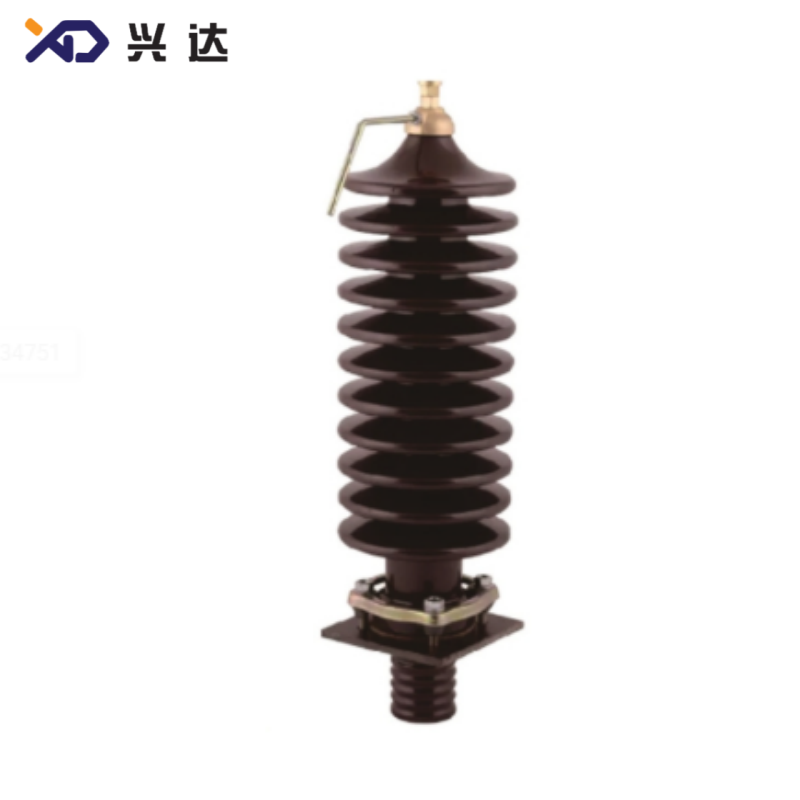
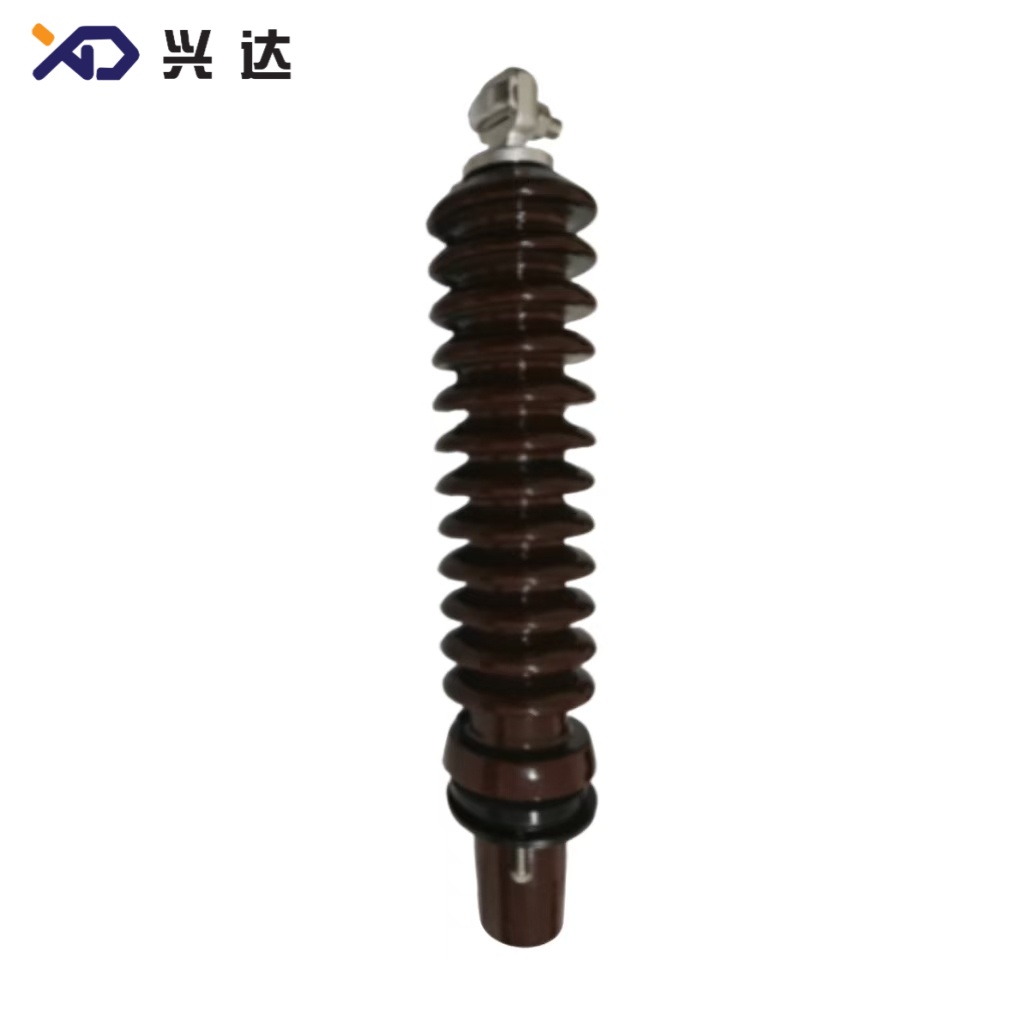
Anti-pollution outdoor DIN standard HV bushings are engineered to eliminate all three coastal failure modes while retaining full DIN 42530 metric flange interchangeability with existing single-phase oil immersed transformer tank layouts, avoiding expensive turret modification during coastal grid renovation projects.
2. Design Mechanisms of Anti-Pollution DIN Standard Outdoor HV Bushings
Two core optimized design features separate marine-grade anti-pollution DIN bushings from standard inland DIN bushing models: extended calibrated creepage shed profiles and permanent hydrophobic silicone outer insulation treatment.
First, extended creepage distance design: Anti-pollution DIN bushings adopt +30% or +50% longer standardized shed creepage lengths per DIN pollution classification rules, increasing the total surface insulation path between live conductive components and grounded flanges. The extra creepage distance dilutes conductive salt deposit concentration along the bushing surface during humid coastal weather, preventing leakage current tracking and surface flashover without frequent manual cleaning. All extended creepage shed designs retain identical DIN flange hole patterns and terminal thread sizes as standard inland DIN bushings for direct retrofit replacement.
Second, hydrophobic silicone composite outer housing structure: Marine anti-pollution DIN bushings use fiberglass epoxy core tubes covered in high-molecular-weight hydrophobic silicone rubber sheds. Unlike hydrophilic glazed porcelain, silicone rubber repels saltwater droplets, forming spherical water beads that roll off the bushing surface and carry accumulated salt contaminants away via natural rainfall self-cleaning. This self-cleaning property eliminates mandatory quarterly high-pressure washing required for standard coastal porcelain bushing installations.
Additional auxiliary anti-corrosion design upgrades for coastal DIN bushings include silver-plated central conductive stems (replacing standard tin plating) and double-layer galvanized steel mounting flanges with anti-salt corrosion sealing coating, resisting marine salt spray oxidation for 30+ years continuous outdoor operation. Nitrile rubber gaskets are upgraded to FKM fluoroelastomer seals for enhanced resistance to coastal high-temperature and saline atmospheric chemical erosion.
3. Standard Material Selection Table for Coastal DIN Anti-Pollution Bushings
表格
| Component Part | Standard Inland DIN Bushing Material | Coastal Anti-Pollution DIN Bushing Material | Coastal Performance Improvement |
|---|---|---|---|
| Outer Insulating Housing | Glazed high-alumina porcelain | Hydrophobic silicone rubber composite | Permanent self-cleaning, UV/ozone resistant, anti-salt deposition |
| Central Conductive Stem | Tin-plated solid brass | Silver-plated solid copper | Superior anti-salt corrosion, lower contact resistance to avoid overheating |
| Mounting Flange | Single-layer galvanized steel | Double-coated anti-salt galvanized steel | Resists coastal salt spray rust for 30+ years |
| Tank Sealing Gasket | Standard NBR nitrile rubber | FKM fluoroelastomer rubber | Withstands coastal high temperature and saline chemical erosion, zero oil leakage |
| Internal Insulation | Oil-impregnated kraft paper (OIP) | RIP resin-impregnated paper (optional upgrade) | Lower moisture absorption in high-humidity coastal air, reduced partial discharge risk |
| Shed Creepage Length | Base standard DIN creepage value | +30% / +50% extended calibrated creepage | Eliminates surface flashover risk under heavy salt fog pollution class IV environments |
4. DIN Extended Creepage Anti-Pollution Bushing Full Specification Table
All electrical test parameters comply with DIN 42531, DIN 42532 and IEC 60815 pollution resistance standards; all flange dimensions match standard DIN bushing metric layouts for direct retrofit onto existing coastal single-phase transformers.
表格
| Anti-Pollution DIN Model | Rated Voltage (kV) | Rated Continuous Current (A) | Extended Creepage Multiplier | Minimum Total Creepage (mm) | Lightning Impulse BIL (kV) | Pollution Class Certification | Terminal Thread | Operating Temp Range |
|---|---|---|---|---|---|---|---|---|
| DIN CP15-250-30 | 15 | 250 | +30% extended | 397 | 125 | IEC 60815 Pollution Class III | M12 | -40°C ~ +120°C |
| DIN CP15-630-50 | 15 | 630 | +50% extended | 457 | 125 | IEC 60815 Pollution Class IV | M20 | -40°C ~ +120°C |
| DIN CP24-250-30 | 24 | 250 | +30% extended | 585 | 170 | IEC 60815 Pollution Class III | M12 | -40°C ~ +120°C |
| DIN CP24-630-50 | 24 | 630 | +50% extended | 675 | 170 | IEC 60815 Pollution Class IV | M20 | -40°C ~ +120°C |
| DIN CP35.5-250-50 | 35.5 | 250 | +50% extended | 910 | 200 | IEC 60815 Pollution Class IV | M16 | -40°C ~ +120°C |
| DIN CP35.5-630-50 | 35.5 | 630 | +50% extended | 910 | 200 | IEC 60815 Pollution Class IV | M24 | -40°C ~ +120°C |
5. Mandatory DIN & IEC Pollution Resistance Test Standards
Every marine anti-pollution DIN HV bushing completes two layers of mandatory pollution aging testing before factory delivery, complying with DIN and international IEC unified standards:
- DIN Salt Fog Accelerated Aging Test: Continuous 1000-hour saline spray exposure to simulate 10+ years coastal salt fog operation; acceptance criteria require zero silicone surface degradation, no flange rust formation and unchanged dielectric partial discharge levels below 10pC
- IEC 60815 Pollution Class IV Tracking Test: Artificial salt pollution layer deposition plus wet flashover voltage verification to confirm extended creepage sheds maintain full insulating strength under maximum coastal contamination loads
- UV Ozone Weather Aging Test: 500-hour continuous UV/ozone chamber exposure to validate silicone composite anti-aging performance for tropical coastal climate zones
- Power Frequency Wet Withstand Voltage Retest Post Salt Aging: No insulation breakdown or surface tracking allowed after full pollution cycle testing
6. Installation & Site Matching Rules for Coastal DIN Anti-Pollution Bushings
- Site Pollution Classification Matching: Select +30% extended creepage DIN anti-pollution bushings for inland coastal towns with moderate salt exposure (Pollution Class III); specify +50% extended creepage models for shoreline, port and offshore auxiliary transformer projects (Pollution Class IV)
- Direct Retrofit Installation Rule: Anti-pollution DIN bushings share identical DIN 42530 flange hole spacing as original standard DIN porcelain bushings; no transformer tank turret cutting or rework required during grid renovation replacement
- Torque Standard Compliance: Tighten DIN flange bolts to DIN-specified 25Nm metric torque sequence to ensure full compression of FKM anti-salt gaskets and eliminate coastal oil leakage risks
- Terminal Connection Upgrade Requirement: Pair silver-plated DIN bushing conductive stems with tin-coated copper cable lugs to prevent galvanic salt corrosion at connection joints
- Altitude Adjustment Note: For coastal mountain sites above 1000m altitude, add an extra +20% creepage extension based on base anti-pollution DIN model specifications
7. Long-Term Maintenance Optimization for Marine-Grade DIN HV Bushings
Marine anti-pollution composite DIN bushings drastically reduce coastal maintenance workload compared to traditional porcelain DIN bushings, with standardized optimized inspection cycles aligned to DIN operational guidelines:
- Quarterly Visual Spot Inspection: Brief surface check for silicone shed tearing, flange rust or terminal discoloration; no mandatory high-pressure washing required due to silicone self-cleaning performance
- Annual Diagnostic Electrical Testing: Complete insulation resistance, tan delta power factor and capacitance measurement per DIN field test standards; threshold limits identical to all DIN HV bushing models
- Five-Year Full Gasket Replacement Cycle: Swap all FKM fluoroelastomer sealing gaskets during transformer oil filtration cycles to eliminate slow saline atmospheric ingress through aged seals
- Storage Rule for Spare Coastal DIN Bushings: Store spare composite anti-pollution DIN bushings in temperature-controlled dry warehouses below 75% relative humidity to prevent silicone surface contamination before field installation
8. Real-World Project Application Advantages Summary
Deploying anti-pollution outdoor DIN standard HV bushings on coastal single-phase distribution transformer projects delivers four measurable long-term operational benefits for power utilities: elimination of quarterly insulator washing labor costs, 30+ year service lifespan vs. 15-year standard porcelain DIN bushing cycles, 70% reduction in coastal bushing surface flashover outage incidents, and full DIN metric interchangeability to avoid costly transformer tank modification during grid upgrade renovations. All marine anti-pollution DIN bushing variants maintain dual DIN & IEC certification to satisfy tender documentation requirements for coastal power infrastructure bids across all metric-standard global markets.
Categories
Contact Us
Contact: Tianjin Delda Trading Co., Ltd
WhatsApp: +86 13662056855
Tel:
E-mail: solomon20210701@tjxddq.com
Add: Unit‑101, Workshop 3, Bozhong Automobile Industrial Park, No.5 Xianghui Road, Intersection of Xianghui Road and Gaoying Road, Beizhakou Town, Jinnan District, Tianjin, China