DIN Bushing
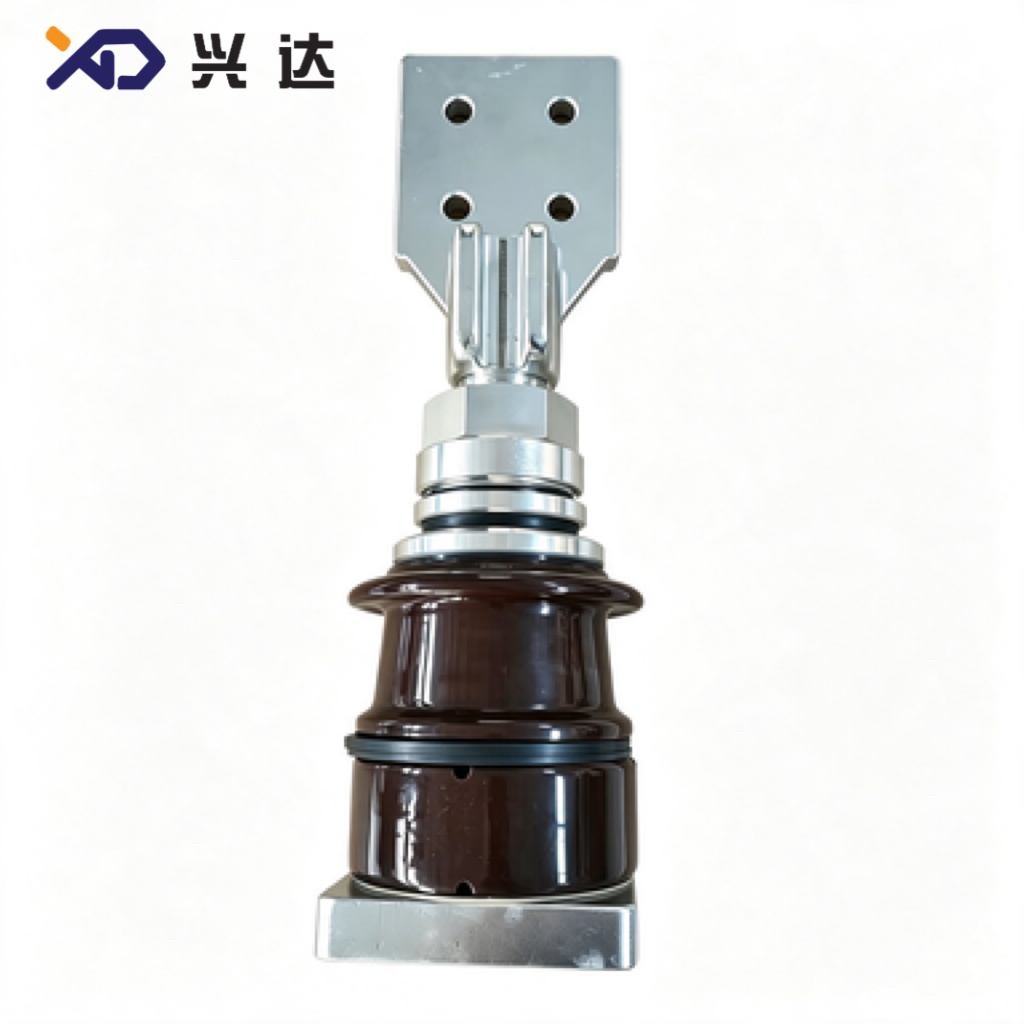
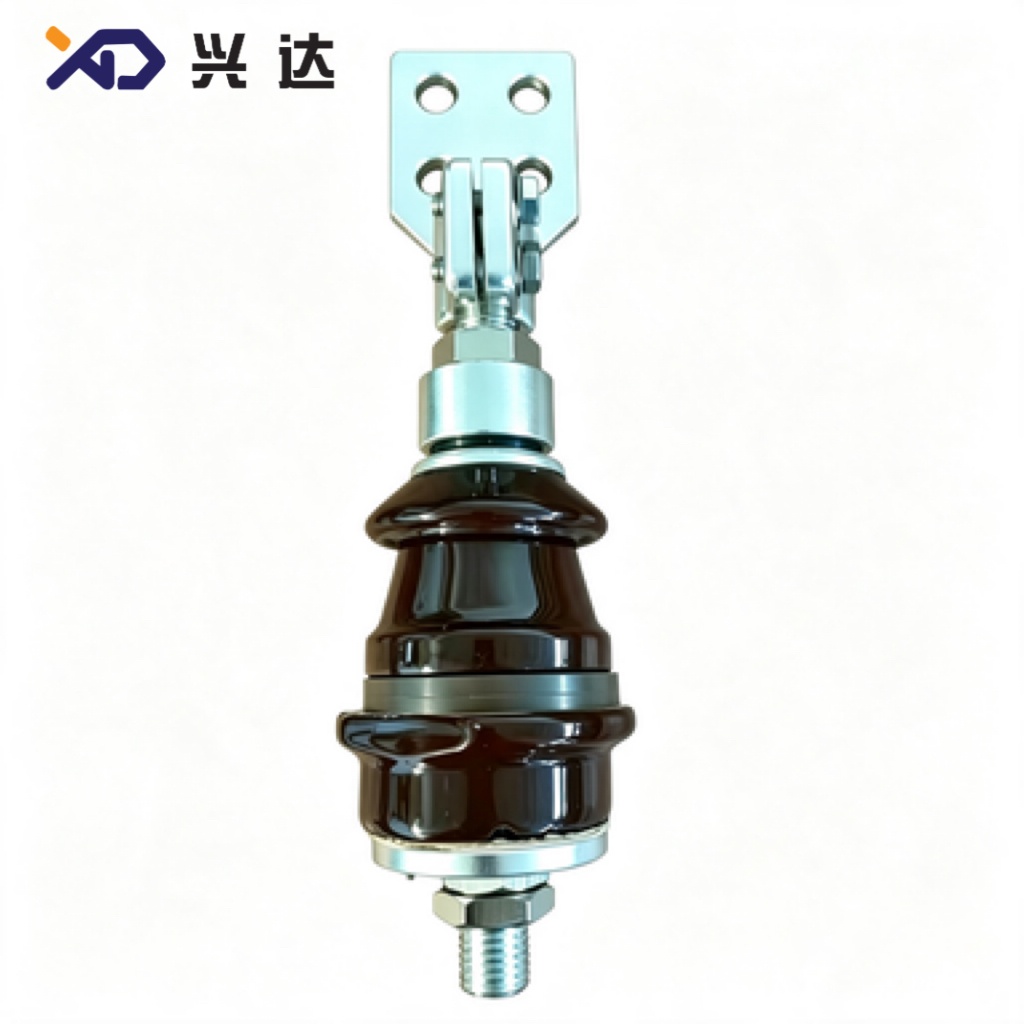
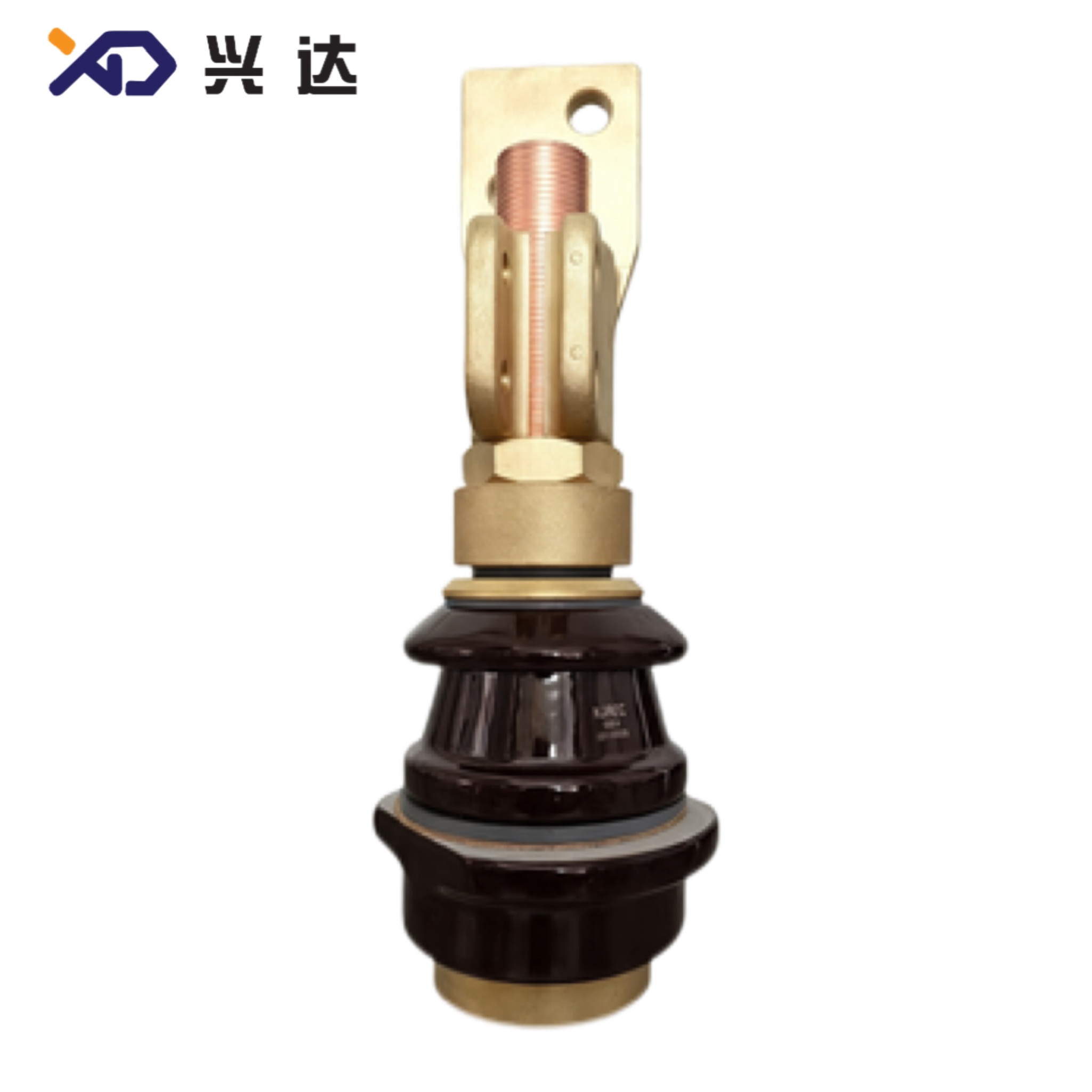
DIN Standard HV Bushing Complete Selection, Installation & Routine Maintenance Technical Checklist Guide (For Engineer Operation Manual Blog & Technical Resource Page)
DIN Standard HV Bushing Complete Selection, Installation & Routine Maintenance Technical Checklist Guide for Oil Immersed Transformers
Table of Contents
- Step-by-Step DIN Bushing Standard Selection Criteria & Matching Checklist
- DIN Bushing Mandatory Pre-Installation Inspection Table
- Standard DIN HV Bushing Stepwise Installation Procedure & Torque Specifications
- Full DIN Bushing Routine Field Diagnostic Test Table (Acceptance Standards Included)
- Common DIN Bushing Fault Types, Root Causes & Troubleshooting Solutions
- Long-Term Storage Rules for Spare DIN Standard HV Bushings
- Final Best Practices Summary to Extend DIN Bushing Service Lifespan
1. Step-by-Step DIN Bushing Standard Selection Criteria & Matching Checklist
Engineers and procurement teams must complete eight sequential matching checks before finalizing DIN bushing model selection for any oil immersed single-phase transformer project, eliminating compatibility or performance mismatch risks:
- Rated Voltage Exact Matching: Select DIN bushing voltage class identical to transformer primary operating voltage (15kV / 24kV / 35.5kV models are non-interchangeable across voltage grades per DIN 42531/42532 rules)
- Continuous Current Rating Overload Margin Calculation: Specify DIN bushing current rating with minimum 1.2x safety margin above transformer full-load primary operating current to avoid terminal overheating under peak load cycles
- Operating Environment Pollution Class Matching: Standard porcelain DIN bushings for Pollution Class I/II inland low-contamination sites; composite extended creepage anti-pollution DIN bushings for Pollution Class III/IV coastal, mining and industrial zones
- Altitude Adaptation Adjustment: For sites above 1000m altitude, upgrade to +30% extended creepage DIN bushing variants to compensate reduced air dielectric strength at high elevation
- DIN Flange Dimensional Verification: Cross-check transformer tank turret DIN 42530 flange hole drawing to confirm 6-hole metric bolt circle matches selected bushing mounting base
- Terminal Thread Specification Confirmation: Match M12/M16/M20/M24/M30 DIN conductive stem thread size to project standard cable lug hardware
- Climate Temperature Range Validation: Confirm DIN bushing -40°C ~ +120°C operating range covers local recorded extreme high and low ambient temperatures
- Export Certification Requirement Check: For cross-border tender projects targeting EU/MENA/Southeast Asia markets, confirm selected DIN bushing carries full DIN type test reports and IEC 60137 certification documentation
2. DIN Bushing Mandatory Pre-Installation Inspection Table
All DIN standard HV bushings require full 100% visual and dimensional inspection before mounting onto transformer tanks; defective units must be rejected and replaced to prevent post-installation failure:
表格
| Inspection Item | DIN Standard Acceptance Criterion | Rejection Condition |
|---|---|---|
| Outer Insulating Housing Visual Check | Zero cracks, glaze spalling (porcelain) or silicone tearing (composite), uniform shed shape per DIN drawing | Visible surface damage, bubble defects, shed deformation |
| Dimensional Measurement | Flange bolt circle, creepage length, terminal thread length within DIN drawing tolerance ±1mm | Deviation over tolerance range, mismatched metric thread pitch |
| Metal Fitting Surface Treatment | Complete uniform tin/silver plating, no rust spots or oxidation | Exposed raw steel, peeling anti-corrosion coating |
| Sealing Gasket Integrity | Undamaged NBR/FKM rubber, no hardening or surface cracks | Cracked, deformed or aged brittle gaskets |
| Partial Discharge Pre-Test (Random Sampling) | PD level <10pC at rated operating voltage per DIN factory standard | PD reading exceeding 10pC baseline threshold |
3. Standard DIN HV Bushing Stepwise Installation Procedure & Torque Specifications
All installation steps strictly follow DIN 42530 assembly regulations; improper torque or gasket placement is the top root cause of DIN bushing oil leakage faults in field operation:
- Transformer Tank Turret Preparation: Clean flange mounting surface completely, remove metal burrs and residual insulating oil; verify flat surface without uneven deformation
- Standard DIN Gasket Placement: Install brand-new DIN standardized rubber sealing gasket onto turret base; never reuse removed aged gaskets during reinstallation or replacement
- DIN Bushing Lower Section Insertion: Carefully lower the oil-immersed end of the DIN bushing through the tank turret opening to avoid scraping porcelain/silicone sheds against metal tank edges
- Flange Bolt Sequential Tightening: Tighten 6 metric flange bolts in diagonal cross sequence to DIN standardized torque value of 25Nm for M12 bolts, 35Nm for M16/M20 bolts, 45Nm for M24/M30 bolts
- Internal Conductor Connection: Fasten transformer winding leads to DIN bushing bottom conductive stem with matching metric locking nuts, eliminate loose contact gaps that cause overheating
- Post-Installation Oil Tightness Pressure Test: Fill transformer tank with mineral oil and maintain 0.05MPa internal pressure for 2 hours; zero oil seepage allowed at DIN flange gasket joint
- External Cable Lug Mounting: Attach overhead cable lugs to top DIN metric threaded stem with specified torque to prevent terminal hot spots under full load
4. Full DIN Bushing Routine Field Diagnostic Test Table (Acceptance Standards Included)
Annual mandatory field testing for all installed DIN standard HV bushings, aligned with DIN and IEC 60137 diagnostic criteria; all test data must be recorded as baseline reference for subsequent year comparison:
表格
| Field Diagnostic Test Name | Required Test Equipment | DIN Standard Acceptance Threshold | Mandatory Testing Frequency |
|---|---|---|---|
| Insulation Resistance Test | 5kV Megohmmeter | Insulation resistance reading > 1000 MΩ | Annual full inspection cycle |
| Tan Delta (Power Factor) Dissipation Test | Tan δ measurement bridge | Tan δ <0.5% for new DIN bushings; <1.0% for aged operating units | Annual full inspection cycle |
| Capacitance Measurement | Precision capacitance bridge | Capacitance value within ±5% of factory DIN datasheet baseline reading | Annual full inspection cycle |
| Infrared Thermography Scan | Thermal imaging camera | No terminal/flange hot spot exceeding 15°C above surrounding bushing surface temperature | Annual full inspection cycle |
| Visual External Shed Pollution Check | Flashlight visual inspection tool | No heavy salt/chemical pollution accumulation covering over 30% of shed creepage surface | Quarterly spot check for outdoor coastal/industrial DIN bushings |
| Partial Discharge Online Monitoring (Optional Critical Grid Sites) | Portable partial discharge detector | PD stable below 10pC operating threshold | Bi-annual inspection for high-importance distribution transformers |
5. Common DIN Bushing Fault Types, Root Causes & Troubleshooting Solutions
Field maintenance data records five most frequent failure modes for DIN standard HV bushings, with clear root cause analysis and standardized DIN-compliant repair solutions:
- Flange Oil Leakage FaultRoot Cause: Reused aged DIN rubber gaskets, uneven diagonal bolt torque sequence during installation, scratched turret flange mounting surfaceTroubleshooting Solution: Drain transformer oil, fully remove DIN bushing, replace with brand-new DIN specification NBR/FKM gasket, retighten flange bolts in cross diagonal torque sequence per DIN 42530 rules, repeat oil tightness pressure test post reassembly
- Rising Partial Discharge ReadingRoot Cause: Moisture ingress through degraded gaskets, heavy surface pollution covering insulating sheds, internal OIP/RIP insulation agingTroubleshooting Solution: Clean outer bushing sheds thoroughly, replace sealing gaskets; if PD remains elevated, extract DIN bushing for factory insulation inspection or full unit replacement
- Terminal Overheating Hot Spots Detected via Thermal ScanRoot Cause: Loose metric DIN threaded terminal nuts, mismatched non-DIN cable lugs with poor contact area, undersized current rating bushing selectionTroubleshooting Solution: Retorque top terminal nut to DIN specified torque; replace incompatible cable lugs with standard metric DIN matching hardware; upgrade to higher current DIN bushing model if load rating mismatch confirmed
- Porcelain DIN Bushing Surface CrackingRoot Cause: Transportation vibration impact, excessive lateral bending load on top terminal cable connections, thermal cycling stressTroubleshooting Solution: Complete DIN bushing unit replacement; adjust overhead cable support bracket to reduce mechanical cantilever stress on bushing top terminal
- Silicone Composite DIN Bushing Surface Degradation (Coastal Sites)Root Cause: Long-term UV/salt fog exposure without periodic light cleaning, chemical industrial fume corrosionTroubleshooting Solution: Rinse silicone sheds with clean demineralized water annually; replace severely degraded composite DIN bushing with new marine anti-pollution DIN variant
6. Long-Term Storage Rules for Spare DIN Standard HV Bushings
Proper warehouse storage preserves DIN bushing insulation integrity for up to 5 years shelf life per DIN component storage guidelines, preventing premature failure after installation:
- Storage Environment Requirements: Temperature-controlled warehouse range -20°C ~ +40°C, relative air humidity maintained below 75%, no direct sunlight or coastal salt fog exposure inside storage facility
- Placement Rule: Store DIN bushings vertically on dedicated padded racks to avoid horizontal mechanical stress cracking of porcelain or silicone insulating sheds
- Packaging Preservation: Retain original factory protective foam and plastic wrapping until pre-installation inspection; avoid direct contact between porcelain sheds and hard metal surfaces during storage stacking
- Gasket Separate Storage: Keep DIN standardized sealing gaskets sealed in airtight plastic packaging separate from bushing metal fittings to prevent rubber aging and metal oxidation cross-contamination
- Shelf Life Tracking: Label all spare DIN bushings with factory production date; prioritize installation of older stock first to avoid exceeding 5-year maximum storage shelf life
7. Final Best Practices Summary to Extend DIN Bushing Service Lifespan
Maximize DIN standard HV bushing operational lifespan and minimize unplanned transformer outages by adhering to four core permanent best practices throughout selection, installation and maintenance cycles: strictly match DIN voltage/current/environment specifications during initial model selection
Categories
Contact Us
Contact: Tianjin Delda Trading Co., Ltd
WhatsApp: +86 13662056855
Tel:
E-mail: solomon20210701@tjxddq.com
Add: Unit‑101, Workshop 3, Bozhong Automobile Industrial Park, No.5 Xianghui Road, Intersection of Xianghui Road and Gaoying Road, Beizhakou Town, Jinnan District, Tianjin, China