DIN Bushing
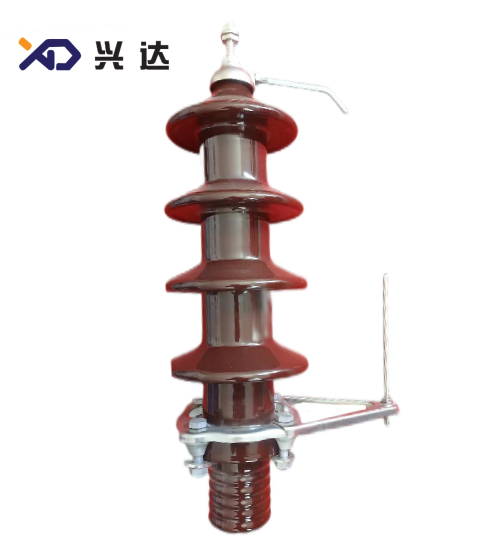
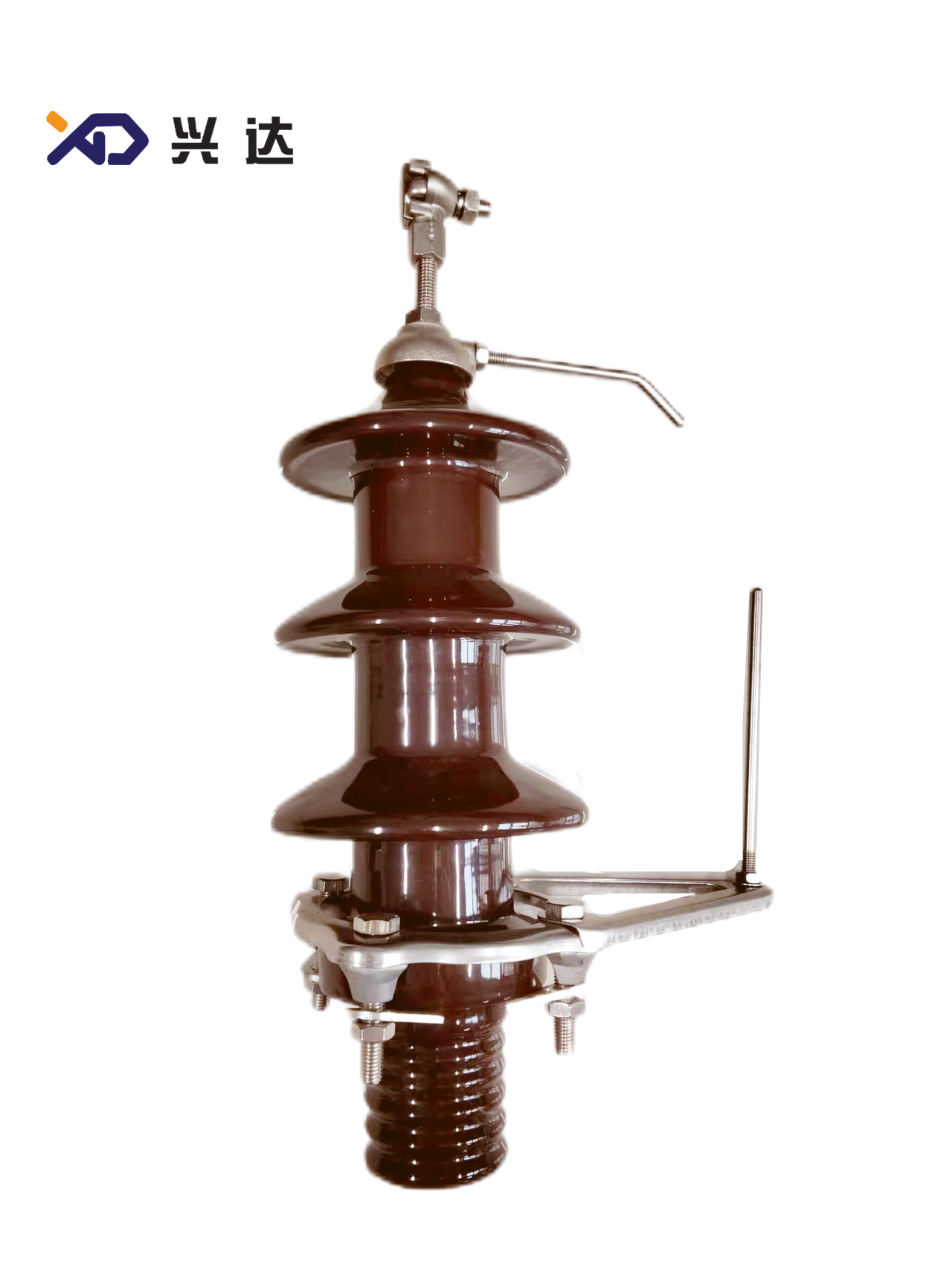
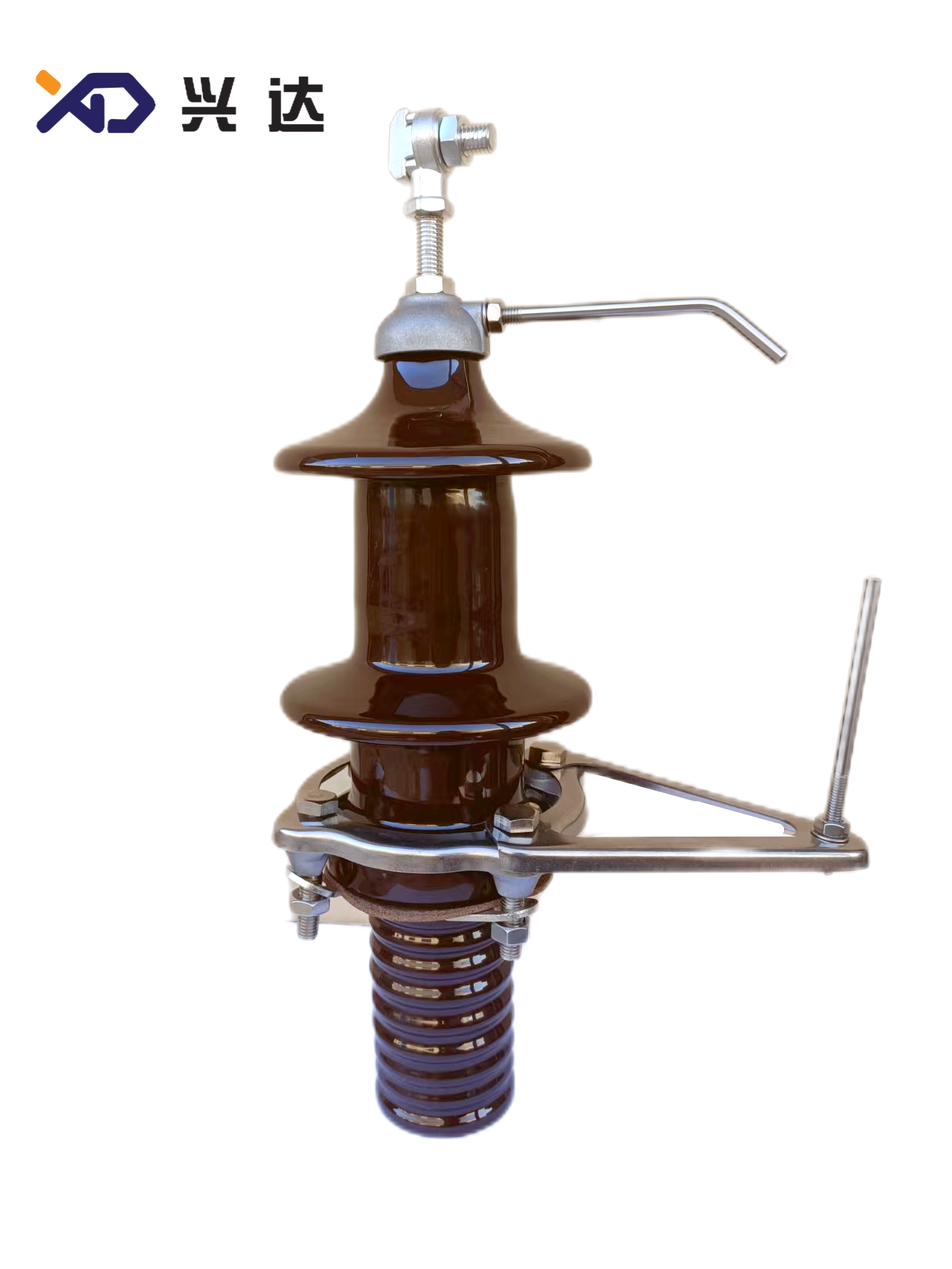

Reliable DIN Bushing for Oil Immersed Distribution Transformer
DIN Bushing: Complete Guide to DIN Standard Transformer Bushing
Introduction to DIN Bushing
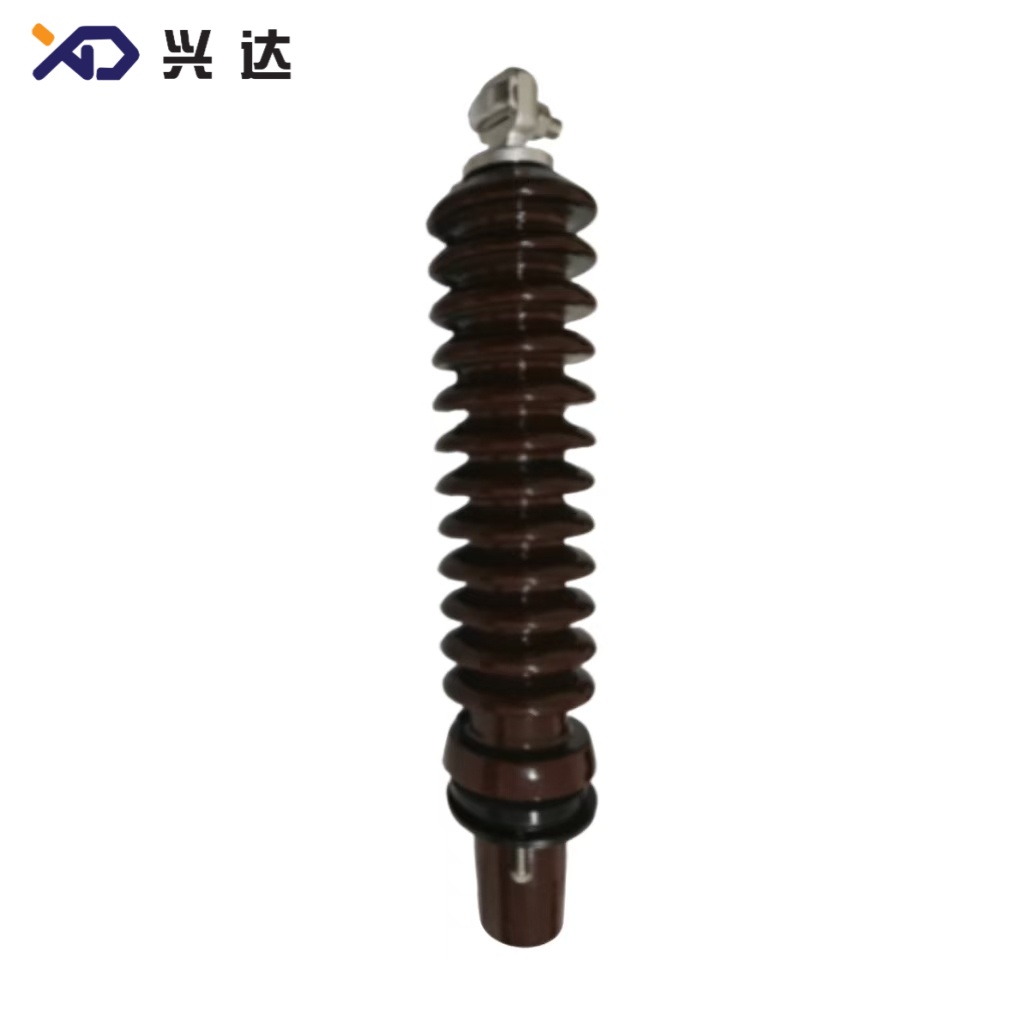
DIN bushing refers to transformer bushings manufactured according to DIN standards established by Deutsches Institut für Normung, widely used for oil‑immersed distribution transformers and power transformers across Europe, Middle East, Africa and many Asian markets. These components create a safe electrical passage for live conductors passing through the grounded metal transformer tank wall. Every DIN transformer bushing delivers two core functions: electrical insulation between high‑current live parts and transformer tank, and mechanical support for external connection terminals and bus bar joints.
Common DIN series codes include DIN 42530, DIN 42531, DIN 42532, DIN 42533 and DIN 42534, covering low‑voltage and medium‑voltage working conditions from 1 kV up to 36 kV with continuous current ratings ranging from 250 A to 6500 A. Most traditional DIN bushings adopt porcelain insulation housing combined with brass or copper central conductive rod, rubber sealing gaskets and metal flange assembly for tank mounting. They are designed specifically for oil‑filled transformer internal environment, where part of the bushing sits inside transformer oil and the other section exposes to atmospheric outdoor or indoor conditions.
It is critical to note that DIN bushing and ANSI bushing are not mechanically interchangeable. Dimensional differences involve tank opening diameter, flange bolt layout, terminal structure, thread specification and creepage distance design. Engineers must confirm standard compliance during transformer retrofitting, maintenance or new project procurement to avoid assembly mismatch and potential safety risks.
| Test | 100%Test |
| Sample | Sample Avaliable |
| Advantage | Fast Delivery |
| Customised services | Avaliable |
| Packing | Wooden Case |
| Certification | MTC |
| After Sale Service | 5 Years |
| Payment | 30% + 70% T/T |
Core Structure of DIN Transformer Bushing
A complete DIN standard porcelain bushing consists of several modular parts, and this modular design simplifies field inspection and component replacement during transformer maintenance work.
Porcelain Insulator Housing: Glazed porcelain forms the main external insulation shell. Glaze surface improves hydrophobic performance, resists dust accumulation, UV aging and atmospheric corrosion. Shed shapes are calculated to meet required creepage distance for anti‑flashover performance under humid or polluted environment.
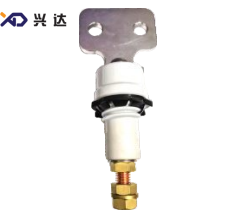
Central Conductor Assembly: Copper or brass conductive rod transfers load current from transformer internal winding lead to external connection point. Rod cross‑section strictly matches rated continuous current and short‑circuit withstand requirement to prevent overheating under normal and fault conditions. Flag‑type brass terminals are commonly fitted at the top for convenient bus bar connection.
Sealing Gasket Set: Oil‑resistant rubber gaskets sit between porcelain body, metal flange and transformer tank surface. These sealing components prevent transformer oil leakage and stop outside moisture from penetrating into transformer tank. Damaged gaskets are one of the most frequent failure sources for DIN bushing in service.
Mounting Flange: Metal flange provides fixed mounting interface on transformer tank opening. DIN standards define unified tank hole dimension, mounting hole position and gasket compression requirement for each model number.
Fastening Hardware: Nuts, washers and compression components maintain proper pressure on sealing surfaces and hold terminal connectors in stable contact status. Improper torque value may cause oil leak or bad electrical contact which generates local overheating.
Main Material Options for DIN Bushing
Material selection directly determines service life, electrical performance and environmental adaptability of DIN bushing. The table below compares mainstream material combinations applied in DIN standard bushing products.
Component Part
Common Material
Key Performance Advantages
Main Limitations
Outer Insulation Housing | Glazed Porcelain | High compressive mechanical strength, stable dielectric property, excellent UV resistance, long service cycle, low aging rate under normal atmosphere | Heavy weight, risk of crack under strong mechanical impact; surface flashover risk in heavy pollution zones |
Outer Insulation Housing | Silicon Rubber Composite | Light weight, superior anti‑pollution and hydrophobic recovery performance, good resistance against salt fog and chemical dust | Higher unit cost, careful protection needed during transportation and installation |
Central Conductor | Brass / Copper | Low electrical resistance, good thermal conductivity, easy terminal machining, stable contact performance for bus bar connection | Copper material brings higher raw material cost |
Sealing Parts | Nitrile Butadiene Rubber | Outstanding oil‑resistant property, suitable for long‑term contact with transformer mineral oil, moderate temperature tolerance | Performance degrades under prolonged ultra‑high temperature or strong ozone exposure |
DIN Bushing Main Specifications and Typical Models
DIN 42530 covers low‑voltage transformer bushings for rated voltage 1 kV to 3 kV, widely used on LV side of distribution transformers. DIN 42531, DIN 42532, DIN 42533 specify medium‑voltage bushing parameters for 10 kV to 36 kV application. The following table lists representative industry general‑purpose DIN bushing models with key technical parameters for reference.
Standard Code
Model
Rated Voltage
Rated Continuous Current
Tank Hole Diameter
Main Terminal Thread
DIN 42530 | DT 1/250 | 1 kV | 250 A | 45 mm | M20 |
DIN 42530 | DT 1/630 | 1 kV | 630 A | 45 mm | M20 |
DIN 42530 | DT 1/1000 | 1 kV | 1000 A | 56 mm | M30 |
DIN 42530 | DT 1/2000 | 1 kV | 2000 A | 70 mm | M42 |
DIN 42531 | 10NF250 | 12 kV | 250 A | 78 mm | M12 |
DIN 42532 | 10NF630 | 12 kV | 630 A | 90 mm | M20 |
DIN 42532 | 20NF630 | 24 kV | 630 A | 95 mm | M24 |
DIN 42532 | 30NF630 | 36 kV | 630 A | 110 mm | M30 |
Note: Above data reflects general industry reference values. Actual dimension should follow official DIN standard document or component drawing. Custom voltage and current specifications can be produced for special transformer project requirements.
Key Advantages of DIN Standard Transformer Bushing
Unified Dimensional Compatibility: Following DIN standard ensures interchangeability among qualified components from different suppliers for transformer maintenance and spare‑part replacement, reducing procurement difficulty for power asset operators. Metric dimension system matches European and IEC‑aligned transformer design ecosystem.
Modular Assembly Structure: Separate porcelain housing, conductive rod and sealing gasket allow targeted part replacement without full bushing discard, which lowers long‑term operating cost for transformer fleet management.
Stable Oil‑immersed Working Performance: The structure is optimized for long‑term immersion inside mineral transformer oil. Well‑designed sealing system reduces risk of oil leakage and moisture ingress when installation torque follows specification.
Flexible Connection Options: Top flag‑shaped brass terminals support direct connection with flat copper bus bars, simplifying site wiring work for distribution station and industrial power facilities.
Wide Application Coverage: DIN bushing portfolio covers low‑voltage to medium‑voltage range, fitting small distribution transformers up to medium‑size power transformers used in utility grid and private industrial power supply system.
DIN Bushing Typical Application Scenarios
DIN bushings serve as critical transformer accessories in multiple power‑related fields.
Oil‑immersed distribution transformers for urban and rural utility power grid (LV and MV side)
Industrial oil‑filled transformers for factory power supply systems
Renewable energy step‑up transformers for solar and wind farm auxiliary power system
Transformer retrofitting and spare‑part replacement projects for existing European‑standard transformer equipment
Indoor and outdoor substation transformers that comply with IEC and DIN electrical requirement
When selecting DIN bushing for a project, users need to confirm five essential parameters: rated voltage, rated continuous current, transformer tank opening dimension, ambient pollution class and transformer insulating medium type (mineral oil or ester oil).
Installation Guidance for DIN Bushing
Correct installation determines sealing reliability and overall service life of DIN bushing. Several universal industry practices apply for field operation.First, inspect every component before installation. Check porcelain surface for crack, chip or glaze damage; examine rubber gaskets for aging, crack or deformation; verify conductive rod and thread condition. Any defective part must not be assembled on transformer tank.Second, keep mounting surface of transformer tank clean, flat and free from burr, paint residue or metal debris. Uneven tank surface will cause gasket partial compression and lead to oil leakage risk after long‑time running.Third, place sealing gasket in correct position, install bushing into tank opening, and fasten flange nuts evenly with recommended torque value. Do not apply excessive torque which may crack porcelain insulator housing.Fourth, complete external terminal connection. Align bus bar contact surface with flag terminal, use matched fasteners, and apply proper torque to guarantee low‑resistance contact. Avoid pulling or bending bushing body when adjusting bus bar position. Mechanical stress transferred from bus bar can break porcelain shell or destroy internal sealing structure.After installation completion, perform oil leakage inspection. Keep transformer under operating pressure condition and observe gasket joint position for oil seepage.
Common Failure Causes and Maintenance Tips
Even well‑built DIN bushing may develop faults under long‑term environmental and electrical stress. Understanding common failure modes helps maintenance staff arrange inspection schedule reasonably.
Oil Leakage: Most failures originate from sealing system degradation. Rubber gaskets age under heat and oil contact over years. Uneven fastening torque during previous installation is another main trigger. Once oil leakage appears, shut down related transformer equipment and replace full gasket set.
Porcelain Insulator Crack: Cracks can be generated during transportation, improper installation torque or external mechanical impact. Micro‑cracks allow moisture to enter internal structure, causing insulation drop and potential flashover accident. Visible crack means immediate component replacement is required.
Overheating at Terminal Joint: Insufficient fastening torque or oxidized contact surface creates high contact resistance. Load current produces excess heat, which accelerates aging of nearby sealing and insulating materials. Regular thermal scanning inspection can detect abnormal temperature rise on bushing terminals.
Surface Pollution Flashover Risk: Dust, salt spray or industrial contaminant accumulates on porcelain shed surface. Under fog or wet weather condition, surface conductivity increases and flashover may occur. For heavy‑pollution site, choose bushing with higher creepage distance or composite insulation housing, and arrange periodic surface cleaning work.
Routine maintenance recommendations: Conduct visual check for oil leakage and porcelain damage during transformer regular inspection cycle. Apply infrared thermal imaging to monitor terminal operating temperature. Replace rubber sealing gaskets during major transformer overhaul work regardless of apparent gasket condition.
DIN Bushing vs ANSI Bushing: Main Differences
Many procurement engineers confuse DIN bushing and ANSI bushing. The table below shows key comparison points.
Comparison Item
DIN Bushing
ANSI Bushing
Dominant Market Region | Europe, Middle East, Asia (IEC‑aligned markets) | North America and regions adopting US power standard |
Standard Reference | DIN 42530, 42531, 42532, aligned with IEC 60137 | IEEE C57.19.01 |
Dimension Unit System | Metric measurement | Inch‑based dimension system |
Tank Mounting Interface | DIN‑defined tank hole and flange pattern | ANSI‑specified bolt circle and opening dimension |
Terminal Style | Metric‑threaded rod plus flat flag brass terminal | Stud‑type terminal or special draw‑lead terminal structure |
Mechanical Interchangeability | Cannot directly swap with ANSI bushing without tank modification | Cannot directly swap with DIN bushing without tank modification |
Selection Checklist for DIN Bushing
Before finalizing DIN bushing specification for new project or replacement task, go through these check items to prevent specification error:
Confirm rated operating voltage matches transformer winding voltage level.
Confirm rated continuous current meets maximum transformer load requirement, also check short‑circuit current withstand rating.
Measure or verify transformer tank opening inner diameter and flange mounting dimension.
Evaluate site environmental pollution level to select proper creepage distance and insulator housing material.
Confirm compatibility with transformer insulating medium, for example special gasket material for ester transformer oil.
Check terminal connection form matches on‑site bus bar or cable lug installation requirement.
Conclusion
DIN bushing acts as a fundamental transformer accessory for IEC‑standard power equipment. Full understanding of DIN standard serial codes, material property, specification parameters, installation requirement and failure mechanism helps transformer OEM teams, procurement engineers and maintenance personnel make correct component selection and reduce power system hidden risk. As global power‑grid asset replacement keeps growing, high‑quality DIN‑compliant transformer bushings remain in steady demand for new transformer manufacturing and old‑equipment refurbishment projects.
Categories
Contact Us
Contact: Tianjin Delda Trading Co., Ltd
WhatsApp: +86 13662056855
Tel:
E-mail: solomon20210701@tjxddq.com
Add: Unit‑101, Workshop 3, Bozhong Automobile Industrial Park, No.5 Xianghui Road, Intersection of Xianghui Road and Gaoying Road, Beizhakou Town, Jinnan District, Tianjin, China