EN Bushing
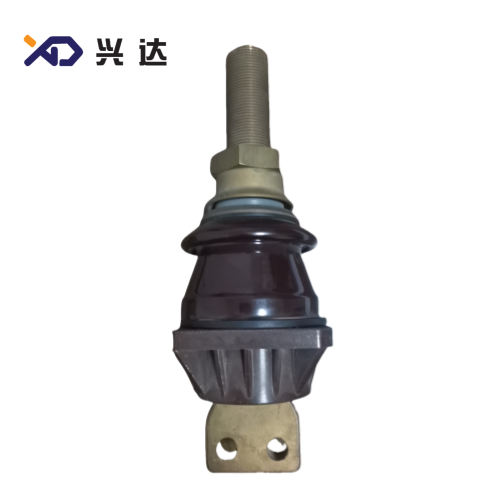
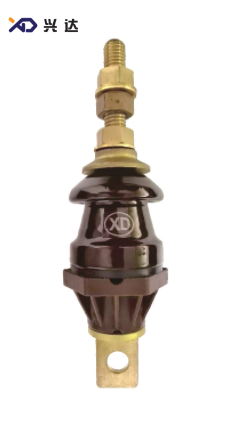
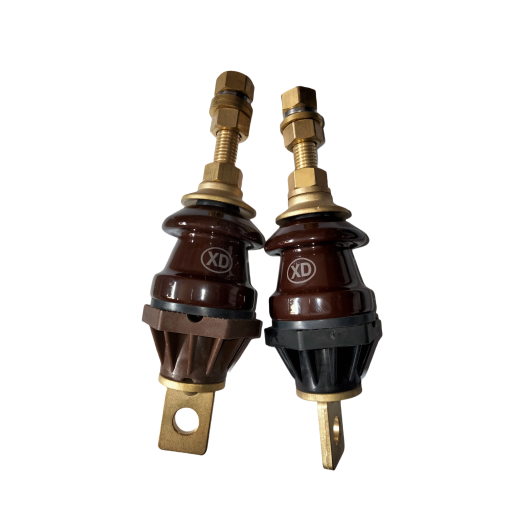
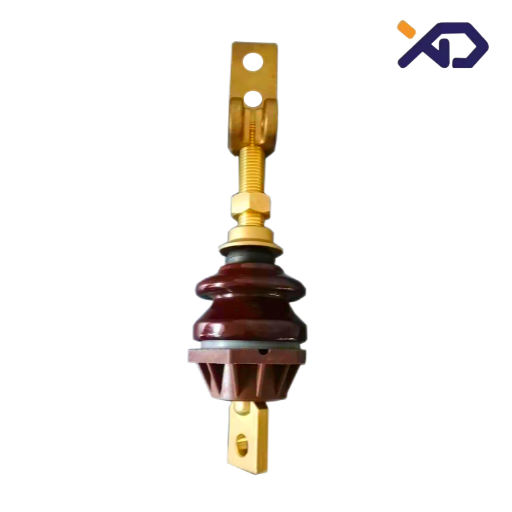
What Is EN Transformer Bushing and How Does It Work
An EN transformer bushing is a vital insulating and conductive component exclusively engineered for liquid-filled transformers that comply with European standard specifications. As a key through-wall fitting installed on transformer metal tanks, it serves two irreplaceable core purposes: enabling safe passage of high-voltage live conductors through grounded equipment enclosures and maintaining complete electrical insulation and airtight sealing throughout long-term operation. Widely adopted in European low and medium voltage power distribution systems, EN transformer bushings are foundational accessories for distribution transformers, industrial transformers, and new energy step-up transformers. Understanding the definition, structure, and working mechanism of EN transformer bushings is essential for electrical engineers, equipment maintenance personnel, and power project contractors to ensure reliable transformer operation.
Unlike generic transformer bushings, EN transformer bushings follow unified European industrial standards for dimensional tolerance, insulation performance, structural design, and testing criteria. This full standardization delivers excellent cross-brand interchangeability, eliminating the compatibility issues common with non-standard bushings. Whether used for outdoor overhead grid transformers or indoor compact box-type transformers, EN-standard bushings maintain consistent performance, making them the preferred choice for mainstream European power infrastructure projects.
Basic Definition of EN Transformer Bushing
An EN transformer bushing is a composite insulated through-component designed specifically for oil-immersed transformers. It integrates current conduction, high-voltage insulation, mechanical fixation, and oil-proof sealing into a single modular unit. The EN designation confirms that every design parameter, including mounting size, creepage distance, voltage withstand level, and current carrying capacity, adheres to unified European electrical industry regulations.
A complete EN transformer bushing consists of three major functional parts. The air-side external terminal connects to external power circuits for current input and output. The central high-conductivity copper core acts as the continuous current-carrying medium. The outer insulating housing and integrated sealing flange separate live parts from the grounded transformer tank and isolate internal transformer oil from the external atmospheric environment. Every structural detail is standardized to adapt to the operating habits and environmental conditions of European power grids.
Core Working Principle of EN Transformer Bushing
The working logic of an EN transformer bushing can be broken down into three coordinated functional systems: electrical conduction, high-voltage insulation protection, and environmental sealing isolation. These three systems work synchronously to support safe and stable transformer operation under rated load and complex outdoor conditions.
First, the central copper conductor undertakes stable power transmission. Strictly manufactured according to EN standard cross-sectional specifications, the conductor carries rated operating current and short-term overload current from internal transformer windings to external grid lines. The standardized conductor size effectively suppresses excessive temperature rise during continuous operation, avoiding thermal aging, local overheating, and contact burnout faults that plague non-standard bushings. This ensures long-term stable current transmission without power loss or performance degradation.
Second, the insulating housing realizes uniform electric field distribution and high-voltage insulation. Most EN transformer bushings adopt glazed porcelain or high-performance epoxy resin insulation with standardized multi-skirt structures. In operating status, the transformer tank is fully grounded, while the internal conductor carries high voltage. The structured insulating skirts extend the surface creepage distance, disperse concentrated electric fields at the tank penetration position, and inhibit corona discharge and partial discharge. This core working principle allows the bushing to resist interference from humid air, floating dust, and light pollution, effectively preventing surface flashover and ground short circuit faults that cause transformer outages.
Third, the flange sealing system achieves full environmental isolation. The standardized mounting flange is equipped with high-density sealing gaskets. After standardized bolt fastening, it forms a completely sealed barrier at the transformer tank opening. This structure locks internal insulating oil to prevent leakage and oil seepage, while blocking external moisture, dust, and corrosive gas from invading the transformer interior. By protecting internal winding insulation from damp erosion and pollution accumulation, the bushing greatly extends the overall service life of the transformer.
Common Types and Structural Advantages
EN transformer bushings are mainly divided into porcelain type and epoxy resin type according to insulation materials, each with targeted application scenarios. Porcelain EN bushings feature excellent UV resistance, anti-pollution performance, and stable dielectric strength, ideal for long-term outdoor exposed installation. Epoxy resin EN bushings are lightweight, impact-resistant, and crack-proof, perfectly suited for indoor compact transformers and cable box-type equipment.
In terms of terminal structure, mainstream types include flag terminals, threaded stud terminals, and plug-in terminals. All terminal designs comply with unified EN electrical contact standards, ensuring low contact resistance and stable connection. The diversified structural classification enables EN transformer bushings to adapt to various wiring modes and installation spaces, covering almost all medium-voltage transformer application scenarios in European power grids.
Applicable Operating Conditions
Standard EN transformer bushings are engineered to adapt to mainstream European climatic and grid conditions, with a working temperature range of -40°C to 55°C, coping with extreme cold winters and high-temperature summers. Standard models apply to altitudes below 1000 meters. For high-altitude, coastal salt-fog, and heavy industrial pollution areas, extended creepage customized EN bushings are available to enhance insulation and anti-fouling capabilities.
Conclusion
In short, an EN transformer bushing is a standardized, multi-functional core component that guarantees the safe operation of European standard oil-immersed transformers. It works by combining stable current conduction, uniform electric field insulation, and reliable sealing isolation to solve key technical pain points in transformer penetration insulation and environmental protection. Its standardized design, stable performance, and strong environmental adaptability make it an indispensable part of modern European power distribution systems. Mastering its working principle and structural characteristics helps equipment users select, install, and maintain bushings scientifically, reducing equipment failure rates and improving the overall stability of power distribution networks.
Categories
Contact Us
Contact: Tianjin Delda Trading Co., Ltd
WhatsApp: +86 13662056855
Tel:
E-mail: solomon20210701@tjxddq.com
Add: Unit‑101, Workshop 3, Bozhong Automobile Industrial Park, No.5 Xianghui Road, Intersection of Xianghui Road and Gaoying Road, Beizhakou Town, Jinnan District, Tianjin, China