EN Bushing
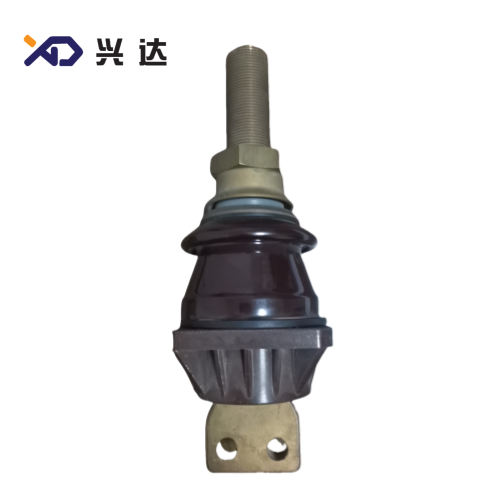
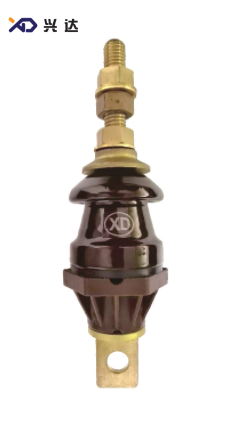
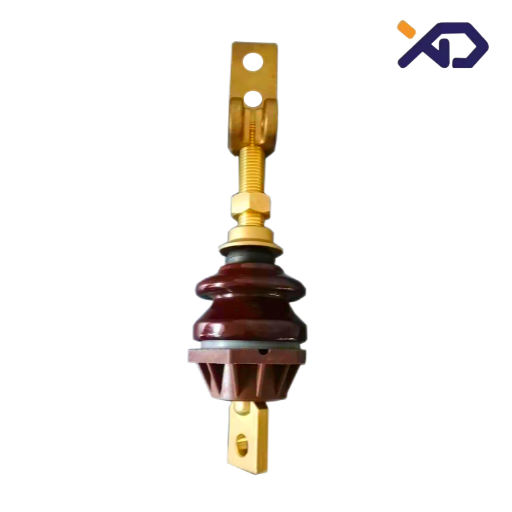
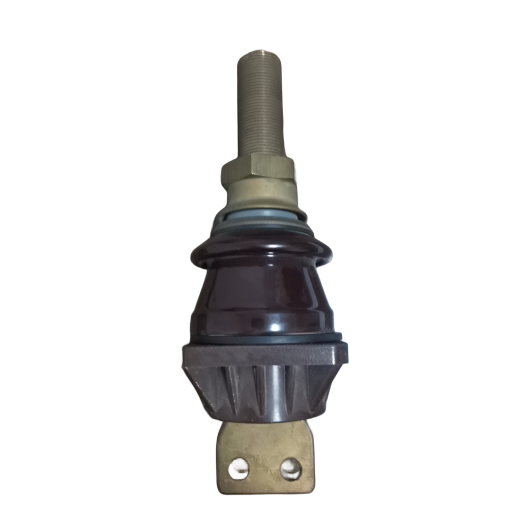
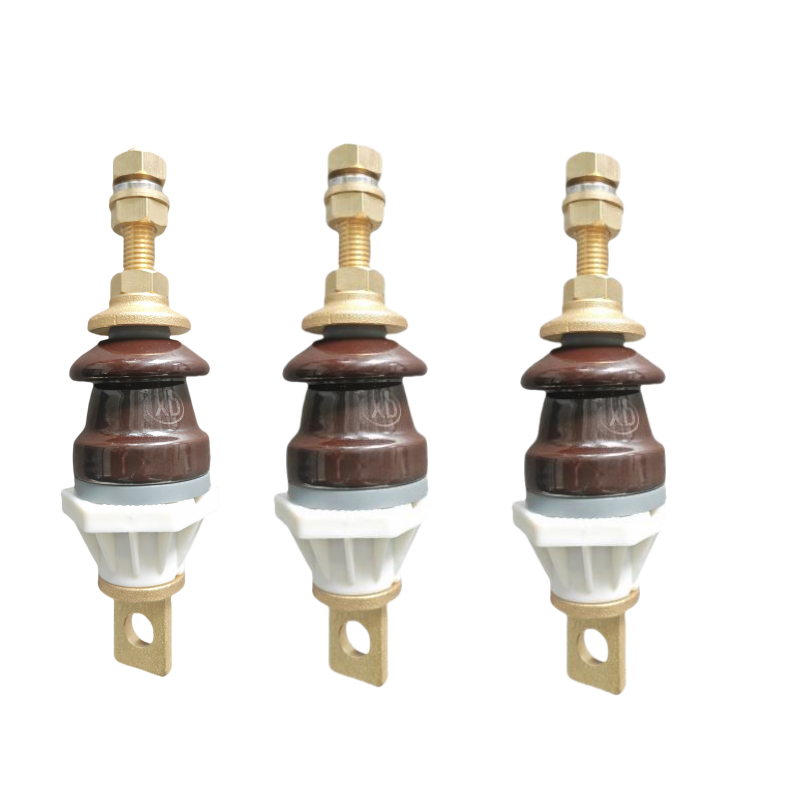
EN Transformer Bushing Installation Guidelines and Best Practices
Proper installation of EN transformer bushings is one of the most critical factors that determine the long-term safety, insulation performance, and operational stability of oil-immersed transformers. Even high-quality standard EN transformer bushings may suffer from oil leakage, partial discharge, surface flashover, terminal overheating, and premature aging if installed improperly. As standardized European-grade components, EN transformer bushings require strict compliance with unified installation procedures, torque standards, and environmental adaptation rules. Following professional EN transformer bushing installation guidelines and industry best practices helps engineering teams avoid common construction errors, reduce post-installation failure risks, and extend the service life of medium and low voltage transformers in European power distribution systems.
Unlike non-standard bushings with flexible installation requirements, EN transformer bushings feature unified flange dimensions, sealing structures, and mounting tolerances. Their standardized design aims to achieve full interchangeability and consistent operational performance, which can only be realized through standardized installation processes. This article covers pre-installation inspection, step-by-step installation procedures, torque control, sealing requirements, wiring specifications, and field best practices for all mainstream EN transformer bushing types, including porcelain bushings and epoxy resin bushings.
Pre-Installation Inspection and Preparation
Before mounting any EN transformer bushing, comprehensive pre-installation checks are essential to eliminate defective components and unqualified installation conditions. First, inspect the overall appearance of the bushing. For porcelain EN transformer bushings, workers must check for surface cracks, glaze peeling, chipping, and scratch damage, as these defects will destroy the original anti-pollution and insulation performance. For epoxy resin EN transformer bushings, inspect for surface bubbles, deformation, and resin peeling caused by transportation extrusion.
Second, verify core technical parameters to ensure model matching. Confirm the bushing’s rated voltage, rated current, creepage distance, and terminal type fully match the transformer’s design requirements and local grid environmental conditions. Special attention should be paid to projects located in coastal salt fog areas, industrial pollution zones, or high-altitude regions, where extended creepage EN transformer bushings must be adopted instead of standard models.
Third, check supporting accessories and mounting surfaces. The sealing gasket, fastening bolts, and pressure rings must be complete and free of aging, deformation, or damage. The transformer tank mounting flange surface should be flat, clean, and free of welding slag, rust, and oil stains, ensuring a tight fit between the bushing and the tank body. In addition, all installation tools must be calibrated to guarantee accurate torque control during fastening.
Standard Step-by-Step Installation Process
The installation of EN transformer bushings follows a fixed industrial process to ensure uniform stress, reliable sealing, and stable insulation performance. The first step is component cleaning. Wipe the bushing insulation surface, flange sealing surface, and transformer tank mounting hole thoroughly with clean, lint-free cloths to remove dust, oil, and residual impurities. Any dirt remaining on the sealing interface will cause uneven compression and eventually lead to transformer oil leakage.
The second step is gasket positioning and bushing penetration. Place the qualified sealing gasket evenly on the flange mounting surface, ensuring no offset or distortion. Slowly insert the EN transformer bushing into the tank penetration hole, keeping the bushing vertical and avoiding friction and collision with the tank edge. Excessive tilt or forced penetration will scratch the insulation housing and damage the internal sealing structure.
The third step is symmetrical bolt fastening. Fasten the flange bolts in a cross symmetrical sequence instead of one-way sequential tightening. This method ensures uniform pressure distribution on the entire flange and gasket, preventing local gaps that cause oil seepage. All EN standard bushings have clear torque requirements; over-tightening will crack the porcelain or resin housing, while under-tightening will result in poor sealing and loose fixation.
The fourth step is internal and external wiring fixation. For flag terminal and threaded stud terminal EN transformer bushings, install copper connecting lugs and fasten terminal nuts with standard torque values to minimize contact resistance. For plug-in type EN transformer bushings, ensure the cable connector is fully inserted and locked in place to avoid poor contact during long-term operation. After wiring, reserve reasonable cable slack to prevent tensile stress on the bushing terminal.
Key Installation Specifications and Technical Standards
Several core technical specifications must be strictly implemented during EN transformer bushing installation. First is torque standardization. Uniform flange bolt torque ensures consistent sealing compression, which is the core of anti-leakage installation. Second is verticality control. The installed bushing must maintain an upright state; excessive inclination will change the surface electric field distribution and increase the risk of partial discharge and flashover.
Third is environmental construction restrictions. EN transformer bushing installation is prohibited in heavy rain, thick fog, and strong dust weather. Humid and polluted environments may cause tiny moisture and dust particles to adhere to the insulation surface or enter the transformer tank, burying long-term insulation failure risks. For outdoor construction, temporary waterproof and dustproof protection measures must be arranged.
Fourth is anti-stress protection. External cables must not apply excessive lateral tension or vertical pressure to the bushing terminal. For heavy overhead cables, independent cable supports are required to share the load and prevent mechanical deformation and internal conductor displacement of the bushing.
Industry Best Practices for Long-Term Operation
To maximize the operational life and stability of EN transformer bushings, power equipment engineers have summarized mature best practices suitable for European standard transformer projects. First, implement layered quality inspection. Complete visual inspection, sealing check, and wiring quality verification immediately after installation, and conduct an overall power-on test before putting the transformer into operation.
Second, classify protection according to bushing types. Outdoor porcelain EN transformer bushings should be kept clean and free of long-term floating pollutant accumulation. Indoor epoxy resin bushings should avoid long-term strong ultraviolet irradiation and mechanical impact to prevent resin aging and cracking.
Third, establish regular maintenance mechanisms. After installation and commissioning, conduct regular infrared temperature measurement and surface cleaning. Timely check for gasket aging, bolt loosening, and surface pollution, and replace aging accessories periodically to avoid secondary failures.
Fourth, standardize replacement and retrofitting. When replacing old bushings with new EN transformer bushings, always adopt full-standard matching models to ensure dimensional interchangeability. Do not modify the flange structure or mounting hole casually, as non-standard modification will destroy the original insulation and sealing design.
Common Installation Mistakes to Avoid
Many common transformer operation faults originate from neglected installation details. Asymmetric bolt fastening, insufficient or excessive torque, gasket offset, unclean sealing surfaces, and overstretched cables are the most typical errors. These irregular operations will lead to oil leakage, terminal overheating, unbalanced electric field distribution, and continuous partial discharge, gradually damaging the transformer’s internal insulation system and causing unexpected power outages.
Conclusion
Standardized installation is the core premise for EN transformer bushings to exert their standardized performance and interchangeability advantages. Strictly following complete pre-installation inspection, standardized mounting procedures, precise torque control, and professional wiring specifications can effectively avoid most bushing-related equipment faults. Combined with daily protection and maintenance best practices, standardized installation greatly improves the safety, stability, and service cycle of European standard oil-immersed transformers, providing reliable basic guarantees for long-term stable operation of medium and low voltage power distribution networks.
Categories
Contact Us
Contact: Tianjin Delda Trading Co., Ltd
WhatsApp: +86 13662056855
Tel:
E-mail: solomon20210701@tjxddq.com
Add: Unit‑101, Workshop 3, Bozhong Automobile Industrial Park, No.5 Xianghui Road, Intersection of Xianghui Road and Gaoying Road, Beizhakou Town, Jinnan District, Tianjin, China