National Standard Bushing
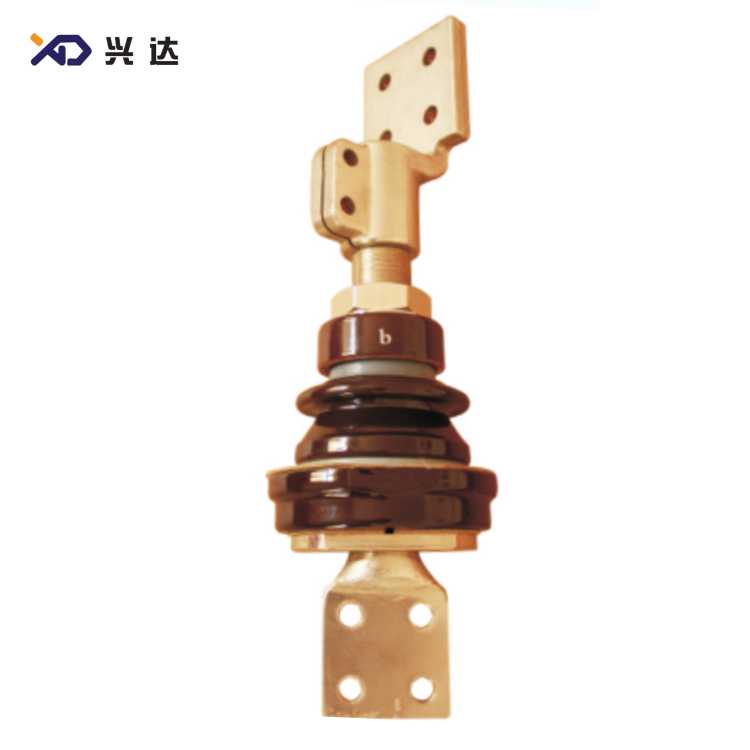
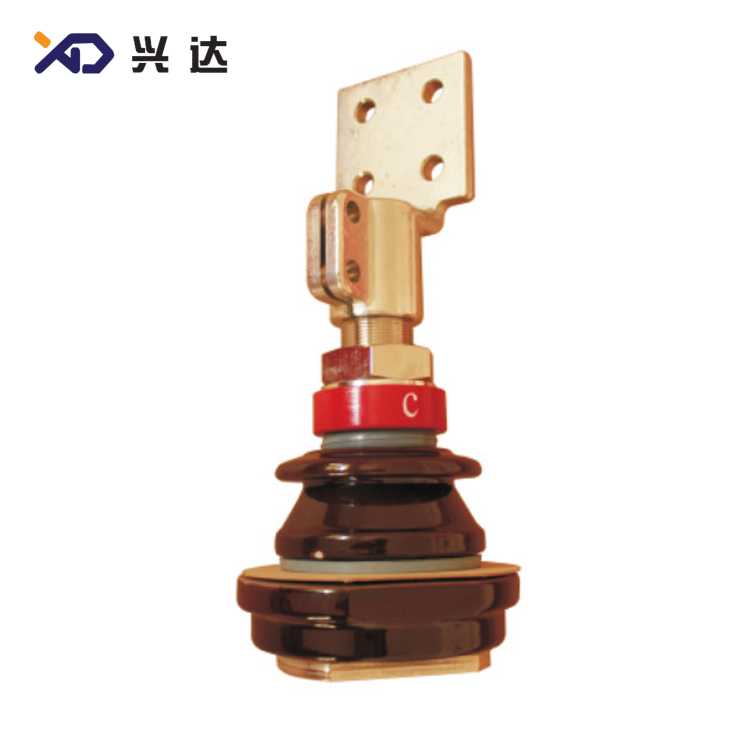
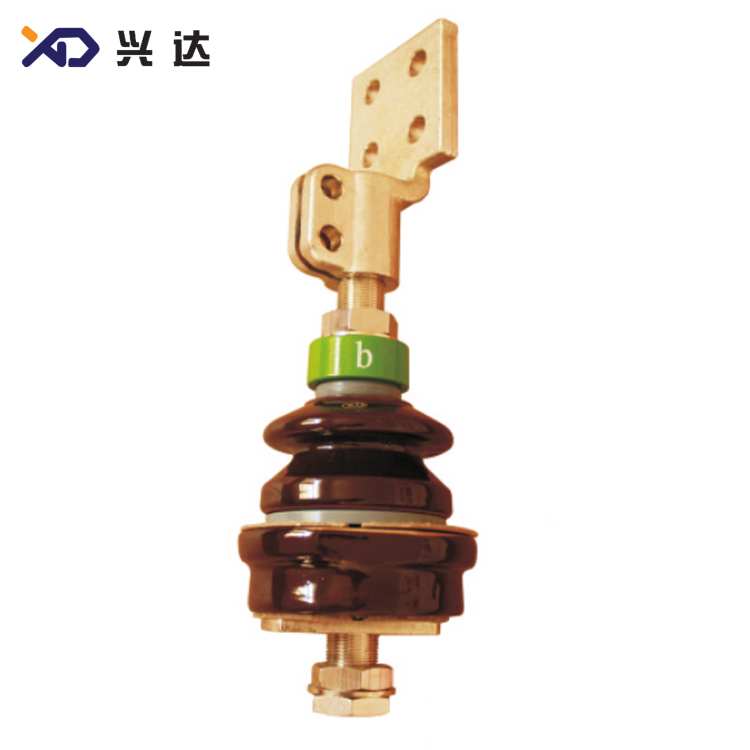
National Standard Bushing – GB/T 4109 Transformer Bushing for Power Equipment
National Standard Bushing: GB Standard Transformer Bushing Complete Guide
1. Definition of National Standard Bushing
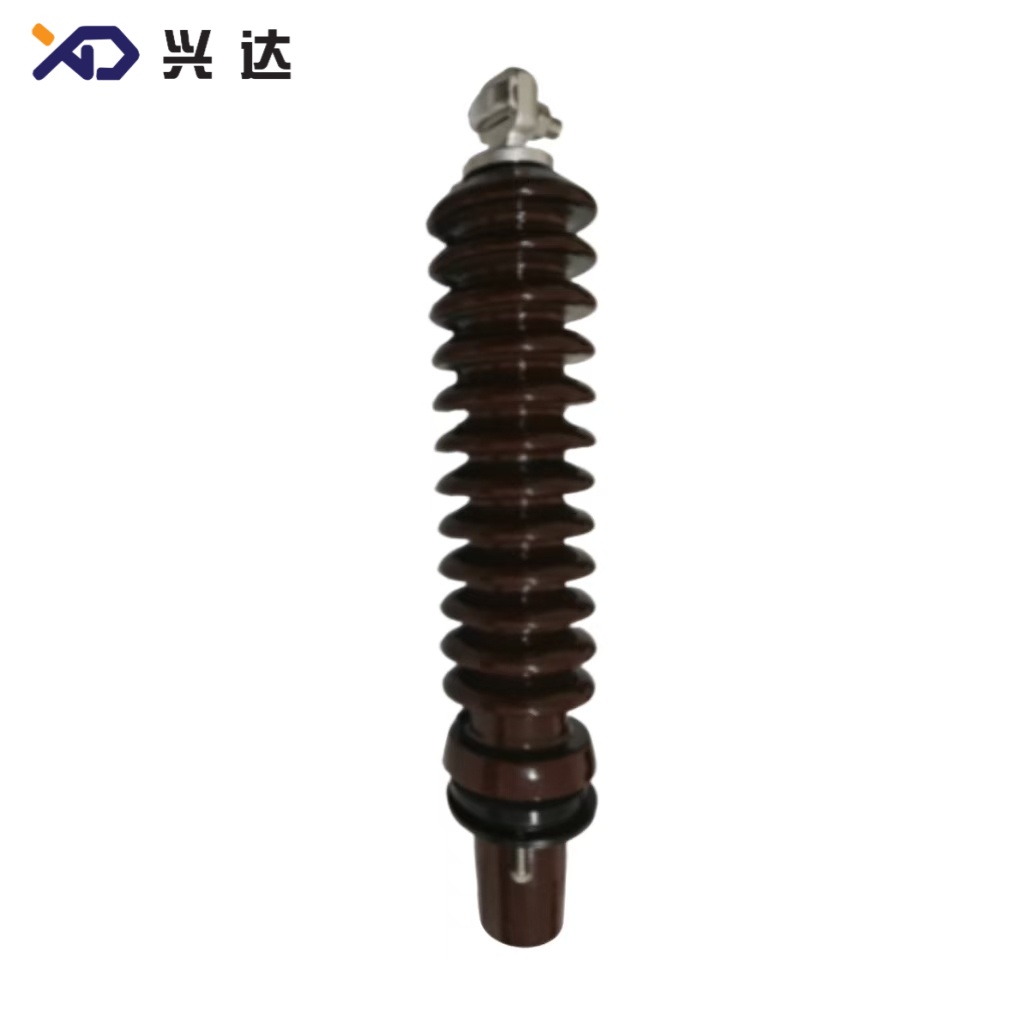
National standard bushing generally refers to high voltage insulated bushings manufactured and tested in accordance with Chinese national standards (GB standards), mainly applied on power transformers, distribution transformers, shunt reactors and other high voltage electrical equipment. The primary governing specification for national standard bushing is GB/T 4109-2022 Insulated bushings for alternating voltages above 1 000 V, which is the latest valid national standard replacing GB/T 4109-2008.
A national standard transformer bushing enables live conductors to penetrate the grounded transformer tank while maintaining stable electrical insulation. Most medium and high voltage national standard bushings adopt capacitance graded condenser core structure to homogenize internal electric field distribution. All electrical performance, mechanical strength, sealing structure and test items must strictly meet GB/T 4109 mandatory and recommended requirements. For ultra-high voltage applications such as 1000kV AC systems, national standard bushings also follow supplementary specifications like GB/T 24840-2018.
Many global transformer purchasers select national standard bushings for overseas projects. The GB/T 4109 standard is formulated based on IEC 60137 framework with localized technical adjustments adapted to grid operating conditions in China and Asia. National standard bushings can achieve cross-market compatibility after verifying parameter matching with international standards.
2. Main National Standard Specifications for Transformer Bushings
Multiple GB standards regulate the design, manufacturing, testing and acceptance of national standard bushings. The most widely applied standards are sorted in the table below.
| Standard Code | Full English Title | Effective Date | Core Coverage | Main Application Scope |
|---|---|---|---|---|
| GB/T 4109-2022 | Insulated bushings for alternating voltages above 1 000 V | 01 Oct 2022 | General terms, rated parameters, type tests, routine tests, mechanical and dielectric requirements | All AC transformer bushings above 1kV, OIP, RIP, porcelain and composite bushings |
| GB/T 24840-2018 | Technical specification for bushings of 1000 kV AC system | 01 Feb 2019 | Extra-high voltage bushing special requirements, pollution resistance, temperature rise, partial discharge | UHV national standard transformer bushings for 1000kV power grid |
| GB 1094.3-2003 | Power transformers Part 3: Insulation levels, dielectric tests and external clearances in air | 01 Jan 2004 | Transformer insulation coordination, matching requirements between transformer and bushing | Supporting parameter matching for national standard transformer bushing sets |
| DL/T 1539-2016 | Selection guide to the high-voltage bushings for power transformers (reactors) | 01 Jun 2016 | Engineering selection principles, environment adaptation, installation requirements | Power plant and substation procurement of national standard bushings |
3. Classification of National Standard Transformer Bushings
According to GB/T 4109-2022 classification rules, national standard bushings are divided by internal insulation medium and external housing material. Each type has fixed technical indicators defined under national standard requirements.
| National Standard Bushing Type | Insulation Structure | Voltage Range (GB Standard) | Key GB Standard Performance Features | Typical Application |
|---|---|---|---|---|
| GB Standard OIP Bushing (Oil-Impregnated Paper) | Condenser core with kraft paper impregnated transformer oil | 12kV ~ 1200kV | Strict limits on oil leakage, tan δ value, moisture content inside insulation; mandatory tightness routine test | Large power transformers, conventional substations, EHV transmission projects |
| GB Standard RIP Bushing (Resin-Impregnated Paper) | Vacuum epoxy resin impregnated crepe paper, dry type core | 24kV ~ 800kV | No flammable liquid; GB standard allows arbitrary mounting angle; strict partial discharge control | Urban indoor substations, wind farm transformers, fire-restricted zones |
| GB Standard Porcelain Housing Bushing | Porcelain shed external insulation, OIP or solid insulation core | ≤550kV | Defined minimum creepage distance corresponding to pollution class; anti-tracking requirements | Distribution transformers, medium voltage industrial transformers |
| GB Standard Composite Housing Bushing | Silicone rubber composite sheds, matched with OIP/RIP core | 36kV ~ 550kV | GB standard requires hydrophobicity verification, UV aging test for composite materials | Coastal salt fog areas, heavy chemical pollution industrial zones |
4. Key Technical Parameters of National Standard Bushing (GB/T 4109-2022)
All national standard bushings must clearly mark rated parameters on the nameplate and pass corresponding standard tests. The core specification indicators are summarized below.
| Parameter Item | GB Standard Regulation | Common Standard Value Options |
|---|---|---|
| Rated Highest Voltage (Um) | Standard voltage series defined in GB/T 4109 | 12kV, 24kV, 40.5kV, 72.5kV, 126kV, 252kV, 362kV, 550kV |
| Rated Continuous Current | Standard current series for transformer loading | 250A, 630A, 1250A, 2000A, 3150A, 4000A, 6300A |
| Lightning Impulse Withstand Voltage (BIL) | Standard insulation level matching GB 1094.3 | 95kV ~ 1800kV peak |
| Partial Discharge Magnitude | Routine test mandatory item | ≤5pC under specified test voltage |
| Dielectric Dissipation Factor (tan δ) | Measured at ambient temperature during factory inspection | OIP bushing ≤0.007; RIP bushing ≤0.005 |
| Pollution Class & Creepage Distance | Five pollution levels defined; minimum creepage distance mandatory | Class I, II, III, IV; extended creepage for coastal and mining sites |
| Allowable Mounting Angle | Different limits for oil-filled and dry-type national standard bushings | OIP: ≤30° vertical tilt; RIP: any mounting angle |
| Short-Time Thermal Withstand Current | Short-circuit current withstand capability for specified duration | 2s, 4s standard duration options |
5. Test Requirements for National Standard Bushing
GB/T 4109-2022 divides bushing tests into three categories: type tests, routine tests and special tests. Only bushings passing all required tests can be recognized as qualified national standard products.
5.1 Type Tests (Batch Certification Tests)
Type tests are carried out on prototype samples before formal mass production. Items include:
Power frequency dry and wet withstand voltage test
Lightning impulse and switching impulse withstand test
Temperature rise and thermal stability test
Cantilever mechanical load withstand test
Long duration AC voltage withstand test
Sealing tightness test for liquid-filled national standard bushings
5.2 Routine Tests (Every Single Unit Factory Test)
Each national standard bushing must complete routine tests before delivery:
Visual inspection and dimension check
Capacitance and tan δ measurement
Partial discharge detection
Dry lightning impulse withstand test
Test tap insulation test for condenser-type bushings
Tightness and pressure resistance test
5.3 Special Tests
Special tests are conducted according to purchaser requirements, including low temperature adaptability test, seismic test, composite material aging test and altitude adaptation verification.
6. GB Standard Bushing vs IEC Standard Bushing
Many international purchasers compare national standard bushing with IEC 60137 bushing. The main similarities and differences are listed for engineering reference.
| Comparison Item | National Standard Bushing (GB/T 4109-2022) | IEC Standard Bushing (IEC 60137:2017) |
|---|---|---|
| Standard Origin | Developed based on IEC 60137 with localized revision | International baseline standard formulated by IEC |
| Basic Technical Framework | Consistent with IEC on insulation, test types and parameter series | Global universal baseline specification |
| Environmental Adaptation | Added stricter requirements for heavy pollution, high altitude and large temperature variation | General global environment baseline; altitude correction formula provided |
| Oil-Impregnated Bushing Requirements | Additional monitoring requirements for oil moisture and dissolved gas | Basic sealing and tightness requirements |
| Composite Bushing Test Items | Mandatory hydrophobicity and anti-pollution flashover verification | Composite material requirements as optional clauses |
| Global Recognition | Widely accepted in Asia, Middle East, Africa and Latin America projects | Recognized in European, Southeast Asian and global tender projects |
7. Application Fields of National Standard Transformer Bushing
National standard bushings are widely adopted in domestic and overseas power infrastructure projects:
Extra-high voltage and ultra-high voltage AC transmission transformers
Onshore and offshore wind power step-up transformers
Solar power station box-type transformers
Industrial power supply transformers for chemical plants, steel mills and mines
Traction transformers for high-speed railway and urban rail transit
Energy storage station medium voltage transformers
Power distribution networks and rural grid upgrading projects
When exported to overseas markets, national standard bushings can be used for bidding after confirming whether project specifications accept GB standard or require dual certification meeting both GB and IEC standards.
8. Selection Guidelines for National Standard Bushing
Engineers and procurement teams shall evaluate the following factors to select suitable national standard bushings:
Confirm system rated voltage, rated current and short-circuit withstand parameters according to transformer design
Define operating environment: indoor/outdoor, altitude, pollution grade, ambient temperature range
Select insulation type: national standard OIP bushing or dry-type RIP bushing
Choose external housing: porcelain or silicone rubber composite housing
Clarify applicable standard: pure GB standard or dual GB & IEC compliance
Confirm installation conditions: mounting angle, flange dimension, cantilever load limit
Arrange factory acceptance test items in accordance with GB/T 4109 routine and type test clauses
9. Frequently Asked Questions
Q1: Can national standard bushing directly replace IEC standard bushing?
A: Direct replacement requires verification of flange dimensions, external insulation length, electrical parameters and mounting limits. Many national standard bushings are designed to meet both GB/T 4109 and IEC 60137 for cross-region interchange.
Q2: What is the service life of qualified national standard transformer bushing?
A: Under normal operation and regular maintenance following GB standard guidance, the design service life reaches 25–30 years. Service life will be shortened under frequent overload, heavy pollution or sustained moisture invasion.
Q3: Does GB/T 4109 apply to DC transformer bushings?
A: GB/T 4109 mainly covers AC national standard bushings. DC converter transformer bushings need additional technical specifications agreed between buyer and supplier.
Categories
Contact Us
Contact: Tianjin Delda Trading Co., Ltd
WhatsApp: +86 13662056855
Tel:
E-mail: solomon20210701@tjxddq.com
Add: Unit‑101, Workshop 3, Bozhong Automobile Industrial Park, No.5 Xianghui Road, Intersection of Xianghui Road and Gaoying Road, Beizhakou Town, Jinnan District, Tianjin, China