National Standard Bushing
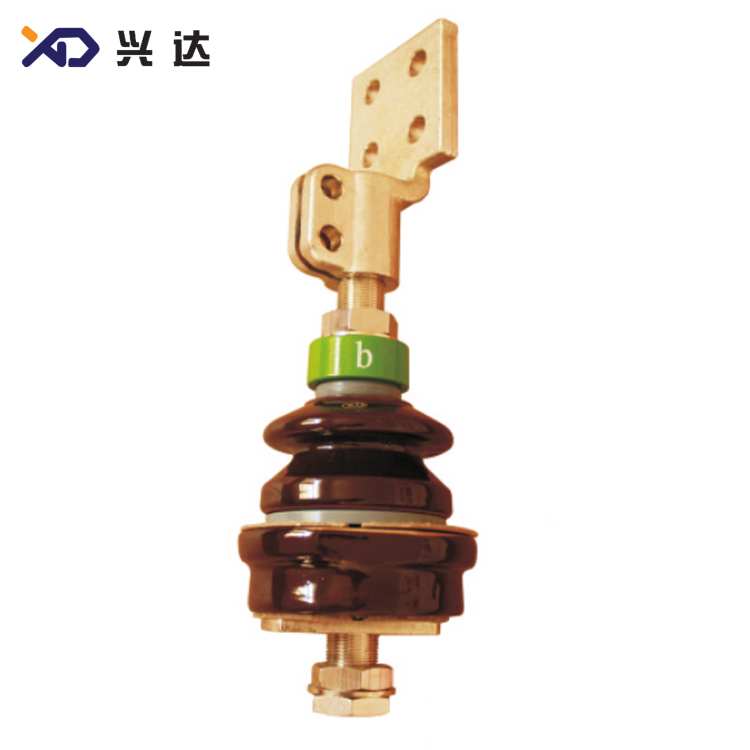
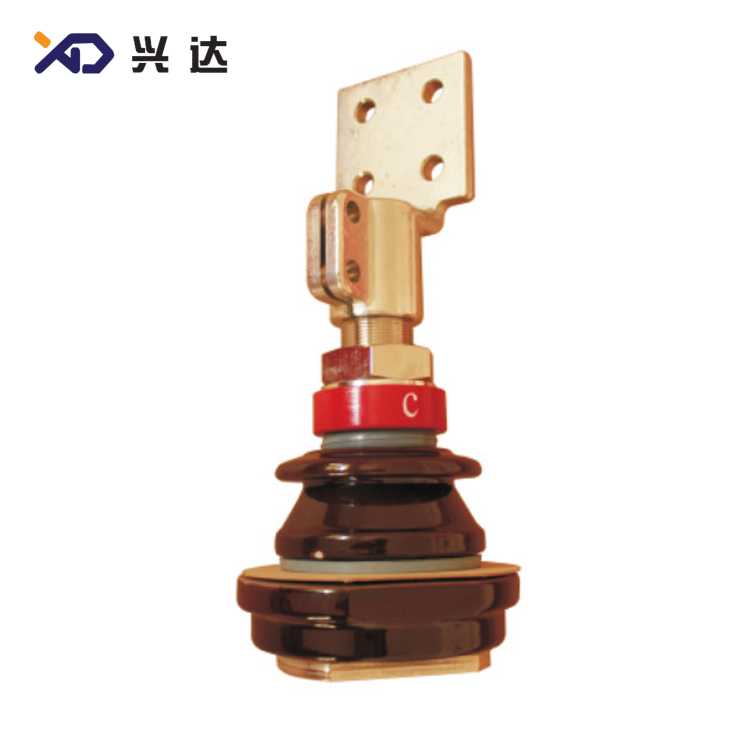
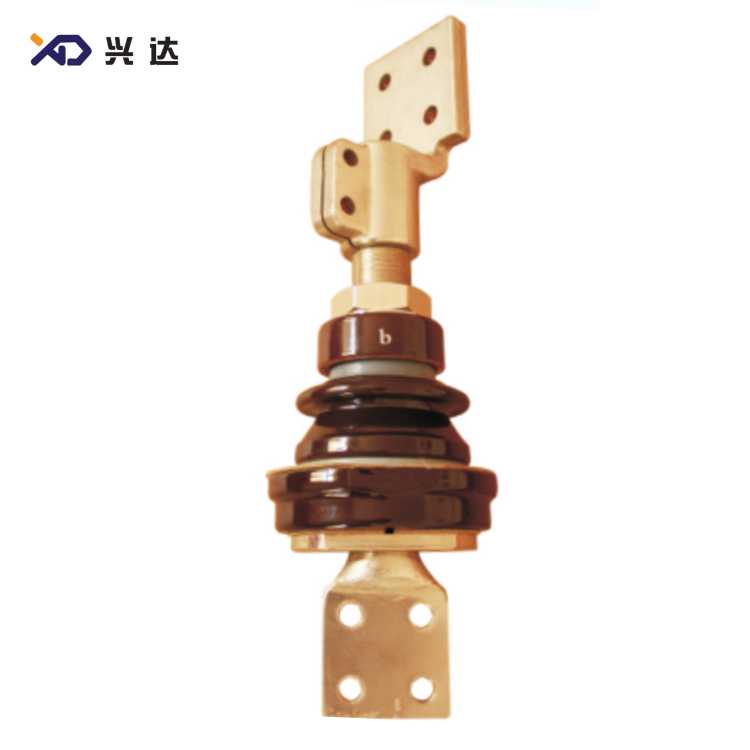
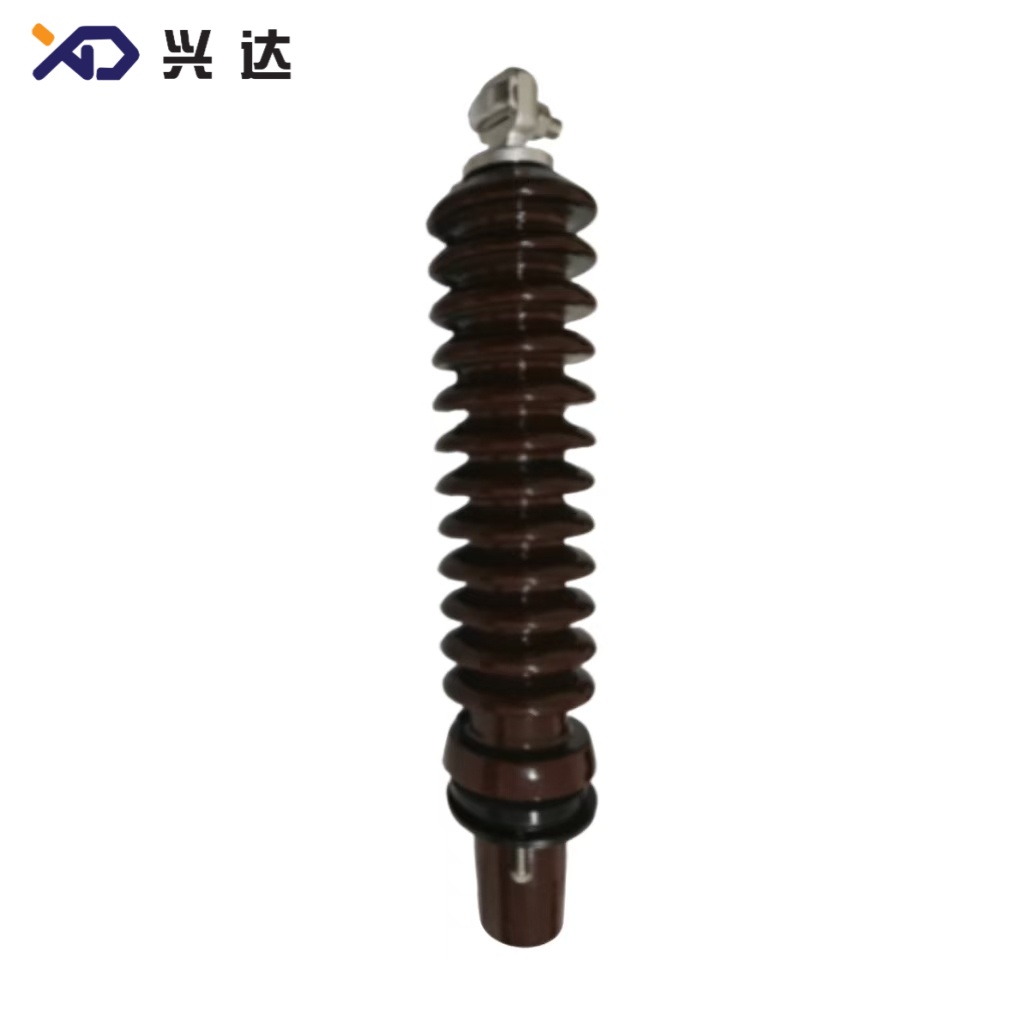
National standard bushing, Transformer Bushing with Copper Rod
National Standard Bushing: Complete Technical Guide for Transformer Application
What is National Standard Bushing
Pure porcelain national standard bushing is widely adopted for 10kV and lower‑class transformers. This construction runs a copper‑alloy conductive rod through hollow porcelain housing, and air serves as the internal insulation medium inside porcelain cavity. For higher‑voltage classes, composite‑insulated national standard bushing solutions are selected according to pollution grade and site altitude requirements.
Core Structure of National Standard Bushing
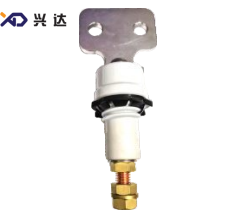
- Conductive Rod Assembly: Responsible for load‑current conduction. Material selection strictly follows standard specifications. H59 / H62 brass and high‑grade red copper are mainstream raw materials for conductive rods and terminals. Thicker conductive rods deliver higher current‑carrying capacity; thinner rods can adopt relatively lower‑grade copper alloys to control cost. Nuts and flat washers mostly use H54 brass alloy. Different voltage and current grades require different terminal configurations: units rated 24kV and above are equipped with brass terminals, while 12kV and 20kV variants usually adopt red‑copper terminals for lower‑current scenarios.
- Porcelain Insulator (Porcelain Shell): Provides external insulation. Two critical technical parameters apply here: creepage distance and dry arcing distance. Creepage distance refers to the curved surface path along porcelain sheds between two live metal fittings; dry arcing distance means the straight air clearance across insulating housing. Larger creepage distance brings higher anti‑pollution and higher withstand‑voltage capability.
- Sealing Rubber Components: Prevent transformer mineral oil leakage. Two dominant elastomer materials are applied: nitrile rubber (NBR) with premium oil‑resistant performance, not suitable for long‑term direct sunlight exposure; acrylate rubber (ACM), which performs much better for outdoor UV and ozone aging conditions.
Fastener Hardware (Nuts, Washers, Terminal Plate): Provide clamping preload for assembly. High‑voltage and low‑voltage national standard bushing follow different nut‑washer quantity combinations to maintain stable compression on sealing gaskets under temperature fluctuation.
Material & Specification Reference Table
Table 1: Conductive Rod Diameter vs Rated Current for National Standard Bushing
| Conductive Rod Diameter (mm) | Rated Continuous Current Range (A) | Common Application Scenario |
|---|---|---|
| 12 | 300‑315 | Low‑current low‑voltage national standard bushing |
| 16 | 400‑630 | 35kV high‑voltage national standard bushing, medium‑current distribution transformer |
| 20 | 600‑630 | Medium‑current low‑voltage side |
| 24 | 800‑1250 | Medium‑high current transformer secondary side |
| 30 | 1000‑1250 | Heavy‑duty distribution transformer |
| 33 | 1250 | Standard 1250A national standard bushing |
| 38 | 1600‑2000 | Large‑capacity power distribution equipment |
| 42 (small disc) | 2000 | High‑current national standard bushing |
| 42 (large porcelain disc) | 2000‑3150 | Extra‑heavy‑current output |
| 48 | 3000‑3150 | Industrial large‑capacity transformer |
| 52 | 4000 | Ultra‑high‑current transformer outgoing terminal |
| 56 | 4000‑5000 | Special heavy‑duty power equipment |
Practical note: For national standard bushing installation, welding connection for lead wires is generally acceptable for current below 1200A; many engineering practices recommend keeping welding‑applied current below 600A for extra operational safety margin.
Table 2: Fastener Configuration Rules for National Standard Bushing
| Bushing Classification | Rod Diameter Specification | Hardware Configuration | Terminal Requirement |
|---|---|---|---|
| High‑voltage national standard bushing | 12 / 16 / 20 mm | 3 nuts + 3 washers (contains one thick lock nut) | Terminals required for 24kV and above |
| Low‑voltage national standard bushing | 12 /16 /20 mm | 5 nuts +5 washers (contains one thick lock nut) | Normally no terminal fitted |
| Low‑voltage national standard bushing | 24 / 30 / 33 mm | 3 nuts +3 washers + special shims | Custom terminal upon request |
| Low‑voltage national standard bushing | ≥42 mm | 1 nut +1 washer + special shims (nut is thick lock nut) | Heavy‑current terminal mandatory |
Table 3: Sealing Material Comparison for National Standard Bushing
| Sealing Material | Oil Resistance | UV / Ozone Resistance | Best Application | Limitation |
|---|---|---|---|---|
| Nitrile Rubber (NBR) | Excellent | Poor | Indoor transformer, sheltered installation | Avoid long‑term direct sunlight exposure |
| Acrylate Rubber (ACM) | Very Good | Excellent | Outdoor, coastal salt‑fog environment | Higher cost than NBR |
Bushing Marking Code Definition
- D: Single‑body porcelain insulation (solid porcelain bushing). Most widely used national standard bushing for distribution transformers below 35kV.
- F: Composite porcelain insulation, with additional internal insulation layer.
- W: Anti‑pollution type national standard bushing, optimized shed profile for heavy‑pollution site.
L: Wall‑through type bushing structure, applied for special tank‑penetrating installation conditions.
Key Engineering Principles for National Standard Bushing Selection
- Voltage & Creepage Distance Matching: Higher operating voltage needs longer creepage distance on porcelain housing. If national standard bushing works in coastal, industrial heavy‑pollution regions, select W‑marked anti‑pollution variant with extended creepage path. Dry arcing distance must satisfy lightning impulse withstand voltage requirement for the whole transformer system.
- Conductive Rod Cross‑Section and Current: Larger cross‑section (thicker conductive rod) delivers higher continuous current capacity. A general rule: high‑voltage side normally carries relatively low current, so conductive rod diameter is smaller; low‑voltage secondary side outputs large current, thus thicker conductive rod is adopted. Transformer rated current can be calculated by basic power formula:
High‑side rated current = Transformer capacity ÷ 1.732 ÷ High‑side rated voltageLow‑side rated current = Transformer capacity ÷ 1.732 ÷ Low‑side rated voltageThe calculated current value shall be the reference baseline to pick corresponding national standard bushing current rating, with 10%‑20% safety margin reserved for overload conditions.
- Altitude and Environment Adaptation: For installation altitude above 1000 m, enhanced national standard bushing with larger clearance and creepage distance should be chosen, as air dielectric strength drops at high altitude.
Mechanical Assembly Rules: National standard bushing is designed for vertical installation. If inclined mounting is necessary, the tilt angle should not exceed 30 degrees; otherwise cantilever load capacity will decrease and sealing performance may be affected.
Pure Porcelain vs Composite National Standard Bushing
Disadvantages: Higher procurement cost; polymer outer housing requires regular aging assessment for long‑term outdoor running.
Common Failure Causes of National Standard Bushing
- Oil leakage: The most frequent fault. Root causes include aging sealing rubber, uneven tightening torque on nuts, scratch damage on sealing contact face during assembly.
- Surface flash‑over: Usually triggered by insufficient creepage distance for pollution class, dust or salt contamination accumulated on porcelain sheds. W‑type anti‑pollution national standard bushing is recommended for such scenarios.
- Over‑heating at connection point: Mismatched conductive‑rod current rating, loose terminal nut torque, poor contact surface finish will cause local overheating, accelerating rubber seal aging.
Mechanical crack: Impact during transportation, excessive cantilever force from external cable connection will produce invisible crack on porcelain insulator, leading to potential insulation breakdown risk.
Summary
Categories
Contact Us
Contact: Tianjin Delda Trading Co., Ltd
WhatsApp: +86 13662056855
Tel:
E-mail: solomon20210701@tjxddq.com
Add: Unit‑101, Workshop 3, Bozhong Automobile Industrial Park, No.5 Xianghui Road, Intersection of Xianghui Road and Gaoying Road, Beizhakou Town, Jinnan District, Tianjin, China