Product
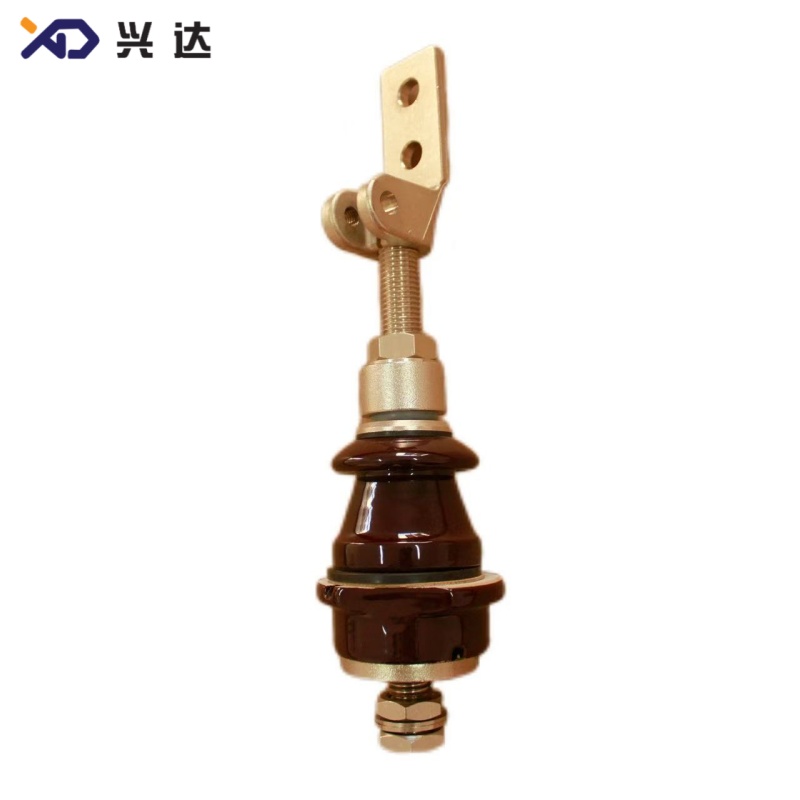
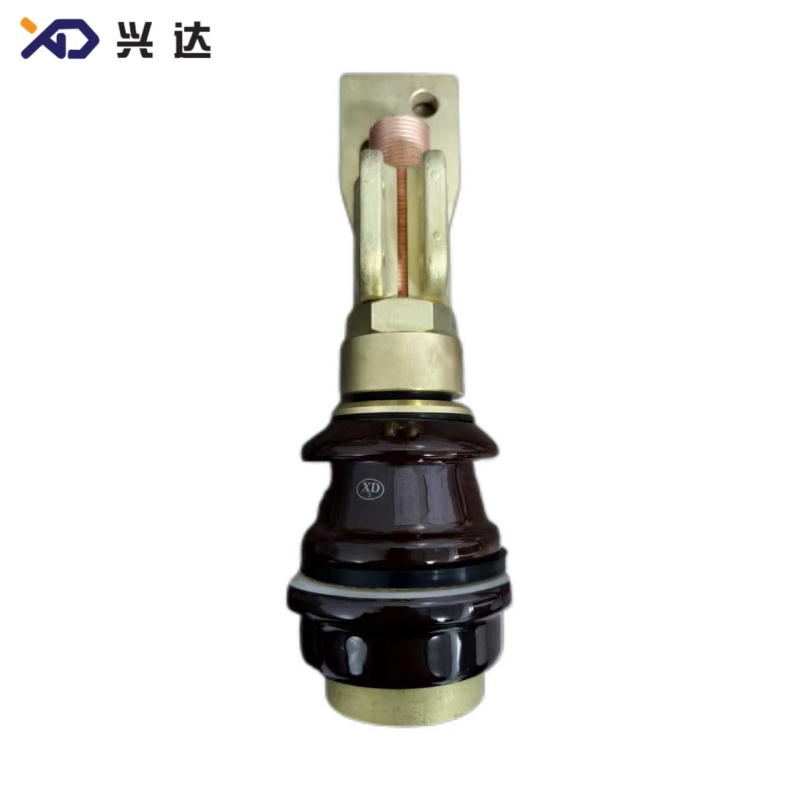
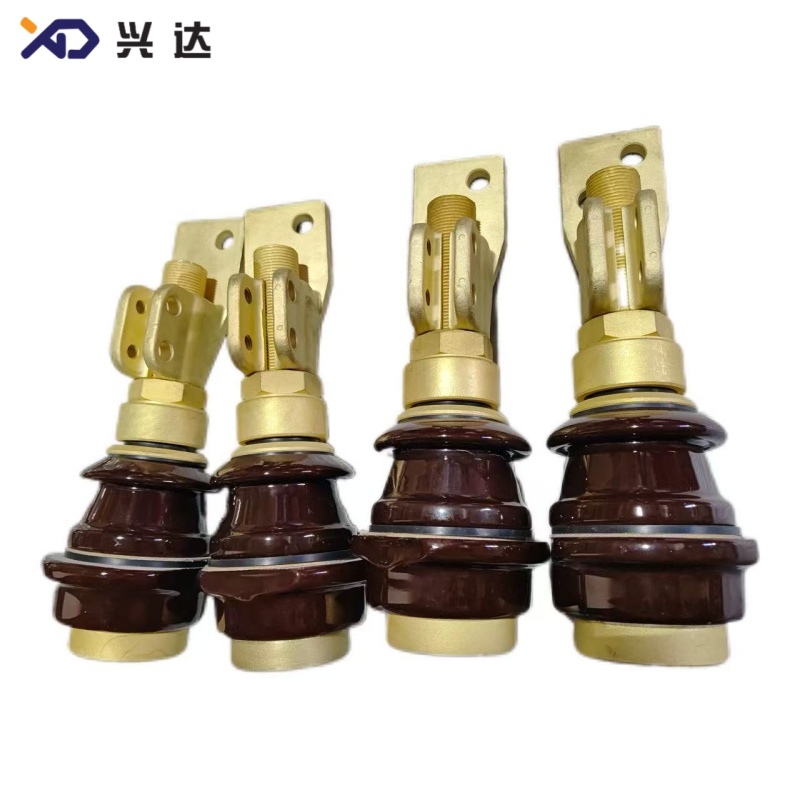
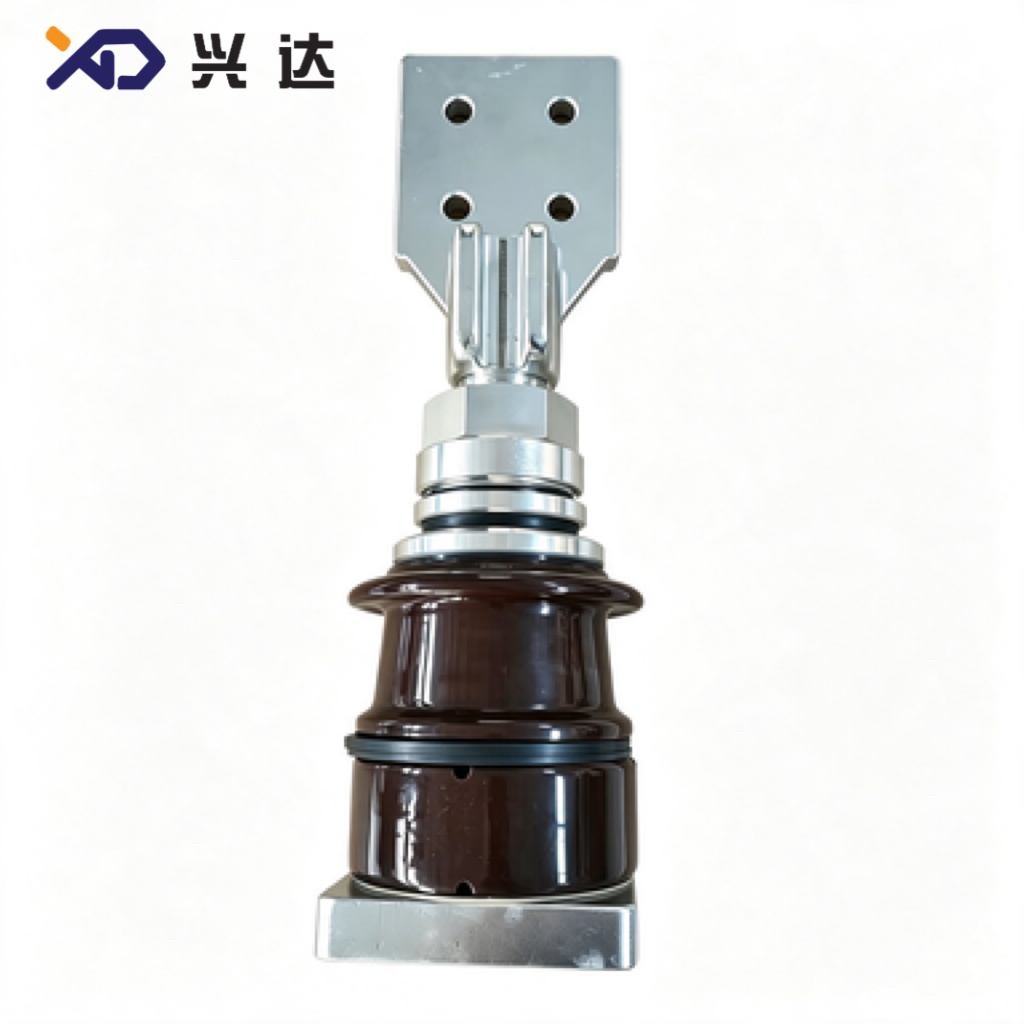
High‑Quality EN Bushing for Power Transformer Equipment
Understanding EN Bushing: Complete Guide for Transformer Insulation Components
Introduction
EN bushing serves as one of the core insulating components widely deployed inside power transformers and distribution electrical equipment. As a standard‑compliant insulating bushing manufactured following European EN industrial standards, this component creates a safe isolation barrier between energized conductors and transformer metal tank housing. Without properly engineered EN bushing, high‑voltage current cannot pass through transformer enclosure walls safely, and the whole power system will face risks of short‑circuit, leakage current and unexpected equipment breakdown.
In modern power transmission and distribution networks, transformers operate under variable load cycles, temperature fluctuation and outdoor environmental exposure. Selecting well‑matched EN bushing directly influences transformer service life, operational stability and maintenance frequency. Many electrical engineers and procurement specialists search for technical parameters, performance advantages and common specification ranges of EN bushing when sourcing transformer spare parts or designing new power‑related projects. This article covers core definitions, key benefits, main technical specifications, installation notes and application scenarios of EN bushing to support technical reference and product selection work.
What is EN Bushing?
EN bushing refers to transformer bushing manufactured in accordance with European EN‑series electrical safety and performance standards. It is a hollow or solid insulating assembly that allows live electrical conductors to penetrate grounded metal surfaces of transformers. Its main function is electrical insulation: it stops high‑voltage electric current from flowing to the transformer metal shell while mechanically fixing the conductive rod passing through the tank wall.
Different from general‑purpose transformer bushing without standard constraints, EN bushing must pass strict testing items defined in EN standards, covering insulation resistance, partial discharge level, temperature resistance, mechanical strength and environmental aging resistance. These standardized testing requirements make EN bushing highly interchangeable for transformer repair, retrofit and new‑build projects across power‑related industries.
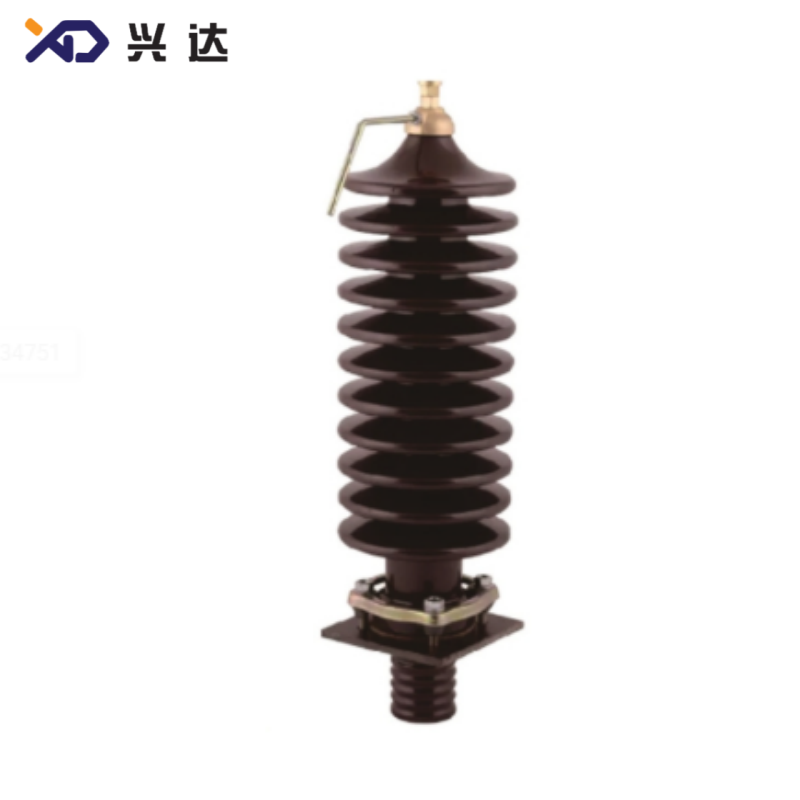
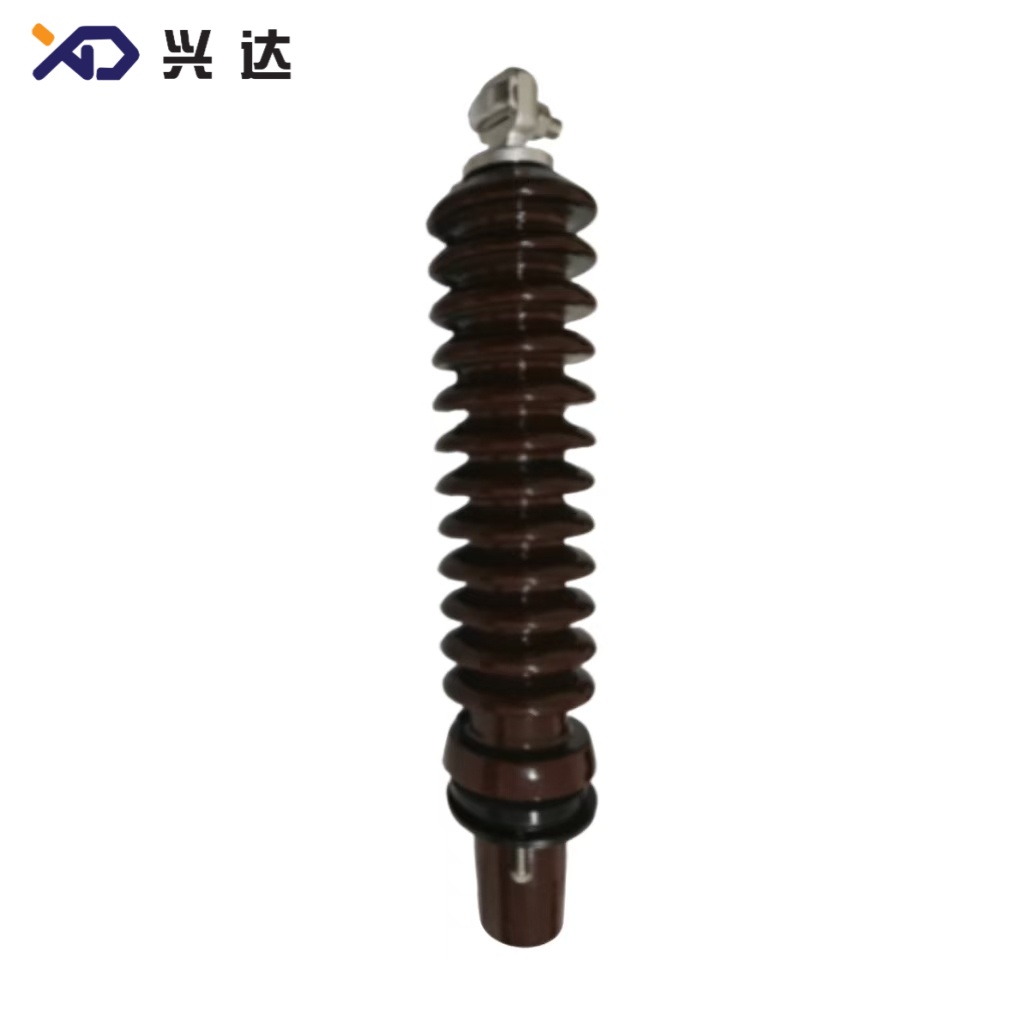
The main structural parts of standard EN bushing include insulating core, conductive through‑rod, sealing assembly, mounting flange and external weather‑proof housing. Each structural unit undertakes different tasks. The insulating core bears the main high‑voltage insulation task. The mounting flange offers mechanical connection points onto transformer tank. Sealing structures prevent transformer oil leakage and stop moisture and dust from entering the inner transformer cavity. Weather‑resistant outer housing protects internal insulation materials against UV radiation, rain and airborne pollutants in outdoor service environments.
Core Advantages of EN Bushing
Using standard‑compliant EN bushing brings multiple practical benefits for transformer operation and power network running. These advantages explain why EN bushing gains wide adoption in distribution stations, industrial power workshops and grid‑connected transformer projects.
- Standardized InterchangeabilityAll qualified EN bushing follows unified dimension and performance rules from European EN standards. When old transformer bushing suffers damage during operation, maintenance teams can replace worn‑out units with compatible EN bushing without heavy modification on transformer tank structure. Standardized sizes cut down replacement cycle and lower spare‑part management difficulty for power asset operators.
- Stable High‑Voltage Insulation PerformanceEN bushing goes through formal partial discharge and high‑voltage withstand tests. Under rated working voltage, it keeps low leakage current and restricts partial discharge value within allowed ranges. Stable insulation helps avoid flash‑over accidents caused by insulation failure, protecting transformers and surrounding power‑grid facilities.
- Good Environmental AdaptabilityQualified EN bushing resists temperature cycling, humidity, UV exposure and light chemical corrosion. It works steadily both for indoor‑installed transformers and outdoor‑type power transformers exposed to changing weather conditions. Anti‑aging properties extend component service cycle and reduce frequent part replacement demands.
- Reliable Sealing PerformanceWell‑built EN bushing adopts mature sealing structures. It effectively prevents transformer insulating oil from leaking out of tank penetration points. Meanwhile, it blocks outside moisture, dust and contaminant from getting inside transformer oil chamber. Keeping oil clean and dry is critical to maintain overall transformer insulation health.
- Wide Custom‑Compatible RangeEN‑standard framework supports multiple voltage classes, current ratings and mounting dimension options. Engineers can select off‑the‑shelf EN bushing for most conventional projects, or pick adjusted variants for special‑case transformer modification requirements.
General Technical Specification Table for EN Bushing
Note: The table lists common industry‑general parameter ranges for EN bushing. Actual values shall be confirmed according to specific project voltage‑level requirements.
表格
| Parameter Item | General Range for EN Bushing | Brief Description |
|---|---|---|
| Rated Voltage | 12kV‑145kV | Covers most distribution and medium‑high voltage transformer working levels |
| Rated Current | 250A‑3150A | Conductor passing‑through current capacity for different transformer power grades |
| Insulation Material Type | Composite / Porcelain | Composite material for light‑weight demand; porcelain type for heavy‑duty anti‑pollution scenarios |
| Mounting Method | Flange mounting | Standard tank wall installation for power transformer equipment |
| Ambient Working Temperature | ‑40℃ ~ +85℃ | Suitable for most global outdoor and indoor power‑station environments |
| Partial Discharge Level | ≤10pC under specified test voltage | Key indicator to judge long‑term insulation reliability |
| Applicable Medium | Oil‑immersed transformer | Designed for oil‑filled transformer main‑body penetration |
| Standard Compliance | Relevant EN electrical standards | Guarantees testing baseline and component interchangeability |
| Protection Level | IP65 / IP67 | Outer‑side dust‑proof and water‑proof performance for external surface |
Main Application Scenarios of EN Bushing
EN bushing is widely used in various types of oil‑immersed power transformers. Below are typical application fields in power‑related industries.
1. Distribution Power Transformers
Distribution transformers for urban and rural power supply are the largest‑volume application field for EN bushing. These transformers transfer medium‑voltage grid power down to low‑voltage usable power for factories, commercial buildings and residential communities. EN bushing is installed on transformer tank walls to bring high‑voltage and low‑voltage conductors through metal housing. Stable performance of EN bushing directly supports daily power supply reliability.
2. Industrial Plant Transformer Units
Large manufacturing workshops, chemical plants, mining facilities run heavy‑load industrial transformers. Such working sites may have dust, humidity and slight corrosive gas. EN bushing with good anti‑aging and sealing capacity fits these harsh‑condition industrial transformer applications, lowering unexpected shutdown risks caused by bushing failure.
3. Power Station Auxiliary Transformers
Inside thermal power stations, solar power stations and wind‑power booster stations, auxiliary transformers adopt EN‑standard bushing solutions. Power station equipment requires high‑safety standards. Standard‑tested EN bushing helps meet site‑level electrical safety specifications.
4. Transformer Repair and Retrofit Projects
A large number of old transformers in service need component renewal. When original bushing units age or show insulation defects, maintenance teams choose matching EN bushing as replacement parts. Thanks to standardized dimensions, retrofit work can be finished with minimum modification to existing transformer hardware.
Key Selection Factors for EN Bushing
When engineers and purchasers choose proper EN bushing for projects, several core factors should be evaluated to avoid mismatch problems.
First, confirm rated voltage and rated current. EN bushing must match the transformer’s actual working voltage and maximum operating current. If voltage or current grade is selected lower than practical working condition, over‑stress will accelerate insulation aging and bring safety hazards. Choosing overly high‑grade products will cause unnecessary cost waste.
Second, choose proper insulation material. Composite‑type EN bushing features lighter weight and good anti‑pollution performance, popular for outdoor distribution‑level transformers. Porcelain‑based EN bushing owns strong anti‑corrosion capability and long‑term stability, frequently used in heavy‑duty or heavily‑polluted industrial sites.
Third, check mounting dimension parameters. Flange size, through‑rod diameter and installation hole layout of EN bushing must fit the opening size on transformer tank. Unmatched mounting dimensions will lead to installation failure or poor sealing after assembly.
Fourth, evaluate local operating environment. For coastal locations with salt fog, or industrial zones with heavy dust pollution, users should select EN bushing with enhanced anti‑pollution grades. For extremely cold‑area projects, pay attention to low‑temperature material adaptability of selected EN bushing.
Installation & General Maintenance Guidance for EN Bushing
Even high‑quality EN bushing cannot keep good performance without correct installation and regular maintenance. Improper assembly or neglected inspection will trigger oil leakage, partial discharge and insulation degradation.
During installation, operators should strictly follow assembly requirements. Keep flange mounting surface flat and clean. Apply proper torque for flange bolts; over‑tight force may damage insulating body, while insufficient torque will result in poor sealing and oil leakage. Protect the outer insulating surface of EN bushing, avoid scratching, knocking or sharp‑object impact during whole installation process. Surface damage will become weak points for insulation breakdown in later operation.
In daily running status, regular visual inspection forms basic maintenance work. Maintenance staff should observe whether EN bushing outer surface has cracks, dirt accumulation, oil trace leakage or abnormal discoloration. Clean dust and pollutant deposits on outer surface periodically, especially for units running in heavy‑pollution areas. Heavy dirt build‑up on bushing surface may cause surface flash‑over under wet weather.
During transformer routine testing work, partial discharge test and insulation resistance test for EN bushing are recommended. These test items can discover hidden insulation aging problems before visible failure appears. Once abnormal test data is detected, relevant EN bushing shall be assessed and replaced in time, rather than continuing risky operation.
Do not carry out unauthorized modification on structure of EN bushing. Any cutting, drilling or component alteration will destroy original standardized performance and invalidate standard compliance. When replacement is needed, select standard‑qualified EN bushing with matching technical parameters.
Common Troubleshooting Notes for EN Bushing
In real‑world operation, several typical abnormal conditions may occur on EN bushing. Understanding these common phenomena helps field personnel make correct judgment.
Oil leakage around mounting flange is a frequent issue. Main reasons include insufficient bolt torque, aging sealing gaskets, or uneven installation contact surface. Corresponding handling measures involve re‑adjusting bolt torque, replacing aging sealing components and trimming uneven mounting surfaces.
Partial discharge exceeding normal value may stem from surface contamination, internal insulation material aging, or hidden tiny defects inside EN bushing. Clean outer surface first. If discharge value still cannot return to normal level after cleaning, the EN bushing should be evaluated for replacement.
Cracks on outer insulating housing usually come from mechanical impact, thermal stress or long‑term aging. Cracked EN bushing loses original protection and insulation capacity. Direct replacement is required, and repair is not recommended for safety consideration.
Conclusion
As a standardized insulating component for power equipment, EN bushing occupies an irreplaceable position in oil‑immersed transformer systems. Its standardized design, reliable insulation performance and strong environmental adaptability support stable operation for distribution networks, industrial power facilities and power‑station‑related transformers.
Project designers, procurement specialists and maintenance technicians need to clarify rated parameters, material types, mounting dimensions and on‑site environmental conditions when selecting EN bushing. Standard‑compliant product selection, correct installation steps and periodic inspection and maintenance work together maximize service life of EN bushing and reduce transformer‑related power‑grid failure risks. With the continuous development of global power‑grid construction, high‑performance standard‑series EN bushing will keep being a key focus for transformer‑component sourcing and technical research.
Categories
Contact Us
Contact: Tianjin Delda Trading Co., Ltd
WhatsApp: +86 13662056855
Tel:
E-mail: solomon20210701@tjxddq.com
Add: Unit‑101, Workshop 3, Bozhong Automobile Industrial Park, No.5 Xianghui Road, Intersection of Xianghui Road and Gaoying Road, Beizhakou Town, Jinnan District, Tianjin, China