Product
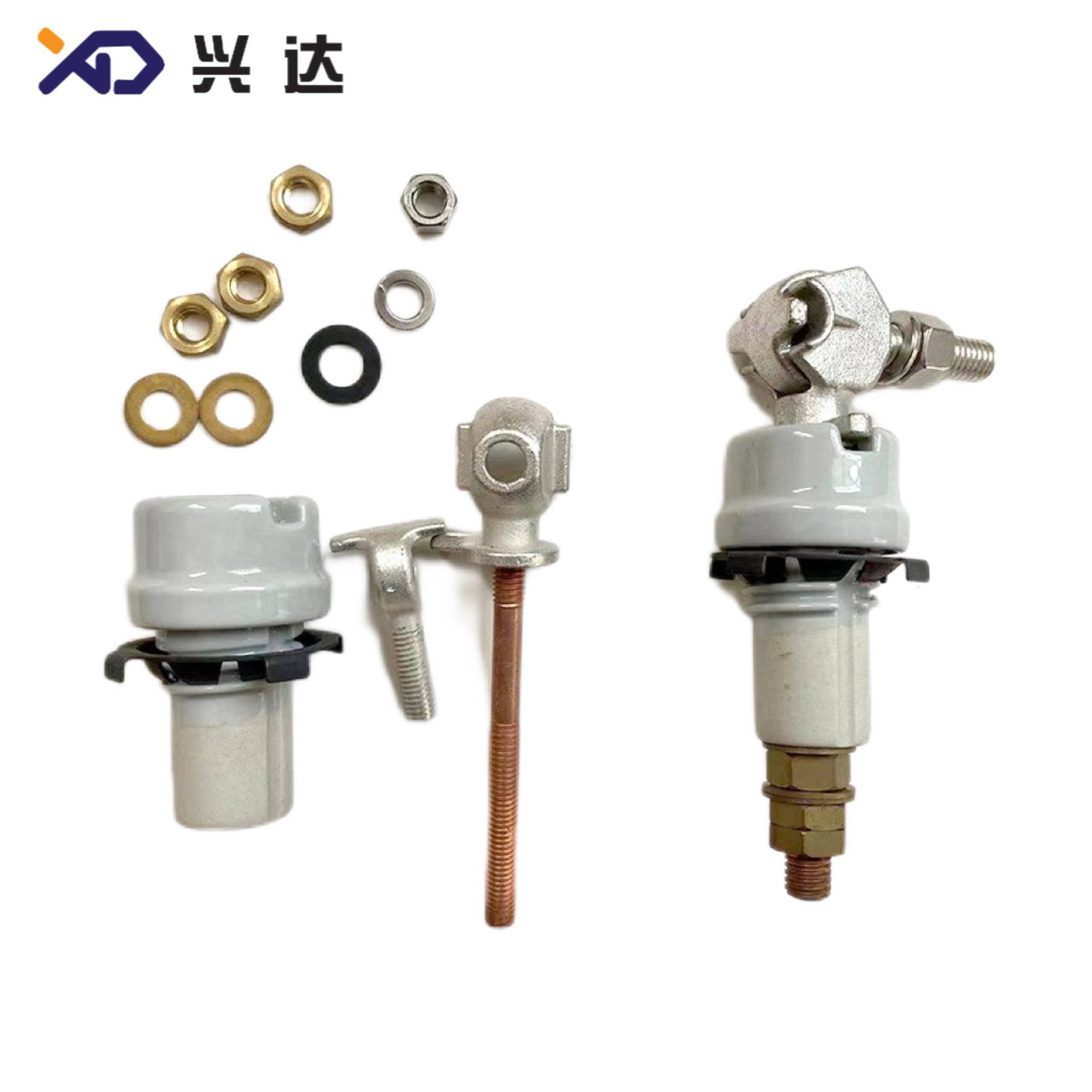
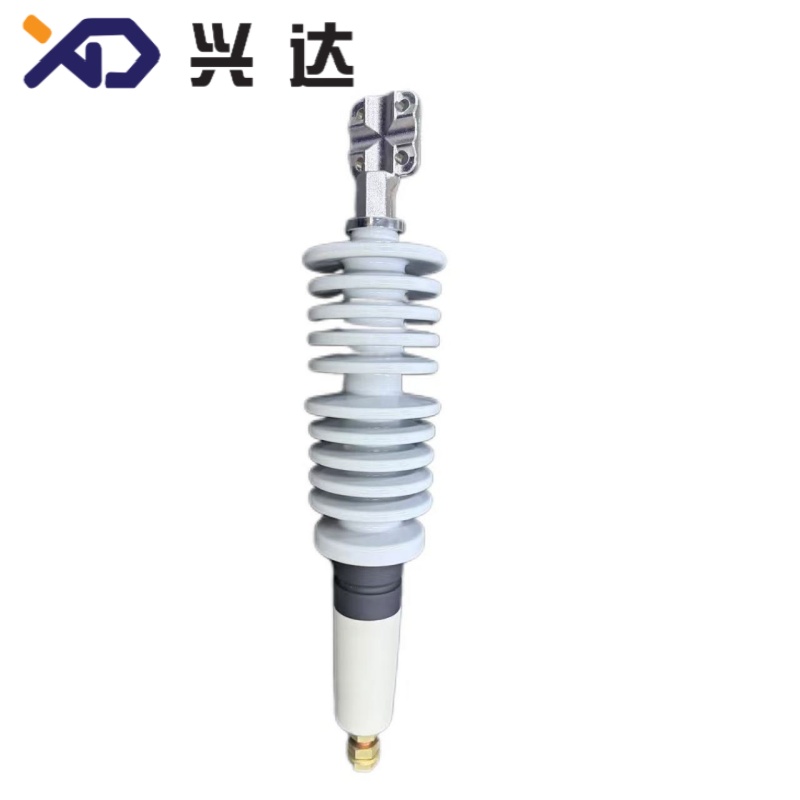
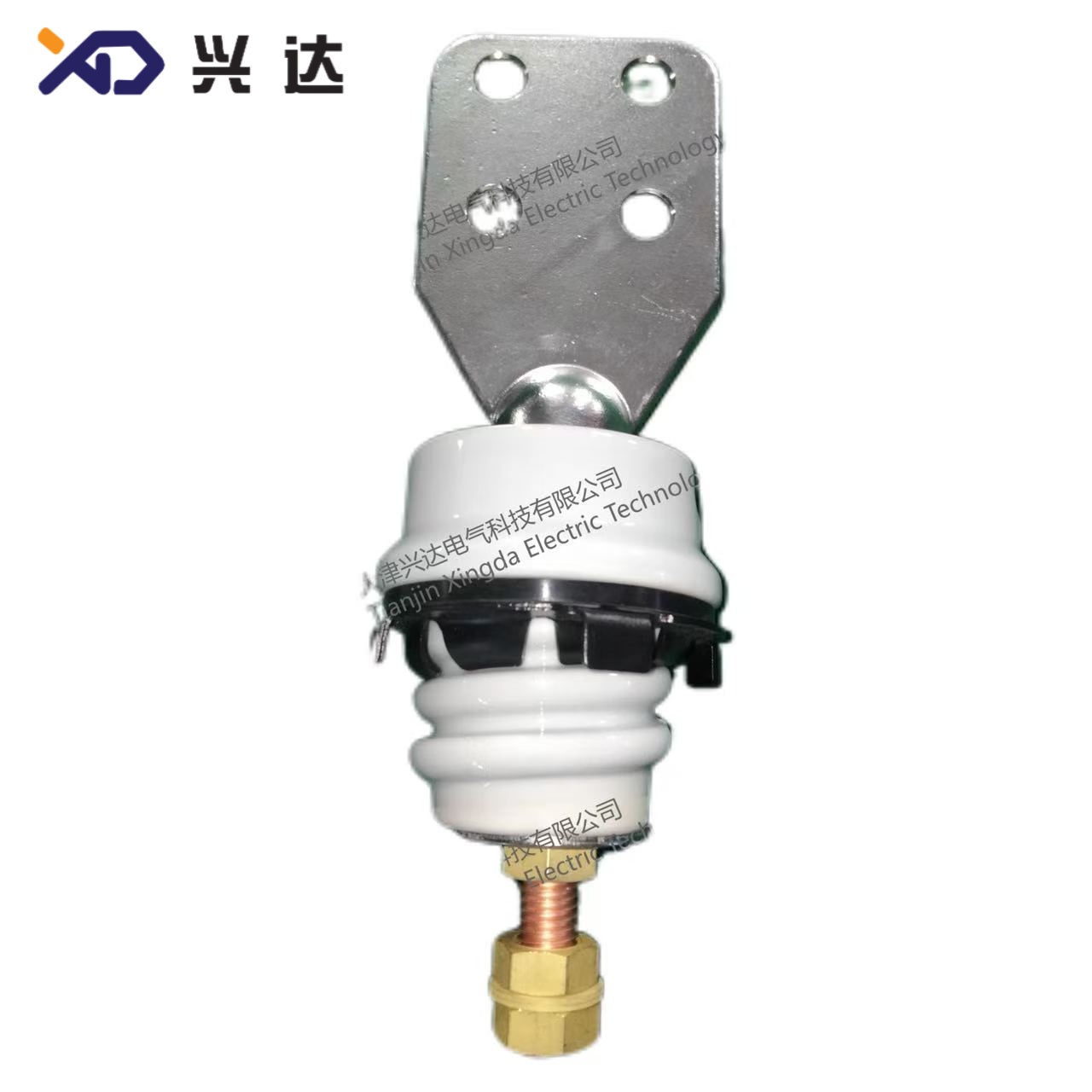
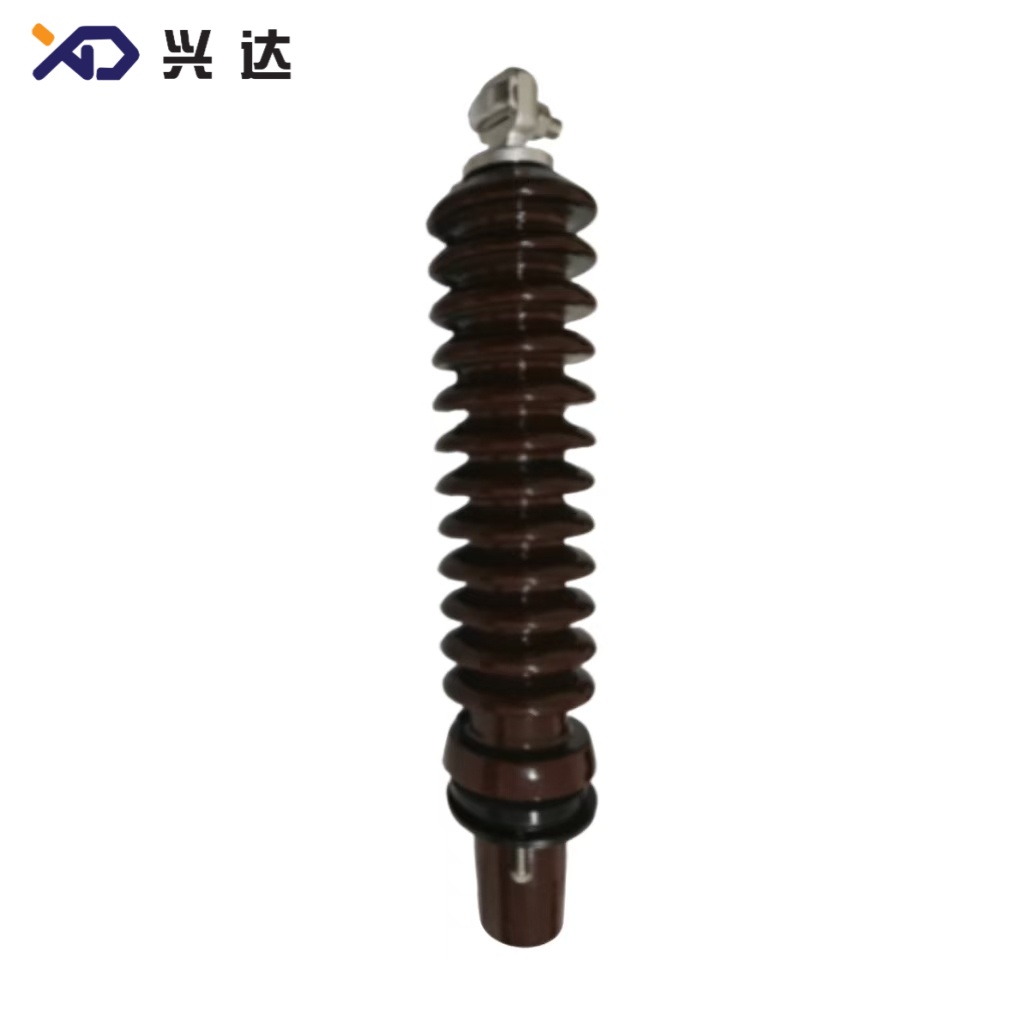
High‑Performance ANSI Bushing for Power Transformer Equipment
Understanding ANSI Bushing: A Complete Technical Guide for Transformer Insulation
Introduction
ANSI bushing is a critical insulating component widely adopted within North‑American power transmission and distribution infrastructure. Manufactured to comply with ANSI (American National Standards Institute) electrical specifications, this specialized hardware enables high‑voltage conductors to safely penetrate the grounded metal tank wall of oil‑immersed power and distribution transformers. Without properly engineered ANSI bushing, energized conductors cannot pass through transformer enclosures without creating risks of electric leakage, short‑circuit faults, flash‑over and catastrophic transformer failure.
Power grid operators, electrical contractors and transformer maintenance teams frequently source ANSI bushing for new‑build transformer projects, field retrofits and spare‑part replacement work. Transformers operating under North‑American grid standards face unique operating conditions: wide load fluctuation ranges, extreme seasonal temperature shifts, outdoor UV exposure, salt‑fog coastal environments and industrial airborne pollutants. The performance quality of ANSI bushing directly determines transformer uptime, service life and overall grid safety. This article delivers industry‑only technical knowledge covering core definitions, key performance benefits, standard specification ranges, application use‑cases, product selection guidelines, installation best practices and common troubleshooting advice for ANSI bushing. It serves as a reference resource for engineers, procurement specialists and maintenance technicians working with ANSI‑compliant power equipment.
What is ANSI Bushing?
ANSI bushing is a transformer insulating bushing manufactured to meet formal ANSI electrical performance and testing standards. It is an assembled insulating unit that creates physical isolation between live conductive rods and the earthed metal tank of transformers. Its core function is dual‑purpose: providing high‑voltage electrical insulation while offering mechanical support for conductors passing through transformer tank openings.
Unlike general‑purpose transformer bushing built without ANSI standard constraints, qualified ANSI bushing must pass a full set of standardized performance tests defined by ANSI standards. Mandatory testing items include power‑frequency withstand voltage test, partial discharge measurement, thermal cycle aging test, mechanical strength test, and environmental resistance evaluation. These unified testing protocols guarantee interchangeability for transformers built according to North‑American electrical norms.
A complete ANSI bushing assembly consists of several core structural components: inner insulating core, through‑going conductive rod, metal mounting flange, multi‑layer sealing gaskets, and outer weather‑proof insulator housing. Each part fulfills a dedicated functional role. The insulating core bears the primary high‑voltage insulation load. The mounting flange provides stable connection points to transformer tank surfaces. Sealing assemblies prevent transformer insulating oil leakage and block moisture, dust and contaminants from entering the transformer oil chamber. The outer housing protects internal insulation materials against outdoor environmental damage including UV radiation, rainfall, salt spray and industrial pollution.
Core Advantages of ANSI Bushing
Selecting ANSI‑compliant bushing brings measurable operational benefits for power transformers deployed within ANSI‑standard power networks. These practical strengths explain the widespread adoption of ANSI bushing across utility sites, industrial facilities and commercial power distribution projects.
- Standardized InterchangeabilityAll qualified ANSI bushing follows unified dimensional tolerance and performance benchmarks set by ANSI standards. When old or damaged bushing needs replacement during transformer maintenance, technicians can fit compatible ANSI bushing without extensive modification to existing transformer tank openings. Standardized dimensions shorten on‑site replacement time and simplify spare‑parts inventory management for power asset operators.
- Reliable High‑Voltage Insulation PerformanceANSI bushing must complete strict partial discharge and high‑voltage withstand testing before field application. Under rated operating voltage, it maintains low leakage‑current values and keeps partial discharge within permitted thresholds. Consistent insulation performance minimizes flash‑over failure risks and protects both transformer hardware and upstream and downstream grid‑connected equipment.
- Superior Harsh‑Environment CompatibilityCertified ANSI bushing is engineered to withstand wide temperature swings, high‑humidity conditions, coastal salt fog and airborne industrial contaminants. It performs reliably for both indoor‑housed transformers and outdoor utility‑grade transformers exposed to variable weather patterns. Good anti‑aging properties extend component service cycles and reduce the frequency of costly field replacements.
- Stable Sealing PerformanceWell‑constructed ANSI bushing utilizes proven multi‑gasket sealing structures. It effectively stops insulating oil from leaking out at tank penetration points. Simultaneously, it keeps outside moisture and dirt from penetrating into transformer oil compartments. Preserving clean, dry insulating oil is essential to maintain long‑term transformer health.
- Broad Parameter CompatibilityThe ANSI standard framework supports a comprehensive selection of voltage classes, current ratings and mounting dimension options. Most conventional transformer projects can use off‑the‑shelf ANSI bushing variants. Custom‑adjusted ANSI bushing solutions are also available for special‑purpose transformer retrofit scenarios.
General Technical Specification Table for ANSI Bushing
Note: This table lists general industry‑wide parameter ranges for ANSI bushing. Real‑world project parameters must be confirmed according to exact transformer design requirements.
表格
| Parameter Item | General Range for ANSI Bushing | Brief Description |
|---|---|---|
| Rated Voltage | 15kV‑161kV | Covers mainstream North‑American distribution and medium‑high voltage transformer grades |
| Rated Current | 200A‑3000A | Maximum passing‑through current capacity matching different transformer power ratings |
| Insulator Material | Porcelain / Composite Polymer | Porcelain for heavy‑pollution sites; composite for lightweight and anti‑pollution outdoor applications |
| Mounting Style | Flange‑type tank mounting | Standard installation method for oil‑immersed ANSI‑standard transformers |
| Operating Ambient Temperature | ‑45℃ ~ +85℃ | Accommodates cold northern climates and hot summer utility‑site environments |
| Partial Discharge Level | ≤10pC under designated test voltage | Key performance metric for long‑term insulation reliability |
| Applicable Equipment | Oil‑immersed power transformer | Designed for oil‑filled transformer tank penetration |
| Compliance Standard | ANSI electrical industry standards | Unified testing baseline and interchangeability guarantee |
| Ingress Protection Rating | IP65 / IP66 | Outer‑surface dust‑proof and water‑proof capability for field‑installed units |
Typical Application Scenarios for ANSI Bushing
ANSI bushing is the preferred insulating component for oil‑immersed transformers following North‑American electrical norms. Major real‑world application fields are outlined below.
1. Utility Distribution Transformers
Utility‑owned distribution transformers represent the largest‑volume application for ANSI bushing. These units step down medium‑voltage grid power for residential neighborhoods, commercial buildings and municipal infrastructure. ANSI bushing is fitted to transformer tank walls to route high‑voltage and low‑voltage conductors through grounded metal housing. Stable ANSI bushing performance forms the foundation of reliable public power supply.
2. Heavy‑Duty Industrial Transformers
Manufacturing plants, mining operations and chemical processing facilities deploy large‑capacity industrial transformers. These work‑sites often contain heavy dust, high humidity and mild corrosive airborne substances. ANSI bushing with robust anti‑pollution and sealing properties suits these demanding operating environments and lowers unplanned power‑outage risks triggered by bushing failure.
3. Renewable Energy Station Auxiliary Transformers
Wind farm booster transformers and solar‑plant step‑up transformers built to North‑American standards widely adopt ANSI bushing. Renewable power generation sites demand high‑level equipment reliability. ANSI‑certified bushing helps meet strict site electrical safety requirements for grid‑tied energy projects.
4. Transformer Repair and Retrofit Projects
Large volumes of aging ANSI‑standard transformers remain in active service across North‑America. When original factory‑fitted bushing develops insulation defects or age‑related damage, maintenance crews select matching ANSI bushing as drop‑in replacement parts. Thanks to standardized dimensions, retrofit work can be finished with minimal alterations to existing transformer hardware.
Key Factors for ANSI Bushing Selection
Engineers and procurement personnel must evaluate multiple core criteria when specifying ANSI bushing for projects, to prevent parameter mismatch and premature component failure.
First, validate rated voltage and rated current. The selected ANSI bushing must match the transformer’s actual operating voltage and maximum continuous operating current. Under‑rated voltage or current specifications accelerate insulation aging and create safety hazards. Over‑specifying ANSI bushing will bring unnecessary extra project costs.
Second, select appropriate insulator material. Composite‑material ANSI bushing delivers light weight and excellent anti‑pollution performance, widely used for outdoor distribution‑level transformers. Porcelain‑type ANSI bushing offers superior mechanical strength and corrosion resistance, favored for heavy‑pollution industrial and coastal locations.
Third, verify mounting dimensional parameters. Flange outer diameter, bolt‑hole layout and through‑rod dimension of ANSI bushing must perfectly fit the opening on the transformer tank. Mismatched mounting dimensions will cause installation failure or poor sealing after assembly.
Fourth, assess local site environmental conditions. For coastal locations with heavy salt‑fog exposure or industrial zones with heavy airborne pollution, select ANSI bushing with enhanced anti‑pollution grading. For cold‑climate projects, pay special attention to the low‑temperature adaptability of sealing and insulator materials.
Installation and Routine Maintenance Guidance for ANSI Bushing
Even high‑quality ANSI bushing will suffer performance degradation without proper installation and periodic inspection. Improper assembly or neglected maintenance can trigger oil leakage, elevated partial discharge and irreversible insulation breakdown.
During installation, technicians should follow formal assembly specifications strictly. Ensure the flange mounting surface is flat and thoroughly cleaned. Apply manufacturer‑recommended torque values for flange bolts. Excessive bolt torque may crack the insulator body, while insufficient torque will result in poor sealing and oil leakage. Protect the outer insulator surface of ANSI bushing throughout installation work. Avoid hard knocks, scratches and sharp‑object impact. Surface damage will become weak points for electrical breakdown in later operation.
Within regular operation cycles, visual inspection forms the basis of ANSI bushing maintenance. Field staff should routinely check for surface cracks, heavy dirt accumulation, oil seepage traces and abnormal discoloration on ANSI bushing outer housing. Periodically clean surface contaminants, especially for units operating in heavily‑polluted areas. Thick dirt deposits on bushing surface may trigger surface flash‑over under wet weather conditions.
During transformer scheduled testing cycles, partial discharge test and insulation resistance test for ANSI bushing are strongly recommended. These diagnostic tests detect hidden insulation aging before visible failure symptoms emerge. Once abnormal test readings are identified, the relevant ANSI bushing needs technical assessment and timely replacement; continued operation under abnormal conditions is not permitted.
Never perform unauthorized structural modification on ANSI bushing. Drilling, cutting or altering component assemblies will destroy original ANSI‑standard performance and void standard compliance. When replacement becomes necessary, select fully‑qualified ANSI bushing with matching technical parameters.
Common Troubleshooting for ANSI Bushing
In field operation, ANSI bushing may develop several typical abnormal conditions. Understanding these common‑fault characteristics helps on‑site staff conduct correct assessment and handling.
Oil leakage around the mounting flange is a frequently‑encountered issue. Root causes include insufficient bolt torque, aged sealing gaskets, or uneven mounting contact surfaces. Corresponding counter‑measures include readjusting bolt torque within specified range, replacing worn sealing components and re‑processing uneven mounting surfaces.
Partial discharge value exceeding allowable limits may be caused by surface contamination, internal insulation aging or tiny hidden manufacturing defects inside ANSI bushing. Clean outer insulator surface first. If partial‑discharge readings remain abnormal after cleaning, the ANSI bushing should be evaluated for replacement.
Cracks on outer insulator housing are normally triggered by mechanical impact, thermal stress or long‑term material aging. Cracked ANSI bushing loses its original insulation and protective capacity. Direct replacement is required; on‑site repair is not advised for safety‑related reasons.
Conclusion
As a standardized insulating component for North‑American‑spec power equipment, ANSI bushing occupies an irreplaceable position within oil‑immersed transformer systems. Its standardized design, dependable insulation performance and broad environmental adaptability support stable operation for utility distribution networks, heavy‑duty industrial facilities and renewable‑energy‑site transformers.
Design engineers, procurement specialists and maintenance technicians should confirm rated parameters, insulator material options, mounting dimensions and on‑site environmental conditions during ANSI bushing selection. Choosing ANSI‑compliant properly‑matched products, executing standardized installation procedures, and carrying out periodic inspection and maintenance work collectively maximize ANSI bushing service life and reduce transformer‑related grid‑failure risks. With ongoing expansion of North‑American power‑grid construction and renewable‑energy deployment, high‑performance ANSI bushing will remain a core focus for transformer‑component sourcing and technical research.
Categories
Contact Us
Contact: Tianjin Delda Trading Co., Ltd
WhatsApp: +86 13662056855
Tel:
E-mail: solomon20210701@tjxddq.com
Add: Unit‑101, Workshop 3, Bozhong Automobile Industrial Park, No.5 Xianghui Road, Intersection of Xianghui Road and Gaoying Road, Beizhakou Town, Jinnan District, Tianjin, China