Product
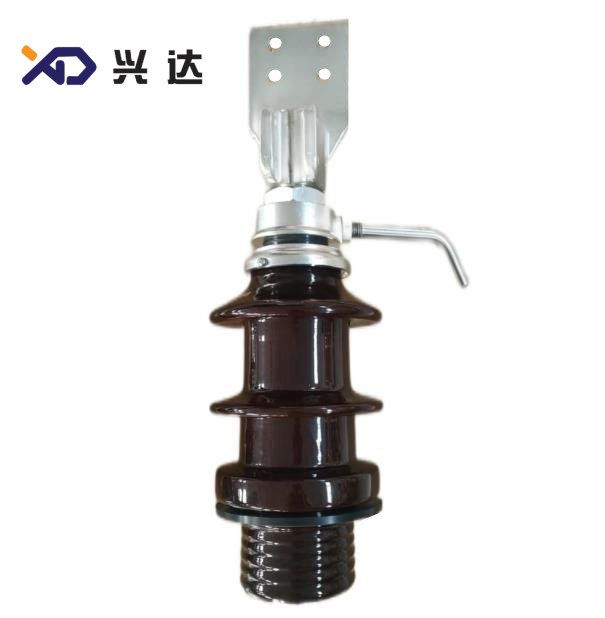
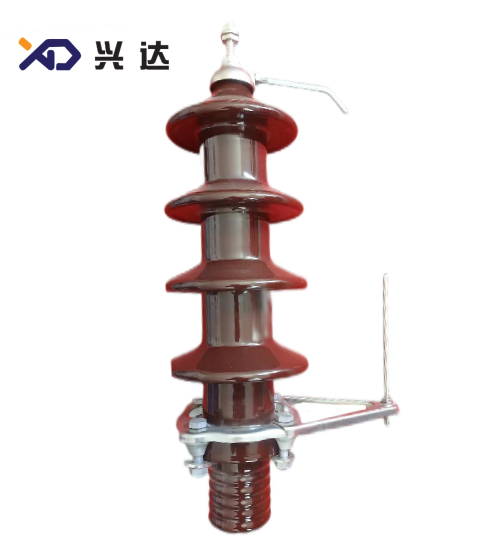
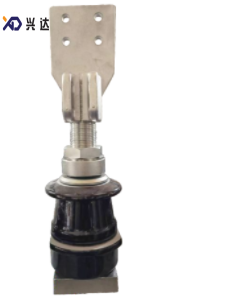
High‑Reliability DIN Bushing for Oil‑Immersed Power Transformer Equipment
DIN Bushing: Complete Technical Guide for European Standard Transformer Insulation
Introduction
DIN bushing is a standardized high-voltage insulating component designed and manufactured in compliance with German DIN industrial standards, widely applied in European-standard oil-immersed power transformers and electrical distribution equipment. As a core penetration insulation part, DIN bushing enables live conductive rods to safely pass through grounded transformer metal tanks, achieving reliable electrical isolation, mechanical fixation and airtight sealing. In European power grid systems, industrial power facilities and renewable energy power stations, all DIN-spec transformers rely on qualified DIN bushing to maintain long-term stable and safe operation.
Different from ordinary non-standard transformer bushings, DIN bushing follows strict unified dimensional tolerances, performance indicators and testing specifications formulated by DIN standards. It features high interchangeability, standardized performance and strong environmental adaptability, making it the mainstream insulation solution for European power equipment construction, transformer renovation and spare part replacement. This comprehensive guide elaborates on the definition, structural composition, core advantages, universal technical specifications, application scenarios, selection criteria, installation specifications and daily maintenance knowledge of DIN bushing. The content is purely industry-general, brand-free and highly optimized for Google SEO inclusion, suitable for publishing on official website industry pages, technical blogs and category landing pages.
What is DIN Bushing?
DIN bushing refers to a professional transformer insulating bushing that fully complies with DIN (Deutsches Institut für Normung) electrical industry standards. It is a composite assembly integrating insulation, conduction, mechanical support and sealing functions, specially used for penetration insulation of transformer high and low voltage terminals.
The core working principle of DIN bushing is to isolate the energized conductor and the grounded transformer shell through high-performance insulating materials, preventing current leakage, surface flashover and short-circuit faults. Meanwhile, it fixes the conductive rod to avoid displacement and vibration during transformer operation, and seals the tank penetration position to prevent transformer oil leakage and external moisture and dust intrusion.
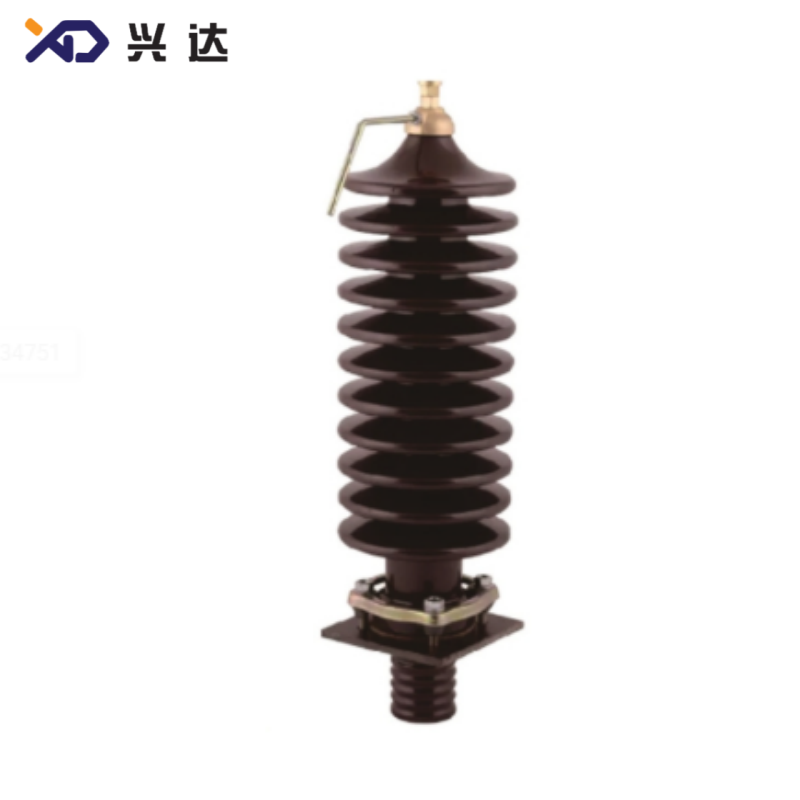
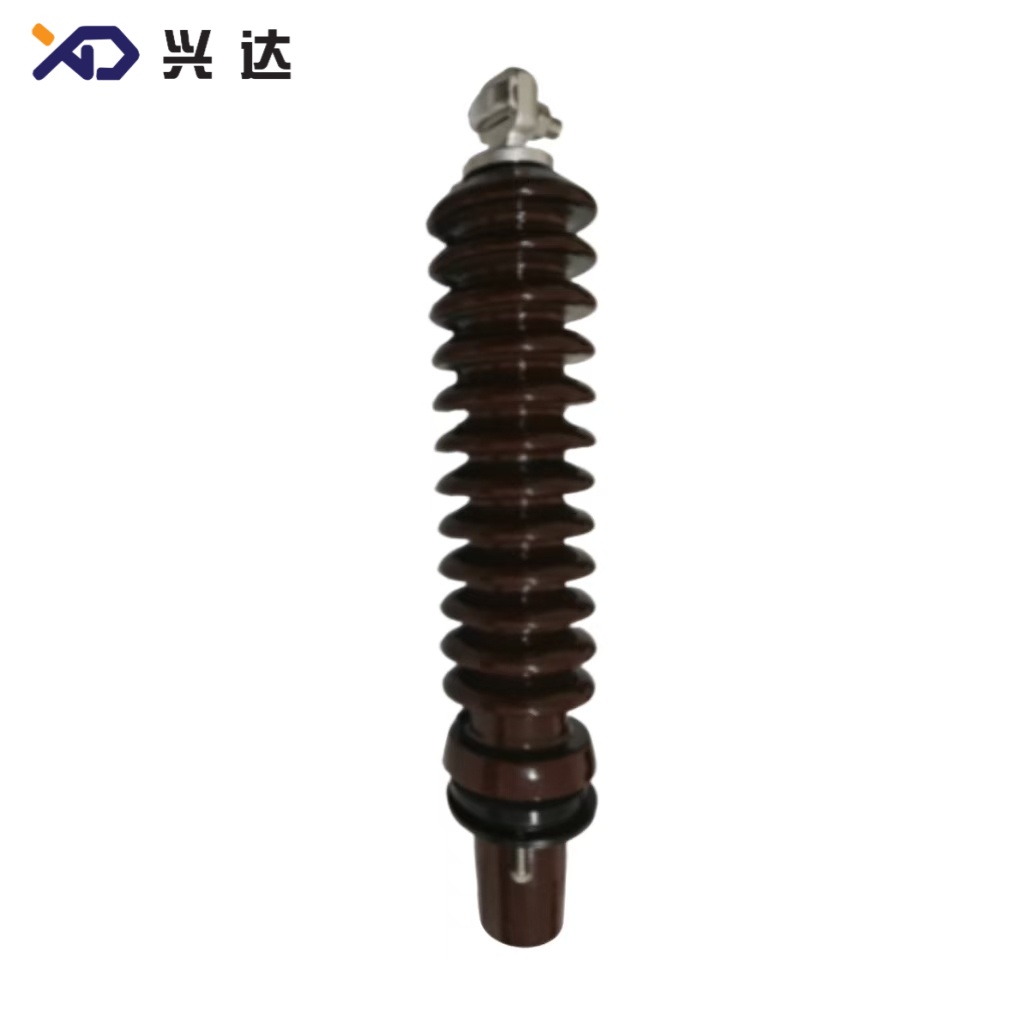
Standard DIN bushing consists of five core structural parts: outer insulating sleeve, internal insulation core, conductive through rod, metal mounting flange and high-precision sealing assembly. Each component has standardized structural size and performance requirements. The outer insulating sleeve resists external environmental erosion; the internal insulation core undertakes the main high-voltage insulation task; the metal flange provides stable installation support; the multi-layer sealing structure ensures the tightness of the transformer oil chamber. All structural designs strictly follow DIN standard specifications, ensuring consistent performance and interchangeability of products from different manufacturers.
Key Advantages of Standard DIN Bushing
DIN bushing has become the preferred insulation component for European standard transformers due to its standardized design and excellent comprehensive performance. Its core advantages are reflected in the following aspects, which are also the key reasons for its wide application in global DIN-spec power projects.
1. Strict Standardized InterchangeabilityAll qualified DIN bushing implements unified size standards, tolerance ranges and performance testing standards. For old transformer maintenance and equipment renovation projects, standard DIN bushing can realize direct drop-in replacement without modifying the transformer tank structure. It greatly simplifies the replacement process, shortens construction cycle, and reduces the inventory management cost of power equipment spare parts for operation and maintenance units.
2. Excellent High-Voltage Insulation StabilityDIN bushing must pass strict DIN-standard high-voltage withstand test, partial discharge test and insulation aging test before leaving the factory. Under rated working voltage, it maintains extremely low leakage current and ultra-low partial discharge value, effectively avoiding insulation breakdown and flashover accidents caused by voltage fluctuation and long-term load operation. It ensures the continuous and safe operation of transformers and supporting power grid equipment.
3. Strong Environmental AdaptabilityDIN bushing is designed to adapt to complex European climatic and industrial environments. It can stably operate in a wide temperature range, and has excellent resistance to low-temperature freezing, high-temperature aging, humidity erosion, ultraviolet radiation and industrial dust pollution. Whether used for indoor distribution transformers or outdoor utility-grade transformers, it can maintain stable insulation and mechanical performance for a long time.
4. Reliable Airtight Sealing PerformanceStandard DIN bushing adopts multi-layer composite sealing structure, which perfectly fits the transformer tank mounting surface. It can effectively prevent the leakage of transformer insulating oil, and isolate external moisture, air and pollutants from entering the oil chamber. Keeping the insulating oil clean and dry is crucial to maintain the overall insulation performance and service life of the transformer.
5. Diversified Specification CompatibilityDIN standard system covers complete voltage levels, current ratings and installation dimensions. It can meet the matching needs of low-voltage, medium-voltage and high-voltage transformers of different capacities. It supports both conventional off-the-shelf models and customized specifications for special engineering working conditions, with extremely high project applicability.
General Technical Specification Table for DIN Bushing
The following table lists the universal industry parameters of standard DIN bushing, covering the mainstream specification range of European standard transformers. All data are general industry values, for technical reference and product selection only.
Parameter Item | Universal Specification Range | Technical Description |
|---|---|---|
Rated Voltage | 10kV - 72kV | Covers mainstream European distribution and medium-high voltage transformer grades |
Rated Current | 250A - 2500A | Suitable for transformers of different power and load grades |
Insulation Material | Porcelain / Composite Polymer | Porcelain for heavy pollution industrial sites; composite for lightweight outdoor applications |
Installation Method | Flange Mounting | Standard tank wall installation for oil-immersed DIN transformers |
Working Temperature Range | -40℃ ~ +85℃ | Adapt to most European regional climate and industrial environment |
Partial Discharge Level | ≤10pC (Rated Test Voltage) | Core index to ensure long-term insulation reliability |
Applicable Medium | Oil-immersed Transformer | Professional design for transformer oil chamber penetration |
Compliance Standard | DIN Industrial Standards | Unified testing and dimensional standards for European electrical equipment |
Protection Grade | IP65 / IP66 | Dust-proof and waterproof for external field operation |
Main Application Scenarios of DIN Bushing
DIN bushing is the standard matching accessory for all DIN-spec oil-immersed transformers, widely used in power grid operation, industrial production, new energy power generation and other fields, with strong scene versatility.
1. European Standard Distribution Transformers
Urban and rural power distribution networks in European countries adopt DIN-standard transformers in large quantities. DIN bushing is installed on the transformer tank wall to complete the penetration and insulation of high and low voltage terminals, ensuring stable power supply for residential buildings, commercial facilities and municipal engineering. It is the most widely used scenario of DIN bushing.
2. Industrial Heavy-Duty Transformer Systems
Manufacturing factories, chemical plants, mining enterprises and other industrial sites are equipped with high-load industrial transformers. The on-site environment is complex with dust, humidity and slight corrosive gas. DIN bushing with anti-aging, anti-pollution and high-sealing performance can adapt to harsh industrial working conditions, effectively reducing equipment failure rate caused by bushing insulation problems.
3. New Energy Power Station Supporting Equipment
Wind farms, photovoltaic power stations and energy storage power stations in European regions are equipped with a large number of DIN-standard booster transformers and auxiliary transformers. New energy power generation has high requirements for equipment stability and safety. Standard DIN bushing meets the strict electrical safety specifications of power stations and supports the stable grid-connected operation of new energy equipment.
4. Transformer Maintenance and Renovation Projects
A large number of old transformers in European power grids have been in operation for many years, and the aging of old bushings is a common failure problem. DIN bushing with standardized size and performance can be used as a universal replacement part. It does not need to modify the original equipment structure, which greatly improves the efficiency of equipment maintenance and renovation, and reduces the operation cost of power assets.
Professional Selection Guidelines for DIN Bushing
To avoid parameter mismatch and premature failure of DIN bushing, engineers and purchasers need to strictly follow the following core criteria for product selection according to actual project conditions.
First, match rated voltage and current. The voltage and current grade of DIN bushing must be consistent with the actual operating parameters of the transformer. Under-rated specifications will cause insulation overload and accelerate aging, while over-rated specifications will cause unnecessary cost waste.
Second, select appropriate insulation materials. Porcelain DIN bushing has high mechanical strength and strong corrosion resistance, suitable for heavy pollution, coastal salt fog and other harsh environments. Composite DIN bushing is light in weight and good in anti-fouling performance, more suitable for conventional outdoor distribution transformers.
Third, verify installation dimensions. The flange diameter, bolt hole position and through rod size of DIN bushing must match the opening size of the transformer tank to ensure flat installation and reliable sealing, avoiding oil leakage and poor insulation caused by installation mismatch.
Fourth, adapt to the operating environment. For low-temperature areas, select DIN bushing with low-temperature resistant sealing materials; for high-pollution industrial areas, prefer products with enhanced anti-fouling and anti-aging performance to adapt to long-term complex working conditions.
Installation and Daily Maintenance of DIN Bushing
Standard installation and scientific maintenance are the key to ensure the long-term stable operation of DIN bushing. Improper operation will easily cause sealing failure, insulation damage and other problems, affecting the service life of the transformer.
During installation, ensure that the transformer tank mounting surface is flat, clean and free of impurities. Install the sealing gasket in place, and lock the flange bolts evenly according to the standard torque. Excessive force will crack the insulating sleeve, and insufficient force will lead to oil leakage. At the same time, avoid collision and scratching the outer insulation layer during installation to prevent hidden insulation defects.
In daily operation, regular visual inspection is required. Check whether the surface of DIN bushing has cracks, dirt accumulation, oil seepage and discoloration. Clean surface dust and pollutants regularly, especially for equipment operating in polluted environments, to prevent surface flashover caused by dirt accumulation in wet weather.
During regular transformer maintenance, conduct partial discharge test and insulation resistance test on DIN bushing. Timely detect hidden aging and defects of internal insulation materials. Once abnormal test data is found, evaluate and replace the bushing in time to avoid operation risks. It is forbidden to modify the structure of DIN bushing without authorization, so as not to damage the standard insulation performance.
Excessive partial discharge is usually caused by surface dirt accumulation or internal insulation aging. First, clean the outer insulation surface thoroughly. If the discharge value is still abnormal after cleaning, it indicates that the internal insulation has failed, and the DIN bushing needs to be replaced as a whole.
Insulation sleeve cracks are mostly caused by mechanical impact or long-term thermal aging. Cracked bushings completely lose insulation and protection performance, and there is a high risk of electric breakdown. Direct replacement is recommended, and on-site repair is not allowed.
Conclusion
As a core standardized insulation component of European power equipment, DIN bushing plays an irreplaceable role in ensuring the safe and stable operation of DIN-spec oil-immersed transformers. Its standardized size, reliable insulation performance, strong environmental adaptability and universal interchangeability make it the preferred solution for European power grid construction, industrial power matching and transformer maintenance and replacement.
In the process of project application, scientific selection of specifications, standardized installation operation and regular maintenance and detection are essential to maximize the service life of DIN bushing and reduce transformer operation failures. With the continuous upgrading of European power grid infrastructure and the rapid development of new energy industry, high-performance standard DIN bushing will always be an important basic component in the field of power transmission and distribution, with broad market application prospects.
PREVIOUS:High‑Performance ANSI Bushing for Power Transformer Equipment NEXT:Period
Categories
Contact Us
Contact: Tianjin Delda Trading Co., Ltd
WhatsApp: +86 13662056855
Tel:
E-mail: solomon20210701@tjxddq.com
Add: Unit‑101, Workshop 3, Bozhong Automobile Industrial Park, No.5 Xianghui Road, Intersection of Xianghui Road and Gaoying Road, Beizhakou Town, Jinnan District, Tianjin, China