Iron Core
how to choose high quality transformer iron core
Transformer Iron Core: Complete Guide to Material, Specification, Selection and Performance
Meta Title Suggestion: Transformer Iron Core | Types, Specifications, Advantages & Selection Guide
Meta Description Suggestion: Learn all about transformer iron core, CRGO silicon steel material, core types, technical parameters, standard specifications, key buying factors and common application scenarios for power transformers.
Introduction
Transformer iron core is the fundamental magnetic component of all power transformers. Its primary function is to provide a low-reluctance closed magnetic flux path to realize efficient electromagnetic energy transfer between primary winding and secondary winding. Without a qualified iron core, transformers will face severe energy loss, excessive noise, temperature rise and unstable operation.
Most people confuse pure iron core with silicon steel iron core. Pure iron is rarely adopted in modern power equipment because of high eddy current loss. Commercial transformer iron core is manufactured by stacked thin electrical silicon steel laminations. The quality of iron core directly determines transformer no-load loss, operating noise, service life and overall energy efficiency. For distribution transformers, industrial transformers and equipment matched with transformer bushing, brass terminal and conductive rod, iron core matching is the core technical link in overall assembly.
The global demand for high-performance transformer iron core keeps rising, driven by energy-saving policies, power grid upgrading and renewable energy construction. Electrical engineers, transformer manufacturers and bulk hardware buyers need clear technical standards to evaluate iron core performance. This article covers core definition, material classification, structural types, performance advantages, standard specification tables, selection criteria and common technical problems.
1. What Is Transformer Iron Core
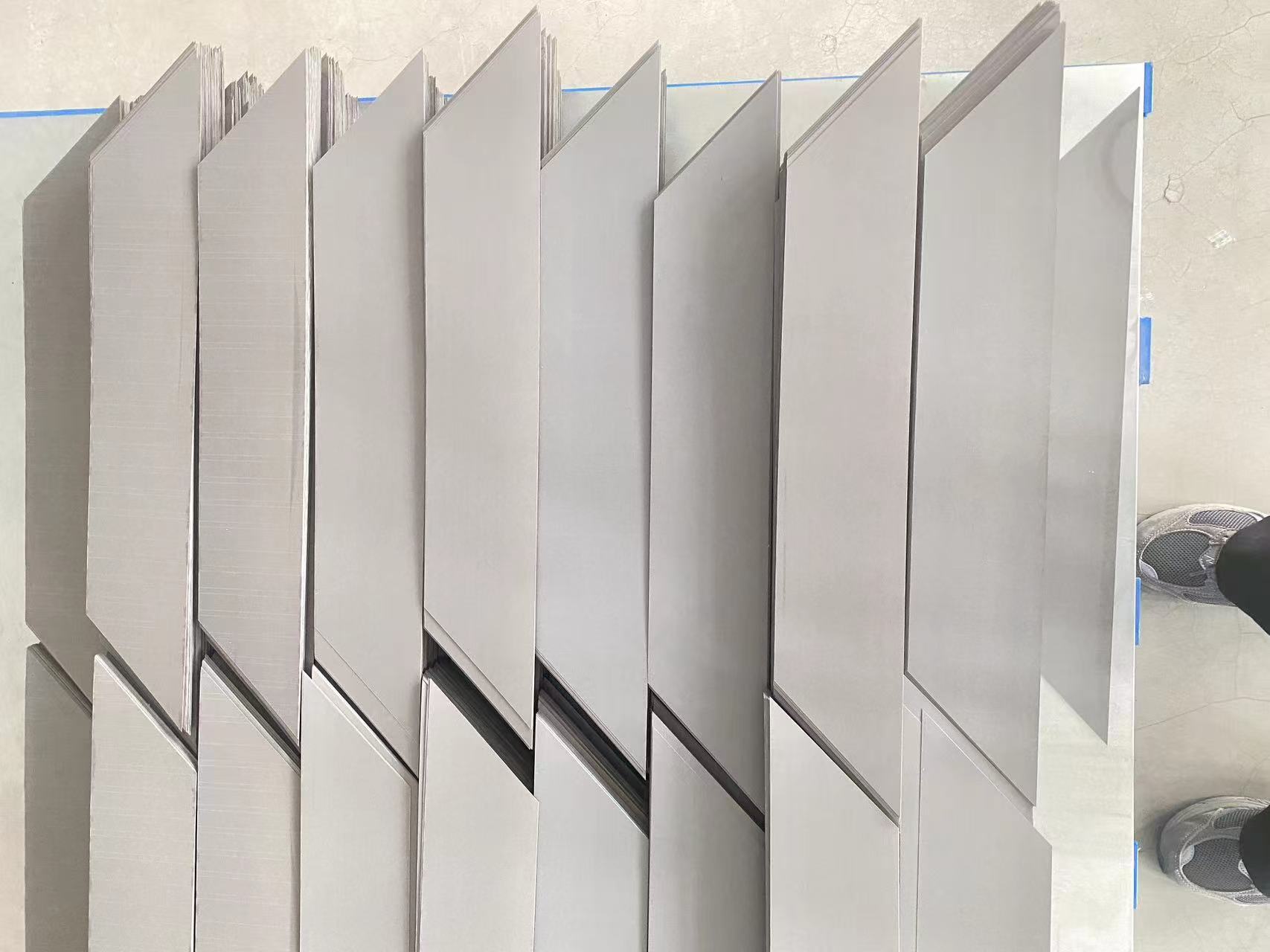
Transformer iron core is a stacked magnetic assembly constructed from insulated electrical steel sheets. Alternating magnetic flux circulates inside the iron core when AC power passes through transformer windings. Magnetic coupling enables voltage conversion between coils.
Two main energy losses occur inside iron core during operation: hysteresis loss and eddy current loss. Hysteresis loss comes from repeated magnetization and demagnetization of magnetic domains. Eddy current loss is generated by induced circulating current inside conductive metal materials. Laminated insulated silicon steel design is adopted to minimize both types of losses.
Common supporting accessories matched with transformer iron core include transformer porcelain bushing, copper conductive rod, brass flag terminal and insulation fittings. Complete matching of iron core and these accessories ensures stable long-term transformer operation.
2. Main Materials for Transformer Iron Core
Three mainstream materials are widely used to produce transformer iron core in the power industry. Each material has unique magnetic characteristics, cost range and applicable scenarios.
表格
| Material Type | Full Name | Core Loss Feature | Typical Application | Cost Level |
|---|---|---|---|---|
| CRGO Silicon Steel | Cold Rolled Grain Oriented Silicon Steel | Low hysteresis loss, stable flux density under 50/60Hz | Oil immersed distribution transformer, medium & high voltage power transformer iron core | Medium |
| CRNGO Silicon Steel | Cold Rolled Non-Oriented Silicon Steel | Balanced magnetic property in all directions | Motor core, small low-frequency transformer iron core | Low |
| Amorphous Alloy | Amorphous Metal Ribbon | Ultra-low no-load loss, 70% lower loss than CRGO | High efficiency energy-saving distribution transformer iron core | High |
CRGO silicon steel remains the most popular raw material for power transformer iron core. Magnetic domains of CRGO align along the rolling direction, which greatly reduces magnetic resistance when flux runs along the lamination length. Common thickness specifications include 0.23mm, 0.27mm and 0.30mm. Standard grades include 27SQ120, 30Q130 and 30Q140, widely accepted according to IEC 60404 and DIN industry standards.
Amorphous alloy iron core delivers prominent energy-saving performance, but it has obvious defects: brittle texture, strict processing requirements and higher purchase cost. It is mainly selected for projects with strict energy consumption limits. CRNGO material is seldom used for power transformer iron core, and it is more suitable for rotating electrical equipment.
3. Common Structural Types of Transformer Iron Core
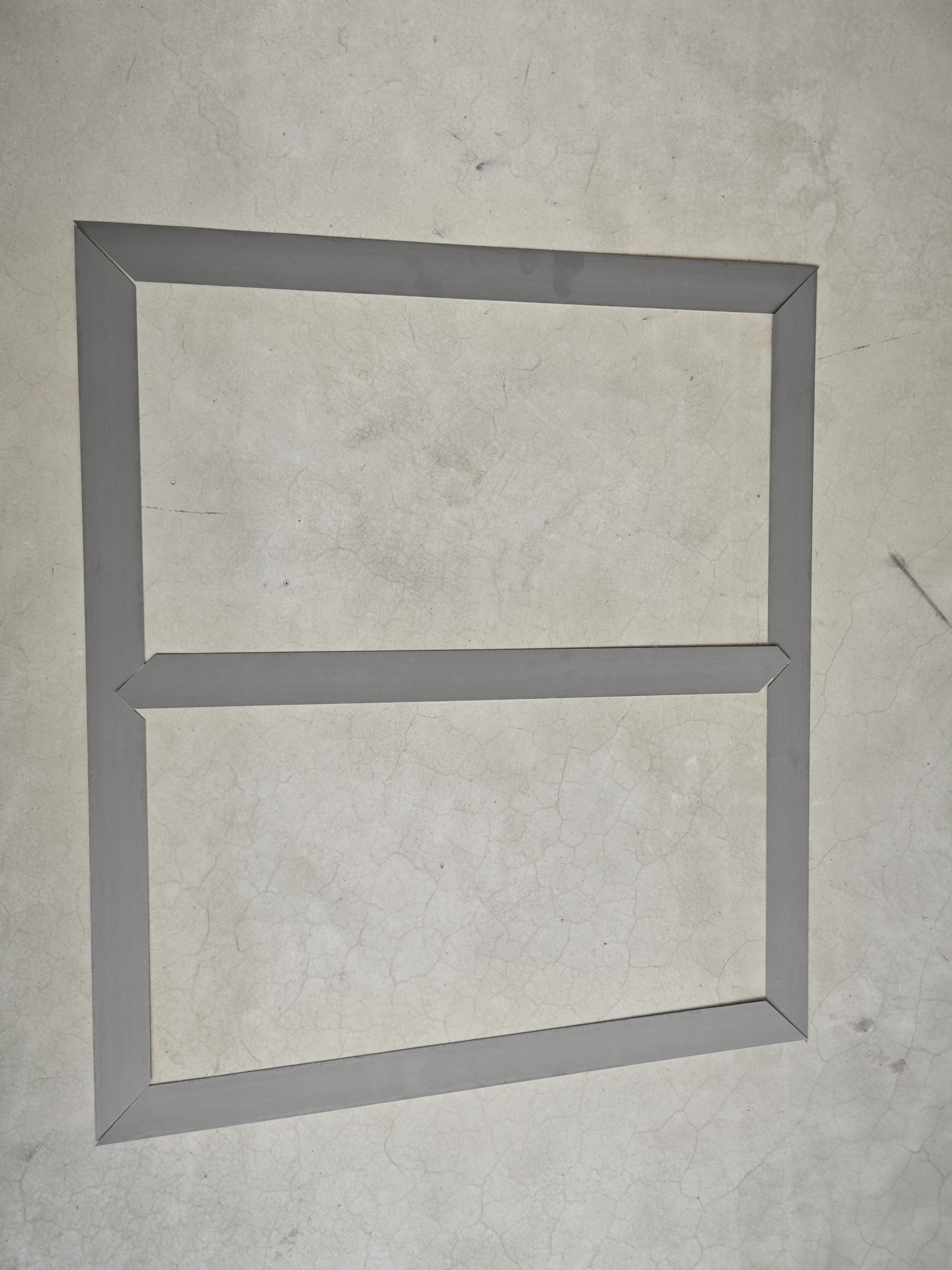
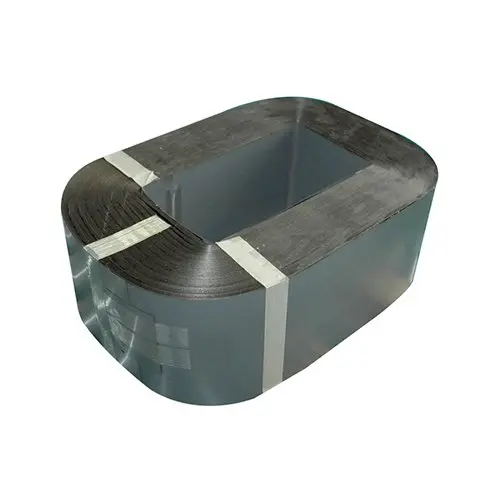
According to stacking structure and geometric layout, transformer iron core can be divided into core type, shell type and wound type. Different structures adapt to single-phase and three-phase transformers of different capacities.
表格
| Core Structure | Structural Feature | Suitable Transformer Capacity | Typical Advantage |
|---|---|---|---|
| Three-Leg Core Type Iron Core | Three vertical core limbs connected by upper and lower yokes | 50kVA ~ 2500kVA three-phase distribution transformer | Compact structure, convenient winding assembly, mainstream choice for oil immersed transformer |
| Five-Leg Core Type Iron Core | Five limbs with additional side limbs for flux shunting | Large-capacity three-phase transformer, low-height limited installation space | Reduce overall core height, lower transportation limit requirements |
| Single Phase Wound Iron Core | Continuous tape wound closed rectangular core | Single-phase small transformer, current transformer iron core | Low noise, tight stacking factor, low assembly gap loss |
| Shell Type Iron Core | Windings wrapped inside surrounded core frame | Medium-small single-phase transformer | Good mechanical protection for coils, strong short-circuit resistance |
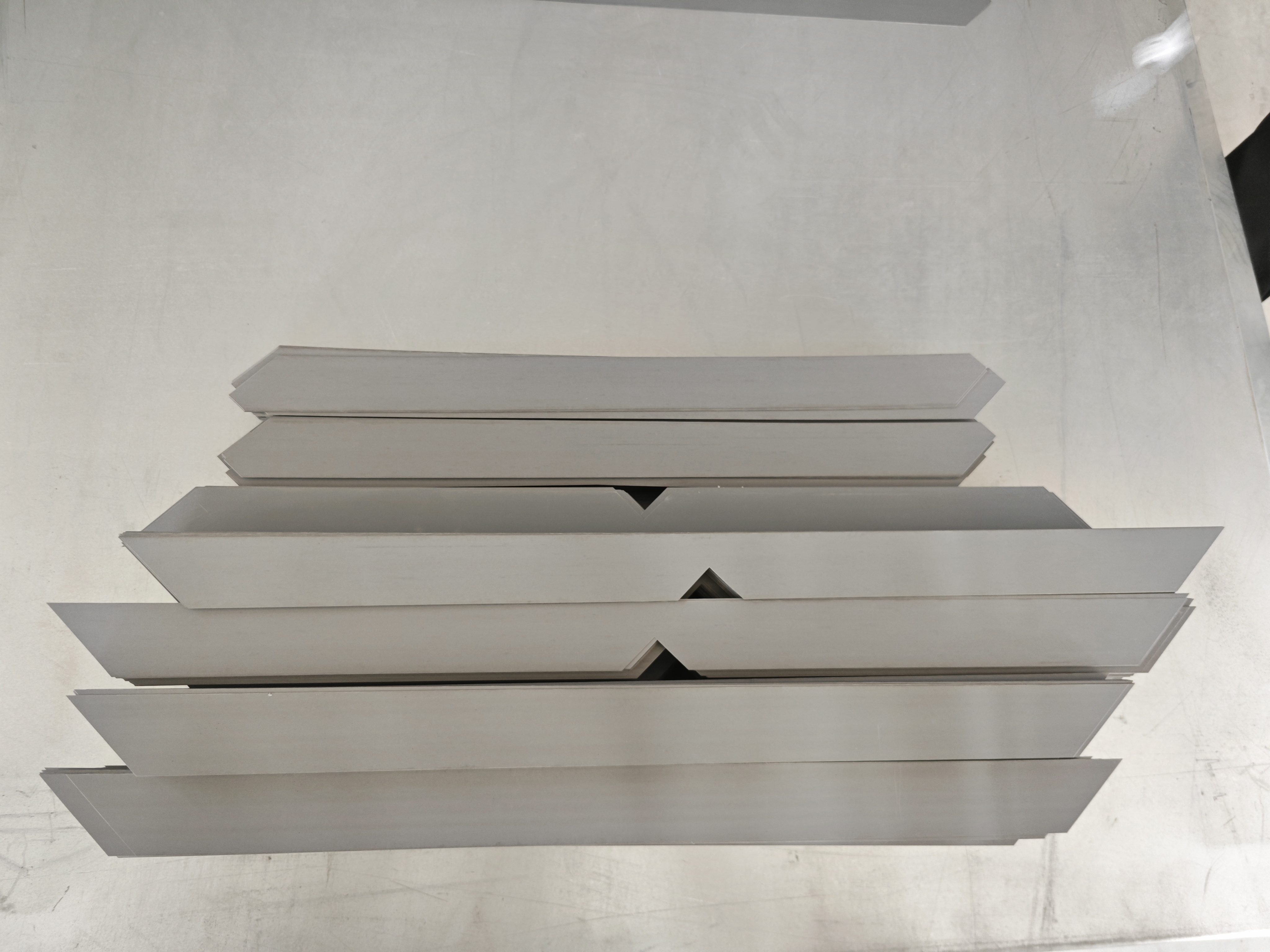
Three-leg laminated CRGO iron core occupies the largest market share for standard 12kV / 36kV distribution transformers. Step-lap miter cutting technology is widely adopted during processing. Step-lap joint design effectively reduces air gap magnetic leakage and further cuts no-load loss of iron core.
4. Key Performance Advantages of High-Quality Transformer Iron Core
Selecting qualified transformer iron core brings long-term economic and operational benefits for transformer manufacturers and end users. The core advantages are summarized as below:
- Low No-Load LossHigh-grade CRGO iron core effectively reduces hysteresis and eddy current loss. For power transformers running continuously on power grids, low no-load loss greatly cuts long-term power consumption expense.
- Low Operating NoisePrecision cutting and tight stacking minimize magnetostriction vibration. Good iron core control helps transformers meet outdoor noise limit standards for residential and industrial areas.
- Stable Magnetic Flux DensityQualified iron core maintains stable magnetization status under rated voltage, avoiding magnetic saturation and abnormal temperature rise during voltage fluctuation.
- High Stacking FactorUniform silicon steel sheet flatness and precise cutting tolerance improve stacking factor. Higher stacking factor means larger effective magnetic cross-section within fixed outer dimension.
- Good Interlayer InsulationSurface inorganic insulation coating prevents inter-lamination short circuit, avoiding local overheating and partial discharge faults inside iron core.
- Wide Matching CompatibilityStandard iron core sizes support matching with DIN standard transformer porcelain bushing, copper conductive rod and brass flag terminal, convenient for standardized transformer assembly.
5. Standard Specification Reference Table of Three-Phase Distribution Transformer Iron Core
This table provides general industry reference parameters for CRGO laminated three-leg iron core under 50Hz working condition. All data are conventional industry ranges, for technical reference only.
表格
| Transformer Rated Capacity | Approximate Iron Core Weight | Recommended Silicon Steel Thickness | Typical Core Loss Index (W/kg @1.7T,50Hz) |
|---|---|---|---|
| 50 kVA | 220 kg ~ 280 kg | 0.27mm / 0.30mm | 1.20 ~ 1.50 |
| 100 kVA | 360 kg ~ 430 kg | 0.27mm / 0.30mm | 1.20 ~ 1.50 |
| 200 kVA | 550 kg ~ 640 kg | 0.27mm | 1.10 ~ 1.40 |
| 315 kVA | 760 kg ~ 880 kg | 0.23mm / 0.27mm | 0.95 ~ 1.30 |
| 500 kVA | 1050 kg ~ 1200 kg | 0.23mm / 0.27mm | 0.95 ~ 1.30 |
| 630 kVA | 1250 kg ~ 1420 kg | 0.23mm | 0.85 ~ 1.20 |
| 1000 kVA | 1700 kg ~ 1950 kg | 0.23mm | 0.85 ~ 1.20 |
Note: Actual iron core weight changes according to design magnetic flux density, winding scheme and cooling method. Custom dimensional iron core can be produced according to customer technical drawings.
6. Critical Factors to Evaluate and Choose Transformer Iron Core
Many overseas buyers only focus on dimension and price while ignoring core material standards. These six factors must be confirmed during iron core procurement:
- Silicon Steel Grade and ThicknessConfirm whether raw material is genuine CRGO grain-oriented steel. Thinner laminations obtain lower eddy current loss but raise processing cost.
- Cutting Technology: Step-Lap Or Straight LapStep-lap miter joint is preferred for low-loss transformers. Straight lap cutting is usually applied for low-cost ordinary equipment.
- Stacking FactorNormal stacking factor of qualified iron core reaches 0.94 ~ 0.97. Low stacking factor leads to insufficient effective flux area.
- Surface Insulation CoatingCheck coating uniformity. Damaged coating during cutting will cause hidden danger of inter-layer short circuit.
- Dimensional ToleranceStrict length, width and hole position tolerance guarantee smooth assembly with windings, insulation components and transformer bushing accessories.
- Anti-Rust TreatmentIron core surface requires proper anti-rust varnish treatment for sea transportation and long-term storage in humid environment.
7. Common Application Scenarios of Transformer Iron Core
- Oil immersed distribution transformers for urban and rural power grid
- Dry type transformers for commercial buildings, underground substations
- Industrial equipment supporting transformers for manufacturing factories
- Renewable energy station step-up and step-down transformers
- Matching assembly with DIN standard transformer porcelain bushing, brass flag terminal and copper conductive rod
- Special customized transformers for mining, railway and new energy power system
8. Frequently Asked Questions About Transformer Iron Core
Q1: What is the difference between iron core and silicon steel core?
Pure iron core is made of solid iron block and generates huge eddy current loss. The commercial so-called transformer iron core is essentially stacked silicon steel core. The term iron core is the general industry naming habit for magnetic core assembly.
Q2: Can CRNGO silicon steel replace CRGO for power transformer iron core?
Not recommended. CRNGO non-oriented steel has much higher core loss under alternating unidirectional flux. Using CRNGO will cause excessive no-load loss and cannot meet international energy efficiency standards.
Q3: How does iron core quality affect transformer bushing and terminal service life?
Unqualified iron core creates abnormal vibration and local overheating. Long-term vibration will loosen the connection between brass flag terminal, copper conductive rod and transformer porcelain bushing, triggering contact heating faults.
Q4: Is customized size transformer iron core available?
Most manufacturers support customized iron core according to technical drawings. Custom production needs to confirm parameters including limb width, yoke height, window size, stacking thickness and silicon steel grade.
Conclusion
Transformer iron core is the heart of power transformer equipment. Material selection, processing technology, stacking design and dimensional accuracy jointly determine transformer overall efficiency and operational stability. When purchasing iron core, buyers should balance technical performance, energy efficiency standard and comprehensive cost instead of only comparing unit prices. For complete transformer assembly, coordinated matching between iron core, transformer bushing, conductive rod and brass terminal should be fully considered to avoid compatibility problems during final installation.
Word Count: 2176SEO core keywords naturally distributed: transformer iron core, iron core, CRGO silicon steel, transformer core loss, laminated iron core, distribution transformer iron core, transformer accessories, transformer porcelain bushing, brass flag terminal
Additional SEO Suggestion for your website
- H1 Title: Transformer Iron Core: Complete Guide to Material, Specification, Selection and Performance
- H2 tags used naturally (as above) for Google crawler readability
- You can insert related internal links: transformer bushing, brass flag terminal, copper conductive rod product pages
- Alt text for images can use: laminated transformer iron core, CRGO silicon steel transformer iron core
If you need me to shorten/expand, or adjust the tone to be more product-selling oriented for catalog page, I can revise it.
Categories
Contact Us
Contact: Tianjin Delda Trading Co., Ltd
WhatsApp: +86 13662056855
Tel:
E-mail: solomon20210701@tjxddq.com
Add: Unit‑101, Workshop 3, Bozhong Automobile Industrial Park, No.5 Xianghui Road, Intersection of Xianghui Road and Gaoying Road, Beizhakou Town, Jinnan District, Tianjin, China