Iron Core
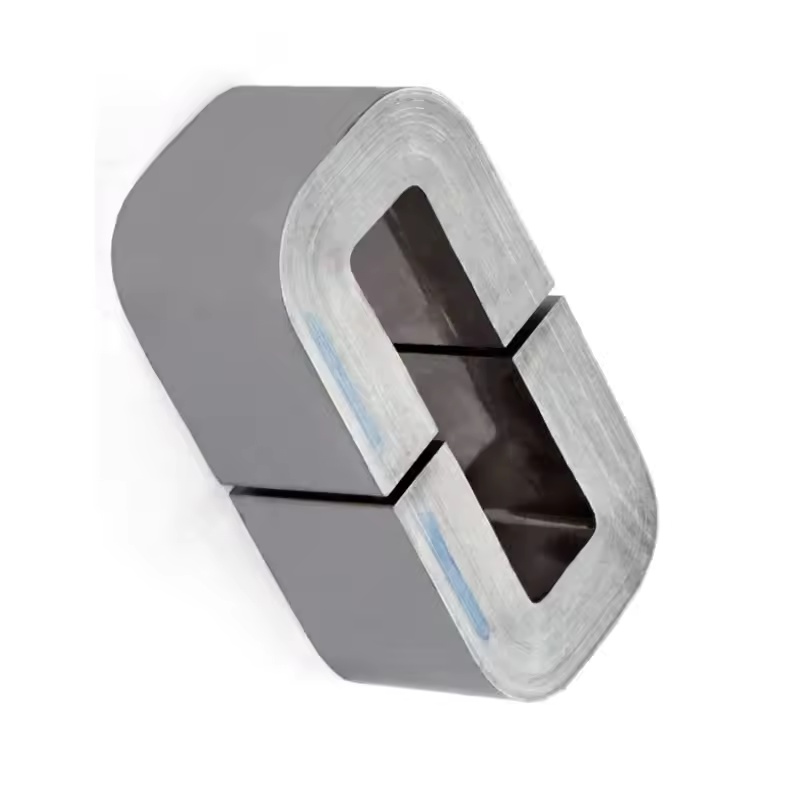
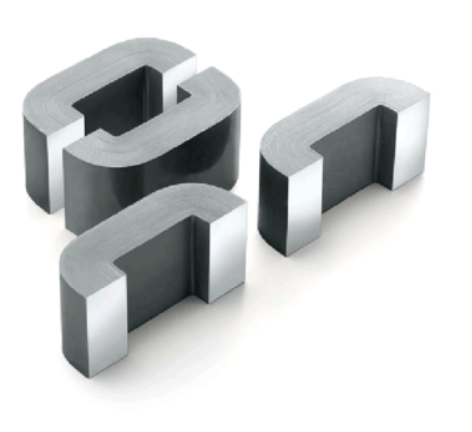
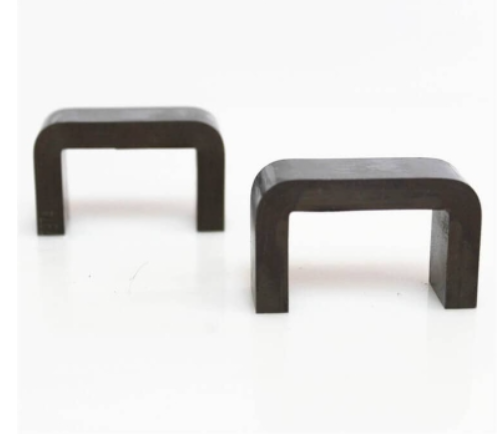
High‑Performance Iron Core for Power Distribution Transformer Equipment
Transformer Iron Core: Complete Technical Guide for Power Equipment
Introduction
Transformer iron core serves as the magnetic heart of every power and distribution transformer. Constructed from high‑performance soft‑magnetic materials, the iron core creates a low‑reluctance closed magnetic path to transfer magnetic flux between primary and secondary windings, enabling efficient electromagnetic energy conversion. Without a properly engineered iron core, most magnetic flux would leak into the air, leading to severe energy waste, high magnetizing current, excessive heat generation and unstable transformer operation.
For transformer manufacturers, electrical contractors, utility operators and procurement specialists, iron core performance directly governs key transformer metrics: no‑load loss, excitation current, noise level, temperature rise, overall efficiency and long‑term service life. Different grades of iron core materials, lamination thickness, stacking structure and core geometry produce vastly different operational outcomes. This SEO‑optimized article delivers purely industry‑wide technical information without brand references. It covers definition, core functions, key advantages, material specifications, application scenarios, selection principles, manufacturing notes and common troubleshooting for transformer iron core. The content can be directly published on technical blogs, product category landing pages and industry resource pages for Google indexing.
What is Transformer Iron Core?
Transformer iron core is a stacked magnetic assembly built from insulated soft‑magnetic sheets, designed to form a closed magnetic circuit inside oil‑immersed or dry‑type transformers. Its primary function is to concentrate and guide alternating magnetic flux generated by energized windings. Through electromagnetic induction, magnetic energy is reliably transmitted across electrical windings while minimizing magnetic flux leakage.
Practically all power‑frequency transformer iron cores adopt laminated structures. Instead of using a solid iron block, dozens or hundreds of thin metal sheets are stacked together, with insulating coating on each sheet surface. This laminated design restricts circulating eddy currents inside each single sheet, greatly cutting eddy‑current loss and preventing dangerous overheating during continuous operation.
Major structural components of standard iron core include magnetic limbs, yoke sections, clamping fixtures and insulation layers. Limb sections carry the main magnetic flux and fit inside transformer windings; yoke sections close the magnetic loop at top and bottom ends. Clamping hardware keeps the whole iron core tightly stacked to reduce vibration and operational noise. The most widely used configurations are three‑limb, five‑limb core‑type structures for three‑phase power transformers, alongside shell‑type and toroidal designs for special‑purpose equipment.
Core Advantages of High‑Quality Transformer Iron Core
A well‑manufactured iron core brings multiple measurable benefits for transformer systems, supporting stable grid‑level operation across diverse working environments.
- High‑efficiency Magnetic Flux ConductionHigh‑permeability iron core materials provide a low‑resistance magnetic path. It concentrates most magnetic flux within the core structure instead of dispersing into surrounding air. This improves energy transfer efficiency and lowers magnetizing current required to energize the transformer, reducing continuous no‑load power consumption over decades of operation.
- Controllable Energy Loss and Heat ReductionLaminated silicon‑steel‑based iron core suppresses both hysteresis loss and eddy‑current loss. Lower core loss means less heat generated during idle and loaded status. It avoids thermal overstress to windings and insulation materials, extending the overall service life of the transformer unit.
- Stable Mechanical Performance and Low NoisePrecision‑stacked iron core with firm clamping effectively limits magnetostriction‑caused vibration. Tight stacking quality directly reduces transformer humming noise, which is critical for urban distribution sites and indoor‑installed power equipment. Good structural rigidity also withstands transportation vibration and short‑circuit electromagnetic mechanical stress during grid faults.
- Broad Application CompatibilityIron core products support multiple material grades, dimensions and structural forms. Standard iron core fits conventional 50Hz / 60Hz power transformers, while special‑grade iron core adapts to high‑efficiency energy‑saving transformers, renewable‑energy booster transformers and industrial special‑purpose transformers. Custom dimension options are available for non‑standard transformer projects.
- Consistent Interchangeability for Spare‑part ReplacementStandard dimensional iron core follows global electrical industry norms. For transformer overhaul and retrofit projects, dimension‑matched iron core can replace old assemblies without heavy modification to existing transformer tank and winding structures, shortening maintenance cycles and lowering asset‑operation costs.
General Technical Specification Table for Transformer Iron Core
Note: The table shows general industry‑range parameters for standard power‑frequency transformer iron core. Real‑world parameters shall be confirmed according to transformer design drawings and project requirements.
表格
| Parameter Item | General Specification Range | Technical Description |
|---|---|---|
| Main Material | CRGO Silicon Steel / Amorphous Alloy | CRGO silicon steel for general‑purpose transformers; amorphous alloy for ultra‑low‑loss high‑efficiency units |
| Lamination Thickness | 0.23 mm ~ 0.35 mm | Thinner sheets deliver lower eddy‑current loss with higher manufacturing cost |
| Saturation Flux Density | 1.5 T ~ 1.9 T | Depends on selected magnetic material grade |
| Typical Working Frequency | 50 Hz / 60 Hz | Mainly applied for grid‑connected power and distribution transformers |
| Core‑loss Level (50Hz,1.7T) | 0.8 ~ 1.6 W/kg (CRGO); 0.2 ~ 0.4 W/kg (Amorphous) | Lower value represents better energy‑saving performance |
| Core Structure Style | 3‑limb / 5‑limb Core‑type; Shell‑type | 3‑limb for most three‑phase distribution transformers; 5‑limb for large‑capacity power transformers |
| Operating Ambient Temperature | ‑40℃ ~ +110℃ | Matches working environment of oil‑immersed and dry‑type transformers |
| Stacking Factor | 0.93 ~ 0.97 | Ratio of effective magnetic material volume inside the whole iron core assembly |
| Main Application | Oil‑immersed & Dry‑type Power Transformer | Distribution, industrial, renewable‑energy step‑up transformers |
Main Application Scenarios for Transformer Iron Core
Transformer iron core is an indispensable magnetic component for nearly all power‑frequency transformer equipment. Major application fields are listed below.
1. Power‑grid Distribution Transformers
Distribution transformers for urban and rural power networks consume huge volumes of standard iron core. These transformers run continuously day and night. Iron‑core no‑load loss accumulates across the whole service cycle. Appropriate material‑grade iron core helps utilities cut long‑term grid‑operation energy consumption. Three‑limb laminated CRGO silicon‑steel iron core is the dominant solution for this scenario.
2. Industrial Heavy‑duty Transformer Systems
Manufacturing plants, chemical facilities and mining sites adopt large‑capacity industrial transformers. Such sites feature heavy load fluctuation, occasional short‑circuit impact and harsh ambient conditions. Iron core must maintain stable magnetic performance under long‑time heavy‑duty operation, and resist mechanical deformation caused by electromagnetic force. High‑quality stacking and clamping processes are essential for these projects.
3. Renewable‑energy Power Station Transformers
Wind farm and solar power station step‑up transformers place high requirements on equipment reliability and energy‑saving performance. Amorphous‑alloy iron core is widely selected for new‑energy‑related projects to achieve ultra‑low no‑load loss, meeting modern grid energy‑saving standards. Iron core must adapt to outdoor temperature variation and frequent load fluctuation brought by intermittent renewable power generation.
4. Transformer Maintenance and Retrofit Projects
Large numbers of old transformers remain in‑service worldwide. Aging, local short‑circuit damage or performance degradation may require iron‑core replacement. Dimension‑compatible standard iron core serves as drop‑in spare‑part hardware. It avoids redesigning windings or transformer tanks and greatly improves overhaul efficiency.
Key Factors for Iron Core Selection
Engineers and procurement teams need to evaluate multiple critical factors when specifying transformer iron core to avoid performance mismatch and premature equipment failure.
First, confirm material grade according to loss requirements. Conventional CRGO grain‑oriented silicon steel balances cost and performance for most common distribution transformers. Amorphous alloy iron core shall be chosen if ultra‑low no‑load loss and high‑energy‑saving targets are required, despite higher material cost.
Second, verify lamination thickness and stacking‑factor parameters. Thinner laminations reduce eddy‑current loss but raise processing expenses. Higher stacking‑factor improves space utilization of magnetic material, yet requires stricter manufacturing precision. Both parameters should match transformer design targets.
Third, select proper core‑structure geometry. Three‑limb iron core suits most medium‑and‑small‑capacity three‑phase transformers. Five‑limb iron core is preferred for large‑capacity power transformers to control yoke height and reduce overall transformer dimensions. Shell‑type and toroidal structures apply to special‑purpose low‑voltage high‑current transformers.
Fourth, consider working‑environment conditions. For noise‑sensitive urban sites, select iron core with optimized stacking joint quality and high‑rigidity clamping design to lower audible noise. For sites with large temperature variation, confirm temperature stability of insulation coating on laminations.
Manufacturing, Installation and Operational Maintenance Guidance
Even well‑specified iron core will deliver poor performance if manufacturing, assembly or maintenance work is improperly handled.
During iron‑core production, silicon‑steel sheets must keep complete surface insulation coating. Scratches or coating damage will create extra eddy‑current paths and increase core loss. Stacking gaps and joint gaps must be strictly controlled. Uneven gaps will raise excitation current, noise and local overheating risk. Clamping pressure should be moderate: insufficient clamping leads to severe vibration; excessive pressure may damage insulation layers and cause mechanical deformation of magnetic sheets.
During transformer assembly, avoid mechanical impact on iron‑core laminations. Keep the iron‑core surface clean and free of metal debris. Secure reliable earthing for iron core as specified by electrical standards. Multiple‑point earthing must be prevented, otherwise circulating current will form inside iron core and cause abnormal overheating.
In daily transformer operation, monitor transformer noise level, oil temperature and no‑load loss data. Abnormal humming noise or unexpected temperature rise may indicate iron‑core failure risks. During regular transformer maintenance, inspect iron‑core earthing status, check for short‑circuit points between laminations. Once inter‑sheet short‑circuit or mechanical damage is confirmed, relevant iron‑core assembly needs assessment and timely replacement. Never modify iron‑core structure without professional technical evaluation.
Common Troubleshooting for Transformer Iron Core
In field operation, transformer iron core may produce typical abnormal phenomena. Correct judgment and handling prevent major transformer accidents.
Excessive no‑load loss and high excitation current: Common triggers include damaged insulation coating on silicon‑steel sheets, large stacking gaps, inter‑lamination short‑circuits. Visual inspection combined with no‑load test can locate the fault source. Damaged iron‑core assemblies usually cannot be repaired on‑site and require replacement.
Abnormal loud noise and vibration: Mainly caused by insufficient clamping force, poor stacking quality, or external mechanical impact during transportation. Re‑adjust clamping pressure and check stacking joint condition. If lamination deformation occurs, partial or full iron‑core replacement is required.
Iron‑core overheating caused by multi‑point earthing: When multiple earthing points appear on iron core, circulating current flows through iron‑core sections and creates obvious temperature rise. Troubleshooting steps include inspecting earthing wiring and eliminating redundant earthing points according to transformer maintenance specifications.
Conclusion
Transformer iron core defines the fundamental magnetic performance of power‑frequency transformers. Material grade, lamination quality, stacking precision and structural design jointly determine core loss, noise level, mechanical stability and service life of the whole transformer equipment.
In practical projects, selecting matched iron‑core specifications, enforcing strict manufacturing‑process control, performing standardized assembly and implementing periodic monitoring are essential steps to maximize iron‑core performance and extend transformer service cycles. With the global development of smart grids and energy‑saving power‑equipment upgrade, high‑efficiency iron‑core products including advanced grain‑oriented silicon‑steel core and amorphous‑alloy iron core will keep playing a vital role in power transmission and distribution industry.
PREVIOUS:how to choose high quality transformer iron core NEXT:Period
Categories
Contact Us
Contact: Tianjin Delda Trading Co., Ltd
WhatsApp: +86 13662056855
Tel:
E-mail: solomon20210701@tjxddq.com
Add: Unit‑101, Workshop 3, Bozhong Automobile Industrial Park, No.5 Xianghui Road, Intersection of Xianghui Road and Gaoying Road, Beizhakou Town, Jinnan District, Tianjin, China