Oil Level Indicator
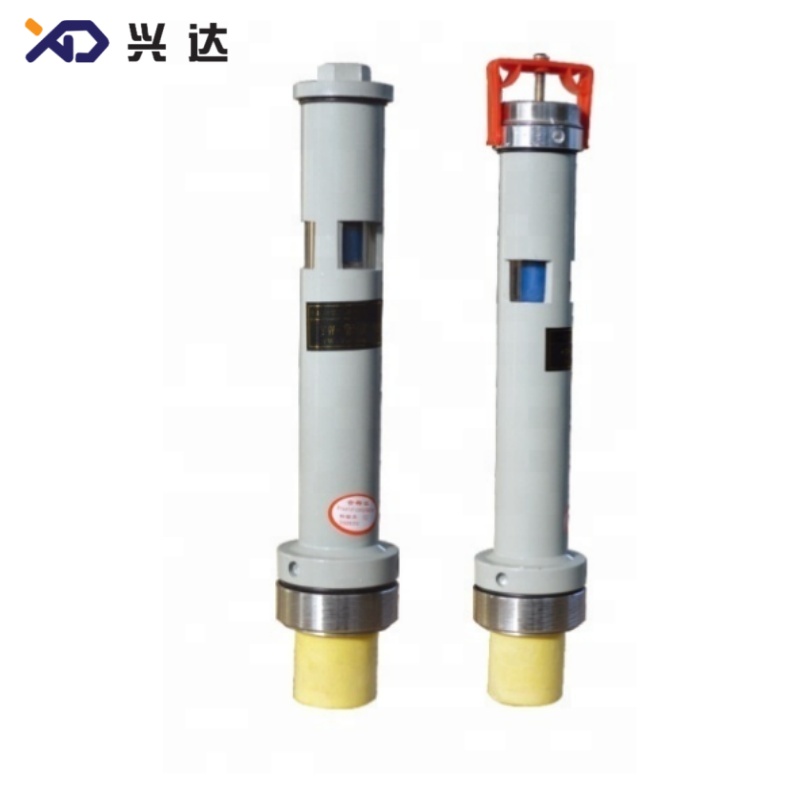
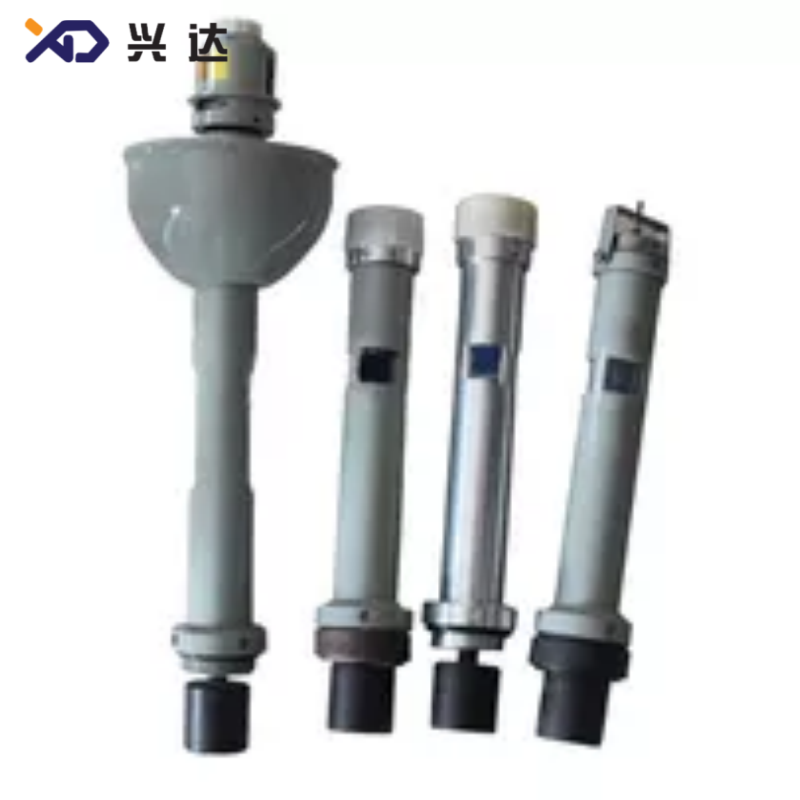
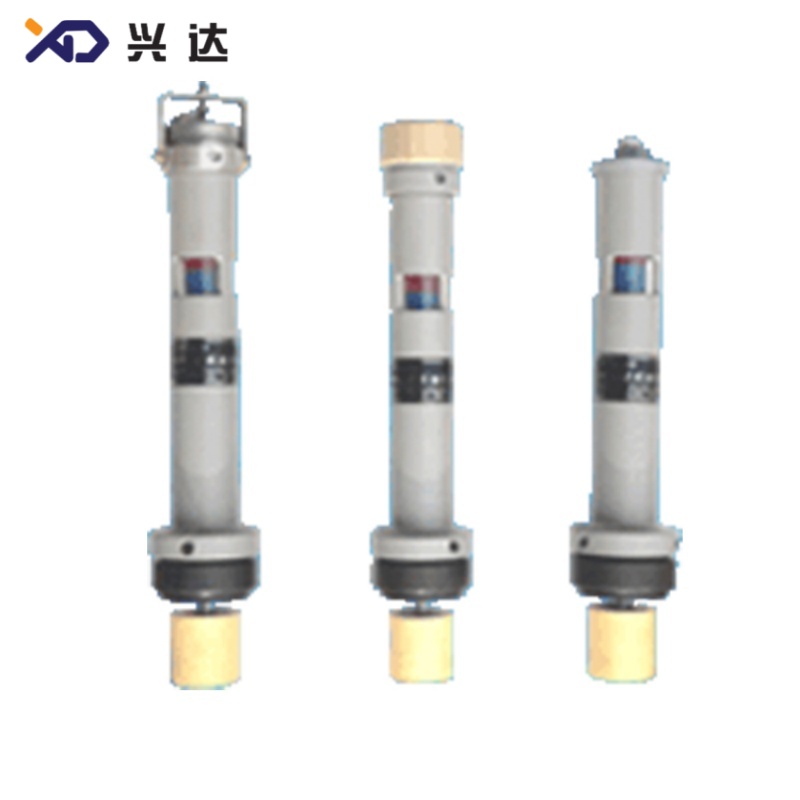
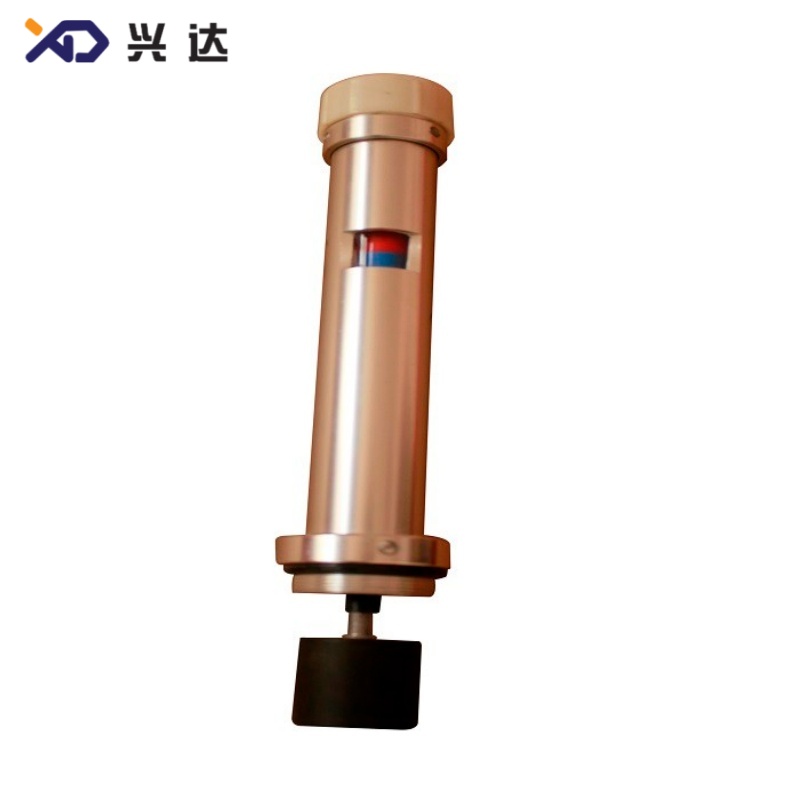
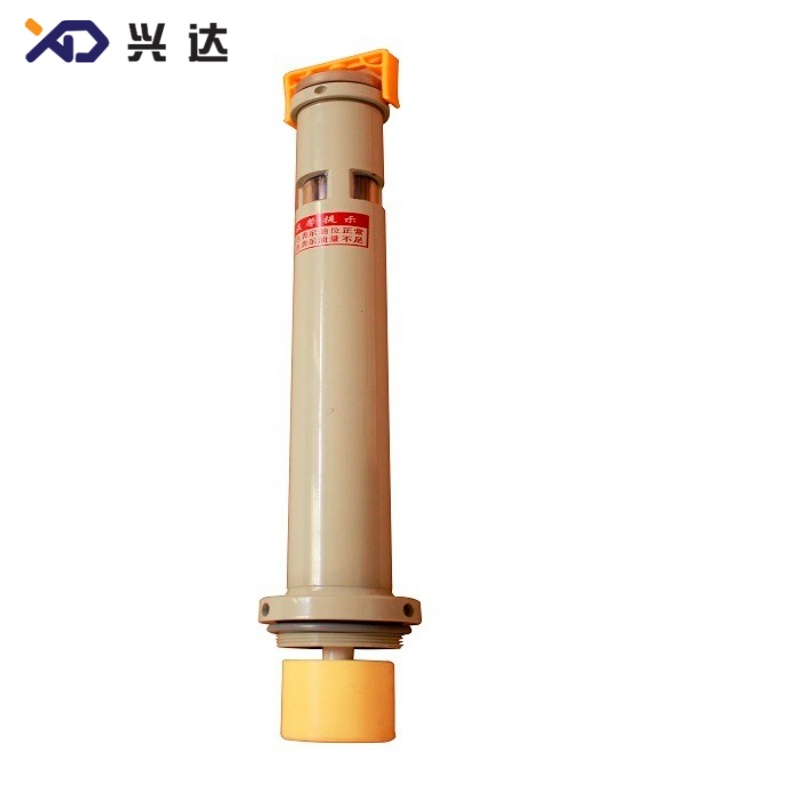
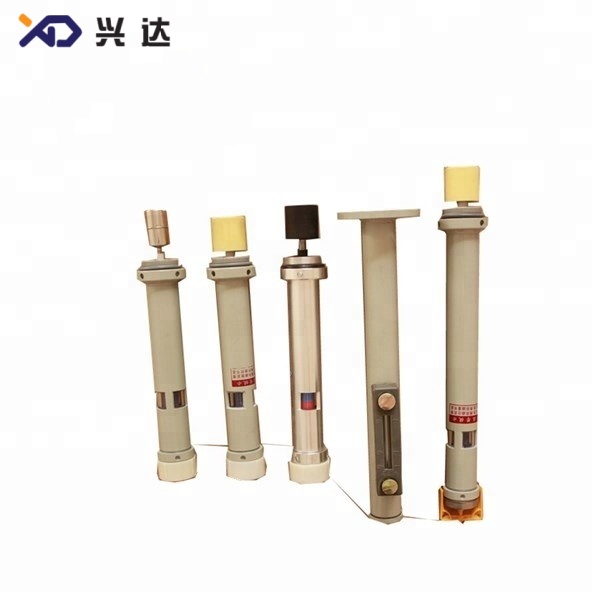
What Causes Transformer Oil Level Indicator to Show Wrong Readings
1. Basic Overview of Wrong Reading Failures of Transformer Oil Level Indicators
The transformer oil level indicator serves as a fundamental metering and monitoring device for oil-immersed power transformers, undertaking the critical task of real-time reflection of internal insulating oil capacity changes. Accurate oil level readings are the core basis for judging transformer heat dissipation efficiency, insulation state and internal pressure balance, and directly relate to the safe and stable operation of power grid transformation equipment. Wrong readings, including fixed display, data deviation, sudden jump and false high or false low indication, are one of the most common hidden faults in field transformer operation. Different from obvious equipment damage faults, most wrong reading problems have no obvious early warning characteristics, and the abnormal data can easily be ignored by operation and maintenance personnel in daily inspections. In outdoor long-term operation environments, oil level indicators are affected by mechanical aging, environmental erosion, structural sealing failure and human operation factors, leading to frequent abnormal reading problems. Once the indicator displays wrong data, it will cause the staff to misjudge the actual oil level state, trigger improper maintenance behaviors such as blind oil replenishment, unnecessary pressure relief and fault blind processing, and further induce transformer overheating, insulation aging, oil overflow and even short-circuit tripping accidents. Therefore, systematically sorting out the root causes of wrong readings of transformer oil level indicators, clarifying internal mechanical defects and external environmental inducements, and summarizing failure mechanisms are essential to eliminate monitoring blind spots, reduce equipment failure rates, and standardize the whole-cycle maintenance of transformer auxiliary components.
2. Main Cause Classification, Mechanism Analysis and Field Hazards of Wrong Readings
The wrong reading problems of outdoor transformer oil level indicators are comprehensively caused by mechanical structural failure, environmental erosion interference, electrical sensing abnormality and installation and commissioning errors, and each type of cause has independent failure mechanism and corresponding field hazard risks. Mechanical structural failure is the primary cause of wrong readings, accounting for more than 60% of on-site abnormal data faults. It mainly includes float rod jamming, transmission gear aging and clamping, pointer shaft rusting and return failure. After long-term outdoor operation, tiny dust and metal wear debris enter the mechanical transmission structure, resulting in unsmooth floating and transmission of the float rod. The float rod cannot rise and fall synchronously with the actual oil level change, leading to fixed pointer display and serious data deviation. In addition, the aging and deformation of internal spring parts will cause insufficient reset torque, resulting in false low oil level readings after oil level rises, which cannot accurately reflect the real oil level state. Environmental erosion and interference are the core external inducements for wrong readings. Outdoor indicators are exposed to ultraviolet radiation, rainwater immersion, high humidity condensation and salt spray corrosion all year round. The failure of waterproof and dustproof seals will lead to water vapor and moisture entering the instrument interior, causing condensation on the dial surface and corrosion of precision mechanical parts. Moisture corrosion will increase the friction resistance of transmission components, damage the sensitivity of the float induction structure, and eventually lead to delayed response and distorted readings. In high-temperature desert and strong wind and sand areas, accumulated dust and sand particles will block the movable gap of the mechanical structure, resulting in data stagnation and wrong indication. Electrical and sensing abnormalities are the main fault causes of intelligent digital oil level indicators. Sensing probe aging, signal line virtual connection, circuit board damp and short circuit will cause data acquisition drift and signal transmission distortion. Factors such as strong electromagnetic interference around high-voltage transformers will also interfere with sensor signal accuracy, resulting in sudden jump and unstable fluctuation of digital readings. Improper installation and irregular commissioning are artificial causes of persistent wrong readings. Excessive inclination during indicator installation will change the vertical induction angle of the float rod, resulting in inherent systematic deviation of readings; unreasonable debugging calibration in the early stage of installation and failure of regular accuracy calibration in the later stage will lead to long-term cumulative error of measurement data. In general, mechanical and environmental factors are the main spontaneous fault causes, while electrical and installation factors are typical human-induced faults. Multiple factors often act together in actual operation, resulting in continuous wrong readings of the indicator, seriously interfering with on-site equipment state judgment and bringing hidden dangers to power operation safety.
3. Fault Causes and Corresponding Wrong Reading Performance Parameter Table
Fault Cause Category | Specific Inducement | Wrong Reading Manifestation | Influence Degree |
|---|---|---|---|
Mechanical Structure Failure | Float rod jamming, gear clamping, pointer rusting | Fixed pointer, no oil level fluctuation response | High |
Sealing & Environmental Erosion | Gasket aging, water vapor intrusion, dust accumulation | Reading delay, data deviation exceeding 5% FS | High |
Electrical Sensing Abnormity | Sensor aging, electromagnetic interference, circuit damp | Data jump, unstable display, signal loss | Medium |
Installation Defect | Excessive installation inclination, uncalibrated equipment | Systematic fixed deviation of reading | Medium |
Temperature Adaptation Failure | Low-temperature freezing, high-temperature component aging | False high/false low reading in extreme temperature | Medium |
Maintenance Negligence | Long-term no cleaning, no regular calibration | Cumulative data error, slow response | Low |
4. FAQ on Wrong Reading Causes and Troubleshooting
1. Why do brand-new oil level indicators also have wrong readings?New indicators with wrong readings are mostly caused by non-standard installation and incomplete factory calibration. Excessive installation angle will change the mechanical induction stroke of the float rod, resulting in systematic deviation. In addition, individual products may have tiny assembly errors of internal transmission parts, leading to unsmooth operation. Therefore, strict calibration and horizontal debugging must be carried out after the installation of new equipment to eliminate initial wrong reading faults.
2. How to quickly distinguish mechanical faults from environmental interference wrong readings?Mechanical failure wrong readings are characterized by fixed display and no response to oil level changes, with stable and unchanged deviation data. Environmental interference wrong readings are mostly affected by temperature, humidity and weather, showing intermittent deviation and delayed response, and the reading can return to normal after cleaning and drying the equipment. Staff can make a quick judgment through on-site cleaning, wiping and real-time oil level tracking test.
3. Can wrong reading faults be repaired on site without replacement?Part of the wrong reading problems can be solved by on-site maintenance. Wrong readings caused by surface dust, condensation and slight signal interference can be eliminated by cleaning, drying and recalibration. For minor mechanical jamming faults, professional debugging and lubrication can restore normal accuracy. However, for severe corrosion, aging and permanent structural damage, the equipment must be replaced to avoid repeated faults.
4. How to prevent wrong reading failures in daily operation?Daily prevention mainly includes three aspects. First, adhere to regular inspection and cleaning to avoid long-term dust accumulation and water vapor retention. Second, conduct annual accuracy calibration to eliminate cumulative measurement errors. Third, regularly check the sealing structure to replace aging gaskets in advance, prevent environmental erosion, and ensure the mechanical sensitivity and sealing stability of the indicator.
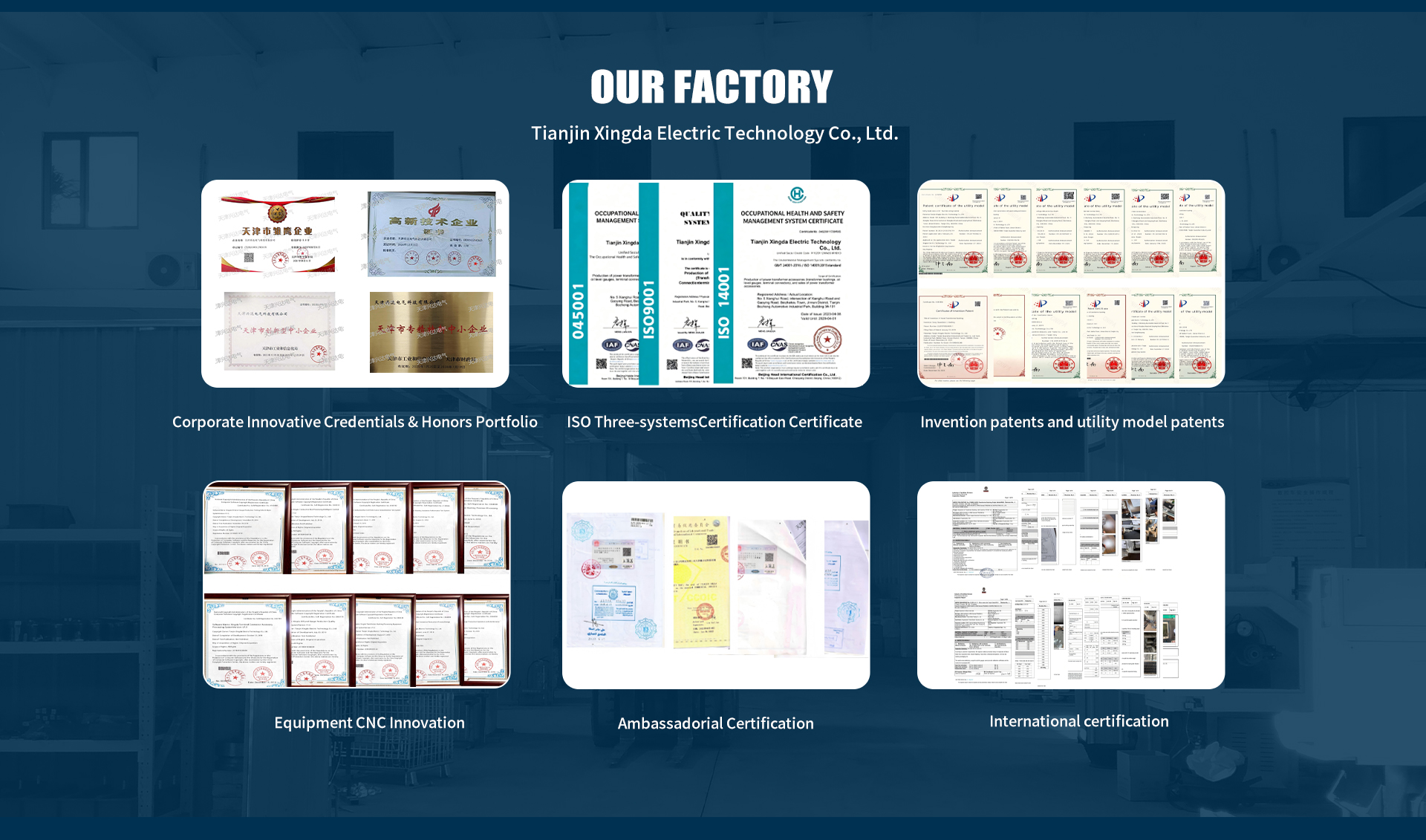
5.Certifications
Categories
Contact Us
Contact: Tianjin Delda Trading Co., Ltd
WhatsApp: +86 13662056855
Tel:
E-mail: solomon20210701@tjxddq.com
Add: Unit‑101, Workshop 3, Bozhong Automobile Industrial Park, No.5 Xianghui Road, Intersection of Xianghui Road and Gaoying Road, Beizhakou Town, Jinnan District, Tianjin, China