Oil Level Indicator
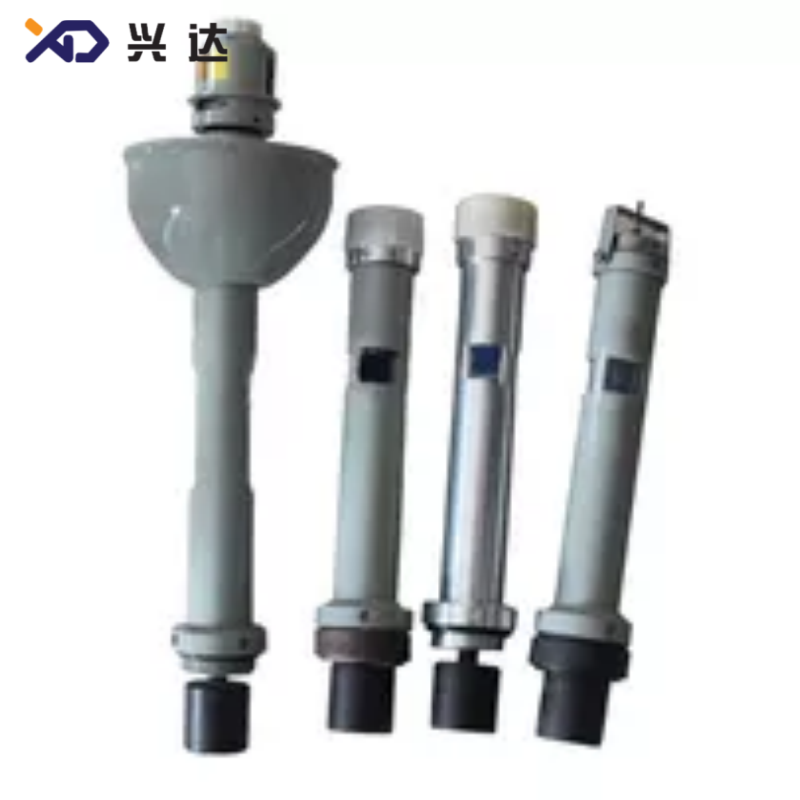
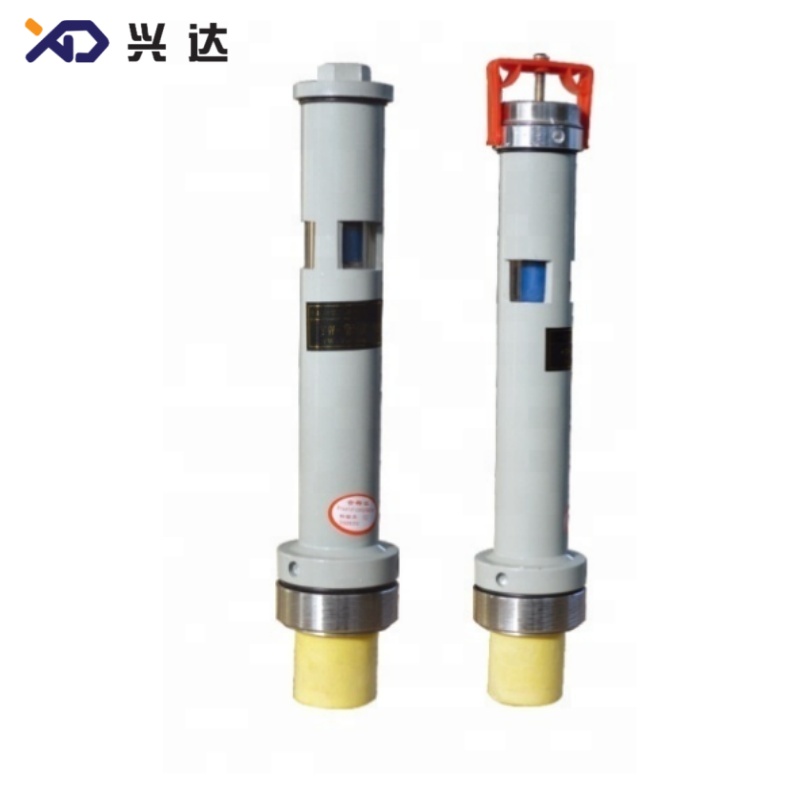
Common Misinterpretations of Transformer Oil Level Indicator Field Data
1. Basic Overview of Field Data Interpretation for Transformer Oil Level Indicators
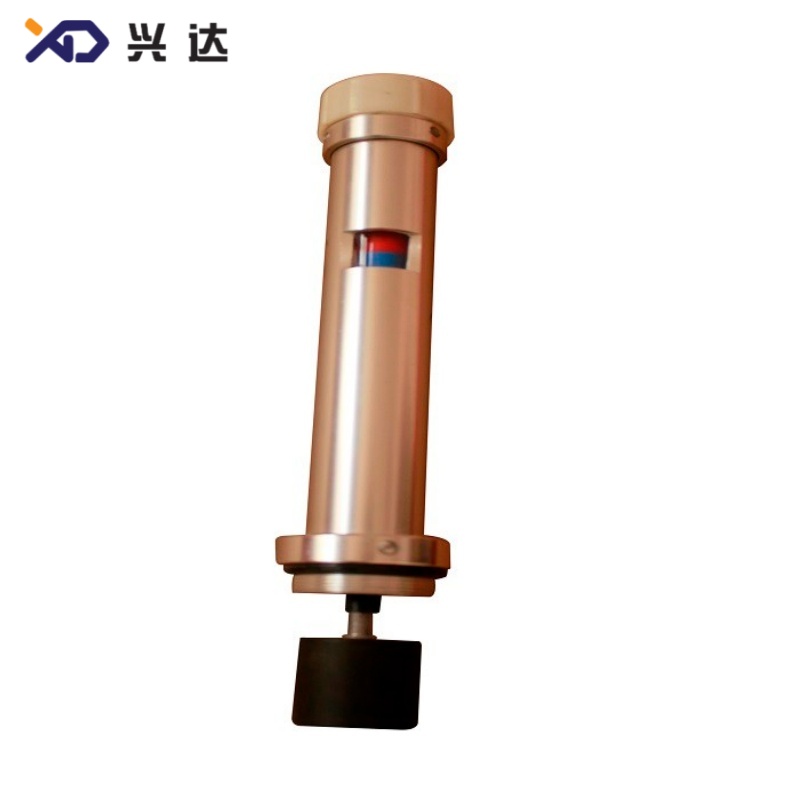
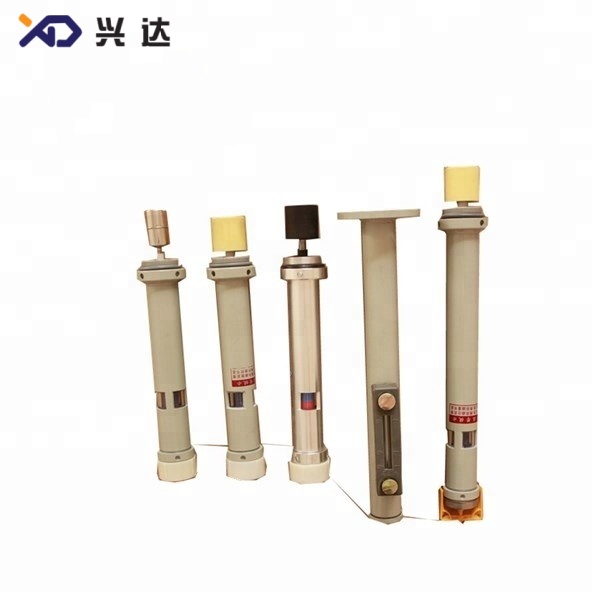
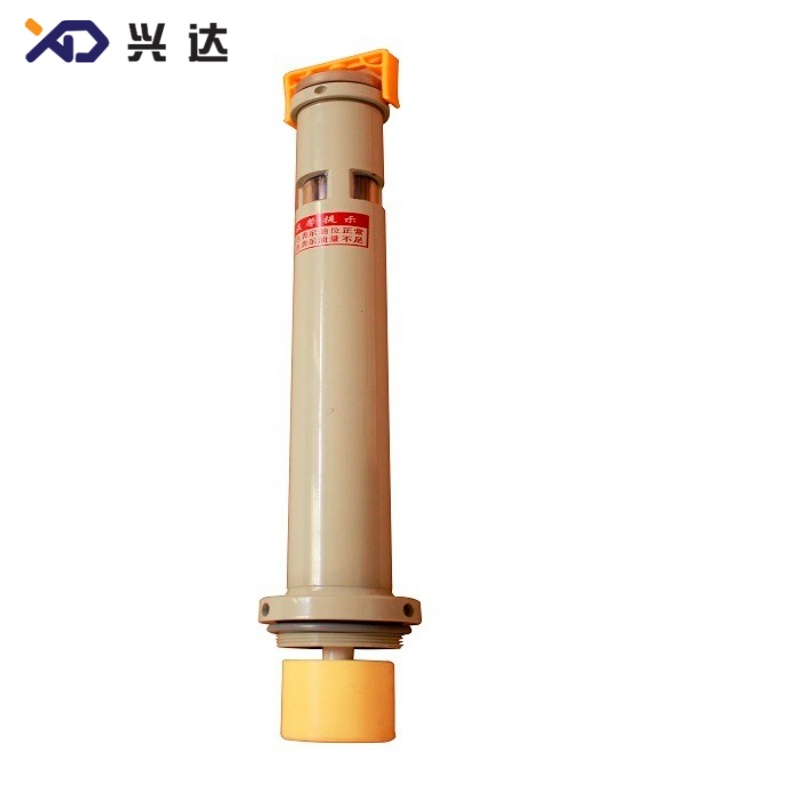
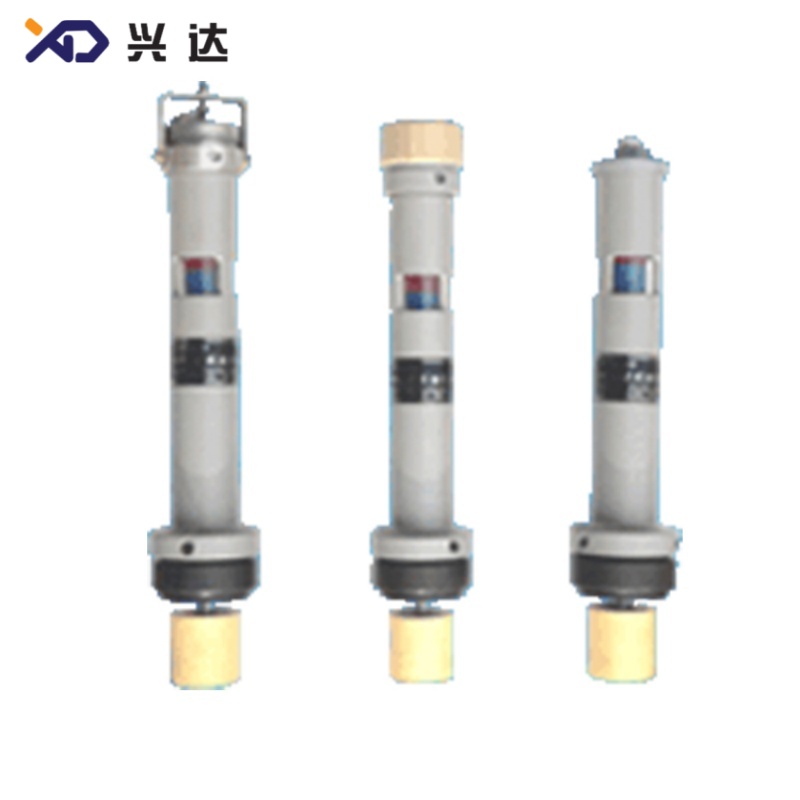
Transformer oil level indicator field data is the most intuitive and direct reference basis for power operation and maintenance personnel to judge the operating state of oil-immersed transformers. The oil level value displayed on site reflects the matching state between transformer insulating oil volume, internal temperature and operating load, and is an important basic data to ensure the safe and stable operation of power transformation equipment. In actual outdoor operation scenarios, the oil level value is not a fixed static figure, but will dynamically fluctuate with the change of ambient temperature, equipment operating load and internal oil temperature. However, affected by on-site complex environmental factors, personal operation experience and inherent cognitive deviations, field staff often have various misinterpretations of oil level indicator data. These subjective judgment errors are highly concealed in daily inspections, and will not cause immediate equipment alarms in the short term. In the long run, wrong data analysis and state judgment will lead to improper maintenance decisions, such as blind oil filling, unnecessary equipment shutdown, and failure to detect potential oil leakage and insulation abnormalities in time. Therefore, clarifying the basic logic of on-site oil level data changes, sorting out common misinterpretation phenomena, and correcting wrong judgment methods are crucial to improve the accuracy of transformer on-site operation and maintenance, eliminate hidden equipment dangers, and standardize power field inspection work.
2. Common Data Misinterpretation Types, Causes and On-site Influences
In the daily field inspection of outdoor transformers, the misinterpretation of oil level indicator data is concentrated in four typical scenarios: static cognition of dynamic oil level, ignoring environmental interference deviation, confusing fault data with normal fluctuation, and neglecting instrument structural errors. Each type of misinterpretation has clear inducing factors and will bring different degrees of adverse effects on transformer operation and maintenance. The most prevalent misinterpretation is regarding dynamically fluctuating oil level data as abnormal fault signals. Most on-site personnel subjectively believe that the transformer oil level should remain stable within a fixed range. In fact, insulating oil has obvious thermal expansion and cold contraction physical characteristics. When the ambient temperature rises in summer or the transformer operates under high load for a long time, the internal oil temperature increases, the oil volume expands, and the indicator data rises accordingly; in low-temperature winter environments or low-load standby state, the oil volume shrinks, and the oil level drops slightly. Many inexperienced staff misjudge this normal physical fluctuation as equipment oil blockage or internal pressure abnormality, resulting in unnecessary manual intervention and repeated equipment inspection, wasting human and material resources of power maintenance. The second common misinterpretation is ignoring the data deviation caused by environmental factors. Outdoor oil level indicators are affected by strong light irradiation, low-temperature condensation, dust shielding and other factors. Strong sunlight will cause visual deviation of the dial reading, and surface condensation and dust coverage will blur the scale, leading to manual reading errors. Moreover, extreme high and low temperatures will slightly affect the mechanical sensitivity of the indicator, resulting in normal data tolerance deviation, which is often misjudged as instrument failure by on-site personnel, triggering wrong equipment replacement applications. The third type of misinterpretation is confusing slow oil leakage fault data with seasonal normal fluctuation. Long-term outdoor operation will cause slight seal aging of transformers, accompanied by slow oil leakage. The oil level drop caused by oil leakage is continuous and irreversible, while the temperature-induced oil level change is periodic and reversible. On-site personnel often fail to distinguish the two, resulting in missed judgment of potential oil leakage faults, which gradually evolves into transformer insulation hidden dangers. The fourth type is neglecting the inherent structural error of the indicator itself. All oil level indicators have allowable measurement errors within the industrial standard range. Minor data deviations within the error range are normal, but many staff regard all inconsistent data as abnormal faults, resulting in excessive maintenance and interference with normal equipment operation. In summary, field data misinterpretations are essentially cognitive deviations from the dynamic operating characteristics of transformers and instrument working principles, which will easily lead to misjudgment of equipment status, disorder of maintenance work, and even induce potential power safety risks.
3. Field Data Comparison Table of Normal Fluctuation and Misjudged Abnormal State
Data Display Phenomenon | Normal Actual State | Common Field Misinterpretation | Misjudgment Consequence |
|---|---|---|---|
Oil level rises slightly in high temperature and high load | Normal thermal expansion of insulating oil | Misjudged as internal overpressure or oil blockage fault | Unnecessary inspection and pressure relief operation |
Oil level drops slightly in low temperature and low load | Normal cold contraction of insulating oil | Misjudged as slow oil leakage fault | Blind oil filling, resulting in excessive oil level |
Minor data deviation within ±2.5% FS | Allowable instrument measurement error | Misjudged as instrument failure and data drift | Waste of maintenance cost, frequent equipment replacement |
Blurred reading caused by surface dust and condensation | Normal environmental visual interference | Misjudged as internal water inflow and component damage | Unplanned equipment shutdown inspection |
Periodic oil level fluctuation with load change | Normal dynamic operation matching | Misjudged as unstable internal operation of transformer | Frequent state monitoring and false alarm processing |
Slow continuous oil level decline (long-term trend) | Potential oil leakage fault | Misjudged as seasonal temperature fluctuation | Missed fault treatment, insulation aging risk |
4. FAQ on Field Data Interpretation and Error Correction
1. How to distinguish normal oil level fluctuation from abnormal fault data?The core distinction lies in the fluctuation law and trend. Normal temperature and load-induced oil level change is periodic and reversible: the oil level will recover automatically when the temperature and load return to normal. In contrast, abnormal faults such as oil leakage show a continuous and irreversible downward trend with no automatic recovery. In addition, normal fluctuation data deviation is small and within the standard error range, while fault data will have obvious abnormal deviation, which can be judged by combining long-term operation data records.
2. How to avoid visual reading errors in outdoor field environments?To avoid visual misinterpretation, standardized reading operations should be implemented. First, avoid reading under strong direct sunlight to prevent visual deviation; wipe the dust and condensation on the indicator surface before inspection to ensure clear scale display. Second, adopt horizontal viewing angle reading to avoid parallax error. Third, for key equipment, record data for multiple times and compare with historical data to eliminate accidental reading errors and ensure the authenticity and accuracy of field data.
3. Why cannot we adjust transformer oil level according to instantaneous data?Instantaneous oil level data is easily affected by real-time load, ambient temperature and instantaneous environmental interference, which cannot represent the stable operating state of the transformer. Blind oil filling or oil discharge according to instantaneous fluctuating data will break the optimal oil level matching state of the transformer. Excessively high oil level will cause internal overpressure and oil overflow in high temperature, while excessively low oil level will lead to insufficient insulation and heat dissipation, inducing equipment faults.
4. What is the correct standard for judging qualified oil level data?The qualified judgment standard needs to combine three dimensions: data error within industrial standard range, consistent with seasonal fluctuation law, and matched with equipment operating load and temperature. The oil level data is qualified if it fluctuates normally in the standard range, changes synchronously with temperature and load, and has no continuous rising or falling abnormal trend. Any judgment must be based on long-term data tracking rather than single instantaneous reading.
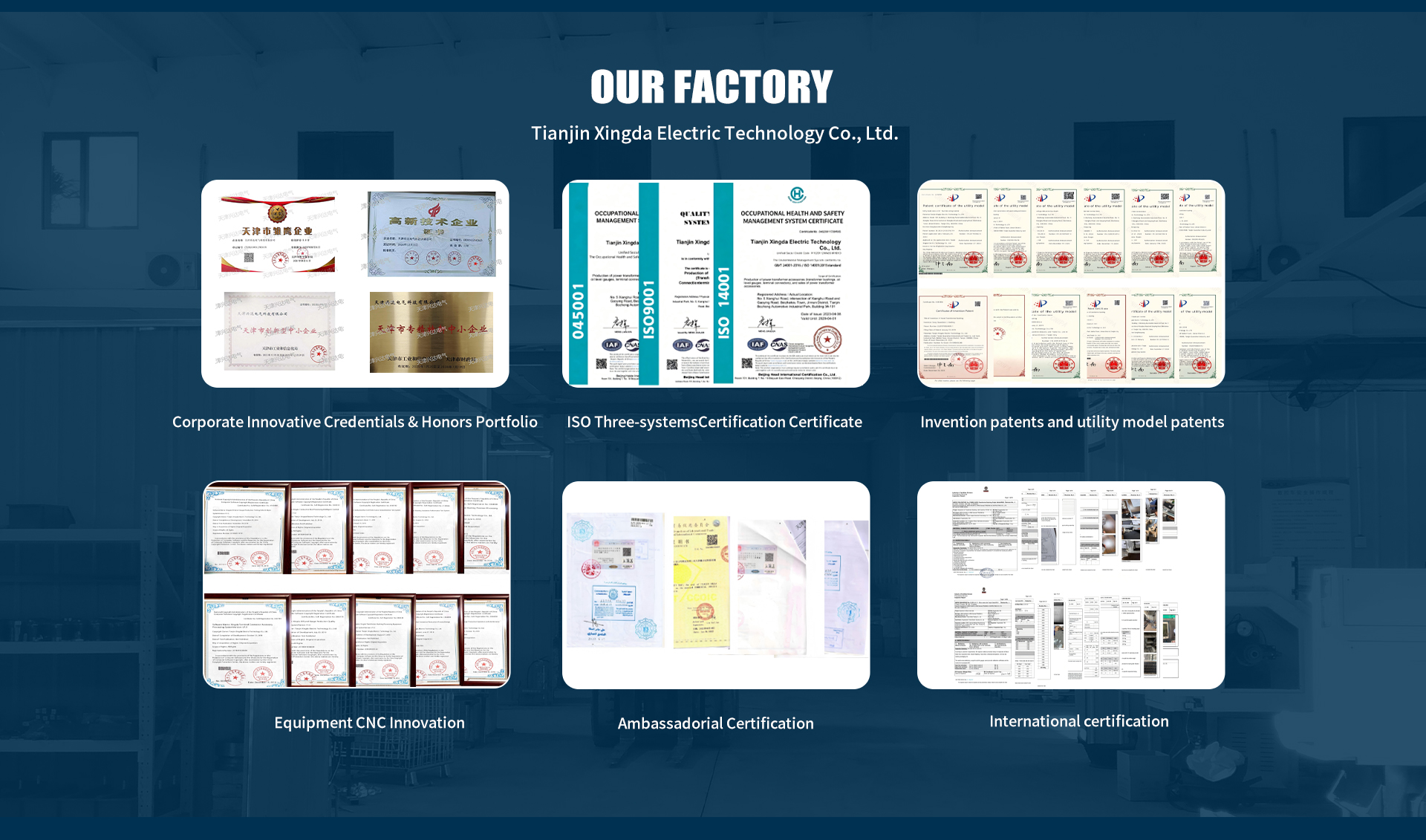
5.Certifications
Categories
Contact Us
Contact: Tianjin Delda Trading Co., Ltd
WhatsApp: +86 13662056855
Tel:
E-mail: solomon20210701@tjxddq.com
Add: Unit‑101, Workshop 3, Bozhong Automobile Industrial Park, No.5 Xianghui Road, Intersection of Xianghui Road and Gaoying Road, Beizhakou Town, Jinnan District, Tianjin, China