Oil Level Indicator
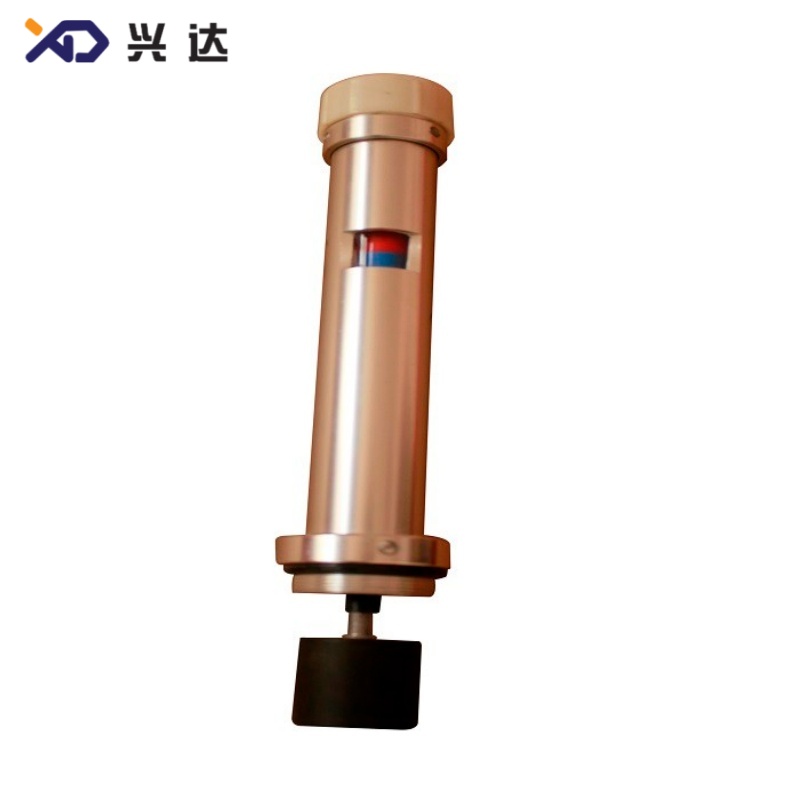
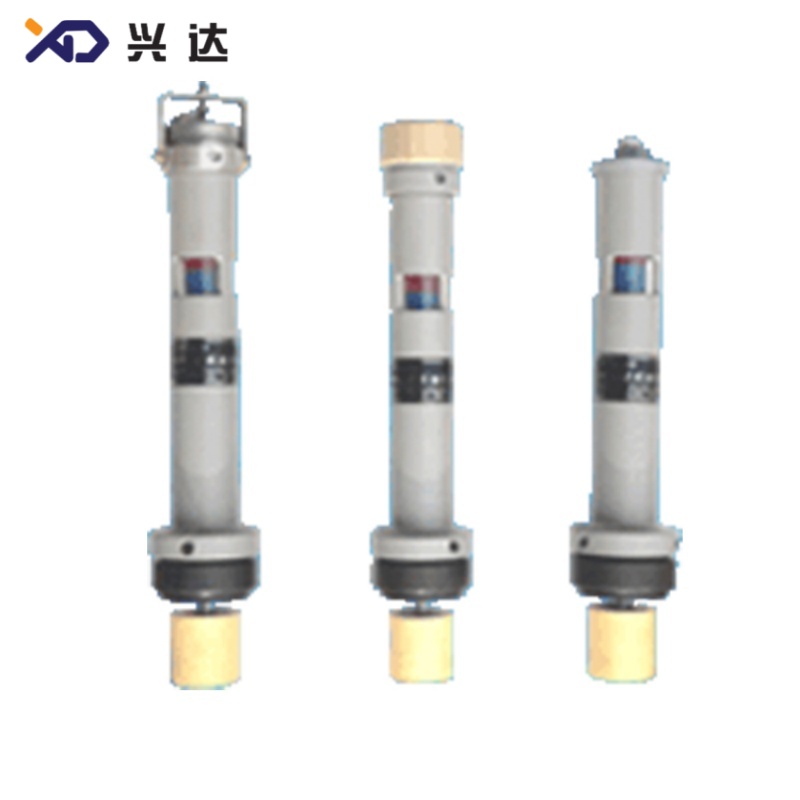
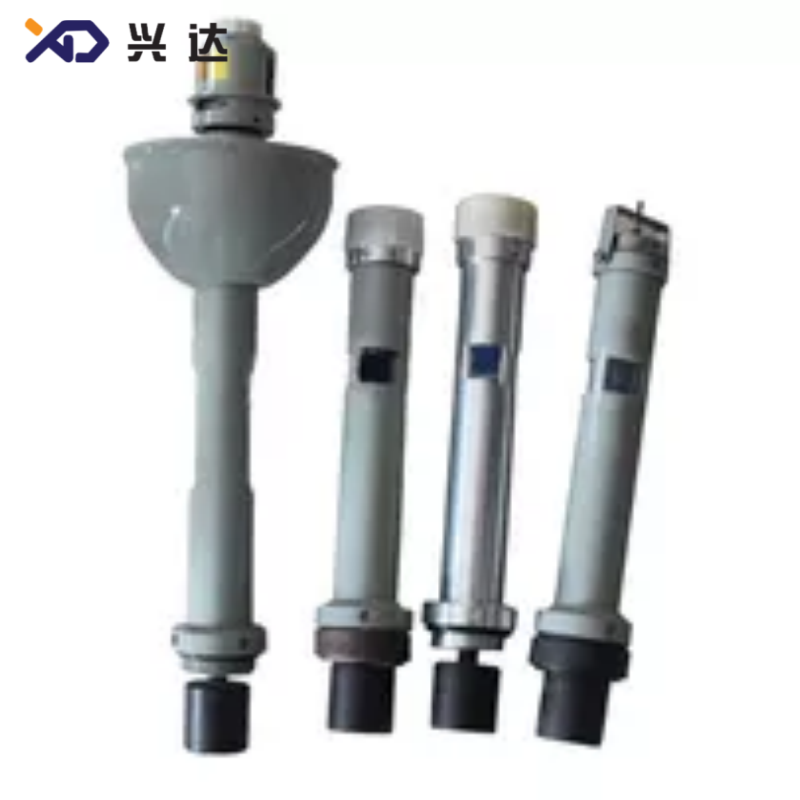
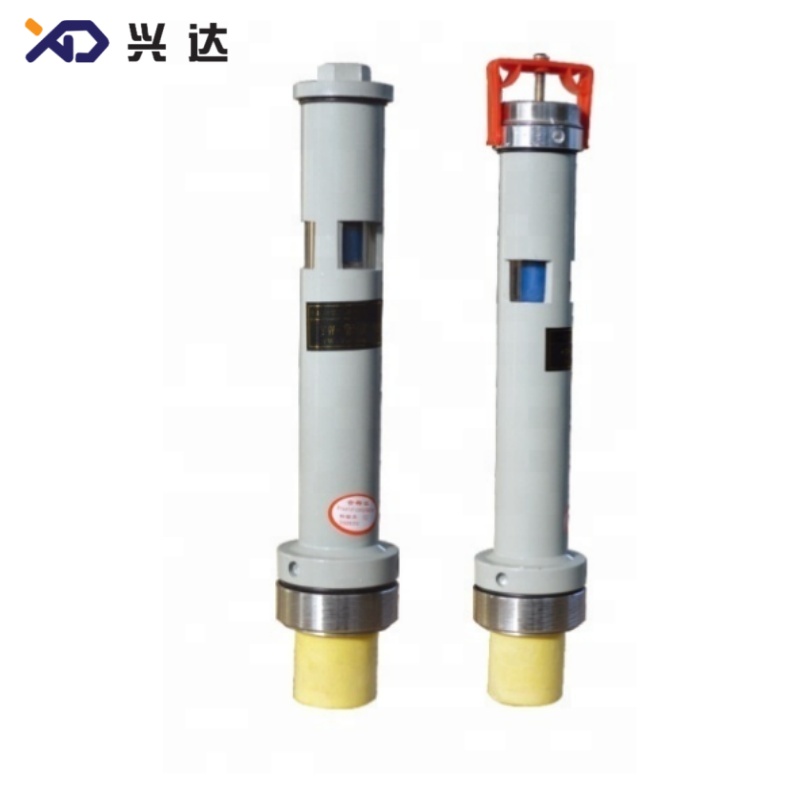
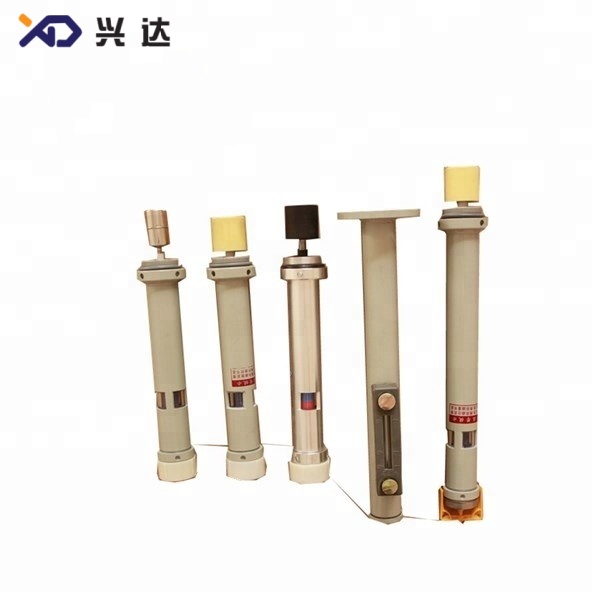
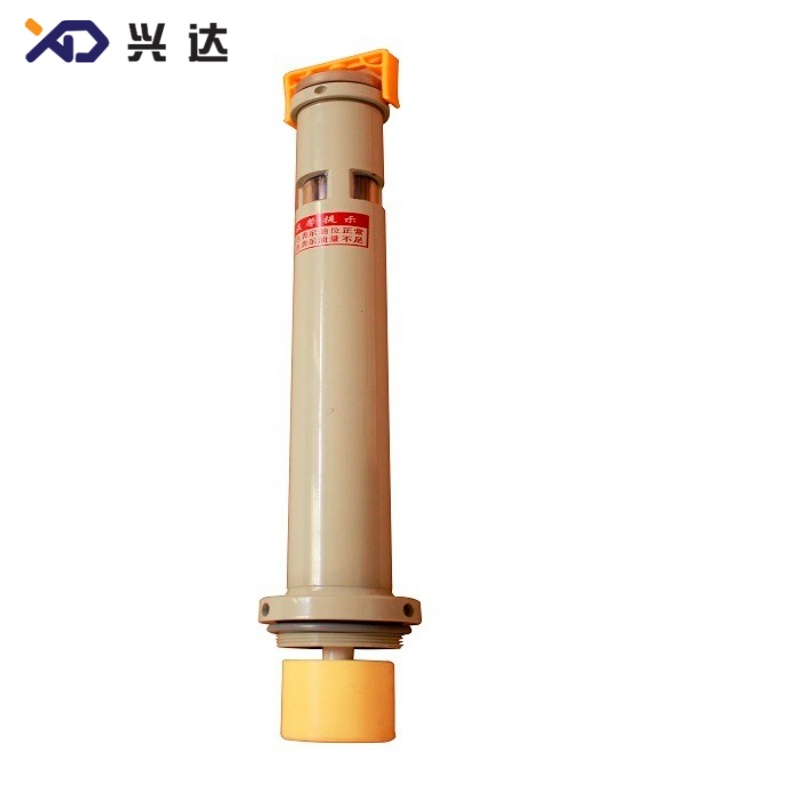
Safety Risks Brought by Malfunctioning Transformer Oil Level Indicator
1. Basic Overview of Transformer Oil Level Indicator Malfunction Hazards
Transformer oil level indicator is a crucial safety monitoring component of oil-immersed power transformers, undertaking the important function of real-time feedback of internal insulating oil storage status. Insulating oil is the core medium for transformer insulation protection and heat dissipation cooling. Stable and reasonable oil level is the basic premise to ensure the safe operation of transformer equipment. Once the oil level indicator fails, it cannot accurately reflect the actual oil level inside the transformer, resulting in misleading operation and maintenance judgment and triggering a series of potential safety hazards. Outdoor transformers operate in open and complex environments for a long time, and oil level indicators are prone to failure problems such as pointer sticking, sensor failure, seal failure and display deviation due to dust erosion, water vapor penetration, temperature alternation and aging of parts. Unlike general component faults, oil level indicator malfunction is concealed and progressive. Most faults will not trigger an immediate alarm, allowing abnormal oil level states such as oil shortage and excessive oil volume to exist for a long time. This invisible fault state will continuously damage the internal insulation structure and heat dissipation system of the transformer, and gradually evolve from minor hidden dangers to major equipment failures, even causing power outage accidents and safety accidents. Therefore, analyzing the safety risks caused by oil level indicator malfunction is of great significance for transformer daily operation maintenance, fault early warning and power grid safety guarantee.
2. Common Malfunction Types, Characteristics and Corresponding Risk Scenarios
The malfunctions of transformer oil level indicators are mainly divided into mechanical failure, sealing failure, sensing failure and display failure, each with distinct fault characteristics and corresponding safety risk scenarios, which pose layered threats to transformer operation safety. Mechanical failure is the most common type, including float rod jamming, transmission gear stuck and pointer failure to reset. This type of fault is mostly caused by long-term dust accumulation, internal rust and mechanical aging. Its typical feature is that the oil level display remains static for a long time and cannot change with the actual oil level fluctuation. In actual operation, this fault will cause operation and maintenance personnel to fail to find the slow oil leakage of the transformer in time. Long-term oil shortage will lead to insufficient internal insulation protection, resulting in partial discharge and insulation breakdown of high-voltage components, and further triggering transformer short-circuit faults. Sealing failure is mainly derived from the aging and damage of waterproof and dustproof structure, which leads to water vapor and dust entering the inside of the indicator. The characteristic is blurred dial, internal condensation and sensitive component corrosion. This failure will not only aggravate the damage of the indicator itself, but also cause moisture to penetrate into the transformer oil tank along the connecting structure, reduce the insulation performance of insulating oil, accelerate the aging of insulating paper, and greatly shorten the service life of transformer internal insulation system. Sensing failure mostly occurs in intelligent electronic oil level indicators, including data drift, signal interruption and inaccurate induction. It is characterized by unstable oil level data display and large deviation from the actual value. In high-load operation scenarios, false high oil level data will make personnel misjudge the equipment state, ignore the hidden danger of oil level drop caused by high-temperature oil expansion and later cooling shrinkage, and finally lead to insufficient heat dissipation of the transformer, local overheating and component burnout. Display failure refers to complete screen blackout, pointer loss and other faults that cannot display data normally, resulting in complete loss of oil level monitoring function. In unattended outdoor substation and pole-mounted transformer scenarios, this fault will make the transformer in a blind monitoring state for a long time, and any oil level abnormality cannot be detected and handled in time, which is extremely easy to induce major power equipment accidents. In general, all types of oil level indicator malfunctions will break the safety monitoring balance of transformers, expand equipment operation risks, and bring hidden dangers to the stable operation of regional power grids.
3. Technical Parameter Table of Fault-prone Transformer Oil Level Indicator
Parameter Item | Normal Standard Value | Fault Abnormal Performance | Risk Level |
|---|---|---|---|
Measurement Accuracy | ±2.5% FS | Deviation exceeds ±8% FS, data drift | Medium Risk |
Shell Sealing Performance | IP67 Dust-proof and Waterproof | Internal water accumulation, dust deposition | High Risk |
Float Rod Flexibility | Smooth floating with oil level change | Stuck, fixed pointer, no displacement | High Risk |
Signal Transmission Stability | Continuous and stable signal output | Signal interruption, intermittent jump | Medium Risk |
Low-temperature Adaptability | Normal operation at -40℃ | Pointer freezing, failure to respond at low temperature | Medium Risk |
High-temperature Resistance | Stable operation at +70℃ | Dial aging, data distortion at high temperature | Low Risk |
Service Life Stability | Stable operation for more than 10 years | Aging failure within 3-5 years | Medium Risk |
4. FAQ on Malfunction and Safety Risk Management
1. What direct safety accidents will be caused by oil level indicator failure?Malfunction of the oil level indicator will firstly cause inaccurate oil level monitoring. The most common direct accidents include transformer insulation damage caused by undiscovered oil shortage, local overheating and coil burnout due to poor heat dissipation, and equipment explosion hidden danger caused by excessive internal pressure from unmonitored high oil level. In severe cases, it will trigger regional power supply interruption, equipment short-circuit tripping and even fire accidents, bringing economic losses and power safety hazards.
2. How to quickly judge whether the oil level indicator is faulty?Operation and maintenance personnel can judge the fault through simple daily inspection. First, observe whether the pointer is fixed for a long time without fluctuation; second, check whether there is condensation, dust accumulation and damage inside the dial; third, compare the operating temperature, load data and oil level display data of the transformer to check for obvious inconsistencies; fourth, for intelligent indicators, check whether the transmission signal is stable and whether there is data jump. Once the above abnormal phenomena occur, it can be judged as equipment failure, and inspection and replacement shall be carried out in time.
3. How to prevent safety risks caused by indicator malfunction?The main prevention methods include regular maintenance and regular inspection. It is necessary to conduct a comprehensive inspection of the oil level indicator every quarter, clean the dust on the surface, check the sealing performance and the flexibility of the floating rod. Replace aging sealing gaskets and aging parts regularly to avoid water and dust intrusion. At the same time, establish equipment operation files, regularly calibrate the measurement accuracy of the indicator, eliminate hidden dangers in advance, and avoid safety accidents caused by long-term unattended faults.
4. Is it necessary to replace the faulty oil level indicator immediately?Yes. The oil level indicator belongs to the key safety monitoring component of the transformer. Any failure will lead to the loss of monitoring function. Even minor data deviation may evolve into major equipment faults with the operation of the transformer. Once a fault is found, the monitoring state shall be manually supplemented first, and the faulty equipment shall be replaced and repaired in the shortest time to ensure real-time and accurate oil level monitoring.
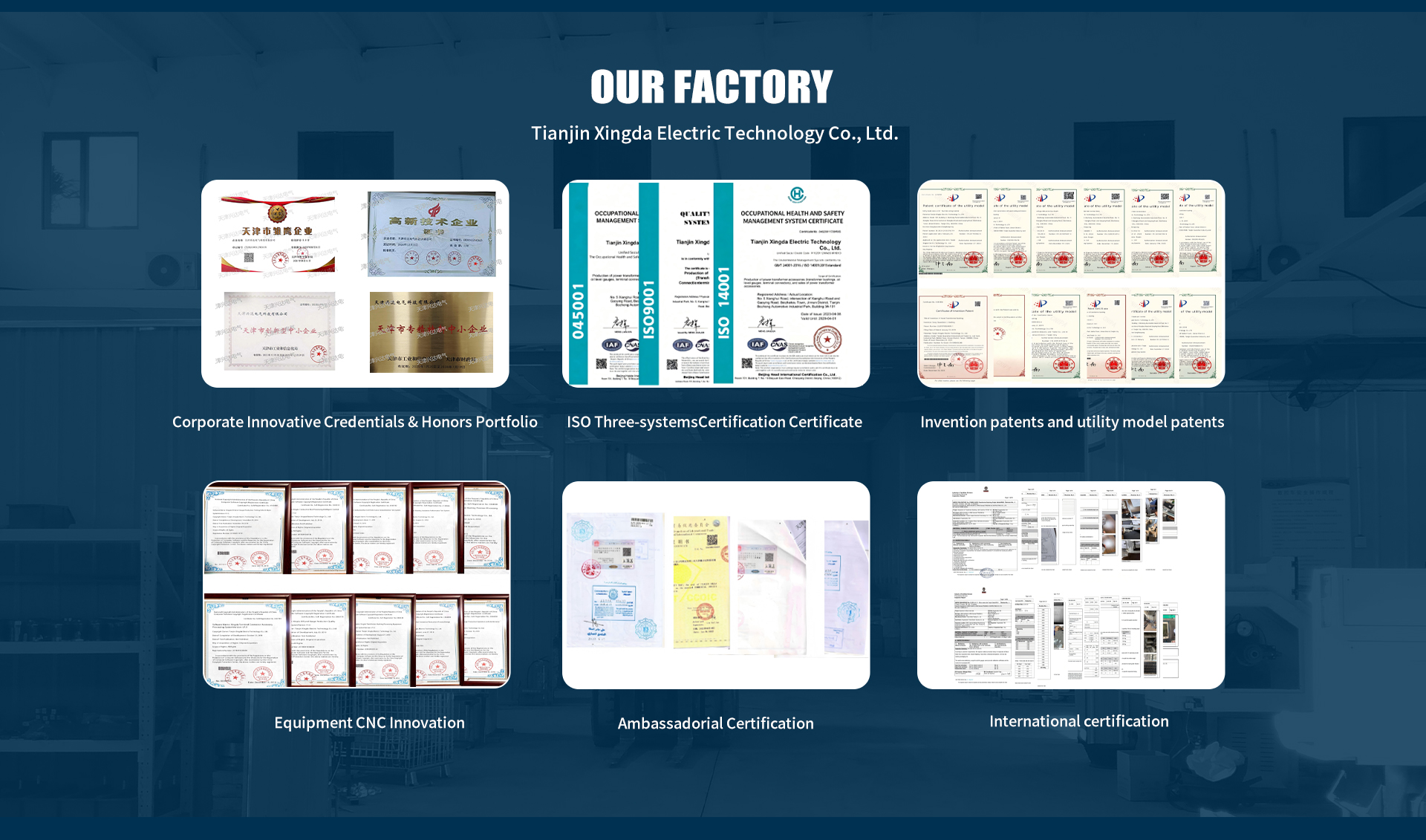
5.Certifications
Categories
Contact Us
Contact: Tianjin Delda Trading Co., Ltd
WhatsApp: +86 13662056855
Tel:
E-mail: solomon20210701@tjxddq.com
Add: Unit‑101, Workshop 3, Bozhong Automobile Industrial Park, No.5 Xianghui Road, Intersection of Xianghui Road and Gaoying Road, Beizhakou Town, Jinnan District, Tianjin, China