Pressure Relief Valve
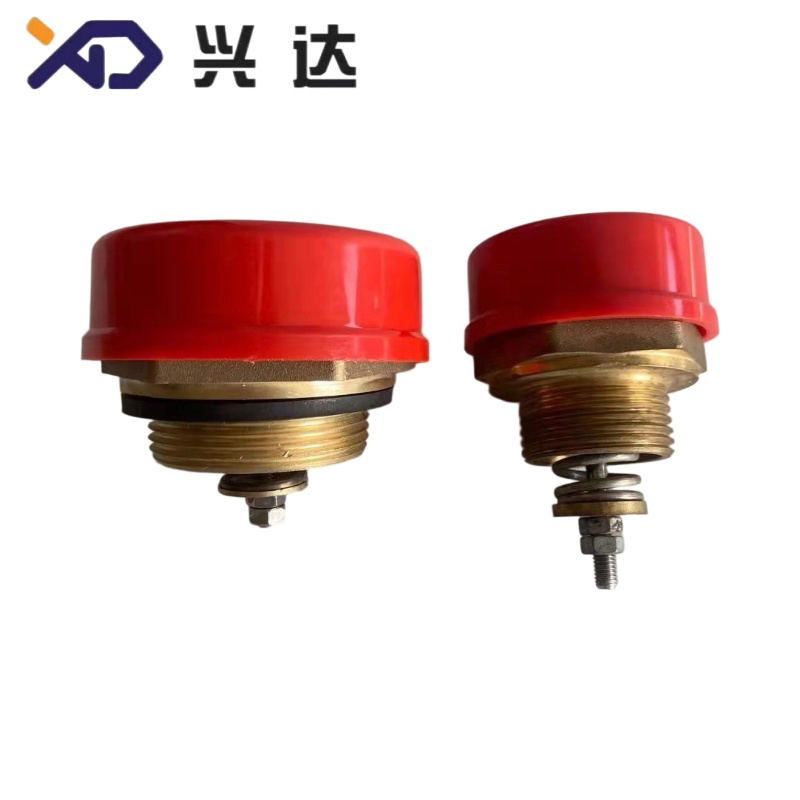
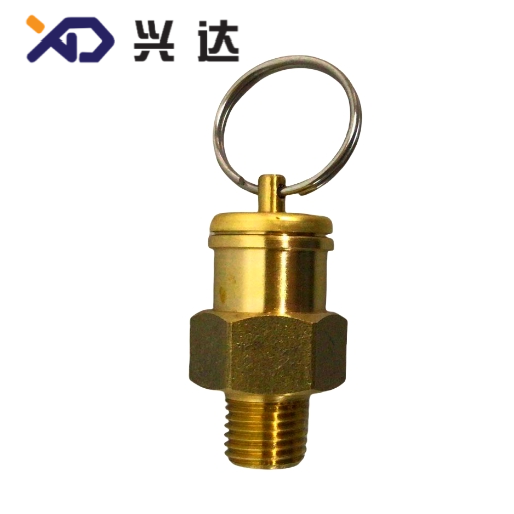
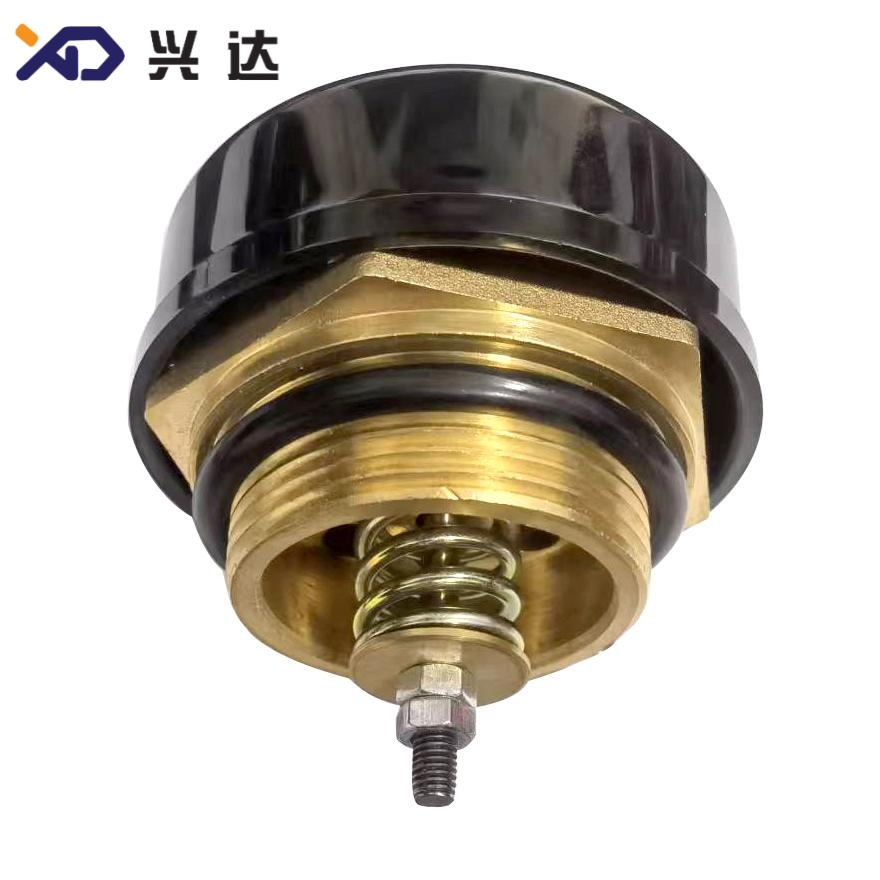
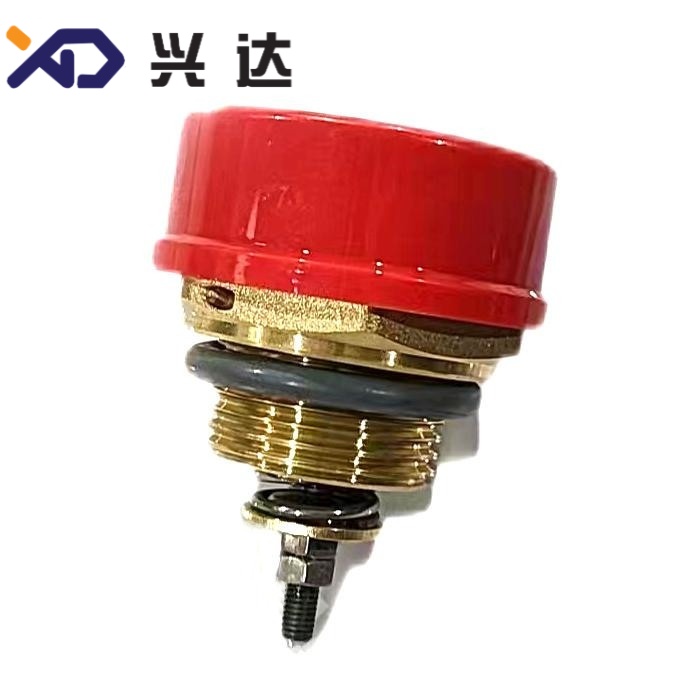
Pressure Relief Valve: Complete Guide to Industrial Pressure Protection Solutions
Pressure Relief Valve: Complete Guide to Industrial Pressure Protection Solutions
SEO Title
Pressure Relief Valve: Definition, Types, Working Principle, Specifications and Industrial Applications
Meta Description
Learn everything about pressure relief valves, including working principles, valve types, materials, specifications, advantages, applications and selection guidelines for industrial pressure control systems.
Pressure Relief Valve: Definition, Function and Industrial Importance
What Is a Pressure Relief Valve?
A pressure relief valve is an automatic safety device designed to protect industrial equipment, pipelines, pressure vessels, and mechanical systems from excessive internal pressure. When system pressure exceeds a preset safety limit, the pressure relief valve opens automatically and releases excess pressure to prevent equipment damage, system failure, or dangerous operating conditions.
Pressure relief valves are widely used in industries where pressure control and overpressure protection are critical, including power generation, oil and gas, chemical processing, petrochemical, water treatment, manufacturing, energy storage, and industrial equipment systems.
The primary function of a pressure relief valve is to maintain safe operating pressure by providing a controlled release path when abnormal pressure conditions occur.
Unlike manual valves, pressure relief valves operate automatically without requiring external power sources or human intervention. This automatic operation makes them an essential component in modern industrial safety systems.
Pressure Relief Valve Basic Information
| Item | Description |
|---|---|
| Product Name | Pressure Relief Valve |
| Alternative Names | Safety Relief Valve, Pressure Release Valve, Overpressure Protection Valve |
| Main Function | Automatic pressure control and protection |
| Operation Method | Automatic mechanical operation |
| Medium | Gas, steam, air, liquid, hydraulic fluid, chemical media |
| Installation Location | Pressure vessels, pipelines, tanks, industrial equipment |
| Main Purpose | Prevent excessive pressure buildup |
| Common Industries | Oil & Gas, Chemical, Power, Water Treatment, Manufacturing |
Why Are Pressure Relief Valves Important?
Industrial systems often operate under high pressure conditions. During normal operation, pressure remains within the designed range. However, unexpected situations such as equipment malfunction, blocked pipelines, temperature increases, chemical reactions, or control system failures can cause pressure levels to rise rapidly.
Excessive pressure may result in:
- Equipment deformation
- Pipeline rupture
- Mechanical failure
- Production interruption
- Safety hazards
- Environmental risks
A pressure relief valve provides a reliable protection mechanism by automatically reducing excessive pressure before it reaches dangerous levels.
The importance of pressure relief valves includes:
1. Equipment Protection
Pressure relief valves protect expensive industrial equipment including:
- Pressure vessels
- Boilers
- Storage tanks
- Heat exchangers
- Compressors
- Pumps
- Hydraulic systems
By preventing overpressure conditions, these valves help extend equipment service life and reduce maintenance costs.
2. Safety Improvement
Safety is the most important function of a pressure relief valve.
Industrial facilities require reliable pressure protection systems because uncontrolled pressure increases can cause serious accidents.
Pressure relief valves provide:
- Automatic emergency pressure release
- Reliable mechanical protection
- Reduced risk of explosion
- Improved workplace safety
3. System Reliability
A properly selected pressure relief valve ensures stable operation of industrial systems.
Benefits include:
- Continuous operation
- Reduced downtime
- Improved process stability
- Lower maintenance frequency
How Does a Pressure Relief Valve Work?
A pressure relief valve operates based on the balance between system pressure and spring force.
When system pressure remains below the set pressure, the valve stays closed. The spring mechanism keeps the valve disc tightly sealed against the valve seat.
When pressure increases beyond the preset value, the upward force generated by the internal pressure becomes greater than the spring force. The valve opens, allowing excess pressure to escape.
After pressure returns to a safe level, the spring pushes the valve disc back into the closed position.
Main Components of a Pressure Relief Valve
A pressure relief valve consists of several key components that work together to provide accurate pressure protection.
| Component | Function |
|---|---|
| Valve Body | Provides structural support and pressure containment |
| Valve Seat | Creates sealing surface to prevent leakage |
| Disc | Opens and closes the flow passage |
| Spring | Controls opening pressure |
| Bonnet | Protects internal components |
| Adjustment Screw | Sets valve pressure level |
| Guide | Maintains proper disc movement |
| Nozzle | Controls inlet flow |
Common Types of Pressure Relief Valves
Pressure relief valves are available in different designs depending on application requirements, pressure range, medium type, and operating conditions.
1. Spring Loaded Pressure Relief Valve
Spring loaded pressure relief valves are the most common type used in industrial applications.
The valve opening pressure is controlled by a calibrated spring.
Advantages:
- Simple structure
- Reliable operation
- Easy maintenance
- Cost-effective design
- Suitable for various applications
Typical applications:
- Steam systems
- Air compressors
- Pressure vessels
- Industrial pipelines
2. Pilot Operated Pressure Relief Valve
A pilot operated pressure relief valve uses a small pilot valve to control the main valve operation.
This design provides higher accuracy and better performance in high-pressure systems.
Advantages:
- Higher pressure capacity
- Improved sealing performance
- Reduced leakage
- Suitable for large systems
Common applications:
- Oil and gas facilities
- Large storage tanks
- High-pressure processing equipment
3. Safety Relief Valve
A safety relief valve combines the functions of a safety valve and a relief valve.
It can handle both:
- Compressible fluids such as steam and gas
- Non-compressible fluids such as liquids
Applications include:
- Boilers
- Chemical equipment
- Industrial pressure systems
4. Thermal Pressure Relief Valve
Thermal pressure relief valves are designed to protect systems where pressure increases due to temperature expansion.
Common applications:
- Liquid pipelines
- Hydraulic systems
- Heat transfer systems
Pressure Relief Valve Types Comparison Table
| Valve Type | Operating Medium | Main Feature | Typical Application |
|---|---|---|---|
| Spring Loaded Valve | Gas, Liquid, Steam | Simple and reliable | General industrial systems |
| Pilot Operated Valve | Gas, Liquid | High accuracy | High-pressure applications |
| Safety Relief Valve | Steam, Gas, Liquid | Dual protection function | Boilers and pressure vessels |
| Thermal Relief Valve | Liquid | Temperature expansion protection | Hydraulic systems |
Pressure Relief Valve Applications
Pressure relief valves are essential safety components used across multiple industries.
Oil and Gas Industry
In oil and gas facilities, pressure relief valves protect equipment operating under extreme pressure conditions.
Applications include:
- Oil pipelines
- Gas processing systems
- Storage tanks
- Compressors
- Refinery equipment
Pressure control is critical because oil and gas systems often involve flammable and high-pressure media.
Chemical Processing Industry
Chemical plants require reliable pressure protection because chemical reactions may generate unexpected pressure increases.
Pressure relief valves are installed on:
- Reactors
- Storage vessels
- Processing equipment
- Chemical pipelines
They help maintain safe operating conditions and prevent hazardous pressure events.
Power Generation Industry
Power plants use pressure relief valves in:
- Steam boilers
- Turbines
- Heat exchangers
- Steam pipelines
They provide protection against excessive steam pressure and thermal expansion.
Water Treatment Systems
Water treatment facilities use pressure relief valves for:
- Pump systems
- Filtration equipment
- Pressure tanks
- Hydraulic systems
These valves help maintain stable pressure and protect equipment from sudden pressure changes.
Part 2/3
- Pressure Relief Valve Advantages
- Technical Specification Tables
- Materials
- Pressure Ratings
- Size Standards
- Installation Guide
- Maintenance Requirements
- Selection Factors
Part 3/3
- Industry Keywords
- SEO FAQ
- Application Summary
- Buyer Guide
- Conclusion
Categories
Contact Us
Contact: Tianjin Delda Trading Co., Ltd
WhatsApp: +86 13662056855
Tel:
E-mail: solomon20210701@tjxddq.com
Add: Unit‑101, Workshop 3, Bozhong Automobile Industrial Park, No.5 Xianghui Road, Intersection of Xianghui Road and Gaoying Road, Beizhakou Town, Jinnan District, Tianjin, China