Tap changer
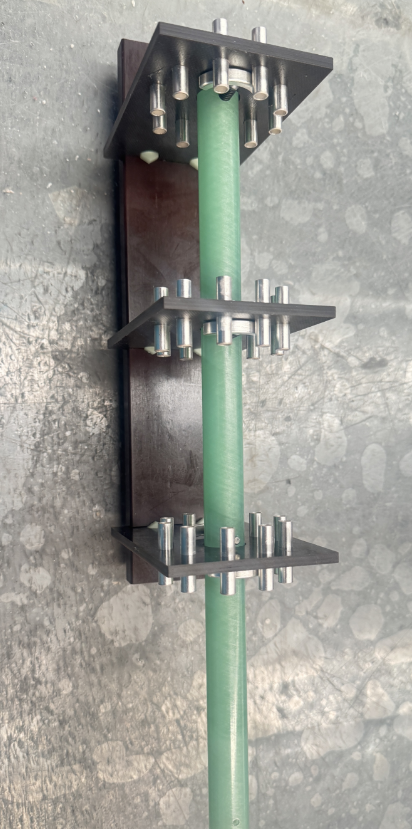
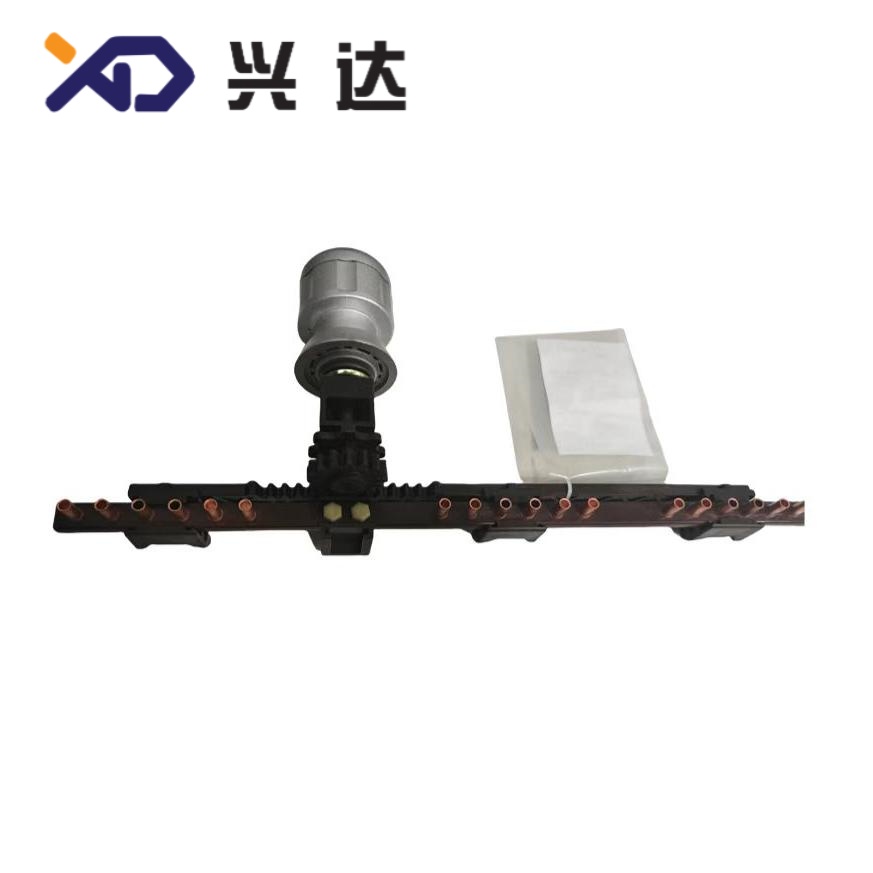
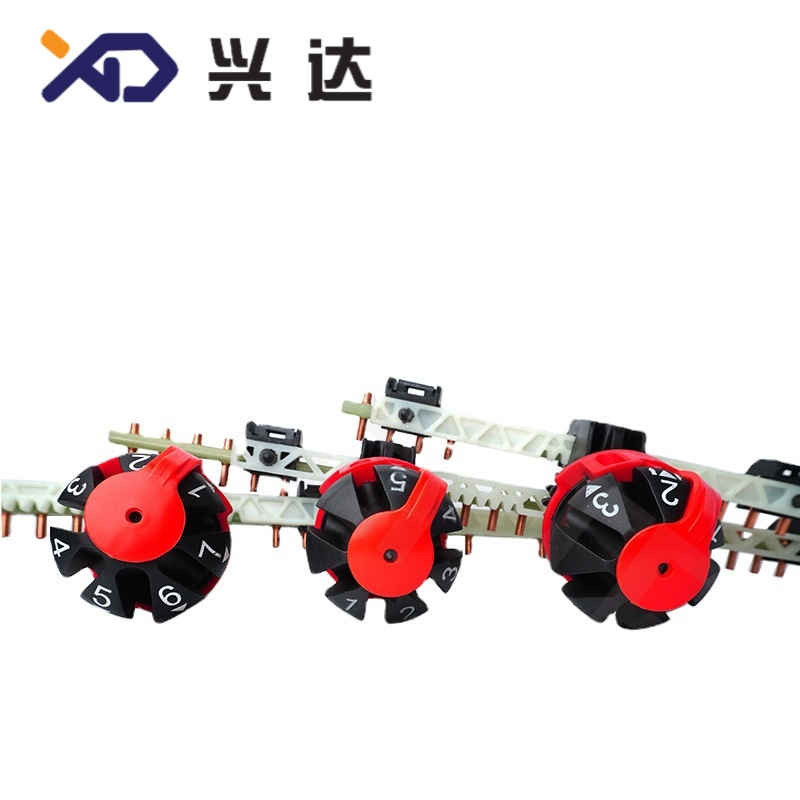
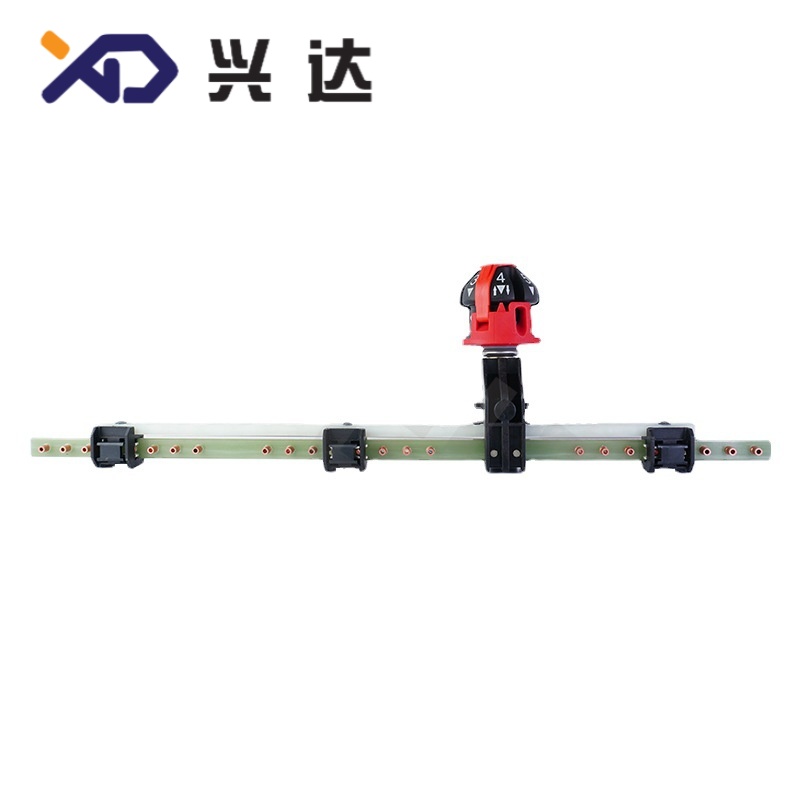
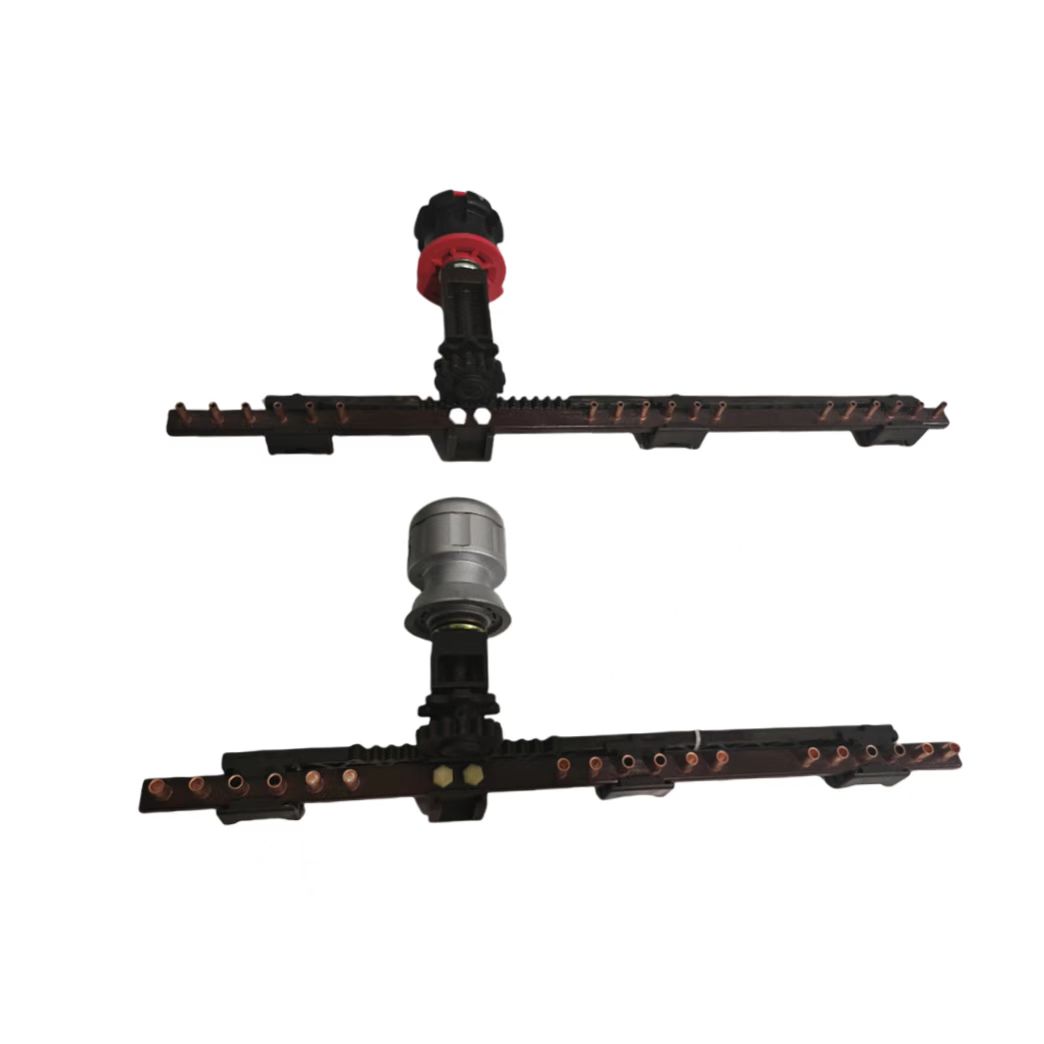
tap changer for power transformer
Transformer Tap Changer: Types, Working Principle, Specifications, Advantages and Selection Guide
Introduction
A tap changer is an essential voltage regulation component installed on power and distribution transformers, designed to adjust the transformer winding turns ratio to stabilize output voltage under fluctuating grid loads and input voltage conditions. As a core auxiliary device for power transformers, the tap changer ensures power supply stability, improves power quality, and extends the overall service life of transformer equipment. It is widely matched with oil-immersed transformers, dry-type transformers, and supporting accessories such as transformer porcelain bushings, copper conductive rods, and brass flag terminals.
Grid voltage fluctuation is a common problem in power distribution systems, caused by peak load changes, long-distance power transmission losses, and seasonal power consumption variations. Without effective voltage adjustment, overvoltage will damage electrical equipment, while undervoltage will reduce operational efficiency and cause equipment failure. The tap changer solves this problem by fine-tuning the effective winding turns, maintaining the transformer output voltage within the standard allowable range. This article systematically introduces the definition, classification, working principle, technical specifications, core advantages, selection criteria, and maintenance knowledge of transformer tap changers, providing professional industry reference for electrical engineers, equipment purchasers, and power system maintenance personnel.
What Is a Transformer Tap Changer
A transformer tap changer is a mechanical switching device that changes the transformation ratio by switching different tap positions of the transformer regulating winding. According to electromagnetic principles, the transformer output voltage is determined by the turns ratio between the primary winding and secondary winding. By adjusting the tap position, the number of effective turns in the winding is increased or decreased, thereby raising or lowering the output voltage to adapt to different grid operating conditions.
In industrial power standards such as IEC and IEEE, tap changers are divided into two core categories: On-Load Tap Changer (OLTC) and De-Energized Tap Changer (DETC), also known as Off-Circuit Tap Changer (OCTC). The biggest difference between the two lies in whether voltage adjustment can be performed under live load operation. Both types are standard supporting components for 12kV to 36kV high-voltage distribution transformers and low-voltage power transformers, compatible with DIN standard transformer accessories and conventional transformer iron core assemblies.
Two Main Types of Transformer Tap Changers & Core Differences
Tap changers are classified by operating conditions and structural principles, with distinct applicable scenarios, operational modes, and technical parameters. The following table summarizes the key differences between mainstream tap changer types for quick identification and selection.
Item | On-Load Tap Changer (OLTC) | De-Energized Tap Changer (DETC) |
|---|---|---|
Operating Condition | Adjustable under energized and load-bearing state | Adjustable only after transformer power off and de-energization |
Working Principle | Make-before-break switching, no power interruption during adjustment | Break-before-make switching, power must be cut off first |
Adjustment Frequency | Frequent adjustment, suitable for unstable grid voltage | Infrequent seasonal or periodic adjustment |
Operation Mode | Automatic electric control / manual emergency operation | Manual mechanical adjustment only |
Cost & Structure | Complex structure, high manufacturing cost, high precision requirement | Simple structure, low cost, easy installation and maintenance |
Applicable Equipment | High-capacity main transformers, grid core substation transformers | Medium and small distribution transformers, industrial conventional transformers |
Voltage Adjustment Range | ±5%, ±8%, ±10% multi-stage fine adjustment | ±2.5%, ±5% conventional fixed adjustment |
OLTC adopts resistor-type or reactor-type transition switching technology, which can complete tap switching in milliseconds, ensuring uninterrupted power supply. It is the core voltage regulation device for modern smart power grids. DETC relies on manual gear shifting, which has no arc hazard during operation and higher safety, making it the mainstream choice for conventional civil and industrial distribution transformers.
Working Principle of Tap Changer
1. Voltage Regulation Logic
The core working logic of a tap changer is changing the transformer turns ratio. When the grid input voltage is too high, the tap changer increases the number of primary winding turns to reduce the transformation ratio and lower the output voltage. When the input voltage is too low, it reduces the winding turns to raise the output voltage, realizing closed-loop voltage stabilization. Common standard adjustment steps are 1.25% or 2.5% per gear, which can accurately compensate for grid voltage deviation.
2. On-Load Tap Changer Working Mechanism
The OLTC consists of a diverter switch, tap selector, transmission mechanism, and transition resistor. It adopts the advanced make-before-break design. During switching, the device temporarily connects two adjacent tap positions to transfer the load current, avoiding power interruption. The high-speed mechanical structure completes current conversion in an extremely short time, suppressing switching arcs and ensuring stable operation of the transformer and matching accessories such as bushings and terminals.
3. De-Energized Tap Changer Working Mechanism
The DETC has a simple mechanical structure with independent tap gears. After the transformer is completely powered off and discharged, the manual rotating mechanism drives the contact to switch the tap position. Since there is no current during adjustment, no arc will be generated, with extremely low failure rate and high operational safety. It is suitable for scenarios where long-term stable voltage is required and frequent adjustment is unnecessary.
General Technical Specifications of Standard Tap Changers
The following industry universal specification parameters apply to most oil-immersed distribution transformer tap changers, covering mainstream voltage levels and capacity ranges, complying with IEC 60214 international standards and DIN industrial specifications.
Technical Parameter | DETC Standard Value | OLTC Standard Value |
|---|---|---|
Rated Voltage Level | 1kV / 12kV / 24kV / 36kV | 12kV / 24kV / 36kV / 110kV |
Rated Current Range | 250A ~ 630A | 630A ~ 2000A |
Voltage Adjustment Range | ±2.5% / ±5% | ±5% / ±8% / ±10% |
Tap Position Number | 3 / 5 positions | 7 / 9 / 15 positions |
Mechanical Life | 10,000 switching cycles | 500,000 switching cycles |
Insulation Medium | Transformer oil / air insulation | Sealed transformer oil insulation |
Matching Transformer Capacity | 50kVA ~ 1600kVA | 2000kVA ~ 50000kVA |
Core Advantages of High-Quality Transformer Tap Changers
1. Stable Power Quality Control
Tap changers effectively suppress grid voltage deviation caused by load changes and line losses, keeping the transformer output voltage within the national standard range. Stable voltage avoids equipment overheating, burnout, and low-efficiency operation, ensuring the normal operation of industrial production and civil power equipment.
2. High Operational Safety and Reliability
Standard tap changers adopt arc-suppression design and high-insulation materials. OLTC realizes non-stop switching, while DETC eliminates arc risks through power-off operation. The overall structure is waterproof, dustproof, and corrosion-resistant, adapting to outdoor substation, industrial workshop, and high-humidity and high-temperature operating environments. It matches perfectly with transformer iron cores and porcelain bushings to ensure the overall stable operation of transformer assemblies.
3. Low Operation and Maintenance Cost
High-precision manufactured tap changers have low contact wear and long mechanical service life. Regular oil inspection and simple cleaning can maintain long-term stable operation, avoiding frequent replacement and overhaul costs. Compared with other voltage regulation equipment, tap changers have higher cost performance in long-term grid operation.
4. Strong Compatibility and Standardization
Most tap changers follow IEC and DIN unified standards, with standardized installation dimensions and electrical parameters. They are compatible with mainstream brand transformers on the market, and can be perfectly matched with transformer brass flag terminals, copper conductive rods, and porcelain bushing accessories, facilitating equipment assembly, replacement, and after-sales maintenance.
5. Energy Saving and Consumption Reduction
Reasonable voltage adjustment avoids long-term overvoltage operation of transformers, reduces iron loss and copper loss of transformer iron cores, and lowers no-load and load power consumption. For large-scale power grid systems, the widespread application of high-quality tap changers can significantly reduce overall grid energy consumption and improve power utilization efficiency.
Common Application Scenarios of Tap Changers
Tap changers are indispensable core accessories in power transmission and distribution systems, covering almost all scenarios involving transformer voltage regulation:
- Urban and rural power grid distribution transformers (12kV/36kV conventional oil-immersed transformers)
- Industrial factory dedicated power transformers and workshop power supply equipment
- Substation main transformers and high-capacity power conversion equipment
- Renewable energy power stations such as wind power and photovoltaic power generation step-up transformers
- Railway, mining, and petrochemical special power transformers
- Dry-type transformers for commercial buildings and indoor power distribution rooms
Tap Changer Selection Guide
To select a suitable transformer tap changer, users need to comprehensively consider transformer capacity, voltage level, load stability, and operating environment. The core selection principles are as follows:
First, confirm the voltage level and rated current. Match 12kV/36kV low and medium voltage tap changers for conventional distribution transformers, and select high-current OLTC for large-capacity main transformers above 2000kVA. Second, select the type according to load fluctuation: choose OLTC for scenarios with frequent voltage fluctuations and uninterrupted power supply requirements; choose cost-effective DETC for stable load and seasonal adjustment scenarios.
Third, check the matching performance with transformer accessories. Ensure the tap changer parameters match the transformer iron core, winding parameters, and supporting porcelain bushings and terminals to avoid assembly incompatibility. Finally, prioritize products that meet international IEC and DIN standards to ensure universality and after-sales maintainability.
Daily Maintenance and Fault Prevention
Regular maintenance can effectively extend the service life of tap changers and reduce grid operation faults. For oil-immersed tap changers, regularly check the insulating oil quality, oil level, and sealing performance to prevent oil leakage and oil deterioration. For mechanical structures, regularly inspect contact wear, transmission flexibility, and grounding conditions.
Common faults of tap changers include poor contact, mechanical jamming, and insulation aging. Most faults are caused by long-term vibration, damp environment, and irregular operation. Regular inspection, dust removal, anti-rust treatment, and gear lubrication can effectively avoid hidden dangers and ensure long-term stable operation of voltage regulation functions.
Conclusion
As a key voltage regulation component of power transformers, the tap changer plays an irreplaceable role in stabilizing grid voltage, improving power quality, and reducing equipment energy consumption. On-load tap changers and de-energized tap changers have their own advantages and applicable scenarios, covering all types of distribution and industrial transformers from low voltage to high voltage.
Understanding the working principle, standard specifications, and selection skills of tap changers helps electrical practitioners configure transformer equipment reasonably, reduce operation failure rates, and save long-term operation and maintenance costs. With the continuous upgrading of smart power grids, high-precision, long-life, and energy-saving tap changers will become the mainstream development direction of power transformer supporting accessories, cooperating with transformer iron cores, porcelain bushings, and conductive terminals to build a more stable and efficient power distribution system.
Categories
Contact Us
Contact: Tianjin Delda Trading Co., Ltd
WhatsApp: +86 13662056855
Tel:
E-mail: solomon20210701@tjxddq.com
Add: Unit‑101, Workshop 3, Bozhong Automobile Industrial Park, No.5 Xianghui Road, Intersection of Xianghui Road and Gaoying Road, Beizhakou Town, Jinnan District, Tianjin, China