Tap changer
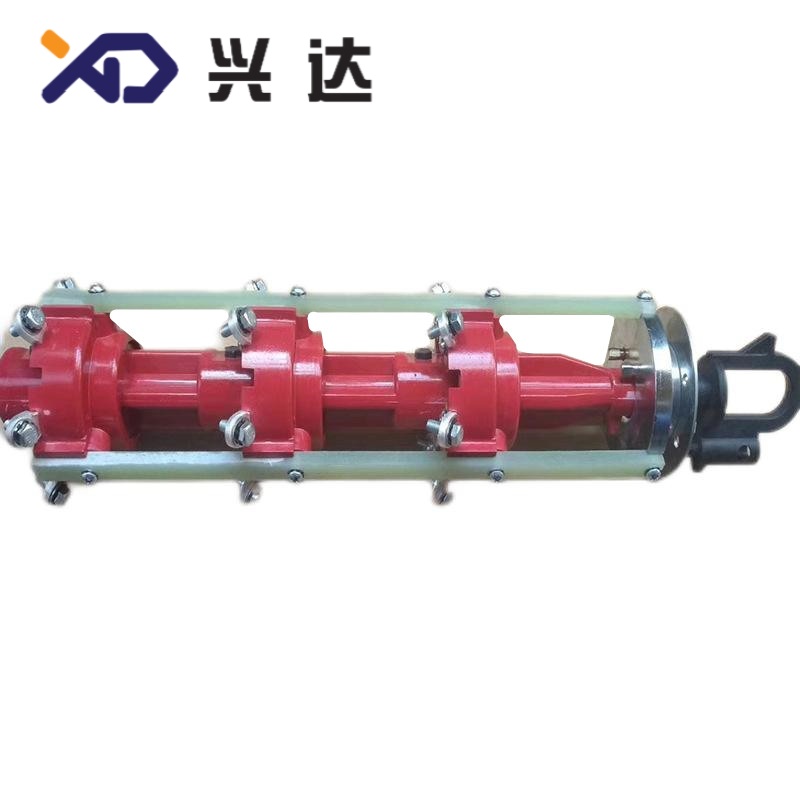
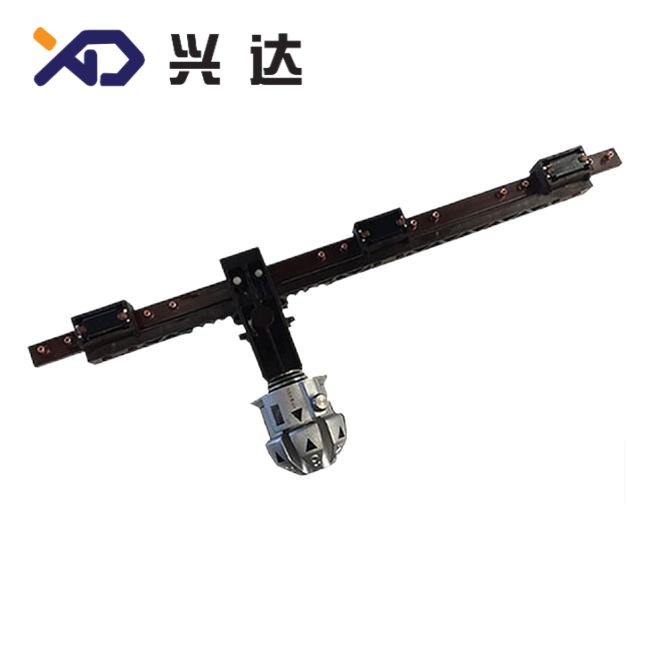
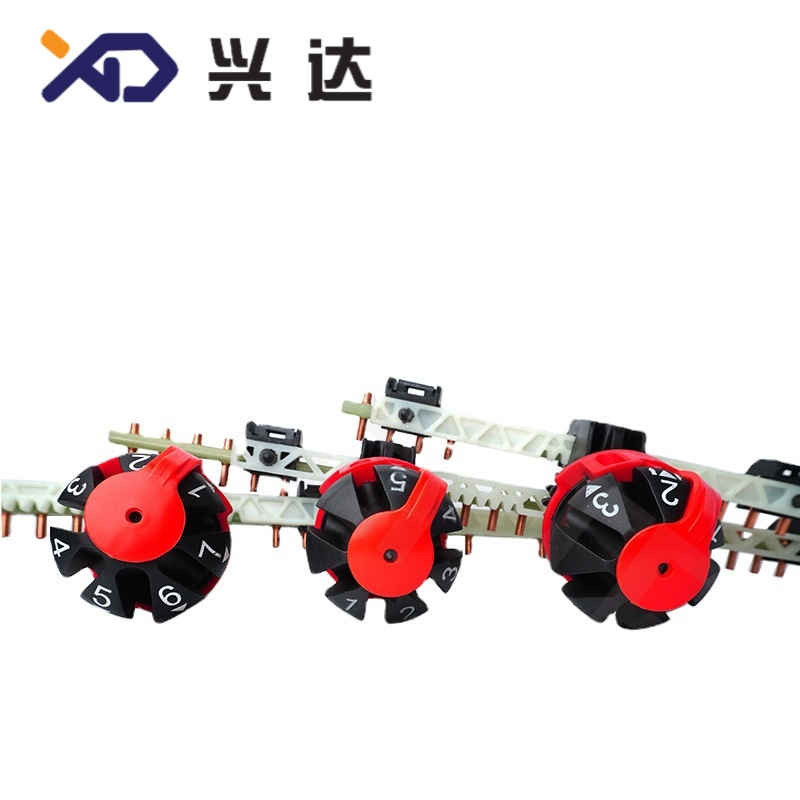
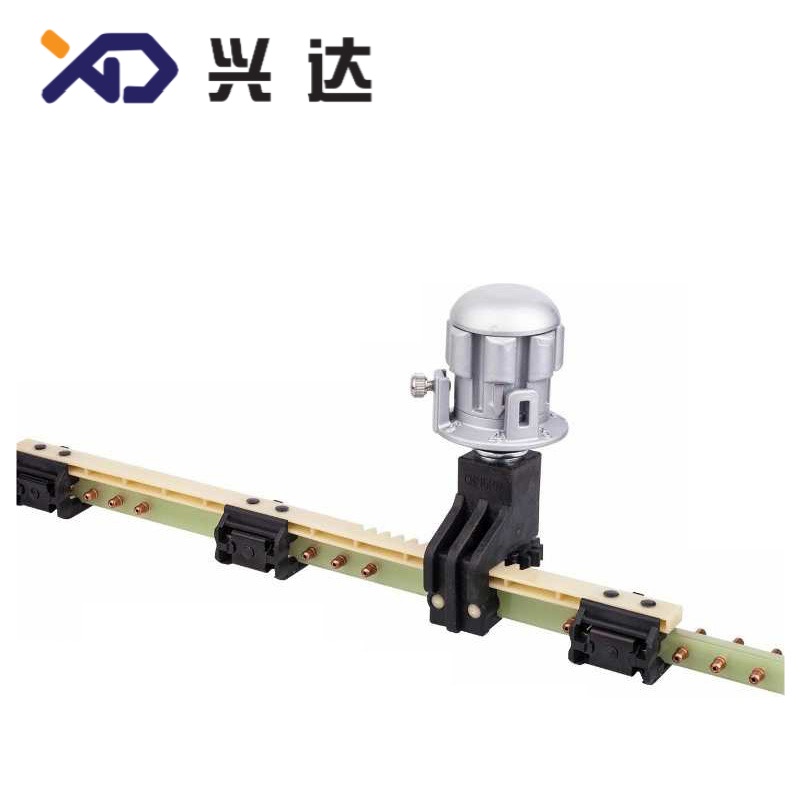
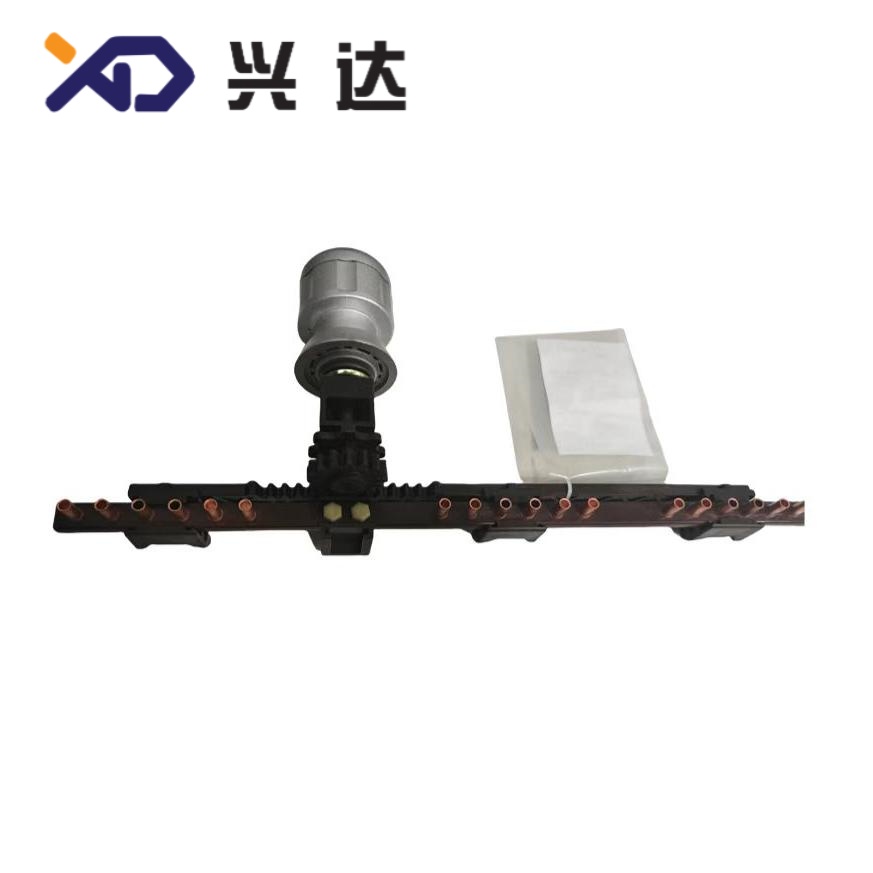
High‑Reliability Tap Changer for Power & Distribution Transformer
Tap Changer: Complete Technical Guide for Power Transformer Voltage Regulation
Introduction
Tap changer is an essential transformer accessory designed to adjust transformer winding turns‑ratio and stabilize output voltage under variable grid input voltage and fluctuating load conditions. Within power transmission and distribution networks, grid supply voltage often deviates from nominal values due to long‑distance line loss, peak‑valley load variation, renewable energy output fluctuation and industrial heavy‑load switching. Without proper tap changer configuration, transformer secondary‑side output voltage will drift outside permitted tolerance range, causing damage to end‑user electrical equipment, reducing power quality and lowering overall grid operation efficiency.
Two mainstream tap‑changer categories dominate global power‑equipment markets: on‑load tap changer (OLTC) and de‑energized / off‑load tap changer (DETC / NLTC). On‑load tap changer supports tap‑position switching while transformer remains energized and carries full load, which is widely adopted for substation power transformers and critical industrial units. Off‑load tap changer requires full transformer de‑energization before tap adjustment, mostly applied for general‑purpose distribution transformers with infrequent voltage‑tuning demands.
This SEO‑optimized technical article delivers general‑industry knowledge without referencing any specific manufacturer or brand. It covers core definition, working principles, main types, key advantages, universal technical specification table, typical application scenarios, product selection guidelines, installation‑maintenance rules and common‑fault troubleshooting for tap changer. The content can be directly published on official‑website industry blogs, category landing pages and technical resource pages for Google indexing.
What is Tap Changer?
Tap changer is a specialized electromechanical switching assembly integrated inside or mounted on power and distribution transformers. Its core working logic is to switch among different tap terminals on high‑voltage windings, modify effective winding turn quantity, and further adjust transformer voltage transformation ratio to keep secondary‑side output voltage within acceptable operating range.
Tap changers are normally installed on high‑voltage windings. Compared with low‑voltage side, high‑voltage winding carries smaller current, lowering mechanical‑switch contact wear during tap‑changing operation. A complete tap‑changer assembly consists of core switching contacts, tap selector unit, diverter switch (for OLTC), transition resistors or reactors, motor‑drive mechanism, position indicator and interlocking protection components. For oil‑immersed transformers, most tap‑changer core parts operate immersed inside transformer insulating oil for arc suppression and insulation protection. Vacuum‑type on‑load tap changers adopt vacuum interrupters to extinguish electric arcs instead of relying purely on insulating‑oil performance.
According to operating conditions, tap changers are divided into two fundamental families. The first is On‑Load Tap Changer (OLTC): it can complete tap‑position transition under full load without power‑supply interruption, equipped with transition circuit to avoid load‑current break‑off during switching procedure. The second is De‑energized Tap Changer (DETC / Off‑Load Tap Changer): tap‑changing operation must be executed after transformer is fully powered off; no‑load switching structure features simpler mechanical layout and lower cost, but cannot respond to real‑time grid‑voltage fluctuation.
All tap‑changer design and testing shall comply with international standards including IEC 60214‑1, IEC 60214‑2 and IEEE C57.131, covering dielectric performance, mechanical endurance, switching capacity and environmental adaptability requirements.
Core Advantages of Standard Tap Changer
Properly selected and well‑manufactured tap changers bring multiple critical benefits for transformer systems and power‑grid operation.
- Stable Output Voltage & Improved Power QualityTap changer compensates input‑voltage deviation and load‑caused voltage drop actively or passively. It maintains secondary‑side voltage within standard tolerance window, protecting industrial production equipment, municipal power‑consuming facilities and end‑user devices from over‑voltage or under‑voltage hazards. Stable voltage level also reduces equipment failure rate and extends service life of downstream electrical apparatus.
- On‑Load Tap Changer Realizes Uninterrupted Voltage RegulationOLTC units cooperate with automatic voltage‑regulating controllers. They adjust tap positions automatically following real‑time grid‑voltage variation, without cutting off transformer output power. This feature is irreplaceable for substations, large‑scale industrial plants and renewable‑energy booster stations that cannot afford power‑supply interruption.
- Wide Compatibility for Diverse Transformer ProjectsTap‑changer products cover multiple voltage classes, current ratings, tap‑step quantities and adjustment ranges. Off‑load tap changers serve cost‑sensitive distribution‑transformer projects; on‑load tap changers adapt to high‑capacity power transformers. Vacuum‑type OLTC and oil‑immersed OLTC satisfy different environmental and maintenance‑requirement scenarios. Custom tap‑step settings are available for special‑engineering demands.
- High Mechanical‑Dielectric Reliability with Standardized InterchangeabilityStandard tap‑changer products follow unified international dimensional and performance specifications. During transformer overhaul and retrofit, dimension‑matched tap‑changer assemblies can replace aging or damaged units without heavy modification to transformer tank and winding structure, shortening maintenance cycle and lowering asset‑operation costs. Qualified tap changers pass strict endurance tests to guarantee long‑term stable switching performance.
- Flexible Manual & Automatic Operation ModesTap‑changer drive mechanisms support both local manual operation and remote motor‑driven control. OLTC can link with external AVR (Automatic Voltage Regulator) modules to realize unattended automatic regulation, which fits modern smart‑grid construction requirements. Operators can also execute manual tap adjustment under special‑condition maintenance scenarios.
General Technical Specification Table for Tap Changer
Note: The table presents universal industry‑range parameters for standard tap changers. Actual technical parameters shall be confirmed according to transformer design documents and project requirements.
表格
| Parameter Item | General Specification Range | Technical Description |
|---|---|---|
| Main Types | On‑Load Tap Changer(OLTC) / De‑energized Tap Changer(DETC) | OLTC for live‑load adjustment; DETC for de‑energized adjustment |
| Rated Voltage Level | 10kV‑400kV | Matches distribution and power‑transformer voltage grades |
| Rated Through‑Current | 100A‑2000A | Maximum continuous load current passing through tap‑changer contacts |
| Typical Tap Adjustment Range | ±5%, ±8%, ±10% | Common voltage‑regulation scope for power‑grid transformers |
| Single‑Step Voltage | 0.625%‑2.5% per step | Voltage variation generated by each single tap‑position shift |
| Total Tap Positions | 3‑33 steps | More steps deliver finer voltage‑regulation precision |
| Insulation Medium | Mineral Transformer Oil / Vacuum / SF6 Gas | Oil‑immersed is mainstream; vacuum type reduces carbon‑deposit risk |
| Operation Mode | Manual / Motor‑Driven / Automatic AVR Control | OLTC supports automatic closed‑loop voltage regulation |
| Mechanical Endurance | 100 000‑500 000 switching cycles | Total valid tap‑change times within service cycle |
| Compliance Standard | IEC 60214‑1, IEC 60214‑2, IEEE C57.131 | Global testing‑and‑performance standards for tap‑changer products |
| Applicable Equipment | Oil‑Immersed / Dry‑Type Power & Distribution Transformer | Mainly assembled on high‑voltage winding side |
| Operating Ambient Temperature | ‑40℃ ~ +85℃ | Adapts to most field‑installation climate conditions |
Main Application Scenarios for Tap Changer
Tap changer acts as the core voltage‑regulating component for nearly all medium‑and‑large‑capacity transformers. Major application fields are listed below.
1. Grid Substation Power Transformers
High‑voltage substation transformers represent the largest‑scale application scenario for on‑load tap changers. Frequent grid‑voltage fluctuation occurs during power‑grid peak‑load and valley‑load periods. OLTC executes real‑time tap‑switching to stabilize distribution‑network output voltage, guaranteeing stable power supply for urban and rural power consumers.
2. Industrial Heavy‑Duty Transformer Systems
Large‑capacity industrial transformers deployed in manufacturing plants, mining sites and chemical factories face frequent load impact and voltage deviation. OLTC maintains stable secondary‑side voltage to assure continuous and reliable operation of high‑precision production equipment. For small‑and‑medium‑capacity industrial distribution transformers with rare‑adjustment requirements, cost‑effective off‑load tap changers are widely adopted.
3. Renewable‑Energy Power Station Transformers
Wind‑farm and solar‑power‑station step‑up transformers are commonly equipped with on‑load tap changers. Renewable‑energy generation features intermittent and fluctuating output characteristics, which easily cause grid‑voltage swing. Tap‑changer cooperates with grid‑control systems to realize dynamic voltage adjustment, helping new‑energy power stations satisfy grid‑connection technical specifications.
4. Urban & Rural Distribution Transformer Projects
Mass‑quantity distribution transformers for residential and municipal power‑supply mostly adopt off‑load tap changers. Operators complete tap‑position adjustment during transformer commissioning or periodic power‑cut maintenance according to local‑grid long‑term average‑voltage status, realizing static voltage compensation for regional power‑supply networks.
5. Transformer Retrofit & Overhaul Projects
Large quantities of aging transformers are still running across global power grids. Tap‑changer contact abrasion, insulation aging and mechanical‑drive‑mechanism failure belong to frequent transformer faults. Standard‑specification replacement tap‑changer assemblies support drop‑in overhaul, effectively restoring transformer voltage‑regulation function and extending overall equipment service life.
Key Factors for Tap Changer Selection
Engineers and procurement specialists need to evaluate multiple critical dimensions during tap‑changer specification selection to avoid parameter mismatch and premature‑failure risks.
First, confirm tap‑changer type according to actual operation requirements. Select on‑load tap changer (OLTC) if real‑time live‑load voltage adjustment is required and power‑supply interruption is not permitted. Choose off‑load de‑energized tap changer (DETC) for scenarios where voltage adjustment happens only during power‑off maintenance, to control project investment cost.
Second, match rated voltage, rated through‑current and tap‑step parameters. Tap‑changer voltage and current ratings must meet transformer nominal operating parameters. Confirm required voltage‑adjustment range and single‑step voltage amplitude according to grid‑voltage‑fluctuation characteristics. Too‑few tap steps will lead to coarse‑grade voltage regulation, while excessive tap positions raise equipment cost and mechanical‑structure complexity.
Third, select proper insulation medium. Traditional oil‑immersed tap changers feature mature technology and competitive cost; vacuum‑interrupter‑type OLTC reduces contact carbon‑deposit caused by electric‑arc burning, lowering maintenance workload and adapting to long‑term unattended operation scenarios.
Fourth, verify mechanical‑drive‑mode and interface compatibility. Confirm whether manual local operation, motor‑driven remote control or AVR automatic‑regulation function is needed. Check mechanical‑mounting dimension, wiring interface and position‑signal‑feedback protocol to ensure perfect matching with transformer tank structure and external control system.
Fifth, evaluate field environmental conditions. For high‑altitude, low‑temperature or heavily‑polluted installation sites, select tap‑changer products with reinforced insulation performance and environment‑adapted sealing materials.
Installation, Commissioning and Routine Maintenance Guidance
Even high‑quality tap‑changer products will suffer performance degradation or early‑stage faults without standardized installation and regular maintenance.
During installation and commissioning, strictly follow official technical specifications. Guarantee correct mechanical‑assembly alignment for tap selector, diverter switch and motor‑drive unit. Check inter‑locking mechanism function to prohibit invalid mis‑operation. For oil‑immersed tap changers, keep internal insulating‑oil clean and meet dielectric‑strength requirements. Verify tap‑position‑indicator display consistency with actual mechanical position; complete full‑range tap‑switching test before transformer energization to eliminate mechanical‑jamming hidden dangers.
In daily transformer operation, implement periodic inspection work. For OLTC units, monitor tap‑position feedback signal, motor‑drive‑mechanism status and oil‑quality trend. Observe abnormal noise, oil leakage or mechanical‑action failure. Conduct regular oil‑sample testing for oil‑immersed tap changers; detect carbon‑particle content generated by contact arcing. For vacuum‑type OLTC, focus on vacuum‑interrupter performance inspection.
During transformer scheduled maintenance, inspect contact abrasion degree, fastener tightening condition and sealing‑gasket aging status. Clean mechanical transmission parts and replenish lubricant as required. It is forbidden to modify tap‑changer internal‑structure components without professional technical assessment. When tap‑changer faults occur, relevant transformer must be de‑energized before maintenance work.
Common Troubleshooting for Tap Changer
During field operation, tap changers may generate typical abnormal phenomena. Correct judgment and handling prevent severe transformer accidents.
Tap‑position switching failure or motor‑drive blocking: Usual causes include mechanical‑transmission‑part jamming, damage of limit‑interlocking device, or motor‑circuit control failure. Check power‑supply circuit first, then inspect mechanical transmission components. Do not force motor‑driven operation under mechanical‑blocking conditions to avoid component damage.
Inconsistency between indicated tap‑position and actual physical tap‑position: Caused by position‑feedback‑device displacement or assembly offset. Re‑calibrate position‑indicator and feedback‑signal unit according to manufacturer technical documents. Running transformer under misaligned tap‑position status will bring severe voltage‑regulation error.
Excessive contact abrasion and insulating‑oil carbonization: Mainly appears on oil‑immersed OLTC units after large quantity of switching cycles. High‑frequency arcing burns contacts and generates carbon granules contaminating insulating oil. Solution includes contact inspection, partial‑component replacement and insulating‑oil filtration or replacement.
Oil leakage at tap‑changer mounting flange: Triggered by aging sealing gaskets, uneven mounting surface or uneven bolt‑locking torque. Replace aging sealing components, process mounting flatness and apply uniform bolt torque for sealing restoration.
Conclusion
Tap changer serves as the core voltage‑regulating execution unit for modern power and distribution transformers. On‑load tap changer and de‑energized tap‑changer cover diverse application scenarios from large‑scale power substations to ordinary distribution networks. Its performance directly determines transformer voltage‑regulation capacity, power‑grid power quality and overall equipment reliability.
In practical‑project deployment, selecting matched tap‑changer type and parameters, executing standardized installation‑commissioning procedures and performing periodic inspection‑maintenance work are essential to maximize tap‑changer service life and lower transformer‑failure risks. With continuous development of smart grids and large‑scale renewable‑energy integration, high‑reliability tap‑changer products will keep playing an irreplaceable role in global power‑transmission‑and‑distribution industries.
Categories
Contact Us
Contact: Tianjin Delda Trading Co., Ltd
WhatsApp: +86 13662056855
Tel:
E-mail: solomon20210701@tjxddq.com
Add: Unit‑101, Workshop 3, Bozhong Automobile Industrial Park, No.5 Xianghui Road, Intersection of Xianghui Road and Gaoying Road, Beizhakou Town, Jinnan District, Tianjin, China