EN Bushing
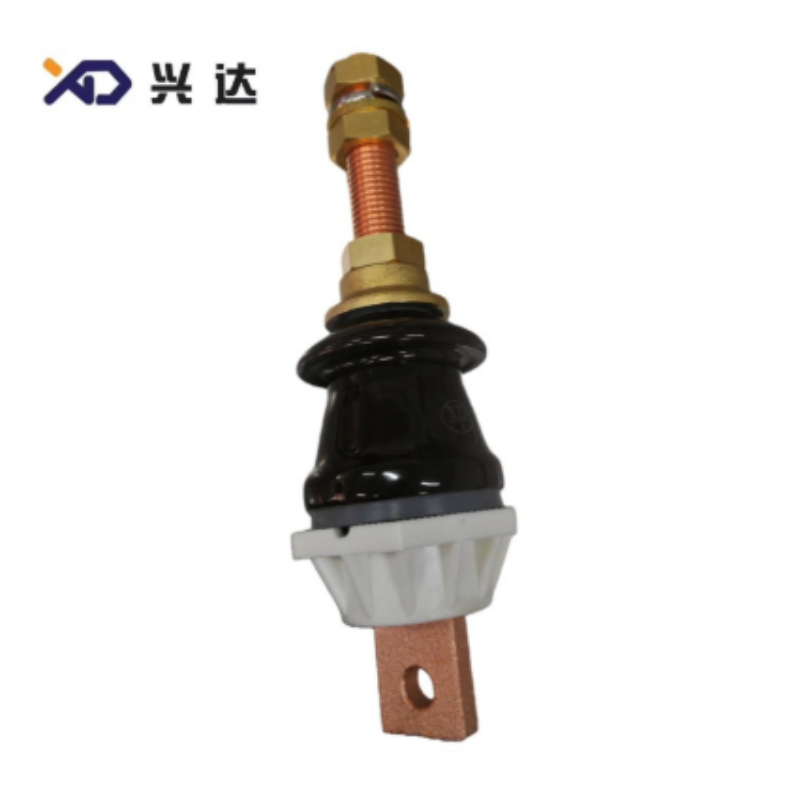
Maintenance Checklist for Operating EN Transformer Bushing
1. Basic Overview of Polluted EN Transformer Bushing Cleaning
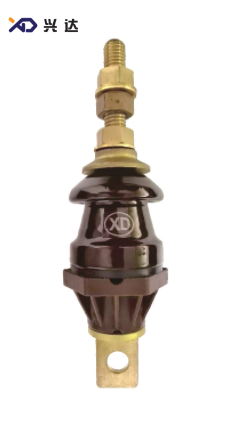
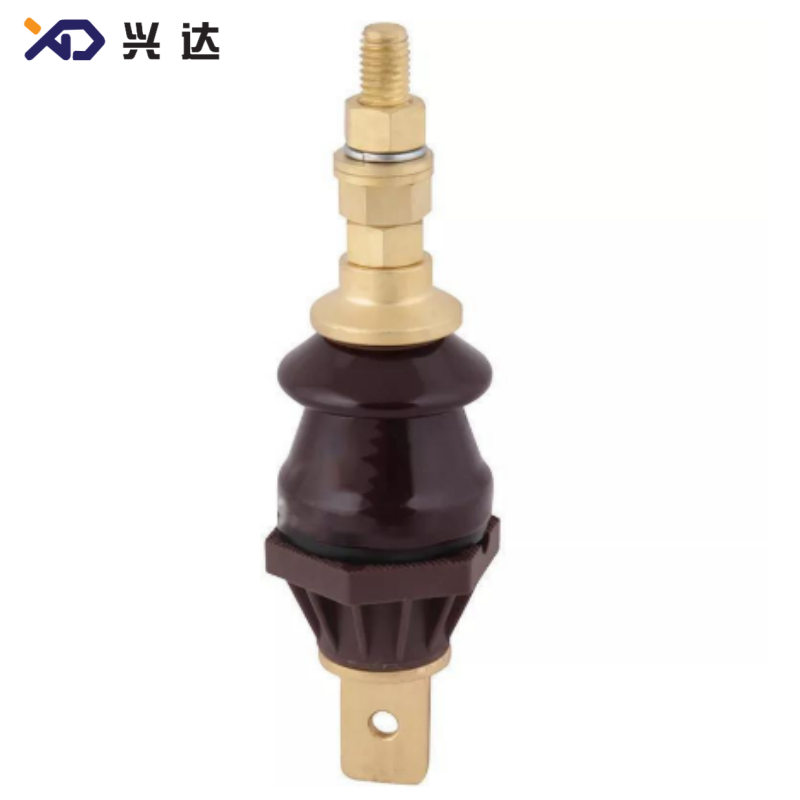
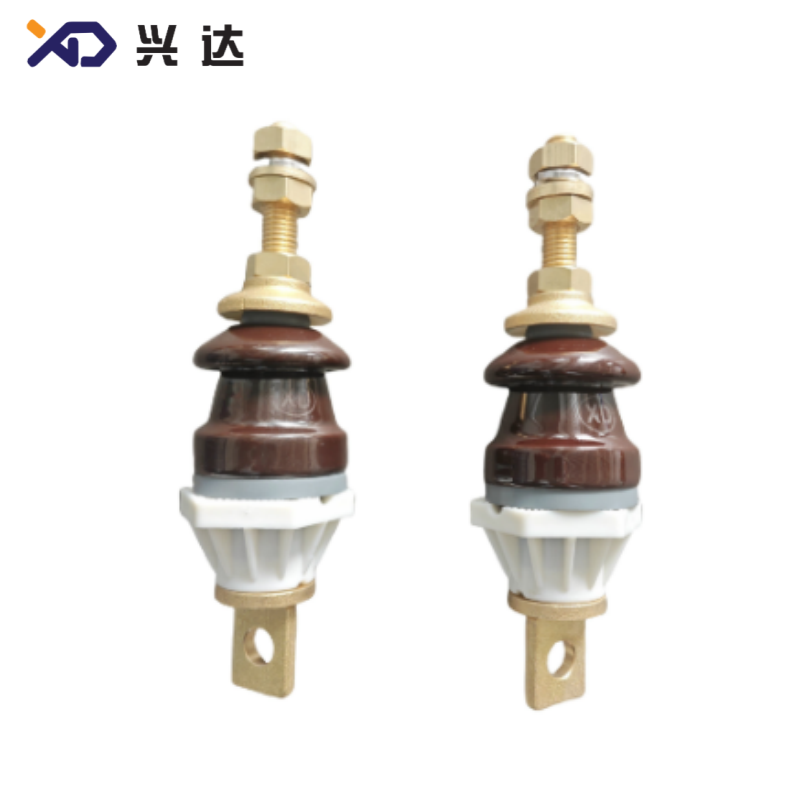
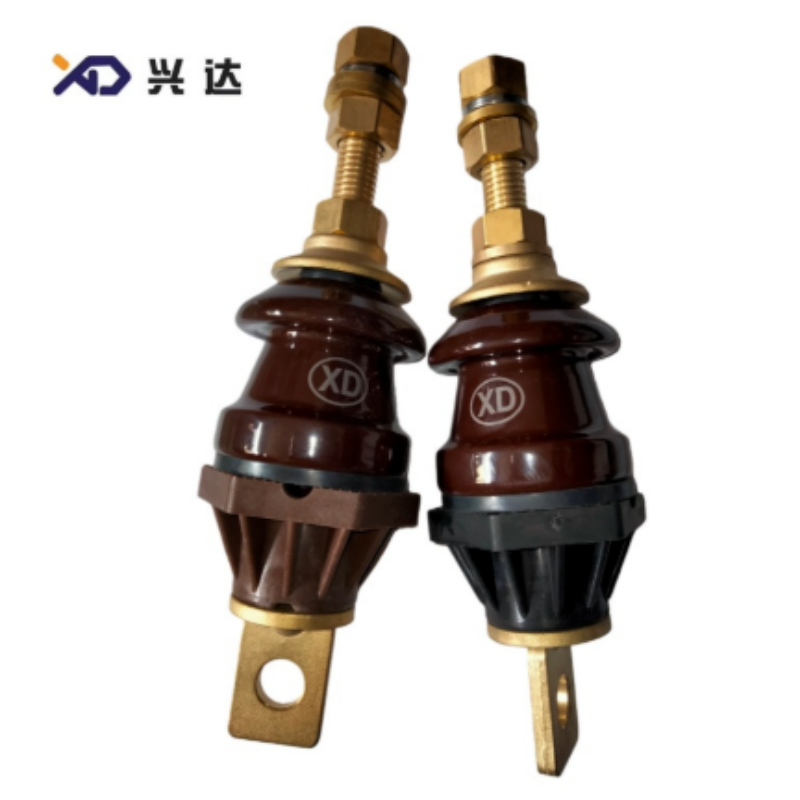
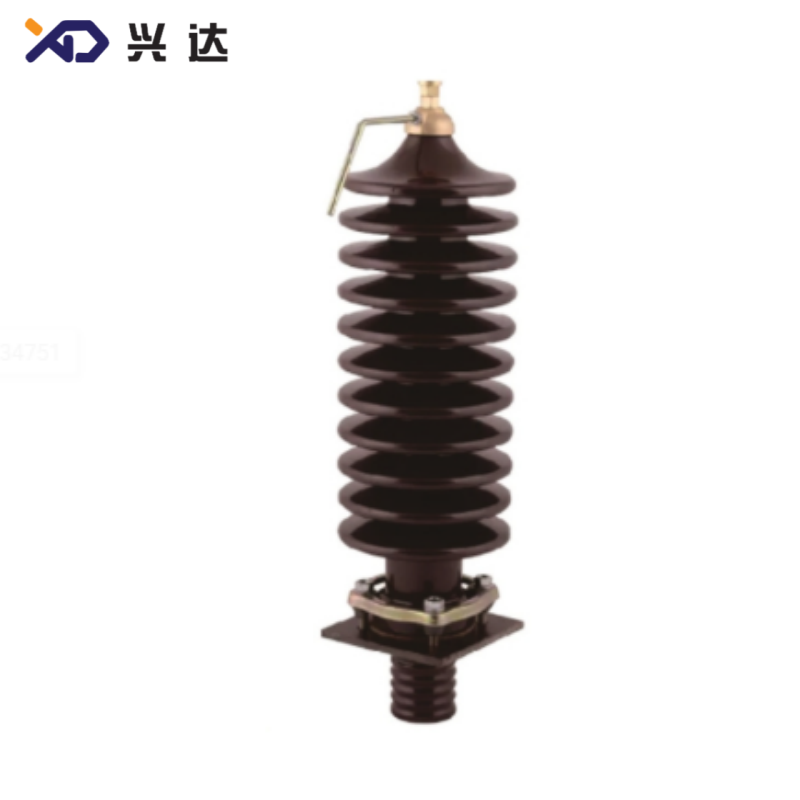
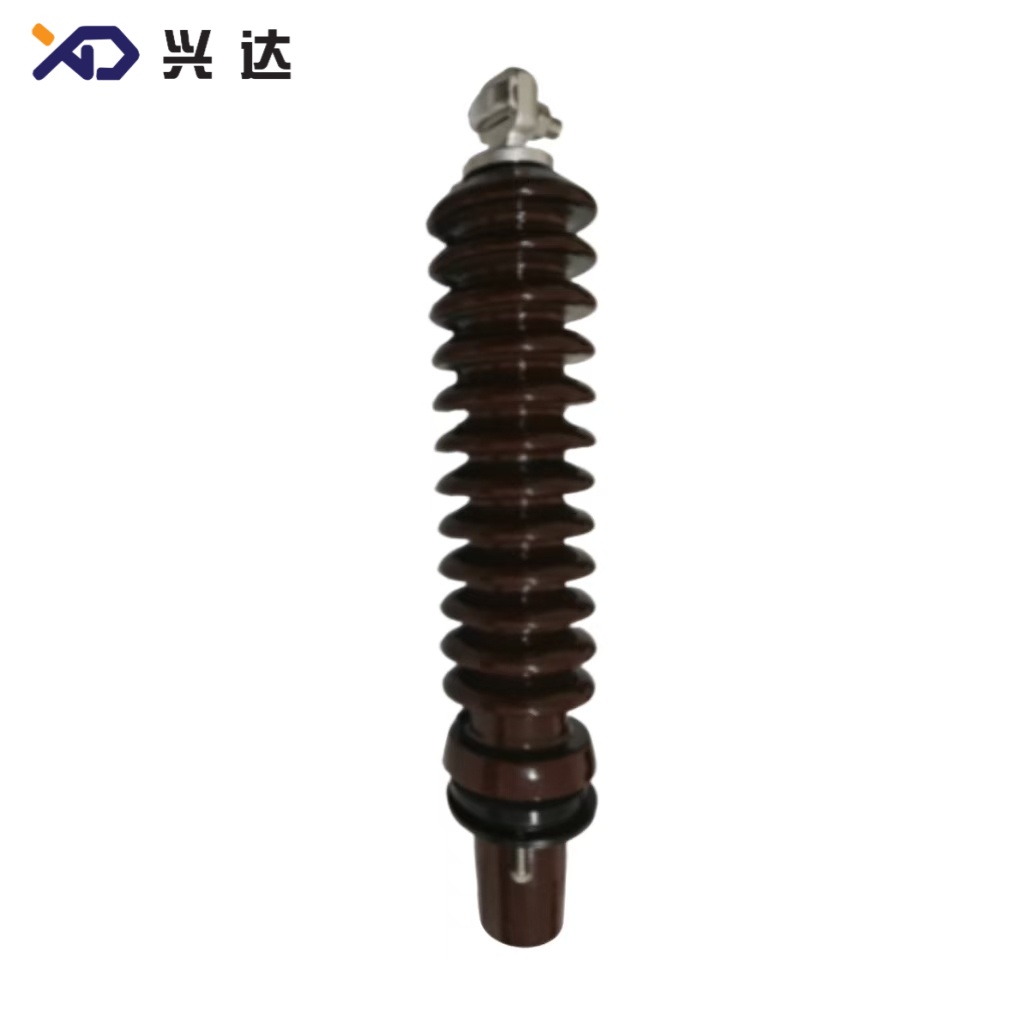
EN standard transformer bushings are essential insulating and current-conducting components for outdoor oil-immersed transformers and distribution power equipment in European power systems. Operating in open outdoor environments all year round, these bushings are continuously exposed to complex ambient pollutants, including industrial dust, suspended particulate matter, coastal salt spray, rainwater sediment, bird droppings and chemical residues. Long-term accumulation of surface pollutants forms a contaminated dielectric layer on the bushing umbrella skirts and insulating shell, which fundamentally weakens the inherent insulation performance and surface hydrophobicity of EN-standard bushings.
Unlike indoor electrical components with stable operating environments, outdoor EN transformer bushings face alternating temperature, high humidity, rain and fog conditions. Surface pollution will significantly shorten the effective creepage distance of the bushing, induce surface leakage current, creeping discharge and intermittent flashover faults under humid weather. In severe cases, persistent pollution erosion will lead to insulation aging acceleration, partial discharge deterioration, and even bushing breakdown and transformer outage failure, posing major threats to the safety and stability of European distribution networks. Therefore, scientific, standardized and classified surface cleaning is a key routine maintenance procedure for EN transformer bushings. It can thoroughly eliminate pollution-induced electrical hazards, restore original insulating and anti-flashover performance, maintain stable operating parameters, and extend the full-service cycle of outdoor transformer supporting equipment.
2. Main Pollution Categories, Operational Hazards and Standard Cleaning Technologies
According to EN power equipment maintenance specifications and outdoor operating characteristics, transformer bushing surface pollution can be classified into four mainstream categories: dry dust pollution, adhesive sediment pollution, chemical corrosive pollution and composite mixed pollution. Each pollution type presents distinct hazard mechanisms and requires targeted standardized cleaning processes to avoid ineffective cleaning or secondary damage to bushing insulation structures.
Dry dust pollution is the most prevalent light pollution in conventional urban substations, inland power stations and suburban distribution sites. It consists of dry floating dust, fine sand particles and atmospheric suspended solids, which physically attach to the bushing surface without chemical corrosion. Although low in immediate risk, long-term unprocessed dust accumulation will block umbrella skirt gaps, reduce surface hydrophobic uniformity, weaken heat dissipation efficiency, and lay a foundation for damp flashover in rainy and humid seasons. The matched cleaning method is full dry cleaning technology, including oil-free compressed air blowing, lint-free soft cloth manual wiping and insulating vacuum dust removal. This process features no moisture residue, no chemical contact and zero damage to the bushing surface coating, fully adapting to daily routine inspection and regular maintenance cleaning.
Adhesive sediment pollution widely occurs in high-humidity regions, suburban industrial zones and open-air transformer stations, mainly including rainwater scaling, bird droppings, industrial oil mist condensation and wet haze sediment. These pollutants form dense, viscous films that tightly cover the bushing umbrella skirt and insulating surface, completely blocking creepage gaps and easily forming continuous conductive damp layers. Long-term adhesion will cause localized electric field distortion and frequent creeping discharge. For such pollution, a standardized semi-dry cleaning process is adopted: wipe the polluted area gently with a lint-free soft cloth dipped in a small amount of EN-compliant neutral insulating cleaning agent to dissolve stubborn sediments, followed by thorough dry wiping to remove residual agent. This method efficiently eliminates adhesive pollutants while completely protecting the original anti-aging and hydrophobic coating of the bushing.
Chemical corrosive pollution is concentrated in coastal industrial belts, chemical industrial parks and heavy pollution industrial areas, mainly involving salt spray crystallization, acid-base sediment, chemical dust and corrosive industrial residues. Such pollutants have strong chemical activity and will gradually erode the bushing insulating surface, destroy molecular stability of insulation materials, cause permanent attenuation of hydrophobic performance, and accelerate aging and partial discharge defects. Severe corrosion will lead to uneven surface insulation and greatly increased operational failure risks. Professional targeted liquid cleaning technology is mandatory for this pollution: apply low-conductivity, corrosion-free EN-standard special insulating cleaning agent for uniform spraying, wait for full dissolution of corrosive sediments, implement precise wiping and cleaning, and complete full surface drying and insulation performance detection after operation to eliminate potential corrosion hazards.
Composite mixed pollution is formed by the superposition of dry dust, adhesive sediments and corrosive particles, commonly found in long-term operated outdoor transformers in harsh environments. It has dual damage effects of physical coverage and chemical corrosion, and is the primary cause of seasonal flashover faults of EN transformer bushings. The standardized solution is hierarchical segmented cleaning: firstly, remove surface loose dry pollutants through dry air blowing; secondly, dissolve and strip internal adhesive and corrosive pollutants with special insulating cleaning fluid; finally, conduct overall drying, surface finishing and performance verification. This multi-step process achieves thorough pollution removal, maximally restores bushing insulation and anti-flashover capability, and ensures long-term stable operation of equipment in high-pollution scenarios.
3. Standard Cleaning Technical Parameter & Operation Specification Table
Cleaning Inspection Item | EN Standard Technical Specification & Operating Requirements |
|---|---|
Applicable Object | EN-standard epoxy resin & porcelain type outdoor transformer bushings |
Operating Ambient Temperature | 5℃–40℃; prohibit cleaning under freezing temperature and high-temperature hot surface condition |
Ambient Humidity Limit | ≤85% RH (non-condensing); cleaning forbidden in rainy, foggy and dewy weather |
Dry Cleaning Medium Standard | Oil-free dry compressed air, dust-free wool soft cloth, insulating vacuum cleaner |
Wet Cleaning Agent Standard | EN-certified non-conductive neutral insulating cleaner, acid-base free, non-corrosive |
Compressed Air Working Pressure | ≤0.3MPa, to prevent scratching surface coating and damaging thin umbrella skirt structure |
Post-Cleaning Drying Criteria | Full surface dry, no visible water stains, no cleaning agent residue, no gap hidden moisture |
Conventional Light Pollution Cycle | Quarterly routine dust removal and surface inspection |
Severe Heavy Pollution Cycle | Monthly targeted cleaning + seasonal comprehensive deep maintenance |
Post-Cleaning Acceptance Index | Complete surface hydrophobicity, zero residual pollution, qualified insulation resistance, no partial discharge abnormality |
4. FAQ (Frequently Asked Questions)
1. Why cannot ordinary water and civilian detergents be used for bushing cleaning?
Ordinary water contains mineral ions and conductive impurities that form micro-conductive layers after evaporation, seriously reducing bushing surface insulation and directly inducing leakage current and flashover faults. Civilian detergents contain acidic, alkaline and surfactant components, which will erode the bushing hydrophobic coating, damage insulating material stability, and cause irreversible aging and performance degradation. Only professional EN-standard non-conductive neutral insulating cleaning agents and standardized dry/semi-dry processes are permitted for bushing maintenance cleaning.
2. Is power cutoff mandatory for all bushing surface cleaning work?
In accordance with European EN power safety specifications, all contact cleaning and wet cleaning operations must be performed under complete power cutoff and reliable grounding protection. Only simple non-contact dry air dust blowing can be implemented during live equipment standby with strict safety distance control. All deep cleaning, stain removal and surface finishing work requires power outage operation to completely avoid electric shock risks and equipment short-circuit accidents.
3. How to verify whether bushing cleaning quality meets EN standards?
Qualified cleaning results require dual verification of visual inspection and electrical performance testing. Visually, the bushing insulating surface and umbrella skirt gaps must be clean and smooth, free of dust, sediment, stains and coating scratches. In terms of performance, the surface shall maintain excellent hydrophobicity without continuous water film adhesion; the insulation resistance value shall reach the EN standard range, and no abnormal partial discharge or creeping discharge occurs, proving the cleaning operation is compliant and effective.
4. What equipment risks are caused by non-standard cleaning operations?
Irregular cleaning will bring multiple hidden dangers to EN transformer bushings. Excessive air pressure will peel off the surface anti-aging coating and deform the umbrella skirt structure; unqualified corrosive cleaning agents will erode insulating materials and reduce service life; incomplete drying after wet cleaning will lead to hidden moisture retention, causing long-term damp insulation and progressive discharge faults; live cleaning operation will directly trigger electrical safety accidents and threaten overall power grid operational stability.
5. How to formulate a scientific cleaning cycle for different European application scenarios?
For ordinary urban and suburban low-pollution areas, implement quarterly routine dry cleaning and semi-annual deep wet cleaning. For inland industrial and haze-prone areas, adopt bi-monthly dust removal and quarterly comprehensive maintenance. For coastal salt spray and chemical heavy pollution areas, perform monthly professional anti-corrosion cleaning, and increase cleaning frequency during rainy and foggy seasons to prevent pollutant accumulation. Scientific cyclic maintenance can effectively guarantee the long-term safe and stable operation of EN standard transformer bushings in all-weather outdoor environments.
5. Certifications
Categories
Contact Us
Contact: Tianjin Delda Trading Co., Ltd
WhatsApp: +86 13662056855
Tel:
E-mail: solomon20210701@tjxddq.com
Add: Unit‑101, Workshop 3, Bozhong Automobile Industrial Park, No.5 Xianghui Road, Intersection of Xianghui Road and Gaoying Road, Beizhakou Town, Jinnan District, Tianjin, China