Product
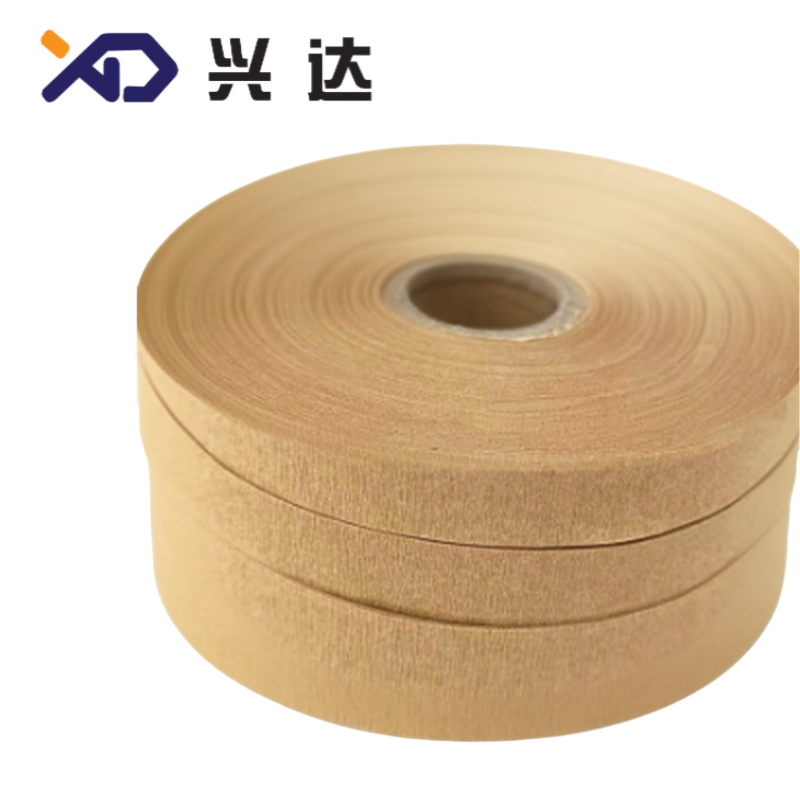
Transformer Crepe Paper: Complete Guide to Electrical Insulation Properties, Specifications, Applications, and Advantages
# Transformer Crepe Paper: Complete Guide to Electrical Insulation Properties, Specifications, Applications, and Advantages
## 1. Introduction to Transformer Crepe Paper
Transformer crepe paper is a specialized electrical insulation material widely used in oil-immersed power transformers, distribution transformers, instrument transformers, and other high-voltage electrical equipment. Manufactured primarily from high-purity electrical-grade cellulose paper, transformer crepe paper features a distinctive wrinkled or corrugated surface structure that provides flexibility, extensibility, and excellent adaptability to complex insulation geometries.
Unlike conventional flat electrical insulation paper, crepe paper has a mechanically expanded structure. This structure allows the material to stretch and conform to irregular shapes, making it particularly suitable for insulating transformer leads, conductors, joints, connections, winding components, and other electrical parts requiring reliable dielectric protection.
Transformer crepe paper plays an important role in the insulation system of oil-filled transformers. It helps separate conductive components, reduce the possibility of electrical discharge, improve insulation coverage, and maintain dielectric separation between components operating at different electrical potentials.
The material is generally produced using high-quality cellulose pulp and specialized creping processes. Depending on the intended application, transformer crepe paper can be supplied in different thicknesses, widths, densities, elongation levels, and surface configurations.
The main characteristics of transformer crepe paper include:
- High electrical insulation performance.
- Excellent flexibility and conformability.
- Good mechanical extensibility.
- High cellulose purity.
- Compatibility with transformer insulating oil.
- Reliable dielectric strength.
- Good wrapping and covering performance.
- Low impurity content.
- Suitable performance under transformer operating conditions.
- Adaptability to complicated insulation structures.
Because of these characteristics, transformer crepe paper is an important component in modern transformer insulation systems.
## 2. What Is Transformer Crepe Paper?
Transformer crepe paper is an electrical insulation paper manufactured through a controlled creping process that creates a series of small folds or wrinkles across the paper surface.
These folds increase the paper's available extension and improve its ability to accommodate mechanical deformation during installation.
The primary raw material is purified cellulose pulp. During production, the pulp is processed into an electrical-grade paper sheet and subsequently subjected to a creping operation. The resulting material has a characteristic textured surface and a greater degree of flexibility than ordinary flat insulation paper.
Transformer crepe paper is commonly used for wrapping electrical conductors, insulating transformer connections, covering lead wires, and providing supplementary insulation in oil-immersed electrical equipment.
### 2.1 Basic Definition
Transformer crepe paper can be defined as:
An electrical-grade cellulose insulation material with a mechanically creped surface, designed to provide flexible dielectric insulation and mechanical adaptability in transformers and other high-voltage electrical equipment.
### 2.2 Main Characteristics
The defining characteristics of transformer crepe paper include its cellulose composition, wrinkled surface, mechanical extensibility, and electrical insulation properties.
| Characteristic | Description |
|---|---|
| Material | High-purity electrical-grade cellulose |
| Structure | Creped or wrinkled paper surface |
| Main function | Electrical insulation |
| Secondary function | Mechanical protection and separation |
| Flexibility | High |
| Extensibility | Higher than comparable flat paper grades |
| Oil compatibility | Designed for suitable transformer insulating oil systems |
| Typical application | Transformer conductor and lead insulation |
| Supply form | Rolls, strips, or customized widths |
| Appearance | Natural cellulose color, generally light brown or cream |
The actual properties depend on raw materials, manufacturing methods, paper thickness, and product specifications.
### 2.3 Difference Between Crepe Paper and Flat Insulation Paper
Transformer crepe paper and flat transformer insulation paper are both cellulose-based electrical insulation materials, but their physical structures and installation characteristics are different.
Flat insulation paper has a relatively smooth surface and uniform sheet structure. It is commonly used for insulation barriers, spacers, winding insulation, and other applications where dimensional stability is important.
Crepe insulation paper has a wrinkled structure that allows it to extend and conform around irregular components.
| Comparison Item | Transformer Crepe Paper | Flat Transformer Insulation Paper |
|---|---|---|
| Surface | Wrinkled or corrugated | Relatively smooth |
| Flexibility | High | Depends on grade and thickness |
| Extensibility | Generally higher | Generally lower |
| Wrapping performance | Excellent for irregular shapes | Suitable for flat or regular surfaces |
| Dimensional behavior | Crepe structure can extend during wrapping | More dimensionally stable |
| Main application | Leads, conductors, joints, connections | Winding insulation and barriers |
| Installation | Adaptable to complex geometries | Better suited to controlled flat surfaces |
Both materials can be used together in a transformer insulation system.
## 3. Raw Materials Used in Transformer Crepe Paper
The quality of transformer crepe paper depends significantly on its raw materials. Since transformer insulation materials operate in electrically demanding environments, the selection and processing of cellulose pulp are particularly important.
Electrical-grade cellulose pulp must meet specific requirements concerning purity, moisture, chemical composition, and fiber characteristics.
### 3.1 Cellulose Pulp
Cellulose pulp is the primary raw material used to manufacture transformer crepe paper.
High-purity cellulose provides the fiber structure necessary for mechanical strength and electrical insulation. The pulp is processed to achieve appropriate fiber distribution, bonding characteristics, and sheet uniformity.
Important raw material characteristics include:
- High cellulose content.
- Low metallic contamination.
- Controlled moisture content.
- Suitable fiber length distribution.
- Low ash content.
- Appropriate chemical purity.
- Good fiber bonding capability.
### 3.2 Water Quality
Water is used during pulp preparation and paper formation. Its quality can influence the cleanliness and consistency of the finished insulation paper.
Excessive dissolved minerals, metallic ions, or other contaminants may negatively affect electrical insulation performance.
Manufacturing processes therefore require suitable water treatment and contamination control.
### 3.3 Chemical Purity
Chemical purity is important for transformer insulation materials because unwanted substances can influence aging behavior, moisture absorption, and electrical properties.
The manufacturing process should control potentially harmful substances and maintain consistency between production batches.
### 3.4 Raw Material Quality Requirements
| Raw Material Parameter | Importance | Quality Objective |
|---|---|---|
| Cellulose purity | Influences insulation stability | High purity |
| Metallic impurities | May affect dielectric performance | Minimized |
| Ash content | Indicates inorganic residue | Controlled |
| Moisture content | Influences electrical behavior | Controlled |
| Fiber characteristics | Affect tensile strength | Consistent |
| Chemical residues | May affect aging behavior | Minimized |
| Contamination | Influences reliability | Strictly controlled |
Specific acceptance limits should be established according to the product grade and applicable technical standard.
## 4. Manufacturing Process of Transformer Crepe Paper
Transformer crepe paper is manufactured through a series of controlled papermaking and surface-forming operations.
The production process is designed to provide consistent thickness, suitable mechanical properties, uniform creping, and reliable electrical insulation performance.
### 4.1 Pulp Preparation
The manufacturing process begins with electrical-grade cellulose pulp.
The pulp is dispersed in water to form a uniform fiber suspension. The preparation process may include cleaning, screening, refining, and consistency adjustment.
The objective is to obtain a clean and homogeneous pulp mixture.
### 4.2 Fiber Refining
Fiber refining modifies the physical characteristics of cellulose fibers and influences the bonding between fibers in the finished paper.
Appropriate refining helps control tensile strength, density, porosity, and paper formation.
Excessive refining can reduce permeability and change the mechanical behavior of the paper. Therefore, refining conditions must be controlled according to the intended product specification.
### 4.3 Paper Formation
The prepared pulp suspension is distributed onto a forming section.
Water is removed progressively, allowing cellulose fibers to form a continuous paper web.
Uniform fiber distribution is essential because variations in formation can cause inconsistent mechanical and electrical properties.
### 4.4 Pressing and Drying
The formed paper web passes through controlled dewatering and drying operations.
These operations establish the required moisture level and influence the mechanical characteristics of the paper.
Drying conditions must be controlled to avoid excessive thermal exposure or undesirable variations in the paper structure.
### 4.5 Creping Process
Creping is the key manufacturing operation that distinguishes transformer crepe paper from ordinary flat insulation paper.
During creping, the paper web is mechanically compressed or gathered to create a controlled series of folds.
This process changes the surface geometry and provides additional extension capability.
Important creping parameters include:
- Creping ratio.
- Fold distribution.
- Crepe uniformity.
- Surface structure.
- Paper thickness.
- Mechanical extensibility.
The creping process must be adjusted carefully because excessive or uneven creping may affect thickness uniformity and mechanical strength.
### 4.6 Slitting and Rewinding
After creping, the paper is cut into specified widths and rewound into rolls.
Slitting accuracy is important for transformer manufacturing because insulation strips must fit the dimensions of conductors and other electrical components.
### 4.7 Quality Inspection
Finished transformer crepe paper should be inspected for dimensional consistency, appearance, mechanical properties, moisture, and electrical characteristics.
Typical inspection items include:
| Inspection Item | Purpose |
|---|---|
| Thickness | Verify dimensional consistency |
| Width | Confirm product dimensions |
| Basis weight | Evaluate material uniformity |
| Tensile strength | Assess mechanical performance |
| Elongation | Evaluate extension capability |
| Moisture content | Control electrical insulation condition |
| Surface appearance | Identify visible defects |
| Electrical properties | Evaluate dielectric performance |
| Roll condition | Confirm packaging quality |
## 5. Key Advantages of Transformer Crepe Paper
Transformer crepe paper provides several advantages in transformer manufacturing and electrical insulation applications.
Its unique combination of cellulose insulation properties and mechanical flexibility makes it suitable for components with complicated shapes and installation requirements.
### 5.1 Excellent Flexibility
Flexibility is one of the most important advantages of transformer crepe paper.
The wrinkled surface structure allows the material to bend around conductors, terminal connections, and irregular components without requiring the same degree of deformation from the cellulose fibers as flat paper.
This characteristic makes installation easier and improves insulation coverage.
### 5.2 High Mechanical Extensibility
Crepe paper can extend during wrapping and installation.
This capability helps accommodate variations in conductor diameter and component geometry.
The amount of available extension depends on the paper grade, creping structure, and manufacturing process.
### 5.3 Reliable Electrical Insulation
Transformer crepe paper is manufactured from electrical-grade cellulose and is intended for use in dielectric insulation systems.
When correctly selected, processed, dried, and installed, it helps maintain electrical separation between conductive components.
Its electrical performance depends on thickness, moisture content, cleanliness, oil impregnation, and the overall insulation design.
### 5.4 Excellent Wrapping Performance
Transformer conductors and lead connections frequently contain bends, joints, and irregular geometries.
Crepe paper can conform to these shapes more easily than many conventional flat paper products.
This helps reduce installation difficulties and improves coverage around complicated insulation areas.
### 5.5 Compatibility with Transformer Oil Systems
Transformer crepe paper is generally intended for suitable oil-immersed transformer insulation systems.
In these systems, cellulose insulation and transformer oil work together as a composite dielectric system.
Material compatibility should be evaluated for the specific oil formulation and operating conditions.
### 5.6 Adaptability to Different Transformer Designs
Transformer crepe paper can be manufactured in different thicknesses and widths.
This allows insulation designers and transformer manufacturers to select suitable grades for different conductor dimensions and insulation requirements.
### 5.7 Convenient Processing
Crepe paper is supplied in roll form and can be converted into different strip widths.
Its flexibility supports manual wrapping and suitable automated insulation processes.
### 5.8 Lightweight Insulation Material
Cellulose paper provides electrical insulation without adding substantial weight to the overall transformer assembly.
This is useful in applications where compact insulation arrangements are required.
## 6. Technical Specifications of Transformer Crepe Paper
Transformer crepe paper is available in different grades and dimensions.
Technical specifications vary according to the manufacturing process, application, and customer requirements. Therefore, the following table should be treated as a general purchasing and engineering reference rather than a universal standard.
### 6.1 General Product Specification Table
| Parameter | Common Specification Categories |
|---|---|
| Product name | Transformer Crepe Paper |
| Material | Electrical-grade cellulose |
| Appearance | Natural cream or light brown |
| Structure | Wrinkled or creped |
| Thickness | Available in multiple grades |
| Width | Customized according to requirements |
| Supply form | Rolls or slit strips |
| Basis weight | Grade-dependent |
| Moisture content | Controlled according to grade |
| Tensile strength | Grade-dependent |
| Elongation | Depends on creping structure |
| Density | Controlled by manufacturing process |
| Electrical properties | Tested according to applicable methods |
| Application | Transformer electrical insulation |
### 6.2 Common Thickness Categories
Different transformer insulation applications require different paper thicknesses.
The appropriate thickness depends on conductor dimensions, insulation design, mechanical requirements, and electrical stress.
Illustrative thickness categories include:
| Thickness Category | Typical Selection Consideration |
|---|---|
| Thin crepe paper | Small conductors and detailed wrapping |
| Medium crepe paper | General conductor and connection insulation |
| Thick crepe paper | Applications requiring greater material build-up |
Actual thickness values should be selected from the manufacturer's technical data sheet and verified against the required test method.
### 6.3 Width Specifications
Transformer crepe paper can be supplied in different widths according to insulation design requirements.
Common width categories include:
| Width Category | Application |
|---|---|
| Narrow strips | Small wires and narrow connections |
| Medium strips | Transformer leads and conductors |
| Wide rolls | Larger insulation areas and conversion processes |
| Customized widths | Special transformer components |
### 6.4 Mechanical Properties
Mechanical properties influence the wrapping performance and installation reliability of transformer crepe paper.
| Mechanical Parameter | Description |
|---|---|
| Tensile strength | Resistance to tensile loading |
| Elongation | Ability to extend before breaking |
| Tear resistance | Resistance to tearing |
| Flexibility | Ability to bend around components |
| Crepe ratio | Measure associated with the creping structure |
| Thickness uniformity | Consistency throughout the material |
| Surface integrity | Resistance to visible surface damage |
### 6.5 Electrical Properties
Electrical performance is a critical factor in selecting transformer crepe paper.
Relevant properties include dielectric strength, insulation resistance, and electrical stability under specified test conditions.
| Electrical Parameter | Engineering Significance |
|---|---|
| Dielectric strength | Resistance to electrical breakdown |
| Insulation resistance | Resistance to electrical leakage |
| Dielectric loss | Electrical energy dissipation |
| Oil compatibility | Suitability for the intended insulating liquid |
| Moisture sensitivity | Influence of water content on insulation behavior |
No single dielectric-strength value should be assumed for all crepe paper grades. Test results depend on specimen preparation, thickness, moisture, electrode configuration, and test method.
## 7. Main Applications of Transformer Crepe Paper
Transformer crepe paper is used in a wide range of electrical insulation applications.
Its flexibility and extensibility make it particularly valuable in areas where conventional flat insulation paper may be difficult to install.
### 7.1 Transformer Lead Insulation
One of the main applications of transformer crepe paper is insulating transformer lead wires.
Transformer leads connect winding sections to bushings, terminals, tap changers, and other electrical components.
These connections may have complex shapes and require reliable insulation coverage.
Crepe paper can be wrapped around lead conductors to create an insulating layer that helps maintain electrical separation.
### 7.2 Conductor Wrapping
Transformer winding conductors and connection conductors may require additional insulation layers.
Crepe paper can be used to wrap conductors where flexibility and conformability are important.
### 7.3 Terminal Connection Insulation
Transformer terminal connections often contain joints, bends, and changes in conductor geometry.
Crepe insulation paper can conform to these irregular surfaces and provide supplementary electrical insulation.
### 7.4 Joint and Splice Insulation
Electrical joints and conductor splices may require insulation coverage after mechanical or electrical connections have been completed.
Transformer crepe paper can be applied as a wrapping material around suitable joints.
### 7.5 Oil-Immersed Power Transformers
Power transformers use integrated liquid-solid insulation systems.
In these systems, cellulose-based materials work together with insulating oil to provide dielectric separation and thermal management.
Transformer crepe paper may be used in lead insulation and other areas requiring flexible cellulose insulation.
### 7.6 Distribution Transformers
Distribution transformers require insulation materials suitable for their voltage, current, temperature, and structural requirements.
Crepe paper can be used for selected conductor and connection insulation applications.
### 7.7 Instrument Transformers
Current transformers and voltage transformers contain electrical insulation systems designed to withstand specified operating voltages.
Depending on the design, crepe paper may be used for conductor wrapping and supplementary insulation.
### 7.8 Other Electrical Equipment
Other possible applications include selected oil-immersed reactors, high-voltage electrical connections, and specialized electrical insulation assemblies.
The final material selection must always be based on the equipment design and applicable technical requirements.
## 8. Transformer Crepe Paper and Oil-Immersed Insulation Systems
Oil-immersed transformers generally use a combination of liquid and solid insulation materials.
Transformer oil provides electrical insulation and cooling, while solid cellulose materials provide structural separation and insulation around conductors and other components.
Transformer crepe paper is one of the materials that can form part of this integrated insulation system.
### 8.1 Cellulose and Transformer Oil
Cellulose-based insulation materials absorb insulating liquid during the impregnation process.
Oil impregnation can improve the dielectric behavior of the insulation system by filling suitable spaces within the material structure.
The actual result depends on drying conditions, oil quality, material structure, and impregnation procedures.
### 8.2 Moisture Control
Moisture is an important factor affecting transformer insulation performance.
Cellulose materials are hygroscopic, meaning that they can absorb moisture from their surroundings.
Excessive moisture may reduce dielectric performance and accelerate insulation aging under certain operating conditions.
For this reason, transformer crepe paper should be stored in controlled conditions and handled using appropriate moisture-control procedures.
### 8.3 Thermal Aging
Transformer cellulose insulation gradually ages under thermal, chemical, and electrical stresses.
Temperature, oxygen, moisture, and operating conditions influence the aging process.
The insulation system should therefore be designed with suitable thermal limits and maintenance procedures.
### 8.4 Insulation Coordination
The thickness and arrangement of crepe paper must be considered as part of the complete insulation coordination design.
The material alone cannot determine the voltage withstand capability of a transformer.
Electrical field distribution, conductor geometry, oil gaps, barriers, and other solid insulation components must also be considered.
## 9. Quality Standards and Testing Methods
Quality control is essential for transformer crepe paper because variations in material properties can affect transformer manufacturing and insulation reliability.
Testing should follow applicable international standards, customer specifications, and agreed laboratory procedures.
Relevant standards may include IEC methods for electrical insulation paper, cellulose-based insulation materials, and insulating liquids, as well as appropriate ISO quality management requirements.
### 9.1 Dimensional Inspection
Dimensional inspection verifies paper thickness, width, roll length, and other relevant product measurements.
Uniform dimensions help ensure consistent wrapping and manufacturing performance.
### 9.2 Moisture Content Testing
Moisture content is an important parameter for cellulose electrical insulation materials.
Testing should use a suitable standardized method and controlled sample preparation.
### 9.3 Tensile Strength Testing
Tensile testing measures the force required to break a paper specimen under specified conditions.
It helps evaluate the mechanical integrity of the material.
### 9.4 Elongation Testing
Elongation testing measures the extension of the material before breaking.
This parameter is particularly relevant to crepe paper because the material is selected partly for its ability to accommodate deformation during wrapping.
### 9.5 Electrical Testing
Electrical tests may include dielectric breakdown measurements and other relevant insulation evaluations.
Testing conditions should be specified clearly, including specimen thickness, moisture condition, electrode configuration, and test procedure.
### 9.6 Visual Inspection
Visual inspection identifies defects such as:
- Holes.
- Tears.
- Uneven creping.
- Contamination.
- Surface damage.
- Wrinkling defects.
- Edge damage.
- Foreign particles.
### 9.7 Quality Inspection Table
| Test Item | Inspection Purpose | Typical Evaluation |
|---|---|---|
| Thickness | Dimensional control | Consistency |
| Width | Product sizing | Tolerance |
| Moisture | Electrical condition | Specified limit |
| Tensile strength | Mechanical integrity | Minimum requirement |
| Elongation | Extensibility | Grade requirement |
| Appearance | Surface quality | No unacceptable defects |
| Dielectric testing | Electrical performance | Specified test criteria |
| Packaging | Transportation protection | Roll integrity |
## 10. How to Select the Right Transformer Crepe Paper
Selecting appropriate transformer crepe paper requires an understanding of the application, electrical requirements, mechanical conditions, and manufacturing process.
A suitable grade should meet both insulation performance and installation requirements.
### 10.1 Consider the Application
The first step is to identify the intended application.
Different transformer components may require different insulation thicknesses, widths, and mechanical characteristics.
For example, a small conductor connection may require a narrow and flexible paper strip, while a larger lead connection may require a wider material.
### 10.2 Determine Required Thickness
Thickness selection should be based on the insulation design.
A thicker material does not automatically provide a better solution because excessive thickness may affect wrapping, clearances, and assembly dimensions.
### 10.3 Evaluate Mechanical Extensibility
The required elongation depends on the shape and diameter of the component.
Applications involving tight bends or irregular geometries may benefit from crepe paper with suitable extensibility.
### 10.4 Verify Electrical Properties
Electrical properties should be consistent with the voltage level and insulation coordination requirements of the equipment.
The selection should consider the complete insulation system rather than an isolated material specification.
### 10.5 Check Oil Compatibility
For oil-immersed transformers, the selected crepe paper should be suitable for the intended insulating liquid and operating environment.
Compatibility should be established through relevant material information and testing.
### 10.6 Confirm Manufacturing Consistency
Batch-to-batch consistency is important for transformer production.
Purchasing specifications should define acceptable tolerances and inspection requirements.
### 10.7 Selection Checklist
| Selection Factor | Key Question |
|---|---|
| Material grade | Is the cellulose grade suitable for electrical insulation? |
| Thickness | Does it match the insulation design? |
| Width | Is it appropriate for the conductor dimensions? |
| Extensibility | Can it accommodate the required wrapping geometry? |
| Tensile strength | Can it withstand installation forces? |
| Moisture | Is the moisture level controlled? |
| Oil compatibility | Is it suitable for the intended insulating liquid? |
| Quality testing | Are inspection methods documented? |
| Packaging | Is the material protected against moisture and damage? |
## 11. Storage and Handling of Transformer Crepe Paper
Proper storage and handling are necessary to maintain the quality of transformer crepe paper before installation.
Cellulose paper is sensitive to environmental moisture and physical damage.
### 11.1 Storage Environment
Transformer crepe paper should be stored in a clean, dry, and controlled environment.
Storage conditions should minimize moisture absorption, contamination, and exposure to direct sunlight.
### 11.2 Moisture Protection
The original packaging should remain intact until the material is ready for use.
Opened rolls should be resealed or protected using suitable moisture-resistant packaging.
### 11.3 Mechanical Protection
Rolls should be protected from crushing, impact, and edge damage.
Excessive mechanical pressure may deform the creped structure and affect the wrapping characteristics.
### 11.4 Clean Handling
Personnel should handle insulation paper using clean equipment and appropriate protective procedures.
Oil, dust, metallic particles, and other contaminants should be prevented from contacting the material.
### 11.5 Storage Recommendations
| Storage Factor | Recommended Practice |
|---|---|
| Environment | Clean and dry |
| Humidity | Controlled |
| Temperature | Stable and appropriate for packaging |
| Sunlight | Avoid direct exposure |
| Packaging | Keep sealed until use |
| Handling | Prevent crushing and tearing |
| Contamination | Avoid oil, dust, and metallic particles |
| Inventory | Use controlled stock rotation |
Specific storage limits should follow the material supplier's documented recommendations.
## 12. Transformer Crepe Paper vs. Other Electrical Insulation Materials
Transformer insulation systems use several types of materials, each designed for different applications.
Understanding their differences helps engineers select the appropriate material.
### 12.1 Crepe Paper vs. Kraft Insulation Paper
Kraft insulation paper is commonly used in transformer windings and other cellulose insulation structures.
Crepe paper is more flexible and extensible because of its wrinkled structure.
| Comparison | Crepe Paper | Kraft Insulation Paper |
|---|---|---|
| Structure | Wrinkled | Relatively flat |
| Flexibility | High | Grade-dependent |
| Extensibility | Generally higher | Generally lower |
| Main use | Conductor and lead wrapping | Winding insulation and barriers |
| Conformability | Excellent | More limited for irregular shapes |
### 12.2 Crepe Paper vs. Pressboard
Transformer pressboard is a thicker cellulose-based insulation material.
It is used for structural insulation components, barriers, supports, and spacers.
Crepe paper is thinner and more flexible, making it more appropriate for wrapping applications.
| Comparison | Crepe Paper | Transformer Pressboard |
|---|---|---|
| Form | Flexible paper | Rigid or semi-rigid board |
| Thickness | Generally thinner | Generally thicker |
| Flexibility | High | Limited |
| Main function | Wrapping insulation | Structural insulation |
| Typical use | Leads and conductors | Barriers and spacers |
### 12.3 Crepe Paper vs. Electrical Insulation Tape
Electrical insulation tapes may use different backing materials and adhesive systems.
Crepe paper is a cellulose insulation material and does not necessarily rely on an adhesive coating.
The choice depends on temperature, dielectric requirements, oil compatibility, and the intended application.
## 13. Common Defects in Transformer Crepe Paper
Defect control is important for ensuring consistent product performance.
Common defects may arise during raw material preparation, paper formation, creping, slitting, rewinding, storage, or transportation.
### 13.1 Uneven Creping
Uneven creping may lead to inconsistent extensibility and wrapping behavior.
The manufacturing process should maintain stable creping conditions.
### 13.2 Thickness Variation
Thickness variation may affect insulation build-up and dimensional accuracy.
Suitable thickness inspection should be performed throughout production.
### 13.3 Surface Contamination
Dust, metallic particles, oil, and other contaminants may compromise the cleanliness of electrical insulation materials.
Manufacturing and packaging environments should be maintained appropriately.
### 13.4 Edge Damage
Damaged edges can cause tearing during wrapping and reduce usable material width.
Slitting and rewinding equipment should be maintained to prevent edge defects.
### 13.5 Excessive Moisture
Excessive moisture can negatively influence the dielectric properties of cellulose insulation.
Moisture protection should be maintained during production, packaging, storage, and installation.
### 13.6 Defect Inspection Table
| Defect | Possible Cause | Control Method |
|---|---|---|
| Uneven creping | Unstable creping conditions | Process adjustment |
| Thickness variation | Inconsistent paper formation | Dimensional inspection |
| Holes | Fiber formation problems | Visual inspection |
| Surface contamination | Poor cleanliness control | Environmental management |
| Edge tearing | Slitting problems | Equipment maintenance |
| Excessive moisture | Improper storage | Moisture protection |
| Roll deformation | Excessive handling pressure | Improved packaging |
## 14. Environmental Considerations and Sustainability
Transformer crepe paper is primarily based on cellulose, a renewable plant-derived material.
Cellulose-based electrical insulation materials can offer certain environmental advantages compared with some synthetic insulation products.
However, their environmental performance depends on raw material sourcing, manufacturing energy consumption, processing chemicals, product service life, and end-of-life management.
### 14.1 Renewable Cellulose Resources
Cellulose is obtained from plant-based raw materials.
Responsible sourcing and efficient pulp utilization are important considerations for sustainable insulation material production.
### 14.2 Manufacturing Efficiency
Efficient water use, energy management, and waste reduction can improve the environmental performance of paper manufacturing.
### 14.3 Material Longevity
A properly designed and maintained transformer insulation system can operate for many years.
The durability of cellulose insulation depends on thermal stress, moisture, oxygen, chemical conditions, and electrical loading.
### 14.4 Recycling and Disposal
Used transformer insulation materials may contain transformer oil or other contaminants.
Therefore, recycling and disposal must follow applicable environmental regulations and contamination-management requirements.
Clean production scrap and contaminated in-service insulation should not be treated as equivalent waste streams.
## 15. Frequently Asked Questions About Transformer Crepe Paper
### Q1. What is transformer crepe paper used for?
Transformer crepe paper is primarily used for electrical insulation in transformers. Common applications include lead wire wrapping, conductor insulation, terminal connections, joints, and other components with irregular geometries.
### Q2. What material is transformer crepe paper made from?
It is generally manufactured from high-purity electrical-grade cellulose pulp. The pulp is processed into paper and subjected to a creping operation that creates a wrinkled surface.
### Q3. Why is transformer crepe paper wrinkled?
The wrinkles provide additional extensibility and flexibility. This allows the paper to conform more easily to conductors, connections, and irregular electrical components.
### Q4. Is transformer crepe paper suitable for oil-immersed transformers?
Yes. Suitable electrical-grade crepe paper is commonly used in oil-immersed transformer insulation systems. Compatibility should be verified for the specific insulating liquid and operating conditions.
### Q5. What is the difference between transformer crepe paper and kraft paper?
Transformer crepe paper has a wrinkled surface and generally offers greater extensibility. Kraft insulation paper is comparatively flat and is widely used in winding insulation, barriers, and other applications requiring controlled sheet dimensions.
### Q6. Can transformer crepe paper be customized?
Yes. Products can be supplied in different thicknesses, widths, roll dimensions, and mechanical grades according to manufacturing capabilities and customer requirements.
### Q7. Does transformer crepe paper absorb moisture?
Yes. Like other cellulose-based insulation materials, crepe paper is hygroscopic and can absorb moisture from the surrounding environment.
### Q8. Why is moisture control important?
Moisture can influence dielectric performance and accelerate cellulose aging under certain conditions. Proper storage, drying, and installation procedures are therefore essential.
### Q9. What affects the dielectric strength of transformer crepe paper?
Important factors include paper thickness, moisture content, material purity, density, sample preparation, test conditions, and the presence of defects or contaminants.
### Q10. How should transformer crepe paper be stored?
It should be kept in sealed packaging in a clean, dry environment. Rolls should be protected from moisture, dust, sunlight, mechanical impact, and edge damage.
### Q11. Is thicker crepe paper always better?
No. Thickness must match the electrical and mechanical requirements of the application. Excessive thickness can affect wrapping dimensions and insulation clearances.
### Q12. What tests are important for transformer crepe paper?
Important tests may include thickness, width, basis weight, moisture content, tensile strength, elongation, visual inspection, and electrical testing according to the agreed specification.
### Q13. Can crepe paper be used for transformer conductor joints?
Yes. It can be used for suitable joint and connection insulation applications where flexibility and conformability are required.
### Q14. What determines the service life of crepe paper insulation?
Service life depends on temperature, moisture, oxygen exposure, electrical stress, insulating liquid condition, and the overall transformer design.
### Q15. Is transformer crepe paper the same as ordinary decorative crepe paper?
No. Transformer crepe paper is a specialized electrical insulation material with controlled raw material purity, mechanical characteristics, and electrical performance requirements. Decorative crepe paper is not automatically suitable for electrical insulation applications.
## 16. Conclusion: The Importance of Transformer Crepe Paper in Electrical Insulation
Transformer crepe paper is an important cellulose-based insulation material used in modern electrical equipment.
Its wrinkled structure provides flexibility, extensibility, and excellent conformability, making it particularly suitable for insulating transformer leads, conductors, terminal connections, joints, and other irregular components.
Compared with conventional flat insulation paper, transformer crepe paper offers improved adaptability for wrapping applications. Its performance is influenced by cellulose purity, manufacturing quality, thickness, moisture content, mechanical strength, and electrical characteristics.
When selecting transformer crepe paper, engineers and purchasing professionals should evaluate the intended application, dimensional requirements, mechanical properties, electrical performance, oil compatibility, and quality inspection procedures.
Proper manufacturing, storage, handling, and installation are essential for maintaining the reliability of cellulose-based transformer insulation systems.
As the demand for reliable power distribution and high-voltage electrical equipment continues to develop, transformer crepe paper remains a valuable insulation material for transformer manufacturers and electrical equipment engineers.
## 17. SEO Keyword Reference
The following keywords can be incorporated naturally into product pages, category descriptions, blog articles, and technical content.
**Primary Keywords**
- Transformer Crepe Paper
- Transformer Insulation Crepe Paper
- Electrical Insulation Crepe Paper
- Creped Insulation Paper
- Electrical Grade Crepe Paper
- Transformer Insulation Paper
**Secondary Keywords**
- Cellulose Crepe Paper
- Oil Immersed Transformer Insulation
- Transformer Lead Insulation Paper
- Electrical Insulation Material
- Transformer Conductor Wrapping Paper
- Crepe Paper for Transformers
- High Voltage Insulation Paper
- Transformer Insulation Materials
**Long-Tail Keywords**
- What Is Transformer Crepe Paper
- Transformer Crepe Paper Specifications
- Electrical Properties of Transformer Crepe Paper
- Transformer Crepe Paper Applications
- Benefits of Crepe Paper for Transformer Insulation
- Cellulose Insulation Paper for Oil Immersed Transformers
- Transformer Lead Wire Insulation Material
- Flexible Electrical Insulation Paper
- Transformer Crepe Paper Thickness and Width
- How to Select Transformer Crepe Paper
## 18. Suggested SEO Page Titles and Meta Descriptions
**SEO Title 1:** Transformer Crepe Paper: Properties, Specifications and Applications
**SEO Title 2:** Electrical Insulation Crepe Paper for Transformer Applications
**SEO Title 3:** Transformer Insulation Paper: A Complete Technical Guide
**SEO Title 4:** Creped Insulation Paper for Transformer Leads and Conductors
**SEO Title 5:** High-Quality Cellulose Crepe Paper for Electrical Insulation
**Meta Description:**
Explore transformer crepe paper, including its cellulose composition, manufacturing process, electrical insulation properties, technical specifications, mechanical advantages, applications, and selection guidelines for oil-immersed transformers.
**Suggested URL Slug:**
`/transformer-crepe-paper/`
**Suggested H1:**
Transformer Crepe Paper for Electrical Insulation Applications
**Suggested Internal Linking Topics:**
- Transformer Insulation Paper
- Transformer Pressboard
- Electrical Insulation Kraft Paper
- Transformer Lead Insulation
- Transformer Winding Insulation
- Oil-Immersed Transformer Insulation Materials
**Recommended Content Structure for a Product Category Page:**
1. Product Overview
2. Material Composition
3. Main Features and Advantages
4. Technical Specifications
5. Application Areas
6. Manufacturing Process
7. Quality Inspection
8. Storage and Handling
9. Frequently Asked Questions
10. Related Transformer Insulation Materials
This structure provides a clear technical introduction while supporting relevant search queries related to transformer crepe paper and electrical insulation materials.

Categories
Contact Us
Contact: Tianjin Juyida Technology Co., Ltd
WhatsApp: +86 13662056855
Tel:
E-mail: solomon20210701@tjxddq.com
Add: Unit‑101, Workshop 3, Bozhong Automobile Industrial Park, No.5 Xianghui Road, Intersection of Xianghui Road and Gaoying Road, Beizhakou Town, Jinnan District, Tianjin, China