Iron Core
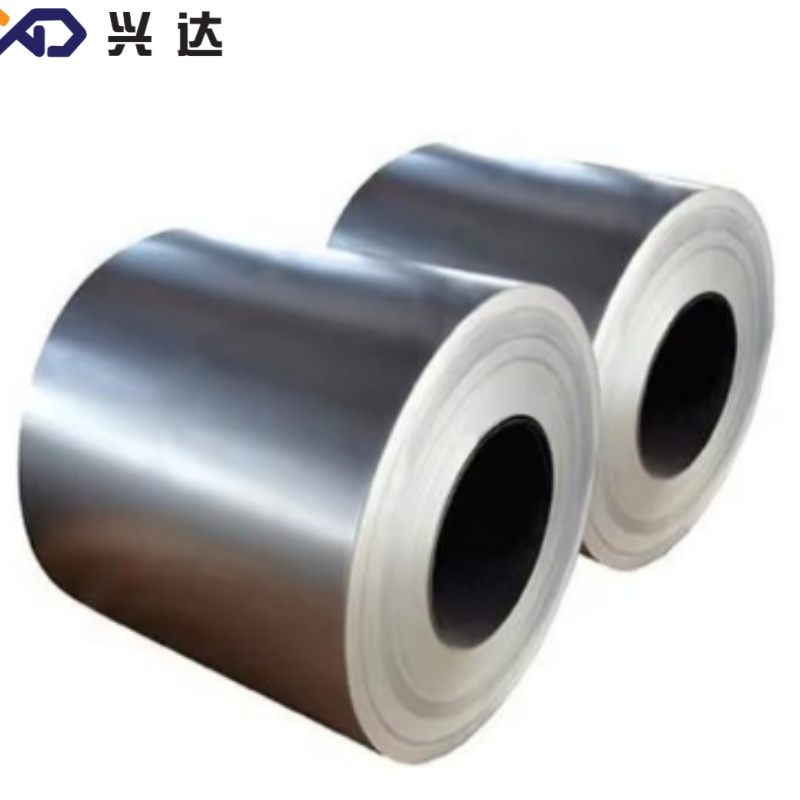
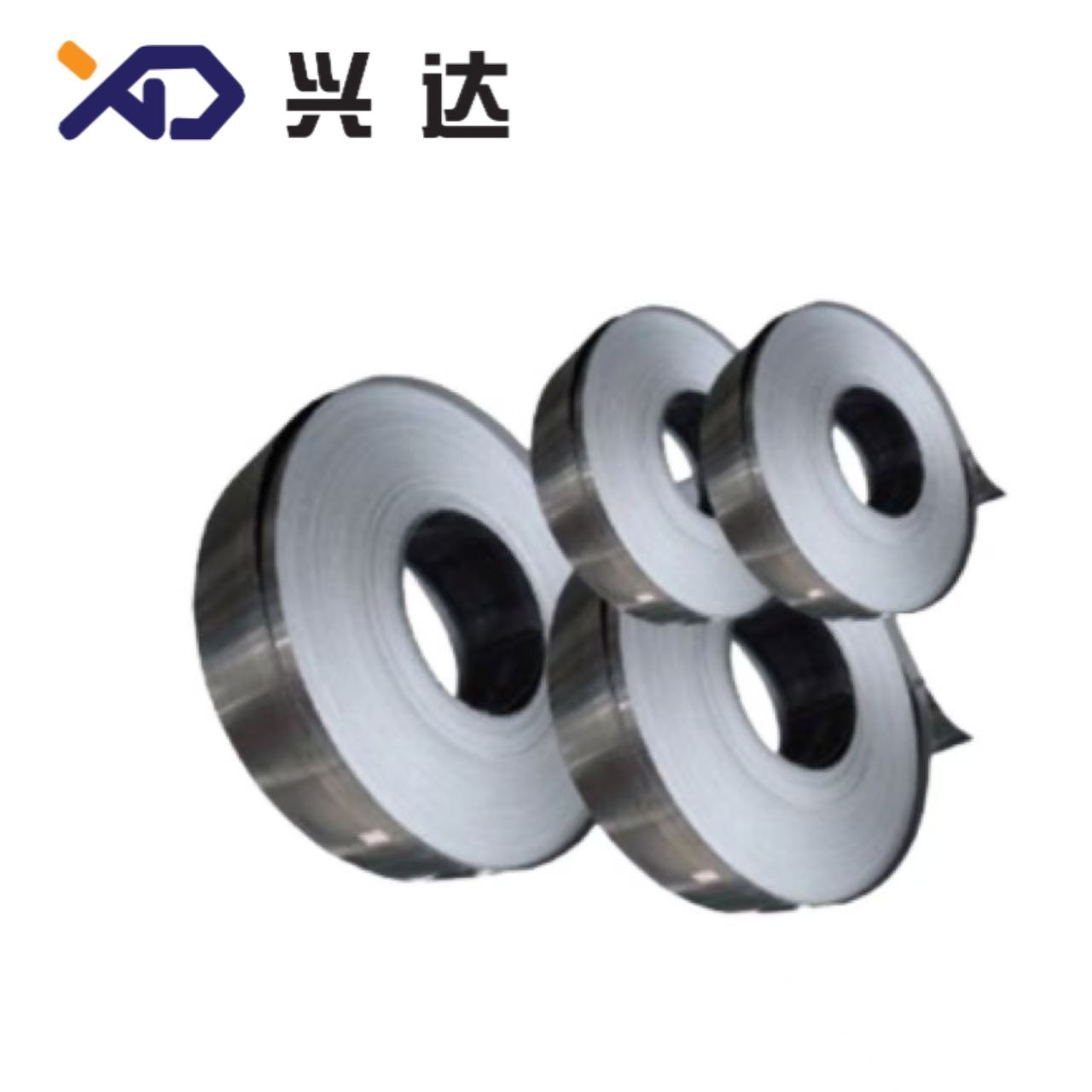
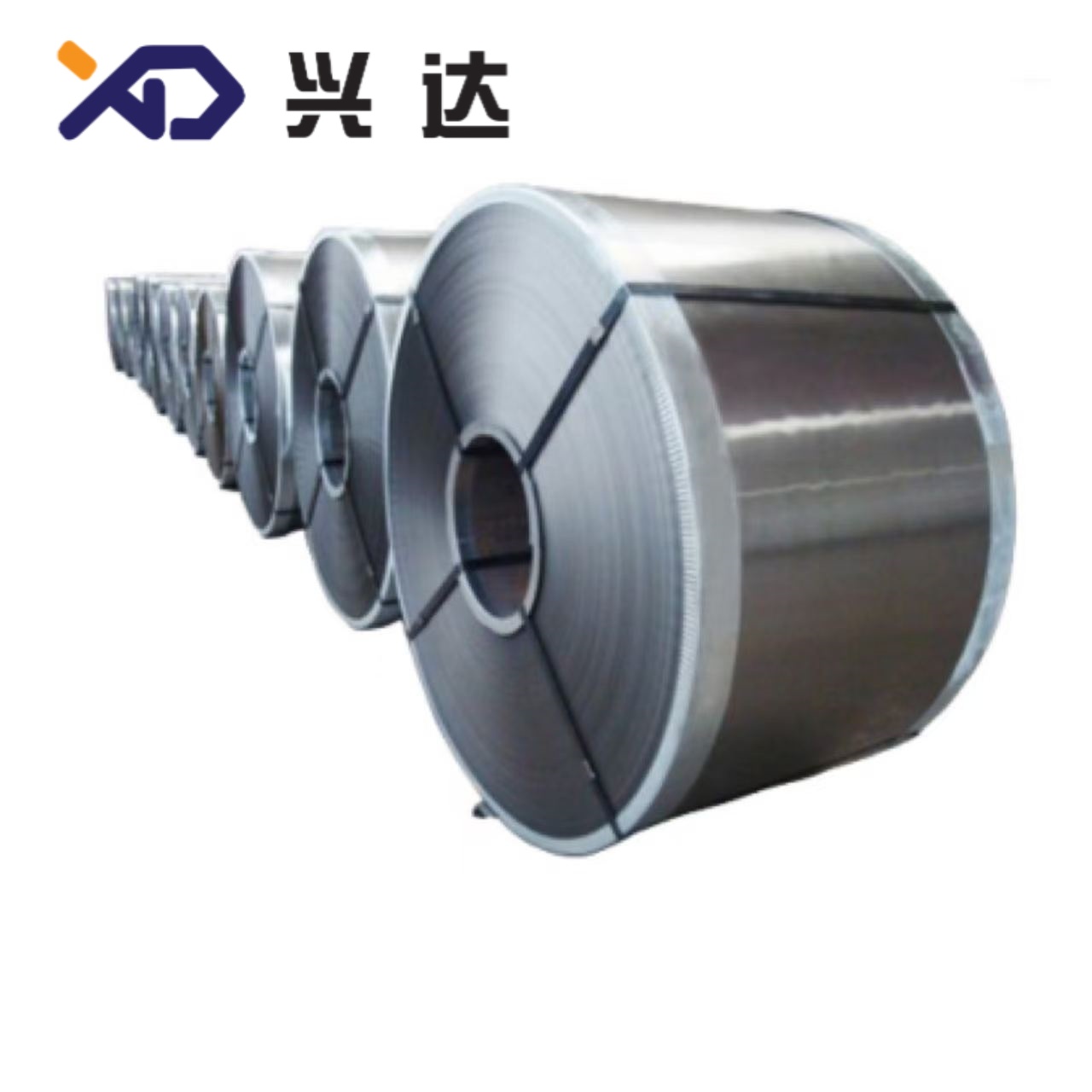
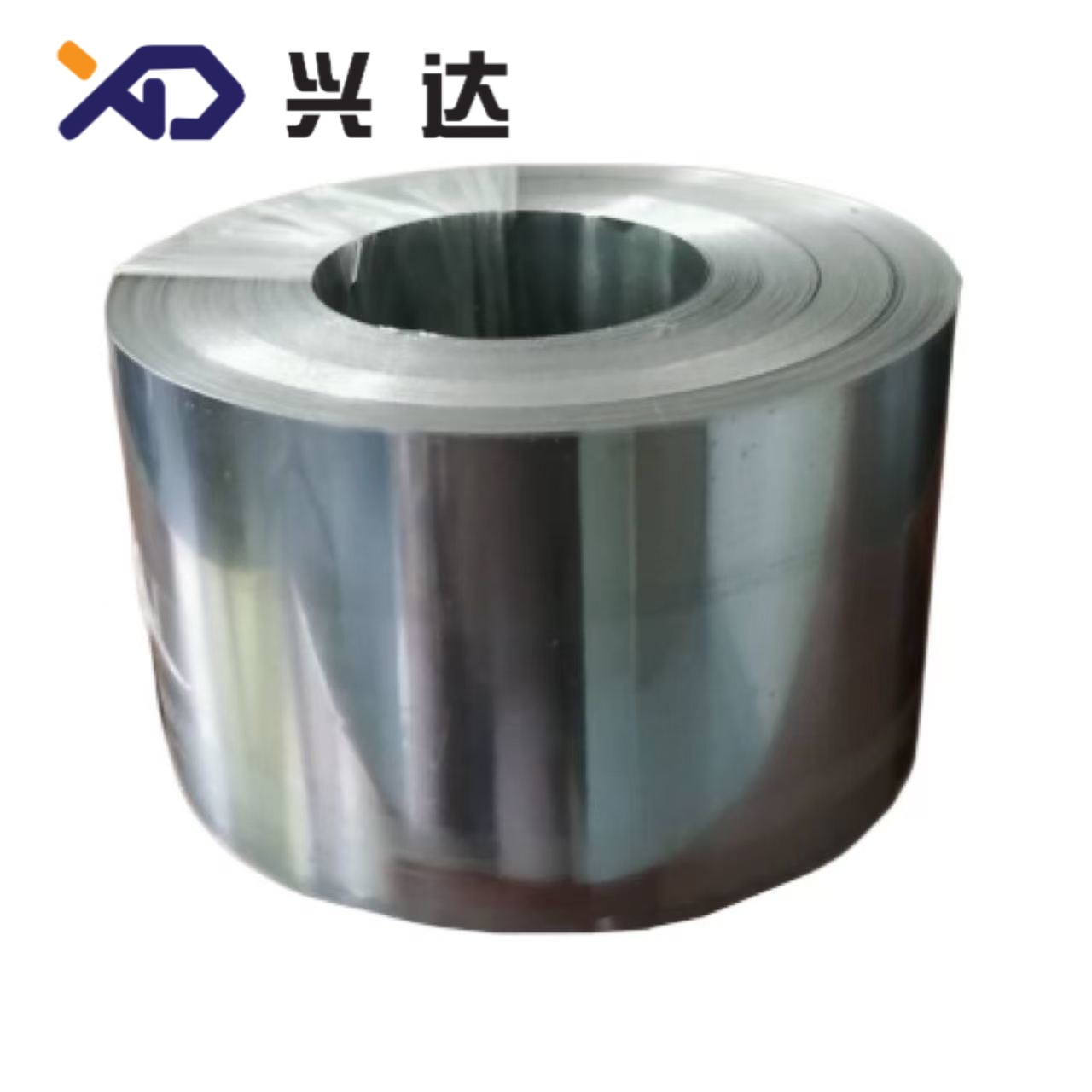
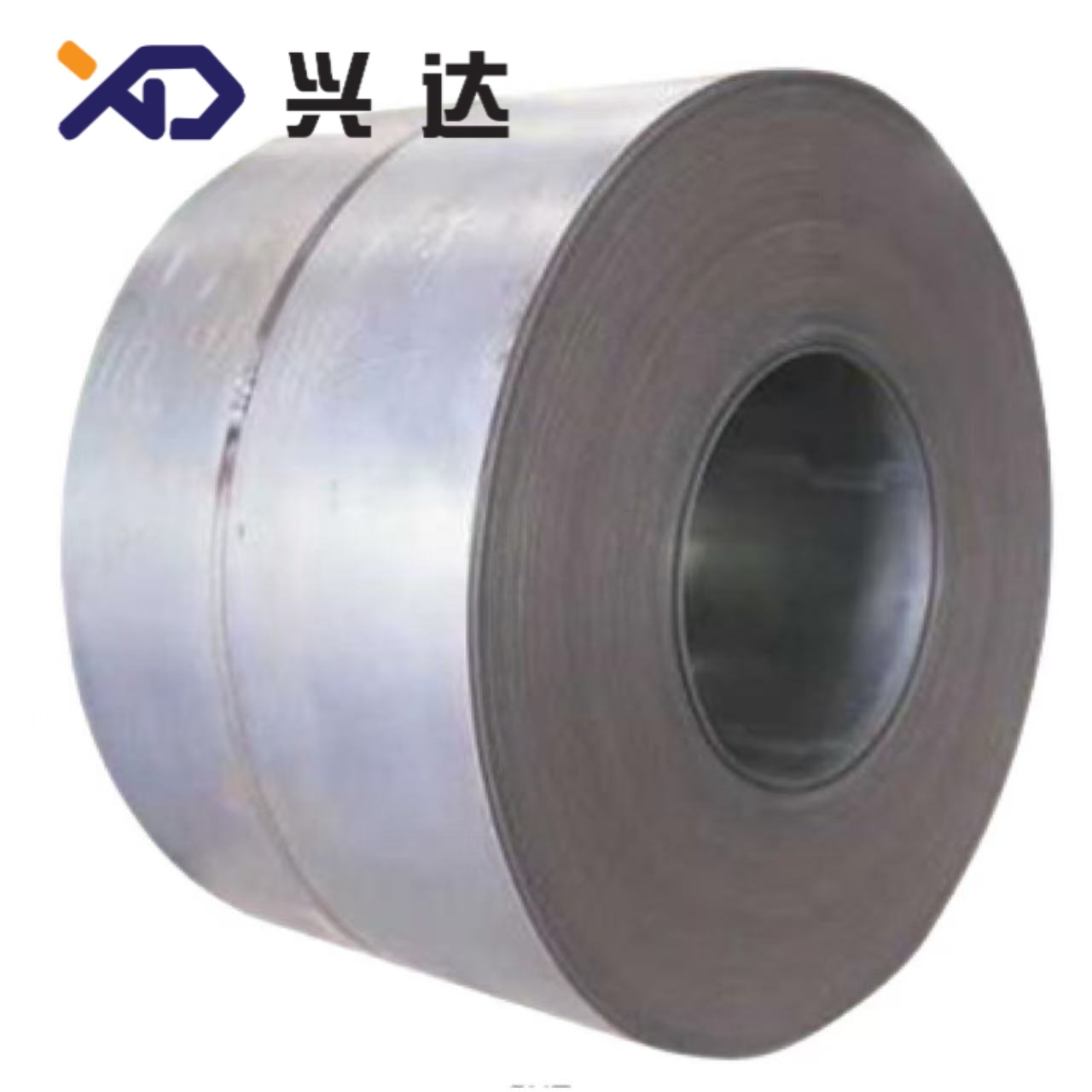
Silicon Steel (Electrical Steel): Core Magnetic Material for Transformers, Motors and Power Systems
Silicon Steel (Electrical Steel): Core Magnetic Material for Transformers, Motors and Power Systems
Silicon steel, also widely named electrical steel or lamination steel, is a soft magnetic iron-silicon alloy with ultra-low carbon content. It is the foundational raw material used to manufacture magnetic cores for transformers, electric motors, generators, reactors and other electromagnetic power equipment. By adding controlled silicon content into pure iron matrix, silicon steel optimizes magnetic permeability, reduces hysteresis loss and eddy current loss under alternating magnetic fields. Almost all power transmission, distribution and electromechanical conversion equipment relies on silicon steel laminations to convert magnetic energy efficiently, which makes silicon steel an indispensable material in global power grids, renewable energy systems, industrial automation and electric vehicle industries.
The core search keywords embedded in this article include silicon steel, electrical steel, silicon steel sheet, CRGO silicon steel, grain oriented silicon steel, non grain oriented silicon steel, transformer core silicon steel, motor lamination steel, silicon steel core loss, silicon steel grade, silicon steel coil. These high-intent B2B keywords are naturally distributed across paragraphs for Google SEO indexing, without forced keyword stuffing.
What Is Silicon Steel? Definition and Basic Material Principle
Silicon steel is a ferrous alloy with silicon content ranging from 0.5% to 6.5%, while carbon content is strictly limited below 0.08%. Silicon atoms dissolved in iron crystal lattice increase material electrical resistivity significantly. Higher resistivity suppresses eddy current circulation inside steel sheets when alternating magnetic flux passes through the core. Meanwhile, special rolling and annealing processes modify the internal grain structure, shrinking the hysteresis loop area and cutting hysteresis loss during repeated magnetization and demagnetization cycles.
Ordinary carbon steel cannot be used for electromagnetic cores. Carbon steel has low resistivity, high hysteresis loss and obvious magnetic aging. When exposed to alternating current magnetic fields, it generates massive heat, wastes electric energy and shortens equipment service life. Silicon steel solves these pain points. Manufacturers produce silicon steel into thin sheets, strips or coils. Thin laminations are stacked with insulating coating on each sheet to further block inter-sheet eddy currents, which is the standard manufacturing method for transformer and motor cores.
Two major loss metrics define silicon steel performance: hysteresis loss and eddy current loss. Hysteresis loss comes from friction of magnetic domain rotation during magnetization reversal. Eddy current loss is induced by circulating electric current inside metal sheets under changing magnetic flux. Total loss of silicon steel is usually called core loss or iron loss, measured in watts per kilogram (W/kg) at fixed magnetic flux density and frequency (50Hz or 60Hz). Lower core loss means higher energy efficiency and less heat generation for power equipment.
Main Types of Silicon Steel: Grain-Oriented and Non-Grain-Oriented Electrical Steel
Grain-Oriented Silicon Steel (GOES / CRGO, Cold Rolled Grain Oriented Silicon Steel)
Grain-oriented silicon steel is processed by precise cold rolling and high-temperature annealing. This manufacturing method aligns iron crystal grains along the rolling direction, forming Goss texture. Along the rolling direction, the material achieves extremely high magnetic permeability and ultra-low core loss. Magnetic flux flows with minimal resistance along this preferred magnetization direction. In the transverse direction perpendicular to rolling, magnetic performance drops sharply, so CRGO silicon steel is designed for static magnetic circuits where magnetic flux moves in one stable direction.
CRGO silicon steel is the primary material for power transformers, distribution transformers, instrument transformers and shunt reactors. Over 90% of grain-oriented silicon steel production feeds transformer core manufacturing. Common thickness options are 0.23 mm, 0.27 mm and 0.30 mm. High-grade Hi-B grain-oriented silicon steel adopts magnetic domain refinement treatment to reduce iron loss further, which is widely used for high-efficiency energy-saving transformers compliant with IEC, ANSI and other international efficiency standards.
Key advantages of grain-oriented silicon steel:
- Ultra low no-load core loss for stationary transformer cores
- High magnetic saturation induction
- Low magnetostriction, reducing transformer vibration and noise
- Stable magnetic performance under continuous long-term operation
- Suitable for high voltage power grid transmission equipment
Non-Grain-Oriented Silicon Steel (NGOES / CRNO, Cold Rolled Non-Oriented Silicon Steel)
Non-grain-oriented silicon steel has randomly distributed crystal grains without preferred magnetization direction. Magnetic properties remain uniform across all planar directions. This isotropic magnetic characteristic matches rotating magnetic fields inside motors and generators. NGOES silicon steel is the standard lamination material for industrial AC motors, DC motors, EV traction motors, compressors, fans and small generators. Silicon content of non-oriented grades ranges from 0.5% to 4.5%. Common thickness includes 0.35 mm, 0.50 mm and 0.65 mm. Thinner non-oriented grades serve high-speed motors with high operating frequency.
Key advantages of non-grain-oriented silicon steel:
- Uniform magnetic performance in all directions for rotating magnetic flux
- Balanced mechanical ductility, easy for stamping and lamination cutting
- Wide grade selection covering low, medium and high core loss requirements
- Stable performance for high-speed rotating electromechanical devices
- Cost-effective for general industrial motor mass production
Standard Silicon Steel Specification and Grade Reference Table
Notes: All parameters follow IEC and ASTM industrial standards. Core loss value P17/50 means iron loss tested at 1.7T magnetic flux density under 50Hz. B8 represents magnetic induction at 800 A/m magnetic field strength. Density for silicon steel is 7.65 g/cm³.
表格
| Silicon Steel Type | Grade | Nominal Thickness (mm) | Max Core Loss P17/50 (W/kg) | Min Magnetic Induction B8 (T) | Typical Application |
|---|---|---|---|---|---|
| Grain-Oriented CRGO | B23G110 | 0.23 | 1.10 | 1.80 | High efficiency power transformer |
| Grain-Oriented CRGO | B27G120 | 0.27 | 1.20 | 1.80 | Distribution transformer, reactor |
| Grain-Oriented CRGO | B30G130 | 0.30 | 1.30 | 1.80 | General oil immersed transformer |
| Hi-B Grain-Oriented | B23QG090 | 0.23 | 0.90 | 1.88 | Ultra low loss energy saving transformer |
| Non-Grain-Oriented CRNO | 35W270 | 0.35 | 2.70 | 1.62 | IE4 high efficiency industrial motor |
| Non-Grain-Oriented CRNO | 50W470 | 0.50 | 4.70 | 1.65 | Standard IE3 AC motor |
| Non-Grain-Oriented CRNO | 65W800 | 0.65 | 8.00 | 1.67 | Small household appliance motor |
Silicon steel products are supplied in steel coil, sheet and cut-to-size lamination forms. Surface insulating coating is a critical feature. Insulation coatings prevent short circuits between stacked laminations and suppress inter-layer eddy current. Different coating types include organic coating and inorganic coating for different operating temperature requirements of transformer and motor cores. Stacking factor is another important technical indicator. Stacking factor describes the ratio of effective silicon steel metal volume to total stacked core volume, affected by coating thickness and lamination surface flatness. Higher stacking factor improves core magnetic load capacity.
Industrial Applications of Silicon Steel
Silicon steel application scenarios are split clearly according to grain orientation characteristics. Grain-oriented silicon steel mainly serves static electromagnetic equipment in power grids. Large power transformers for power transmission stations, pole-mounted distribution transformers, current transformers, voltage transformers and smoothing reactors all use CRGO silicon steel cores. Energy-saving transformer upgrades globally keep raising demand for low-loss CRGO grades, as reduced no-load loss cuts long-term power consumption of grid assets.
Non-grain-oriented silicon steel dominates rotating electromechanical equipment. Industrial three-phase motors, permanent magnet motors, EV traction motors, wind turbine generators, air conditioner compressors, water pump motors and servo motors all adopt NGOES laminations. The rising new energy vehicle market pushes demand for ultra-thin high-grade non-oriented silicon steel for high-frequency traction motors. Small non-oriented silicon steel sheets are also used for solenoids, magnetic switches and small power inductors.
Key Selection Criteria for Silicon Steel
When engineers select silicon steel grades for core design, multiple factors must be evaluated together.
- Magnetic field movement type: Static unidirectional magnetic flux chooses CRGO grain-oriented silicon steel. Rotating multi-directional magnetic flux selects CRNO non-oriented silicon steel.
- Operating frequency: 50Hz / 60Hz power frequency equipment uses conventional thickness. High-frequency motor designs require thinner silicon steel to reduce eddy current loss.
- Core loss target: Energy efficiency standards directly determine the maximum allowable iron loss. High-efficiency transformers and premium efficiency motors need low core loss high-grade silicon steel.
- Mechanical processing requirement: Stamping, laser cutting and shearing operations need sufficient ductility. Some high silicon content silicon steel becomes brittle and is not suitable for complex stamping shapes.
- Operating temperature and environment: High temperature working conditions need high temperature resistant insulation coating on silicon steel surface. Humid environments require anti-corrosion coating performance.
- Stacking factor requirement: Compact core design needs high stacking factor silicon steel with thin insulating film.
Advantages of High-Quality Silicon Steel in Power Equipment
High-quality silicon steel brings multiple economic and technical benefits across the whole lifecycle of electrical equipment. First, low core loss reduces energy waste during equipment operation. For distribution transformers running continuously for decades, no-load loss reduction creates massive cumulative electricity saving. Second, low core loss decreases heat generation inside magnetic cores. Lower operating temperature extends insulation service life of transformers and motors, improving equipment reliability and reducing maintenance frequency.
Third, low magnetostriction of premium grain-oriented silicon steel reduces mechanical vibration and noise. This is valuable for urban distribution transformers and indoor electrical equipment. Fourth, stable magnetic permeability ensures consistent electromagnetic performance under variable load conditions. Fifth, standardized silicon steel dimensions and coating quality support automatic stamping and stacking production, improving manufacturing efficiency for transformer and motor factories.
Common Silicon Steel Quality Control and Testing Items
Manufacturers perform a complete set of performance tests on silicon steel products before delivery. The primary test items include core loss measurement, magnetic induction test, magnetostriction test, coating insulation resistance test, stacking factor test, surface roughness inspection and dimensional tolerance check. Mechanical property tests cover tensile strength, yield strength and elongation to verify stamping performance. Surface defect inspection detects scratches, pinholes and coating peeling which may cause local hot spots in assembled cores. Improper cutting or stamping can introduce mechanical stress on silicon steel laminations. Stress damage degrades magnetic performance and increases iron loss, so core processing procedure control is equally important as raw material grade selection.
Frequently Asked Questions about Silicon Steel
What is the difference between silicon steel and electrical steel?
Silicon steel and electrical steel refer to the same material. Electrical steel is the general industry term, while silicon steel describes the alloy composition with silicon added. Both names are widely used in transformer, motor and power engineering industries.
Can grain-oriented silicon steel be used for motor cores?
Grain-oriented silicon steel has strong directional magnetic properties. Magnetic flux direction inside rotating motors keeps changing. CRGO will show poor performance and higher loss when magnetic flux crosses the transverse direction, so CRGO is not suitable for motor laminations. Non-grain-oriented silicon steel is the correct option for rotating magnetic field applications.
What causes core loss increase of silicon steel after stamping?
Mechanical shearing and stamping create residual stress at cutting edges. Residual stress distorts internal magnetic domain structure and raises hysteresis loss. Stress relief annealing can recover magnetic properties for some precision core parts.
What is the difference between hot rolled silicon steel and cold rolled silicon steel?
Hot rolled silicon steel was used in early industry. It has higher core loss and unstable magnetic performance. At present, cold rolled silicon steel including CRGO and CRNO accounts for nearly all commercial silicon steel supply. Hot rolled silicon steel has been phased out in most modern power equipment designs.
Categories
Contact Us
Contact: Tianjin Delda Trading Co., Ltd
WhatsApp: +86 13662056855
Tel:
E-mail: solomon20210701@tjxddq.com
Add: Unit‑101, Workshop 3, Bozhong Automobile Industrial Park, No.5 Xianghui Road, Intersection of Xianghui Road and Gaoying Road, Beizhakou Town, Jinnan District, Tianjin, China