Tap changer
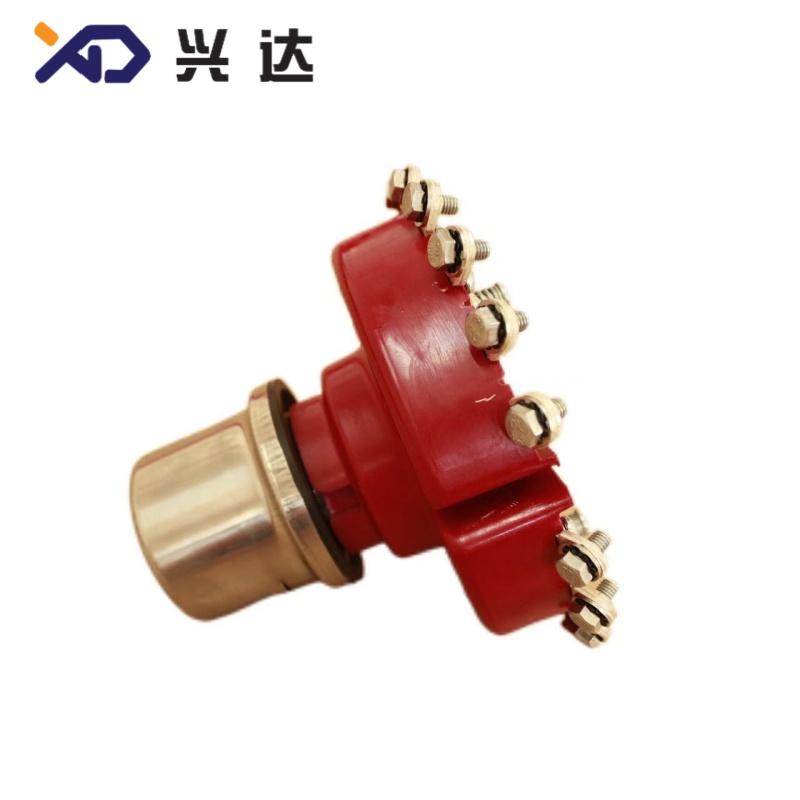
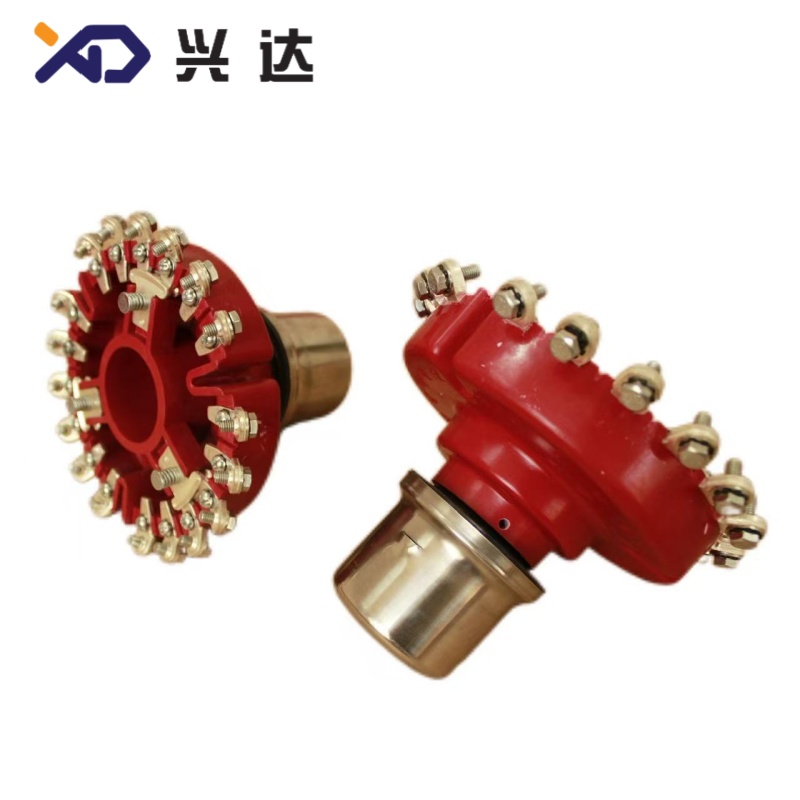
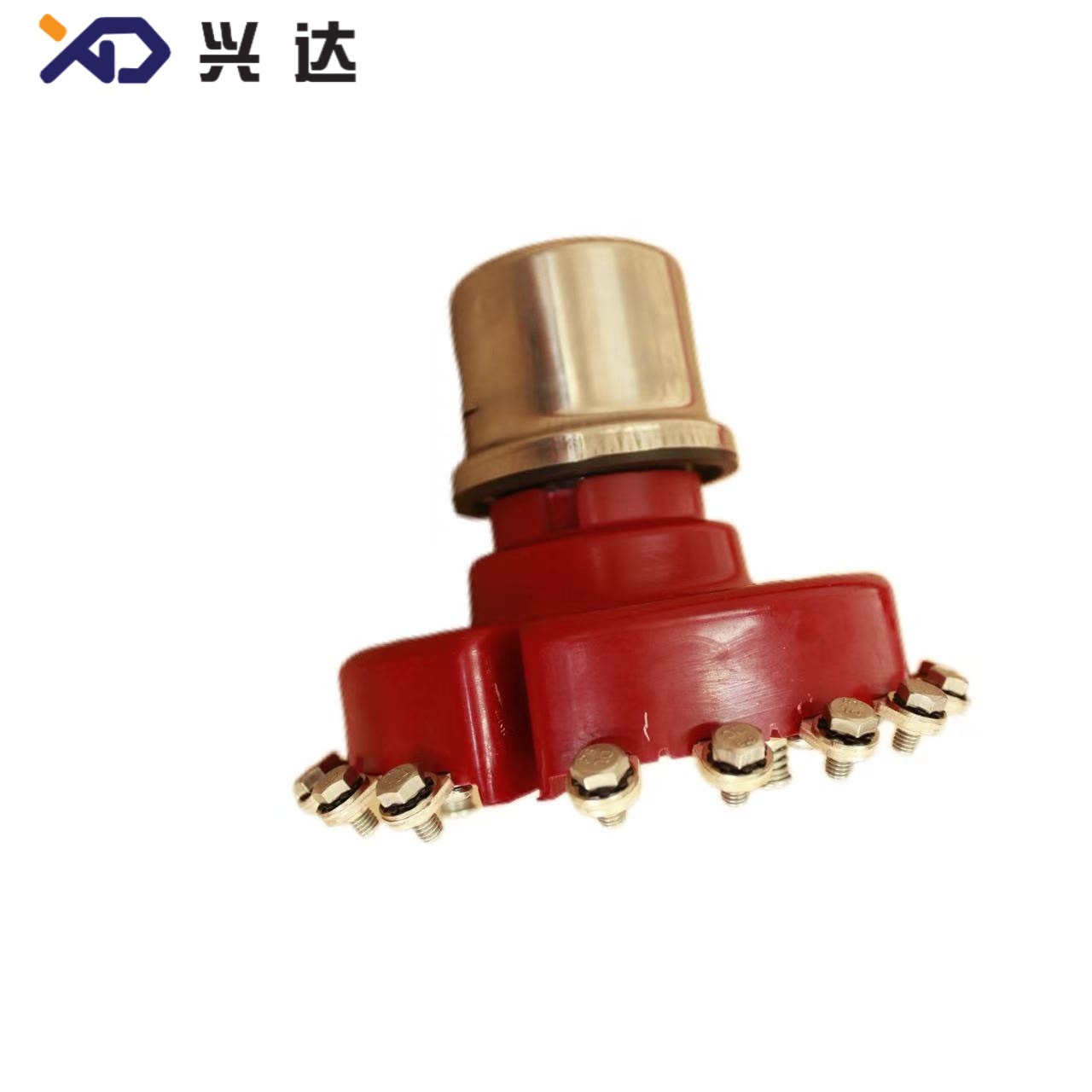
On Load & Off Circuit Tap Changer for Power Transformer, IEC ANSI Standard Transformer Tap Changer
Tap Changer
Introduction
A tap changer is an essential power transformer component designed to adjust the transformer turns ratio, stabilizing output voltage under fluctuating load and input supply conditions. Grid voltage often rises or falls due to changing power demand, long transmission line impedance, seasonal load variation and equipment switching. Without tap adjustment, secondary voltage may deviate from the required rated value, which can damage end-user electrical equipment, reduce motor efficiency and disrupt sensitive industrial loads. Tap changers modify the effective number of winding turns on the high voltage side of the transformer to compensate for voltage drift.
There are two core categories of tap changers: off circuit tap changers (also called de energized tap changers) and on load tap changers (OLTC). Off circuit tap changers require the transformer to be fully de energized before tap position adjustment. On load tap changers can shift tap positions while the transformer remains energized and carries full load, which is critical for continuous power supply in substations, power plants and heavy industrial facilities. Tap changers are widely applied in distribution transformers, power transformers, furnace transformers and rectifier transformers, complying with IEC, ANSI, IEEE and GB international standards.
Definition and Working Principle
The basic principle of tap changer operation relies on changing the tap point connection on transformer windings. Transformer voltage follows the turns ratio law: U1/U2 = N1/N2. By selecting different tap connections on the primary winding, the number of active turns N1 changes, so the secondary output voltage U2 can be kept within the permitted tolerance range.
For off circuit tap changers, operators must disconnect the transformer from the power network, release residual energy, then manually rotate the contact mechanism to switch taps. After adjustment, the transformer is re energized for service. This type is low cost and simple in structure, suitable for sites where voltage variation is slow and scheduled power outages are acceptable.
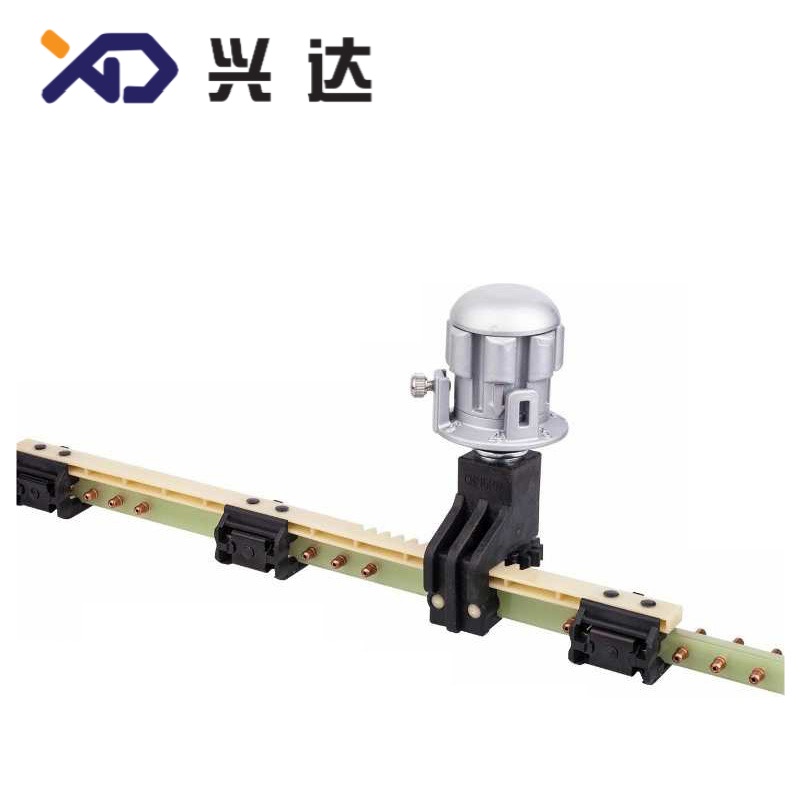
On load tap changers adopt a transition contact system with tap selector and diverter switch. During tap shifting, the transition resistor or reactor temporarily bridges two adjacent taps to avoid load current interruption. The diverter switch handles the breaking and making of load current, while the tap selector selects the static winding tap position. This mechanism enables seamless voltage regulation without cutting off the load power. Modern OLTC units are equipped with motor drive assemblies, position indicators, limit switches and protection sensors for remote automatic control.
Main Types of Tap Changers
1. Off Circuit Tap Changer (De energized Tap Changer)
This variant is also known as no load tap changer. Tap adjustment can only be performed when the transformer is completely shut down. It is commonly installed on small and medium distribution transformers. Typical tap ranges are ±2×2.5% or ±5% of rated voltage.
Advantages
- Low procurement and maintenance cost
- Simple mechanical structure, low failure rate
- No oil carbonization risk from arc breaking
- Small footprint, easy installation inside transformer tank
Limitations
- Power outage mandatory during tap adjustment
- Cannot respond to real time fast voltage fluctuation
- Manual operation in most models
2. On Load Tap Changer (OLTC)
On load tap changers adjust taps while the transformer operates under full rated load. They are used for large power transformers in transmission substations, renewable energy step up transformers and continuous process industrial plants. Common tap ranges include ±8×1.25%, ±10×1% and ±16×0.625%.
Advantages
- Continuous power supply without shutdown during regulation
- Supports automatic voltage control via voltage regulator
- Fast response to grid voltage changes
- Remote monitoring and position signal output available
Limitations
- Higher initial investment
- Regular maintenance required for diverter switch contacts
- Electric arcs generate carbon particles, contaminating transformer insulating oil
- Larger mechanical assembly and higher space demand
Key Performance Parameters Table
表格
| Parameter | Off Circuit Tap Changer | On Load Tap Changer |
|---|---|---|
| Operating Condition | Transformer de energized | Transformer energized with load |
| Rated Current Range | 10A ~ 2000A | 100A ~ 4000A |
| Typical Tap Range | ±2×2.5%, ±5% | ±8×1.25%, ±10×1%, ±16×0.625% |
| Voltage Class | Up to 35kV | Up to 500kV and above |
| Operation Mode | Manual rotation | Motor driven, automatic / manual |
| Maintenance Cycle | Long interval, minimal service | Periodic inspection, oil filtration required |
| Application Scenario | Distribution transformer, static load | Power substation, solar wind farm, heavy industry |
| Insulation Medium | Transformer mineral oil | Transformer mineral oil or synthetic ester oil |
Core Advantages of Tap Changers
- Voltage Stabilization Tap changers maintain secondary voltage within permissible limits despite fluctuations in incoming high side voltage. Stable voltage protects generators, motors, control panels and sensitive electronic devices from overvoltage or undervoltage damage.
- Power Quality Improvement Unstable voltage causes increased power loss, reduced power factor and equipment overheating. Proper tap adjustment reduces harmonic impact and minimizes reactive power consumption, improving overall power quality for industrial and utility networks.
- Grid Adaptability For long distance power transmission lines, voltage drop varies with load magnitude. Tap changers compensate line voltage drop and support grid voltage management, especially for remote areas and renewable power stations with variable output.
- Equipment Protection Persistent off rated voltage accelerates insulation aging of transformer windings. By keeping voltage within design range, tap changers extend transformer service life and lower risk of winding breakdown and unexpected blackouts.
- Flexible Operation Modern OLTC integrates with SCADA and automatic voltage control systems. Operators can set target voltage thresholds, and the tap changer automatically shifts positions without manual intervention.
Tap Changer Material and Construction
The contact system is the most critical part of any tap changer. Contacts are usually made of copper alloy with silver plating. Silver coating reduces contact resistance, suppresses heat generation and improves arc resistance for OLTC contacts. The insulating support structure uses high strength epoxy resin or pressboard, which provides excellent dielectric strength inside the oil filled transformer tank.
The drive mechanism for OLTC includes a three phase electric motor, reduction gearbox, spring energy storage unit and position feedback potentiometer. Spring energy storage ensures fast tap switching action independent of motor speed, which is essential to limit arc duration. Sealing gaskets use nitrile rubber or fluororubber to prevent transformer oil leakage.
Installation Notes
Tap changers are mounted inside the transformer main tank or a separate compartment. For OLTC, many designs adopt a separate oil compartment isolated from main transformer oil to prevent carbon contamination spreading to main winding insulation.
- Confirm tap changer rated current, voltage class and tap range match transformer design before installation.
- Check contact surface cleanliness, no scratches, oxidation or foreign debris on contact points.
- Verify mechanical rotation flexibility, ensure no stuck position during full tap travel.
- Complete electrical continuity test and insulation resistance test after assembly.
- For oil immersed tap changers, perform vacuum oil filling to eliminate air bubbles inside the chamber.
- Wire position indicator and auxiliary switches correctly for remote monitoring.
Maintenance Guidelines
Off Circuit Tap Changer
Inspection can be performed during transformer scheduled overhaul. Check contact surface condition, fastener tightness and insulation surface. Clean dust and sludge, verify continuity of each tap position. Replace gaskets if oil leakage occurs.
On Load Tap Changer
OLTC requires regular maintenance due to arc erosion during tap switching.
- Periodically test insulating oil dielectric strength and check carbon content. Filter or replace contaminated oil when carbon level exceeds limit.
- Inspect contact wear thickness; replace contacts when wear reaches the specified threshold.
- Check spring energy storage, gear lubrication and motor operation.
- Calibrate tap position indicator and limit switches to avoid misalignment.
- Monitor operation counter, record total tap shift times for life assessment.
Common Faults and Troubleshooting
- Poor contact connection: Caused by contact oxidation, surface burning or loose clamping. Symptoms include local overheating and abnormal temperature rise. Solution: clean or replace contacts.
- Tap position misalignment: Position indicator reading differs from actual physical tap location. Check mechanical linkage and position sensor calibration.
- Oil leakage: Damaged gasket or loose flange bolts. Retighten bolts or replace sealing components.
- OLTC failure to switch taps: Motor power failure, broken gear or failed spring storage. Check power supply and mechanical drive assembly.
- High oil carbon content: Excessive arc erosion from long time operation. Perform oil filtration and contact inspection.
Application Industries
- Power utility transmission and distribution substations
- Solar photovoltaic and wind power step up transformers
- Steel, mining, chemical and cement heavy industrial plants
- Data center backup power transformers
- Railway traction power supply systems
- Large commercial building power distribution systems
Tap Changer Selection Guide
When selecting a tap changer, the following parameters must be confirmed: rated voltage, rated through current, number of tap positions, tap voltage step, operation type (no load or on load), insulation medium, mounting type and ambient operating temperature. For distribution transformers with rare voltage adjustment demand, off circuit tap changer is cost effective. For transformers serving critical continuous load or grid connected renewable power plants, on load tap changer is the preferred option. Users also need to consider maintenance accessibility, spare part availability and local grid standard requirements.
Conclusion
Tap changers are indispensable voltage regulation components for power transformers. Off circuit tap changers offer low cost reliable static adjustment, while on load tap changers deliver dynamic voltage regulation without power interruption. Proper selection, installation and regular maintenance of tap changers stabilize grid voltage, reduce power loss and protect the whole transformer system. As power grids develop with higher penetration of renewable energy, the demand for high performance on load tap changers continues to grow, driving continuous optimization in contact material, mechanical drive and intelligent monitoring functions.
Categories
Contact Us
Contact: Tianjin Delda Trading Co., Ltd
WhatsApp: +86 13662056855
Tel:
E-mail: solomon20210701@tjxddq.com
Add: Unit‑101, Workshop 3, Bozhong Automobile Industrial Park, No.5 Xianghui Road, Intersection of Xianghui Road and Gaoying Road, Beizhakou Town, Jinnan District, Tianjin, China