Transformer moisture absorber
Transformer Moisture Absorber for Oil‑Immersed Power & Distribution Transformers
Transformer Moisture Absorber: Definition, Types, Specifications, Benefits, Selection & Maintenance
Introduction
The core mission of a transformer moisture absorber is to dry incoming air, trap airborne particulate contaminants, and block moisture penetration into the transformer conservator system. Though frequently viewed as a minor auxiliary component, its proper operation directly determines oil condition, insulation lifespan and overall transformer reliability. This article covers core definitions, working mechanisms, main product categories, technical specifications, key advantages, application scenarios, selection criteria and routine maintenance guidance for transformer moisture absorbers, serving as a practical reference for substation engineers, procurement specialists and field maintenance technicians.
Working Principle
Main Types of Transformer Moisture Absorbers
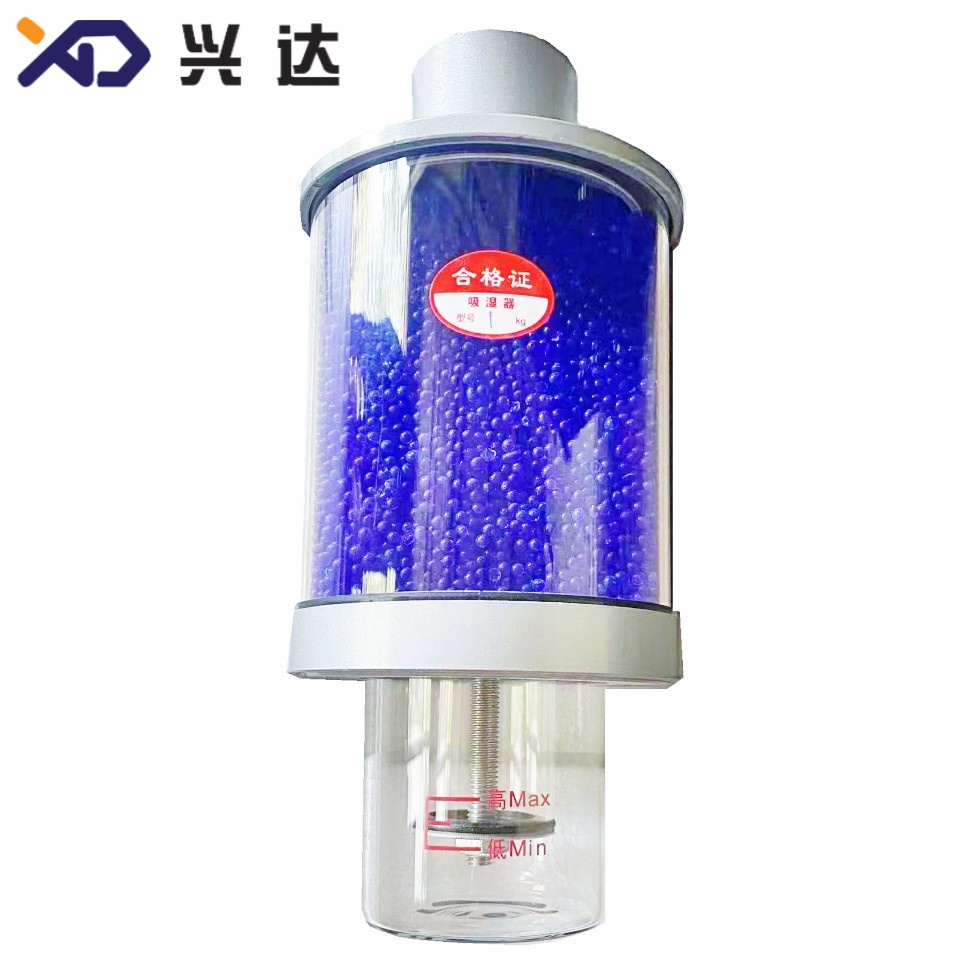
- Standard Indicating Silica‑Gel Moisture AbsorberThis represents the most widely deployed type for general‑purpose distribution transformers. It uses color‑changing silica‑gel granules; typical color transitions are blue‑to‑pink or cobalt‑free orange‑to‑green after absorbing moisture. The transparent housing allows direct visual observation of desiccant saturation. It features refillable construction for silica‑gel replacement or thermal regeneration, with integrated oil‑seal cup for dust filtration. Suitable for conventional substations, industrial transformers and moderate‑humidity geographical regions.
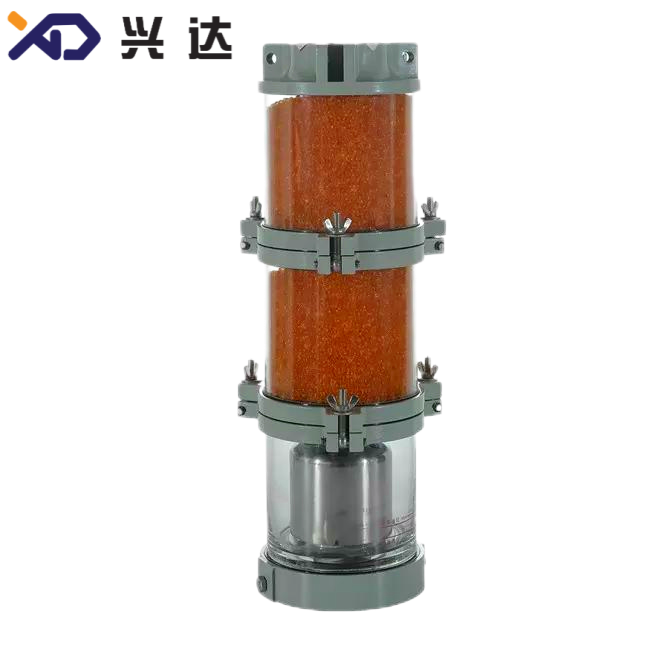
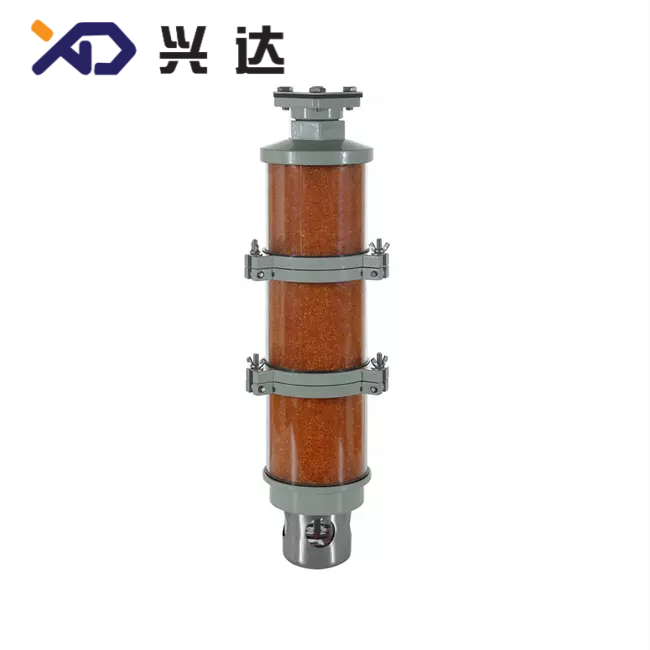
- Double‑Breathing Moisture AbsorberEquipped with dual‑direction air passage structure, double‑breathing models optimize airflow paths for larger‑volume breathing cycles on medium‑size power transformers. It reduces airflow resistance during both air‑inhalation and air‑exhalation processes, avoiding excessive internal pressure buildup inside the conservator tank. Double‑breathing designs perform better under large temperature swing conditions and locations with heavy dust pollution.
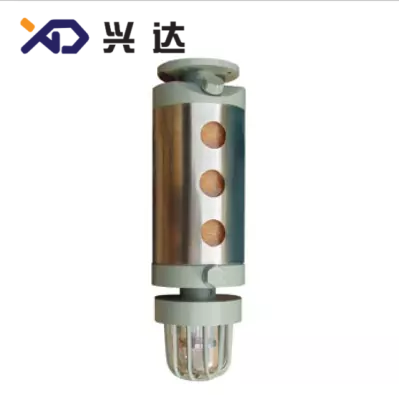
- Stainless‑Steel Protected Moisture AbsorberFitted with external stainless‑steel protective hoods over transparent viewing cylinders. Metal shielding protects internal transparent housing against mechanical impact, ultraviolet radiation and outdoor vandalism. Commonly specified for coastal sites, open‑air substations and harsh outdoor environments where physical damage risk is high.
- Self‑Regenerating Smart Moisture AbsorberAdvanced maintenance‑reduced units equipped with built‑in heating elements, humidity sensors and control modules. When desiccant approaches saturation, internal heating cycles automatically drive off adsorbed moisture to regenerate desiccant performance. Optional digital communication interfaces support remote humidity monitoring and alarm signal output for SCADA systems. Mainly applied for high‑value critical power transformers and remote unmanned substations where manual on‑site maintenance is difficult to arrange.
Core Benefits of Transformer Moisture Absorbers
- Moisture Barrier Protection: Effectively removes water vapor from incoming air, keeps low moisture content inside transformer insulating oil, preserves high dielectric strength of oil‑paper insulation systems.
- Visual Saturation Indication: Color‑changing desiccant delivers straightforward status feedback, simplifies inspection workflows and reduces diagnostic equipment investment.
- Particulate Filtration: Oil‑seal cup traps dust, sand and atmospheric contaminants, preventing solid impurities from contaminating transformer oil.
- Pressure Equalization: Balances internal conservator‑tank pressure with ambient atmospheric pressure, prevents negative‑pressure or over‑pressure faults inside the oil storage cabinet.
- Extend Transformer Service Life: Slows oxidation and hydrolytic aging of insulating oil and cellulose materials, reduces frequency of transformer oil‑treatment cycles and asset replacement costs.
- Flexible Maintainability: Standard refillable designs support silica‑gel regeneration or direct replacement, lowering long‑term operational expenditure. Smart regenerative variants cut manual maintenance workload for remote sites.
- Wide Environmental Adaptability: Product variants exist for temperate, tropical, coastal high‑humidity, dusty industrial and high‑altitude operating conditions.
Typical Application Scenarios
Technical Reference Specifications Table
| 代号 (Code) | 型号 Type | H | h1 | ΦD | 硅胶重量 (Kg) Silicagel weight | 变压器油量 (KG) For transformer oil | 适用变压器容量 (KVA) Transformer capacity |
|---|---|---|---|---|---|---|---|
| XD.XSQ.1~0.2 | XS1‑0.2 | 150 | 80 | 75 | 0.2 | 700 | 80KVA 以下 |
| XD.XSQ.1~0.5 | XS1‑0.5 | 175 | 100 | 100 | 0.5 | 1500 | 200KVA 以下 |
| XD.XSQ.1~1.0 | XS1‑1.0 | 250 | 180 | 100 | 1.0 | 3500 | 630KVA 以下 |
| XD.XSQ.1~1.5 | XS1‑1.5 | 250 | 170 | 115 | 1.5 | 5000 | 2000KVA 以下 |
| XD.XSQ.1~2.0 | XS1‑2.0 | 280 | 200 | 115 | 2.0 | 7000 | 3150KVA 以下 |
| XD.XSQ.1~3.0 | XS1‑3.0 | 280 | 180 | 165 | 3.0 | 10000 | 10000KVA 以下 |
| XD.XSQ.1~5.0 | XS1‑5.0 | 360 | 260 | 165 | 5.0 | 22000 | 50000KVA 以下 |
| XD.XSQ.1~10.0 | XS1‑10.0 | 610 | 500 | 165 | 10.0 | 35000 | 500000KVA 以下 |
Notes:
- Above table presents general industry reference dimensions; actual physical dimensions depend on specific design standards (IEC, GB/T, DIN).
- Self‑regenerating smart moisture absorbers support extended operating temperature from ‑40 °C to +70 °C with optional Modbus‑RTU communication interfaces.
- Custom connection threads or flange patterns are available for special‑project requirements.
Selection Guidelines for Transformer Moisture Absorbers
- Transformer Oil Volume & Rated Capacity: Larger transformers generate bigger breathing air volumes and require higher desiccant capacity. Undersized moisture absorbers cause rapid desiccant saturation and frequent maintenance cycles.
- Local Site Environmental Conditions: For coastal, tropical high‑humidity or heavy‑dust industrial zones, select larger‑capacity models with reliable oil‑seal structures and stainless‑steel protective covers.
- Maintenance Accessibility: For unmanned remote substations, consider self‑regenerating smart moisture absorbers to reduce field‑visit frequency. For sites with convenient access, standard refillable silica‑gel types offer cost advantages.
- Mounting Interface Compatibility: Confirm thread size or flange hole layout matches existing conservator‑tank connection port to avoid modification work during installation.
- Compliance with Industry Standards: Verify conformance against relevant international and local power‑equipment standards such as IEC‑related specifications and DL/T‑1386 series guidance for transformer breathers.
Common Faults & Routine Maintenance Guidance
Other typical faults include dried‑out or emulsified oil inside the oil‑seal cup, cracked transparent housing, degraded sealing gaskets causing air leakage, and blocked airflow passages. If oil‑seal oil level drops below the marked reference line, humid air can bypass desiccant completely, rendering the whole moisture absorber ineffective, which is a hidden failure pattern easily missed during site patrols.
- Conduct visual inspection every 6‑12 months for temperate‑climate locations; shorten inspection cycles to 3‑6 months for coastal and tropical high‑humidity sites.
- Check desiccant color status, oil‑cup oil level and oil quality, housing integrity and gasket sealing conditions.
- When desiccant saturates, remove old granules, refill with fresh or regenerated silica‑gel, top‑up oil‑cup with clean transformer mineral oil to marked level.
- Confirm all connecting joints maintain tight sealing after reassembly.
For smart self‑regenerating units, check power supply, sensor readings and remote alarm signal functions on scheduled maintenance rounds.
Conclusion
Categories
Contact Us
Contact: Tianjin Delda Trading Co., Ltd
WhatsApp: +86 13662056855
Tel:
E-mail: solomon20210701@tjxddq.com
Add: Unit‑101, Workshop 3, Bozhong Automobile Industrial Park, No.5 Xianghui Road, Intersection of Xianghui Road and Gaoying Road, Beizhakou Town, Jinnan District, Tianjin, China